Tag

Pebble Accretion

All articles tagged with #pebble accretion

Chemical fingerprints reveal Earth and Mars built via opposite planetary recipes
astronomy3 days ago

Chemical fingerprints reveal Earth and Mars built via opposite planetary recipes

A new study in Nature Astronomy reveals that Earth and Mars, despite forming side-by-side in the same solar system, developed through fundamentally different processes. Earth’s mass is primarily derived from pebble accretion, while Mars’s is dominated by planetesimal collisions. Researchers analyzed volatile elements in planetary mantles to determine these distinct formation histories.
"James Webb Space Telescope Unveils Earth's Ancient Origins"
science-and-astronomy2 years ago

"James Webb Space Telescope Unveils Earth's Ancient Origins"

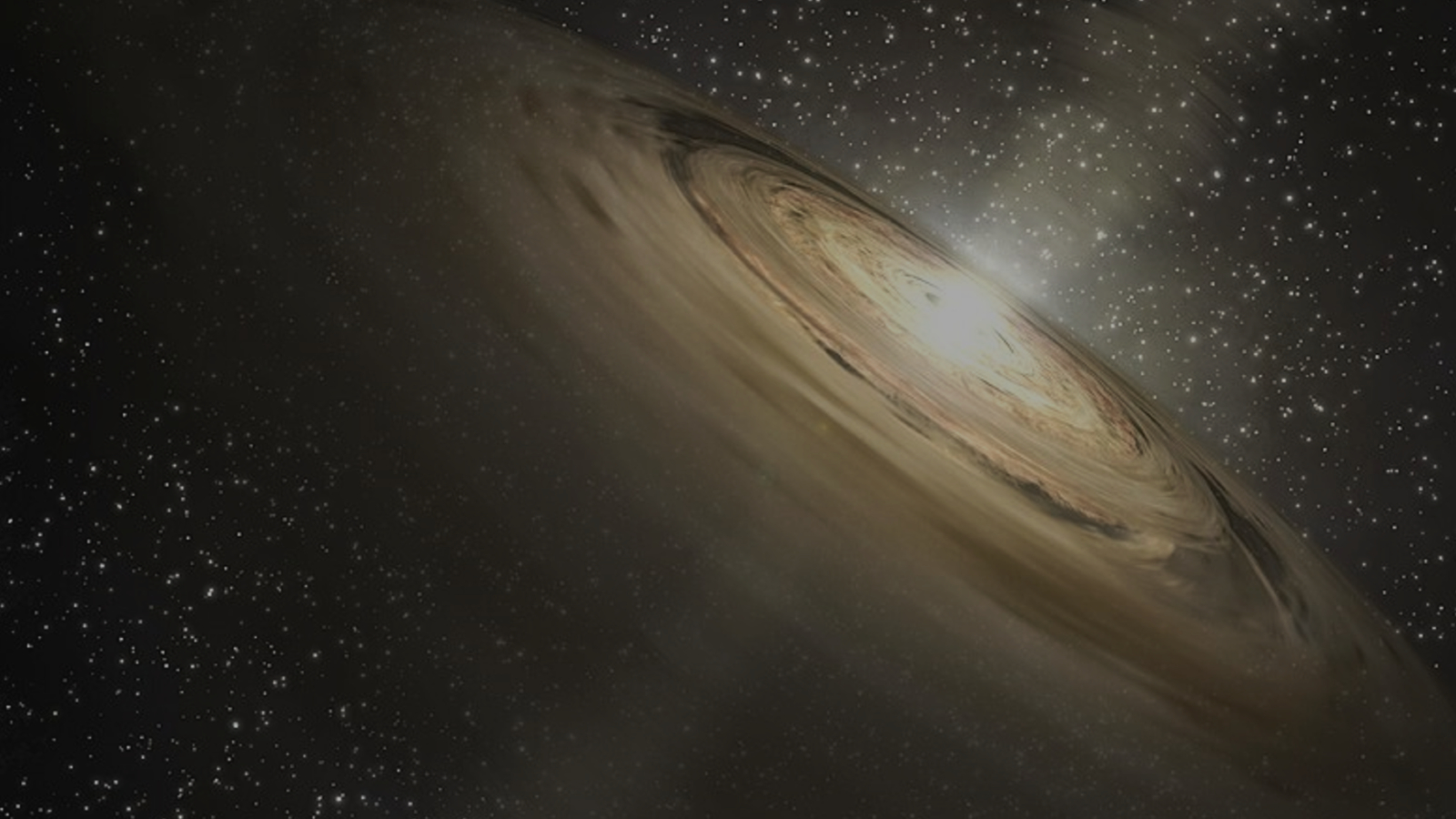
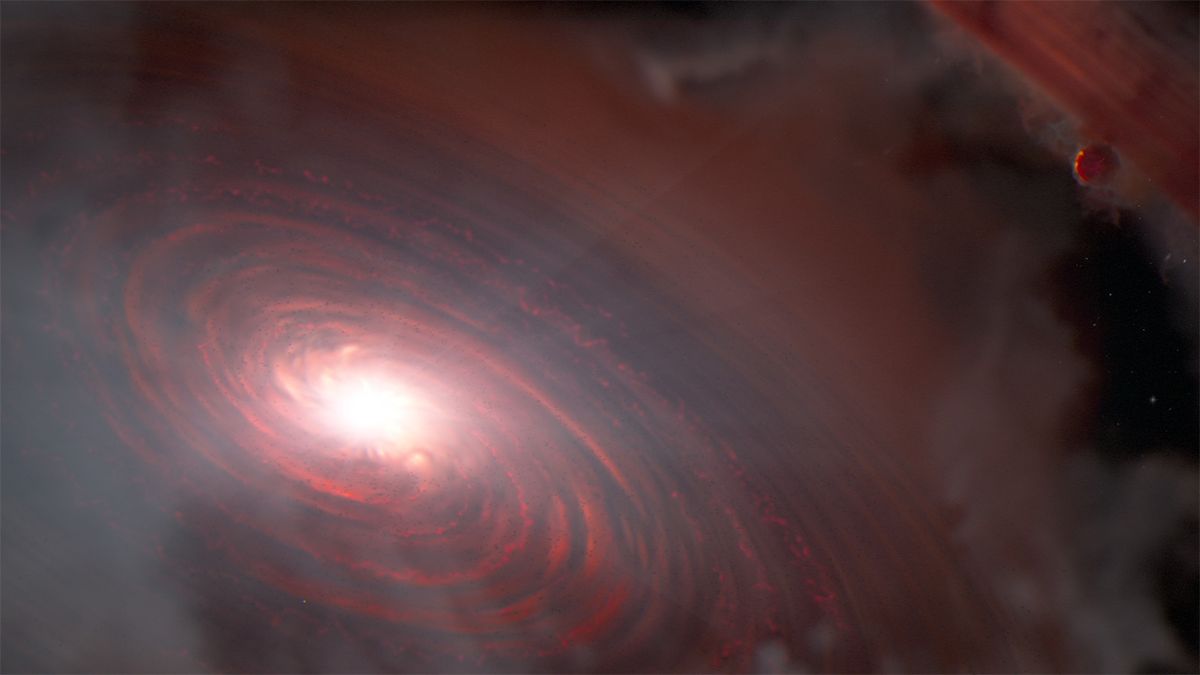
The James Webb Space Telescope (JWST) has detected water vapor in planet-forming disks surrounding young stars, providing evidence for the theory of pebble accretion, which describes how planets are built. Pebble accretion involves small icy pebbles in the outer parts of a disk migrating inwards, sticking together, and eventually forming protoplanets. The water vapor detected by the JWST suggests that the icy pebbles are indeed migrating and passing a boundary called the "snow line." The observations also raise questions about the formation of rings in the disks and the conditions required for pebbles to stick together during accretion. The findings not only shed light on exoplanet formation but also provide insights into how Earth may have formed billions of years ago.

Controversial theory suggests fast Earth formation increases likelihood of alien life.
science3 years ago

Controversial theory suggests fast Earth formation increases likelihood of alien life.

Earth formed within just 3 million years, much faster than previously thought, according to a new study. The authors assert that this rapid genesis occurred through a theory called pebble accretion. The team determined the time scale of Earth’s formation by looking at silicon isotopes from more than 60 meteorites and planetary bodies in the vicinity of Earth, which represent the rubble leftover after planet formation. This study provides “the strongest evidence” that terrestrial planets formed via pebble accretion.