Atlus’s Metaphor: ReFantazio launches on Nintendo Switch 2 on November 12, 2026, introducing three selectable visual modes: Performance, Graphics, and Balanced. While the game is praised for its narrative depth and portability, reviewers note significant technical compromises, including aliasing, inconsistent frame rates, and battery drain in handheld mode.
Nintendo has released several Switch 2 Editions this year, focusing heavily on RPGs, but fans are waiting for performance upgrades to popular titles like Pokemon, Kirby Star Allies, and Fire Emblem. These games currently suffer from 30fps locks or frame drops on the original Switch, which the new console could easily fix. While some titles like Luigi’s Mansion 3 may be skipped in favor of new sequels, others like Mario & Luigi: Brothership need significant performance boosts to improve gameplay.
Microsoft is preparing to release a redesigned Xbox PC application, codenamed 'Garrison,' which prioritizes performance and usability over new features. According to Windows Central, the update significantly improves loading speeds for large game libraries and streamlines navigation by merging store and game listings into a single interface. The app is expected to reach Xbox Insiders soon, potentially before the end of the year, and is already being integrated into Windows 11 builds.
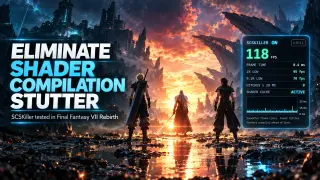
A new open-source utility called SCSKiller addresses PC shader compilation stutter by pre-compiling Pipeline State Objects (PSO) before game launch. Developed by BlueHeisenberg, the tool scans game files to identify shaders and compiles them into the GPU driver cache, preventing just-in-time compilation hitches during gameplay. Testing on Final Fantasy VII Rebirth showed the tool generated approximately 3 GB of NVIDIA PSO binaries, effectively eliminating shader-related stutters that plagued the game's built-in compilation stage. The utility supports NVIDIA and AMD GPUs under DirectX 12 and DirectX 11 on NVIDIA hardware, with Intel GPU support currently unavailable. It can automatically detect titles from major storefronts including Steam, Epic Games, EA App, GOG, Ubisoft Connect, Xbox PC, and Battle.net. While the tool significantly improves performance in games with incomplete pre-compilation, it only addresses shader issues and does not resolve stutters caused by asset streaming, CPU bottlenecks, or traversal logic.
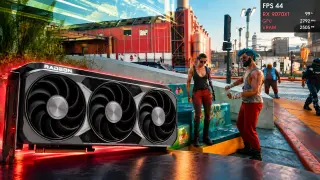
A developer known as Daniel has significantly improved the performance of an unofficial tool that enables NVIDIA’s DLSS 5 Neural Rendering on AMD Radeon GPUs. Within a single day, two new alpha releases (0.3.3 and 0.4.0) combined to deliver a 74% performance boost, with a subsequent 0.4.1 update adding another 8%. Testing in Cyberpunk 2077 at 3440x1440p showed framerates rising from roughly 30 FPS to 50 FPS. The tool leverages RDNA 4’s FP8 support to run NVIDIA’s proprietary technology on AMD hardware, though it remains an unofficial workaround with potential visual and latency issues.
Capcom released Patch 3.2 for Dragon's Dogma 2, delivering significant performance improvements across PC and console platforms after nearly two years of criticism. The update, which coincides with the upcoming Dark Arisen expansion, addresses long-standing frame rate issues in crowded areas like Vernworth. While official notes omitted performance details, community testing confirms substantial gains, including a jump to 120+ FPS on high-end PC hardware. The patch also removes Denuvo anti-tamper technology and expands weapon skill slots from four to six, enhancing gameplay customization.
KDE Plasma 6.8 development continues with significant performance and UI updates, including a 10x faster auto-hide panel, reduced memory usage for update notifications, and improved lock screen authentication. The release is scheduled for October 14, 2026, following beta phases in September.
Bethesda has confirmed it is investigating a new patch for The Elder Scrolls IV: Oblivion Remastered on PC, PS5, and Xbox Series X/S. This decision follows the August 11 release of the Nintendo Switch 2 version, which received praise for superior optimization and stability compared to the buggy versions on other platforms. While the Switch 2 port utilizes DLSS for sharper visuals, it also features improved frame pacing and draw distance adjustments. Fans have been frustrated that the PC and console versions have suffered from persistent stuttering and bugs since their April 2025 launch, with no significant updates since July 2025. Bethesda stated on X that they are looking to bring the Switch 2 optimizations to other platforms, though they have not provided a specific timeline. Additionally, physical copies of the Switch 2 edition are currently sold out, with restocks expected later in the month.
Digital Foundry’s PC review finds 007 First Light a solid port after patch 1.0.5 fixes the DLSS issue; performance improves with higher-end CPUs but mid-range rigs can be CPU-bound, with DLSS gains now reasonable. Start from PS5/Series X presets, adjust texture quality to match VRAM, and reduce LOD if CPU-limited; volumetrics are demanding but tunable, and 60–120fps is feasible in many scenes. The PC build still lacks XeSS/FSR4 and DRS, and would benefit from frame generation, but overall it’s a well-performing PC port worth recommending.
Escape from Tarkov’s patch 1.0.4.0 focuses on performance and accessibility: reduced loading times, new audio cues for dropped magazines, expanded areas for several tasks, higher XP for some tasks, removal of co-op extraction tasks, 40% faster hideout crafts, loot buffs in locked rooms, armor protection tweaks, new barters, and a long list of bug fixes across quests, weapon behavior, and UI.
CachyOS, an Arch Linux-based distribution popular among gamers and enthusiasts, is developing a server edition aimed at NAS, workstations, and servers, featuring hardened configurations and performance optimizations, with plans to enhance compiler optimizations and provide easy deployment for hosting providers.
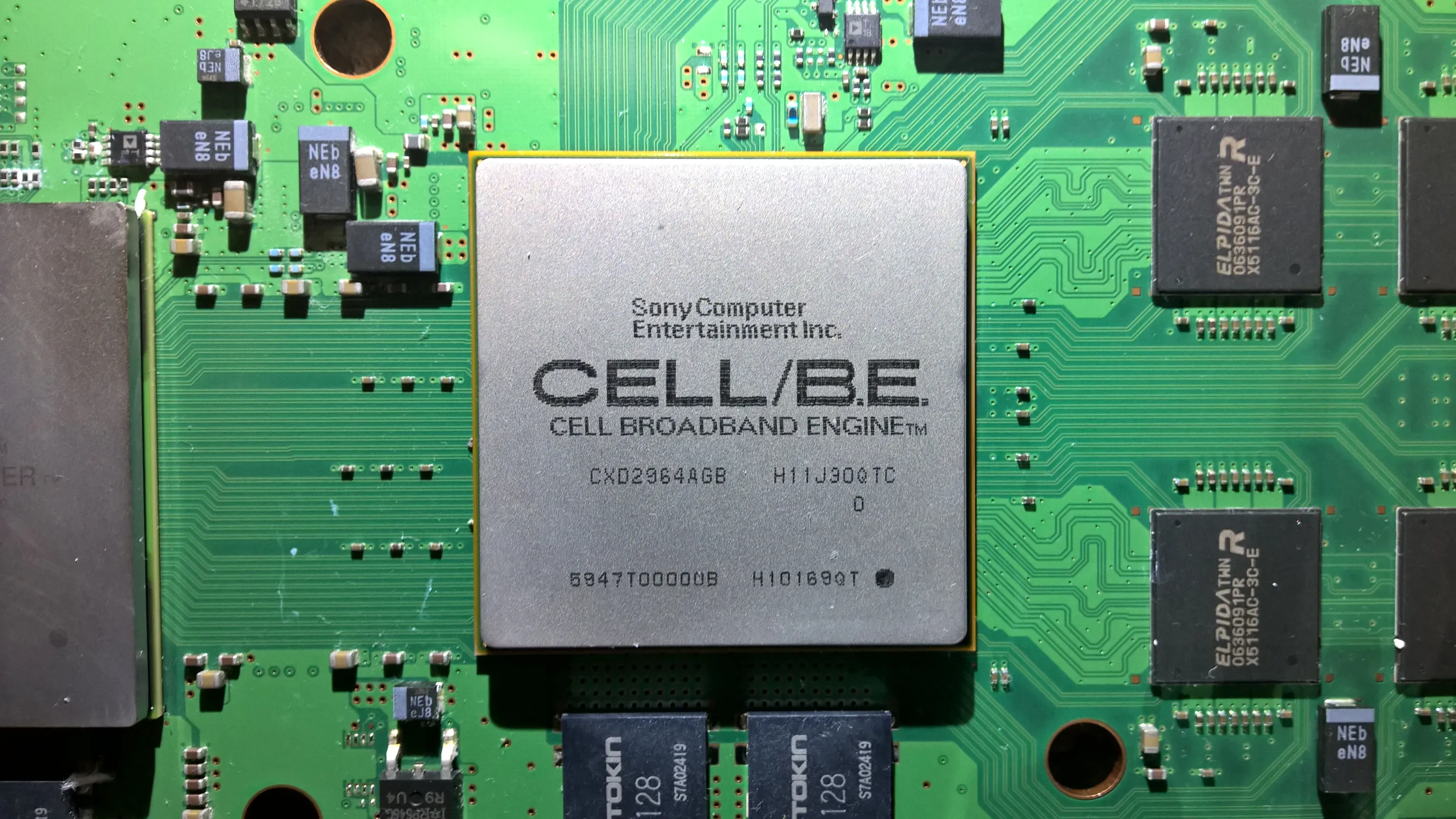
The article discusses how creative mapping of SIMD instructions from the PlayStation 3's Cell processor to x86 instructions like SSE and AVX can optimize emulation performance, highlighting the unique architecture of the Cell processor and its relevance to high-performance computing.
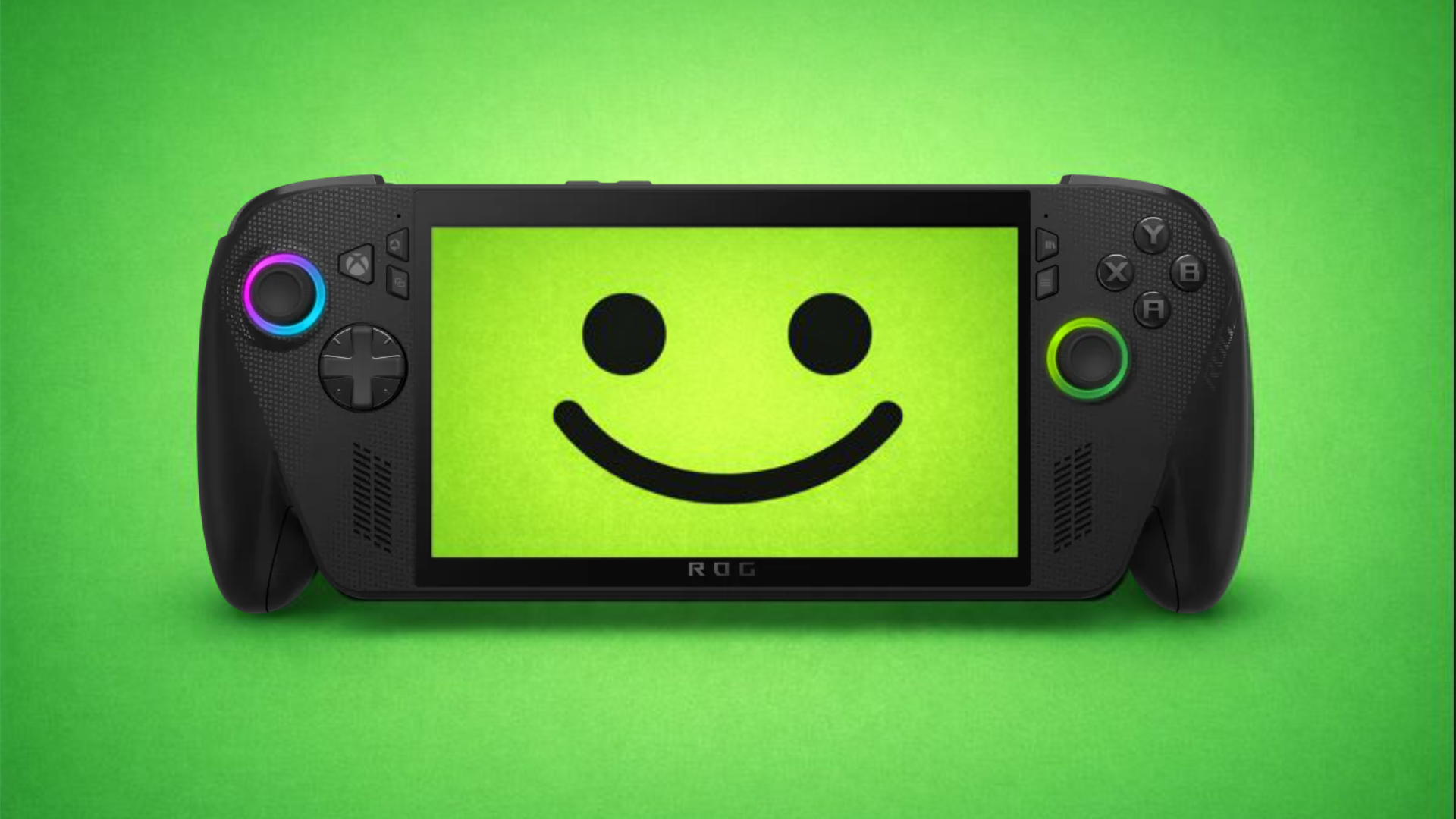
Disabling CPU Boost on handheld gaming PCs like Xbox Ally and ASUS ROG Ally can improve game performance, reduce heat, and extend battery life by preventing thermal throttling and inconsistent frame rates, especially in GPU-heavy titles. The process is simple through Armoury Crate SE, allowing users to toggle between raw speed and cooler, smoother gameplay based on their needs.
Mesa 26.0 NVK driver has received a performance improvement for NVIDIA GeForce RTX 20 'Turing' GPUs, specifically optimizing the NAK compiler to better utilize hardware capabilities, which could enhance gaming and compute workloads. Ongoing driver improvements promise further performance gains, with upcoming benchmarks expected to showcase these advancements.
AMD is seeking user performance logs on RDNA3/RDNA4 GPUs, including Strix Halo APU systems, to improve the performance of PyTorch, ComfyUI, and Stable Diffusion by optimizing relevant kernels and libraries.