Tag

Pine Island Glacier

All articles tagged with #pine island glacier

Antarctic Granite Giant Revealed Beneath Pine Island Glacier
science21 days ago

Antarctic Granite Giant Revealed Beneath Pine Island Glacier

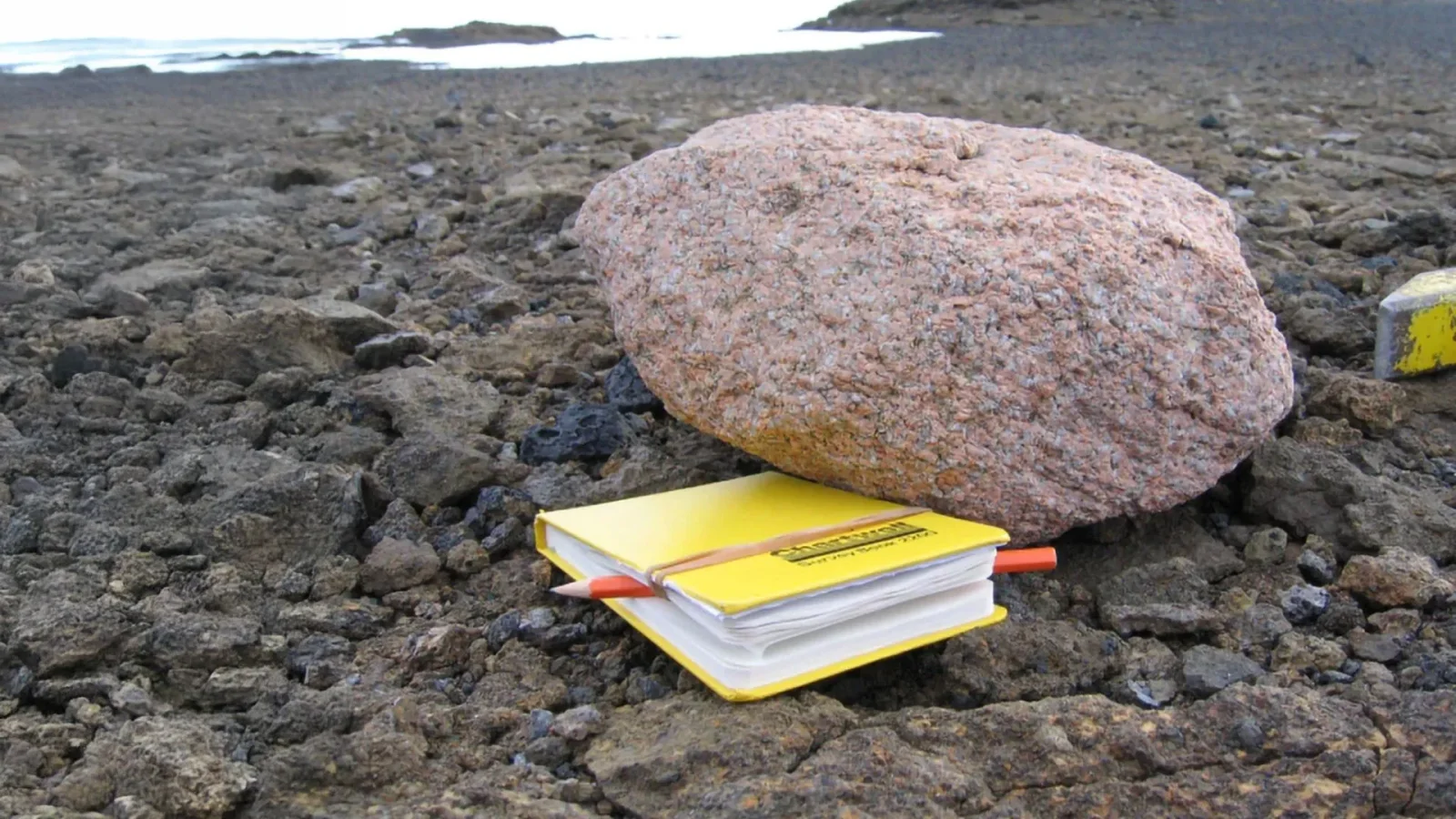
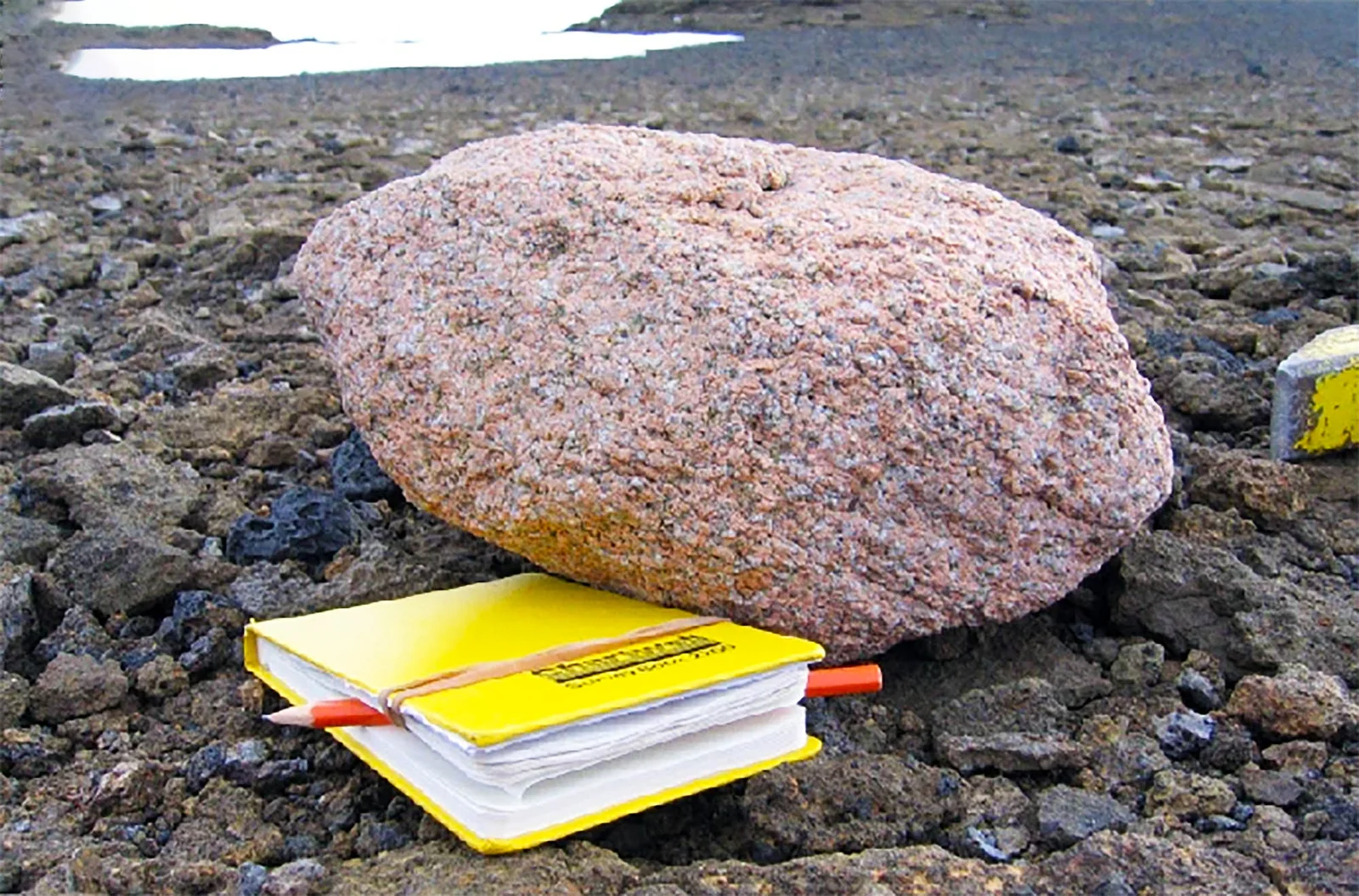
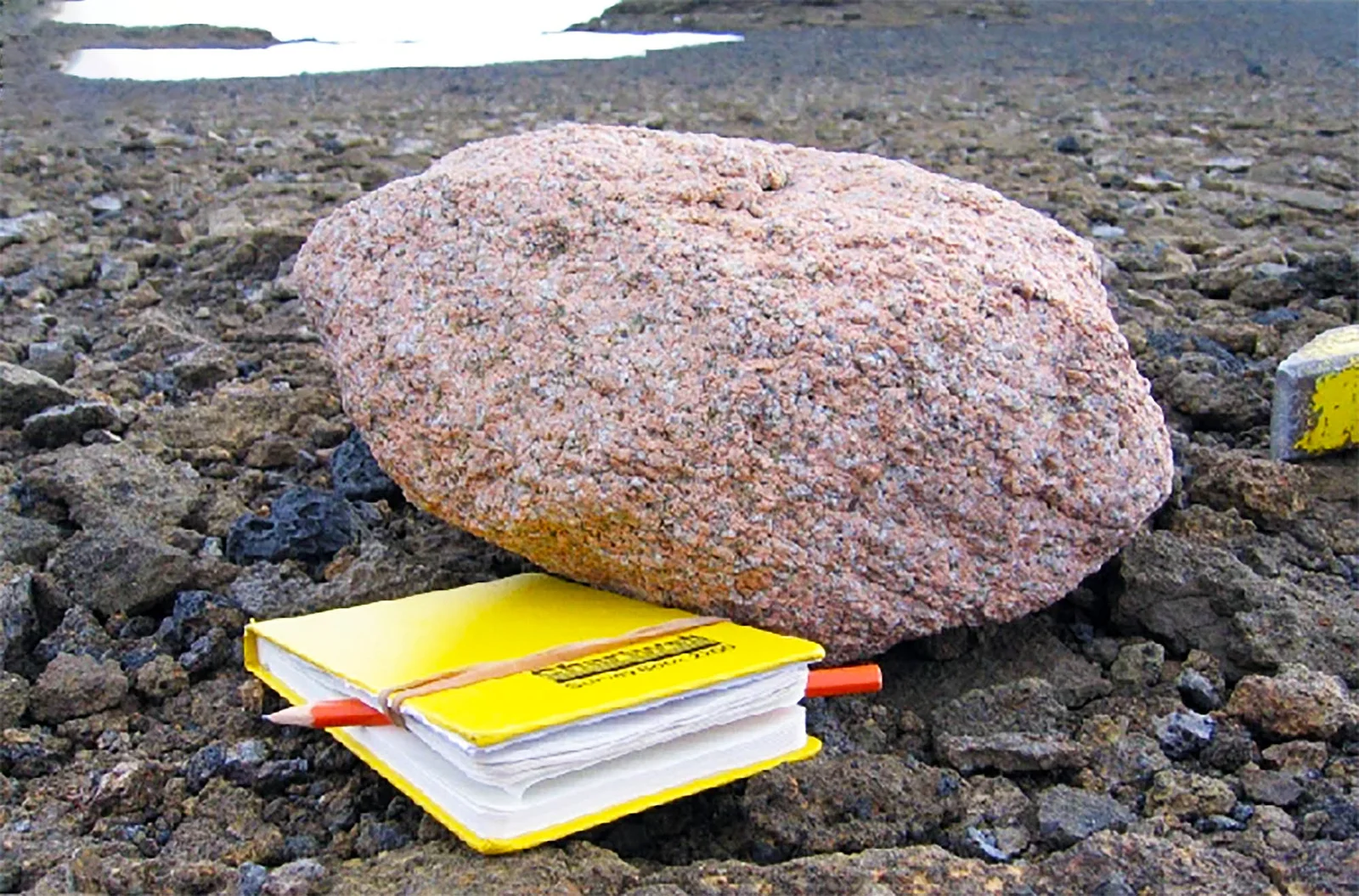
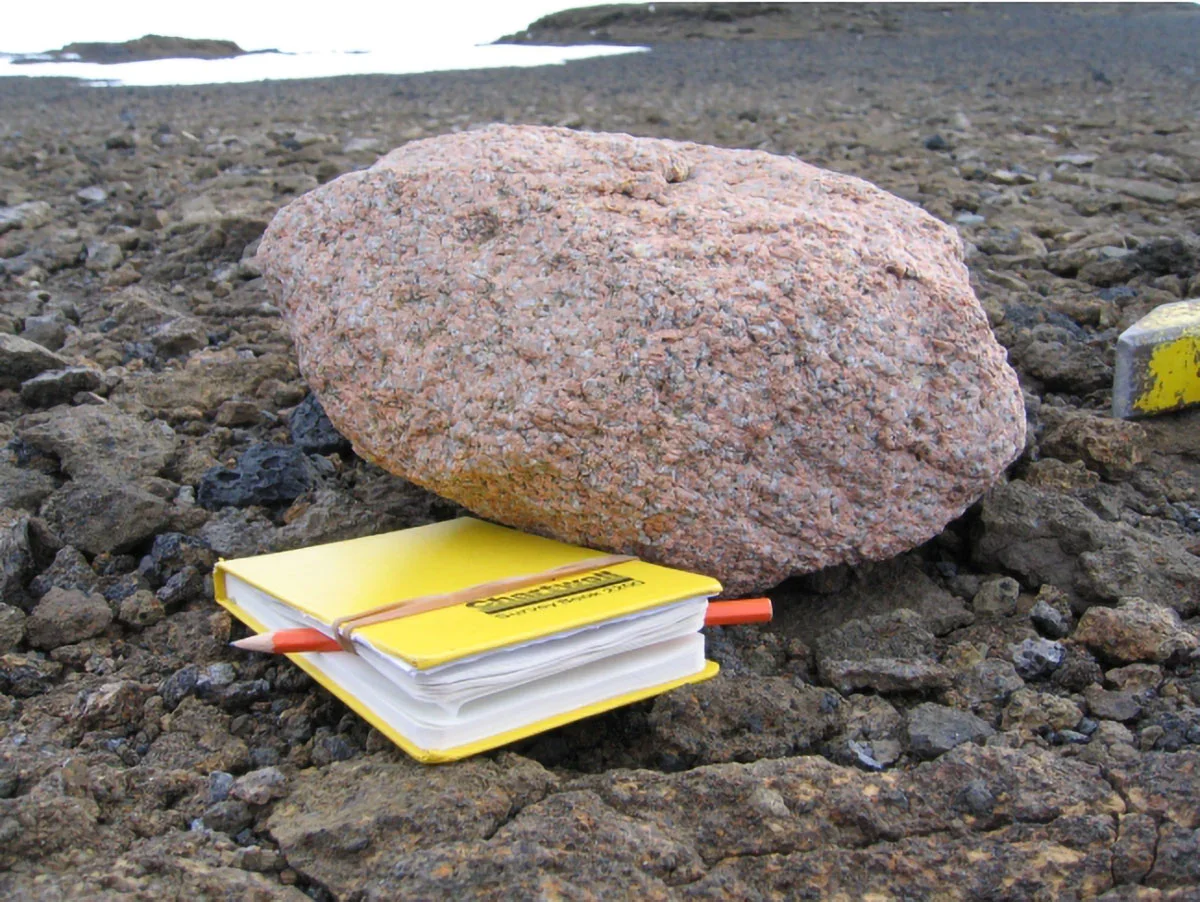
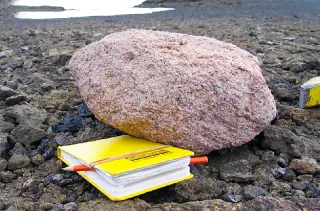
Researchers traced pink granite boulders on the Hudson Mountains to a hidden, roughly 100 km-wide and 7 km-thick granite body beneath Pine Island Glacier in West Antarctica. U-Pb zircon dating suggests the granite formed about 175 million years ago in the Jurassic, and airborne gravity surveys show a buried-granite density signature supporting the link. The discovery helps explain the past movement of the glacier and will improve models of West Antarctic Ice Sheet evolution and sea‑level rise.

Pink Antarctic Rocks Reveal Hidden Subglacial Giant
science23 days ago

Pink Antarctic Rocks Reveal Hidden Subglacial Giant

Bright pink granite boulders atop West Antarctica’s Hudson Mountains led scientists to discover a massive buried granite body beneath Pine Island Glacier, about 100 km wide and 7 km thick. Radiometric dating places the rocks at ~175 million years old (Jurassic). Airborne gravity data linked surface rocks to a deep underground formation, shedding light on past ice behavior and helping refine models of ice dynamics and sea-level rise in a warming world.

Antarctica sheds London-sized ice mass in 30 years, study finds
science1 month ago

Antarctica sheds London-sized ice mass in 30 years, study finds

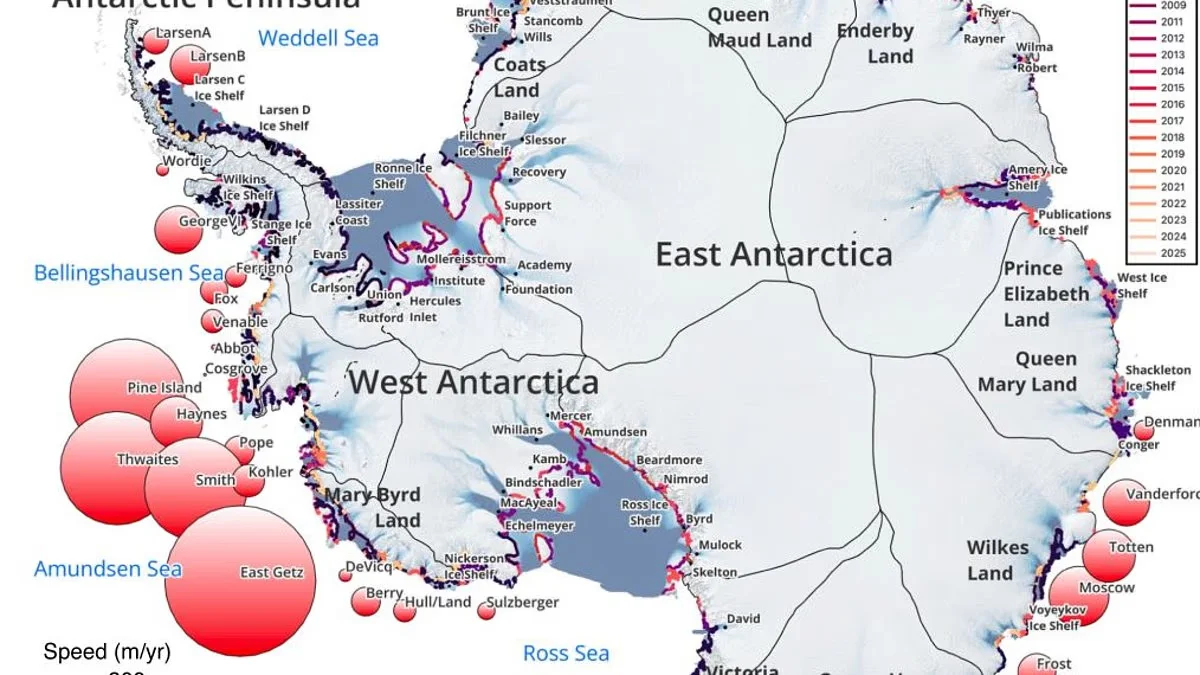
A satellite-based study shows Antarctica has lost ice covering an area eight times the size of Greater London in 30 years, driven by grounding-line migration concentrated in Western Antarctica and select East Antarctic regions. While 77% of the coast shows no grounding-line change since 1996, major glaciers such as Pine Island, Smith, and Thwaites have retreated by tens of kilometres, contributing to sea-level rise and underscoring the uneven nature of ice loss amid warming oceans.

Pink Rocks Uncover Hidden Giant Beneath Antarctic Ice
environment1 month ago

Pink Rocks Uncover Hidden Giant Beneath Antarctic Ice

Pink granite boulders on Antarctica’s Hudson Mountains led scientists to a vast, buried granite deposit beneath Pine Island Glacier—about 100 km wide and 7 km thick. Dating places the rocks at roughly 175 million years old, and gravity surveys reveal the hidden under-ice structure. The find helps explain how the ice sheet moved in the past and how it may respond to future sea-level changes, improving models of ice dynamics.

"Record-Breaking 80 MPH Fracture: Antarctic Glacier's Wake-Up Call"
science2 years ago

"Record-Breaking 80 MPH Fracture: Antarctic Glacier's Wake-Up Call"

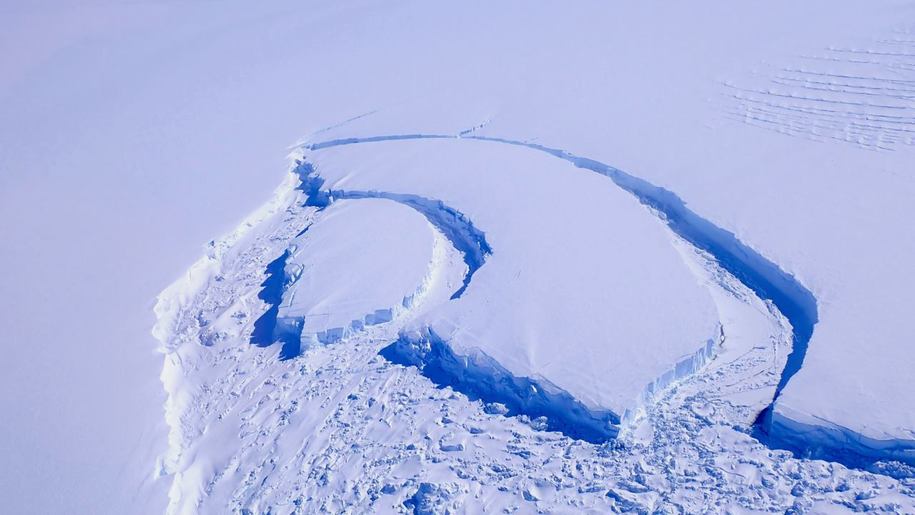
Scientists have discovered that a fracture at the Pine Island Glacier in Antarctica opened at a staggering speed of 80 miles per hour, shedding light on the rapid changes occurring in the region's ice shelves and the potential impact on sea level rise. This finding underscores the urgency of studying glacial dynamics and the need for further research to understand the implications for the stability of the Antarctic ice sheet.

"Study Confirms Irreversible Retreat of West Antarctica Glacier"
climate-change2 years ago

"Study Confirms Irreversible Retreat of West Antarctica Glacier"

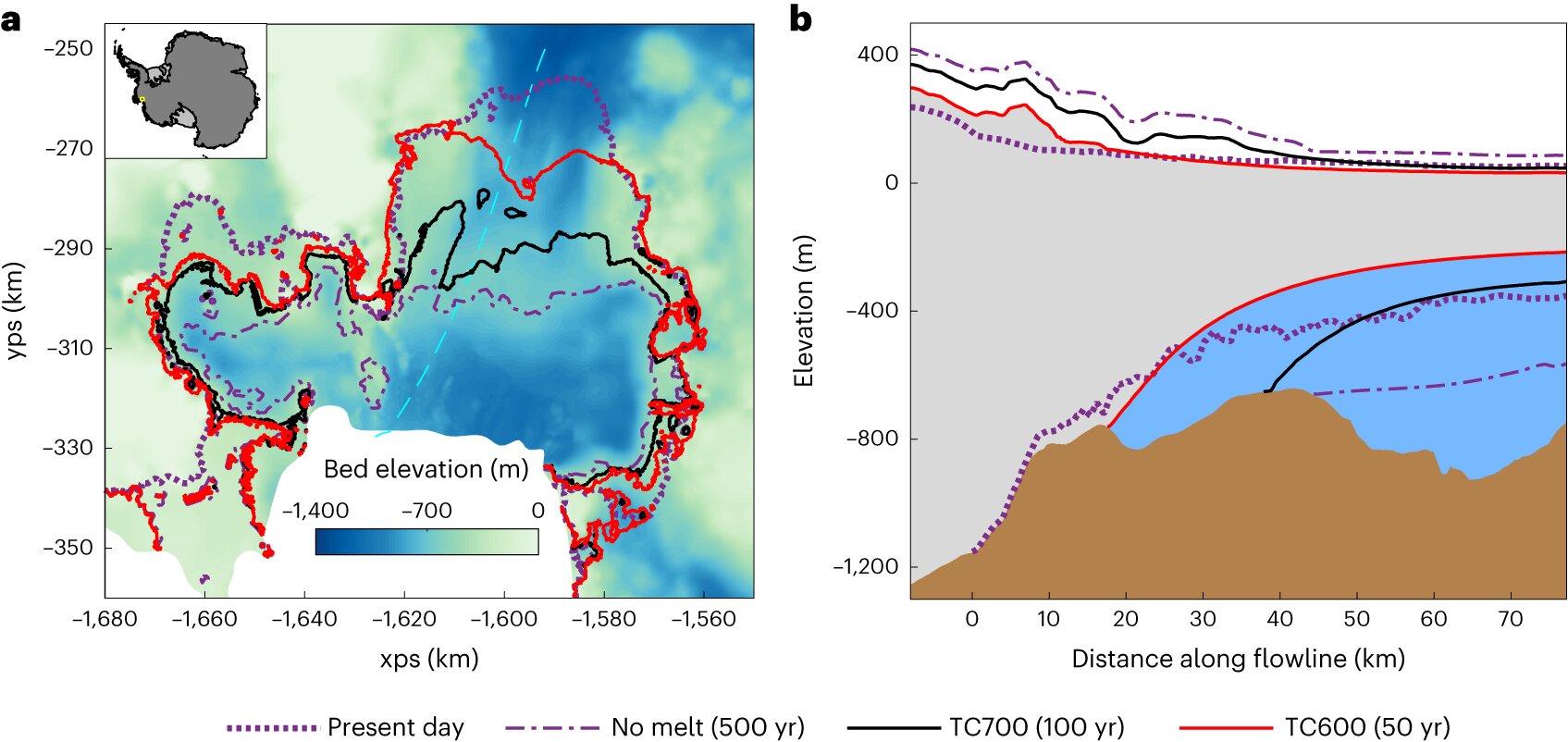
A new study reveals that Pine Island Glacier in West Antarctica experienced irreversible mass loss and retreat starting in the 1940s, triggered by a temporary increase in melting under its floating ice shelf. This accelerated retreat continued until the 1990s when the grounding line reached a shallow section of bedrock. The study suggests that if there is a significant increase in melting at the base of a glacier's floating ice shelf, it can retreat past a tipping point, making the loss of ice mass irreversible. The findings highlight the potential future collapse of West Antarctica and its implications for global sea level rise.

Antarctic Glacier's Tipping Point Triggers Sudden Collapse
climate-change2 years ago

Antarctic Glacier's Tipping Point Triggers Sudden Collapse

Pine Island Glacier in West Antarctica has experienced an irreversible retreat, passing a tipping point within the last 80 years, according to research published in Nature Climate Change. The glacier underwent a rapid, unstable retreat between the 1940s and 1970s, resulting in an irreversible loss of ice over several decades. This retreat is attributed to warm ocean temperatures causing melting beneath the glacier. The study warns that unless global warming is mitigated, the glacier is likely to enter periods of rapid retreat in the future.