Tag

Point Nemo

All articles tagged with #point nemo

SpaceX to build a one-use ISS deorbit vehicle to plunge the station into the Pacific
space15 days ago

SpaceX to build a one-use ISS deorbit vehicle to plunge the station into the Pacific

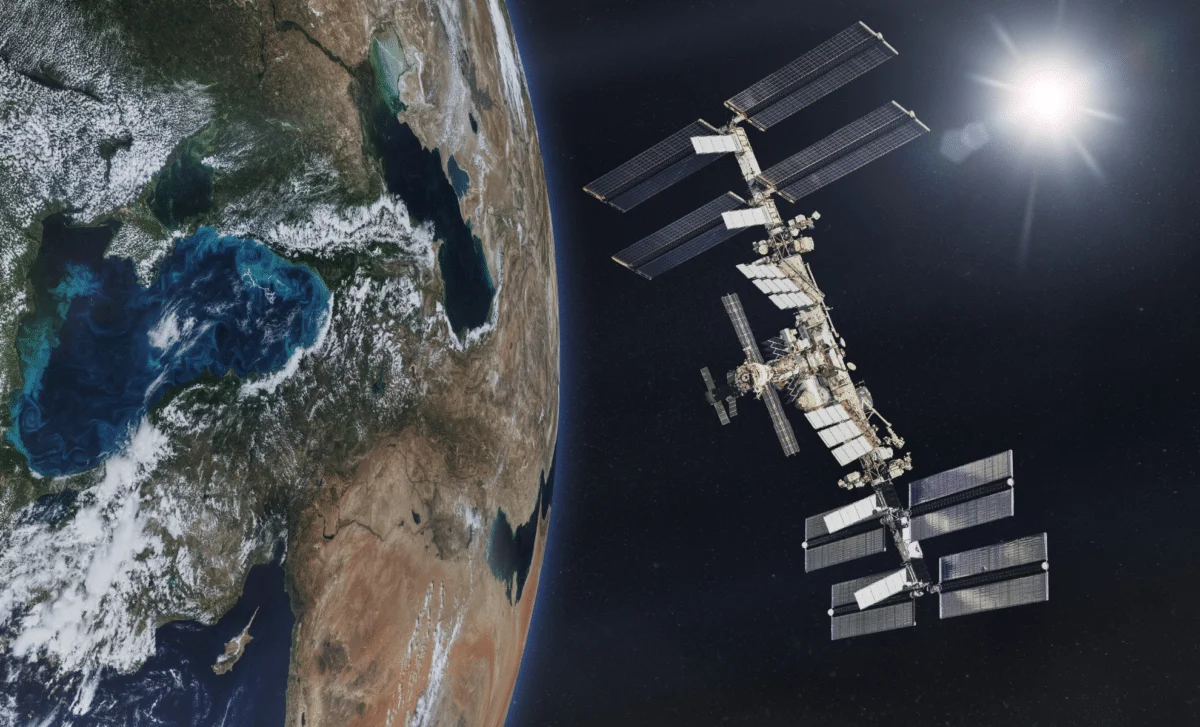
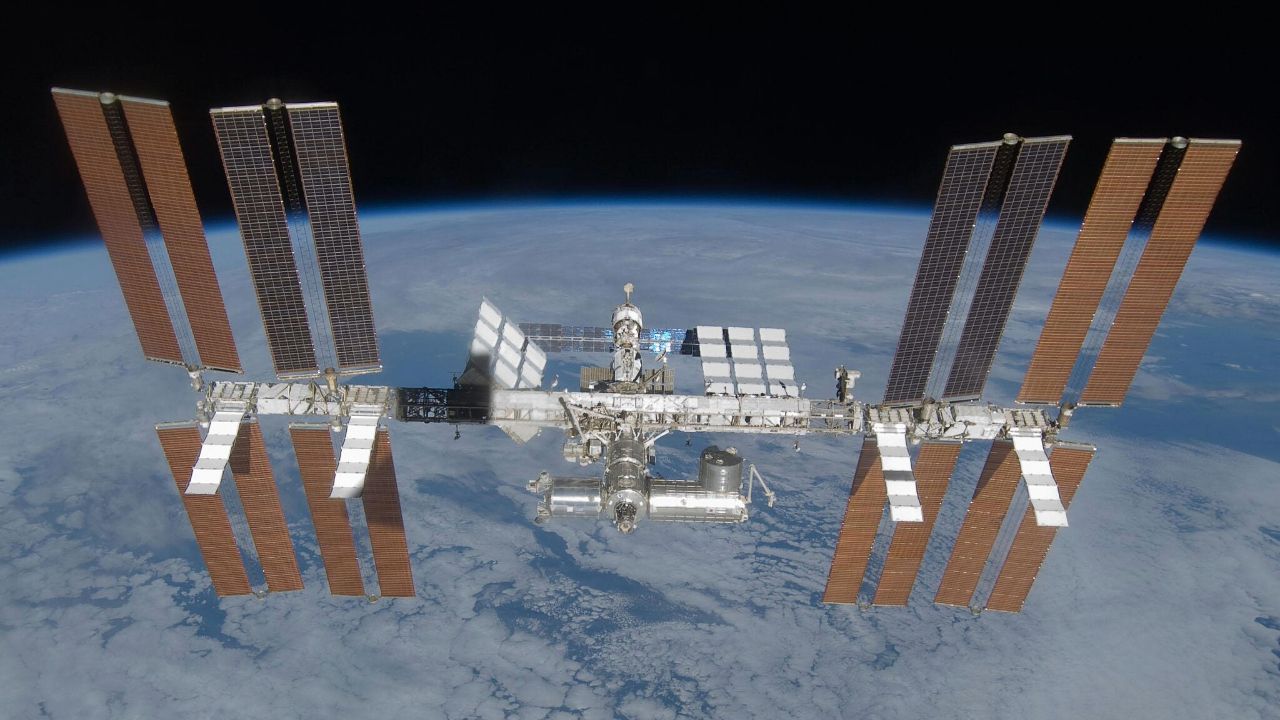
NASA awarded SpaceX up to $843 million to develop the U.S. Deorbit Vehicle, a heavily upgraded Dragon designed to dock with the ISS, burn for hours to push the 430-ton lab from its orbit, and guide it to a controlled reentry that ends with debris sinking in the remote South Pacific near Point Nemo around 2030. The mission is single-use and NASA will own and operate it; preserving or boosting the ISS to a higher orbit is considered impractical given its size, age, and complexity. The plan accompanies a broader shift toward private stations while ensuring U.S. presence in orbit, and involves launch, ground support, and international coordination.

NASA’s ISS deorbit plan triggers ocean-health warnings
space17 days ago

NASA’s ISS deorbit plan triggers ocean-health warnings

NASA plans to deorbit the International Space Station in the late 2020s by lowering it via atmospheric drag and a SpaceX-built US Deorbit Vehicle that will push the station toward Point Nemo in the South Pacific. A GAO report flags a potential gap in continuous human presence in low Earth orbit, while The Ocean Foundation warns the debris could threaten deep-sea ecosystems and urges environmental impact assessments and stronger international protections under UNCLOS, the London Protocol, and the BBNJ treaty.

ISS deorbit plan prompts ocean health and legal concerns
science17 days ago

ISS deorbit plan prompts ocean health and legal concerns

NASA plans to deorbit the International Space Station by 2031 and steer debris toward Point Nemo in the remote Pacific to minimize risk to people, but Ocean Foundation researchers warn this raises serious concerns for ocean health and highlights gaps in international law, including environmental-protection obligations for debris in areas beyond national jurisdiction. A GAO report also notes a potential gap in continuous human presence in low Earth orbit, underscoring the need for a full environmental impact assessment and transparency about materials that would reach the seafloor under UNCLOS/BBNJ provisions.

Point Nemo: The Ocean's Farthest Point Where Space Comes Close
space21 days ago

Point Nemo: The Ocean's Farthest Point Where Space Comes Close

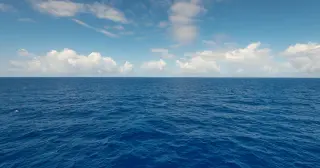
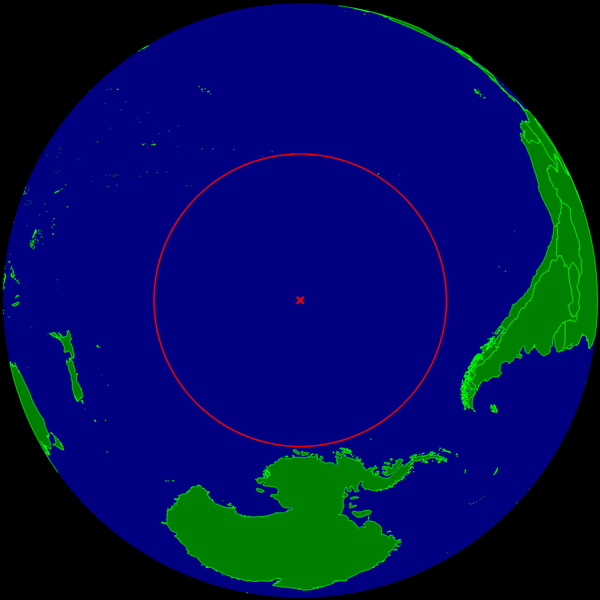
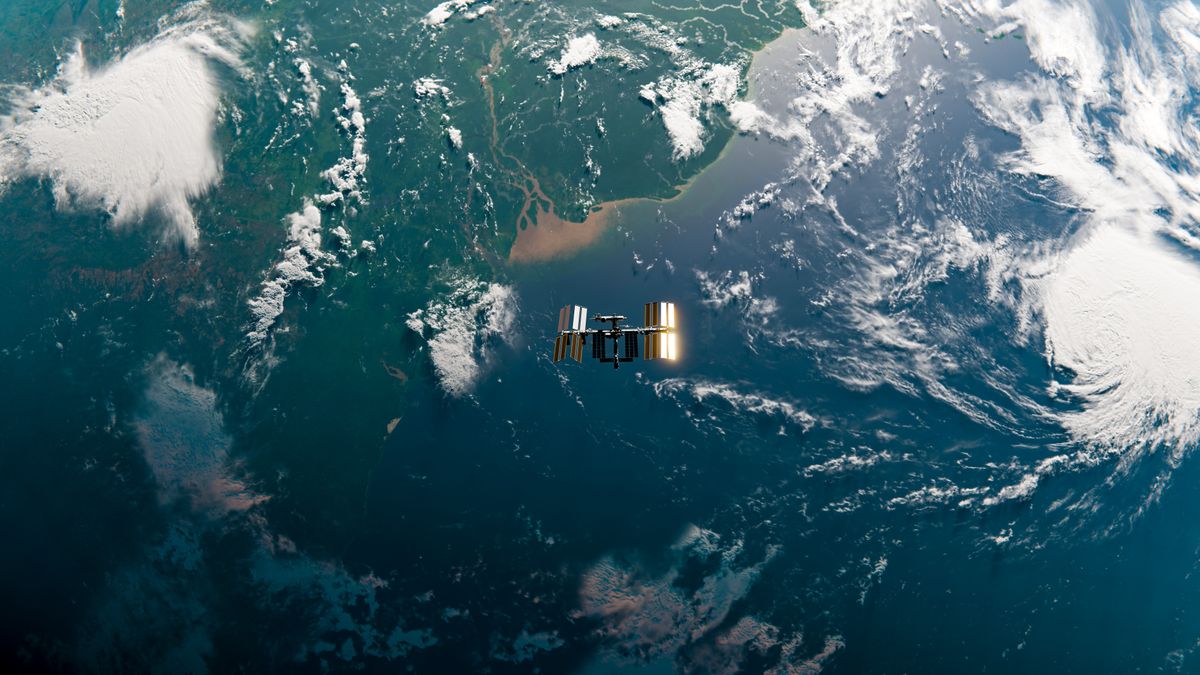
Point Nemo, the South Pacific's oceanic pole of inaccessibility, lies about 2,688 km from the nearest land, making it the most remote ocean spot; when the ISS passes overhead at ~400 km, the station's crew are often the closest humans to Nemo, and the area also serves as a disposal zone for deorbiting spacecraft, including Mir in 2001 and the planned 2030 end-of-life for the ISS.

Point Nemo: Earth’s Quiet Edge Between Land, Sea, and Space
science1 month ago

Point Nemo: Earth’s Quiet Edge Between Land, Sea, and Space

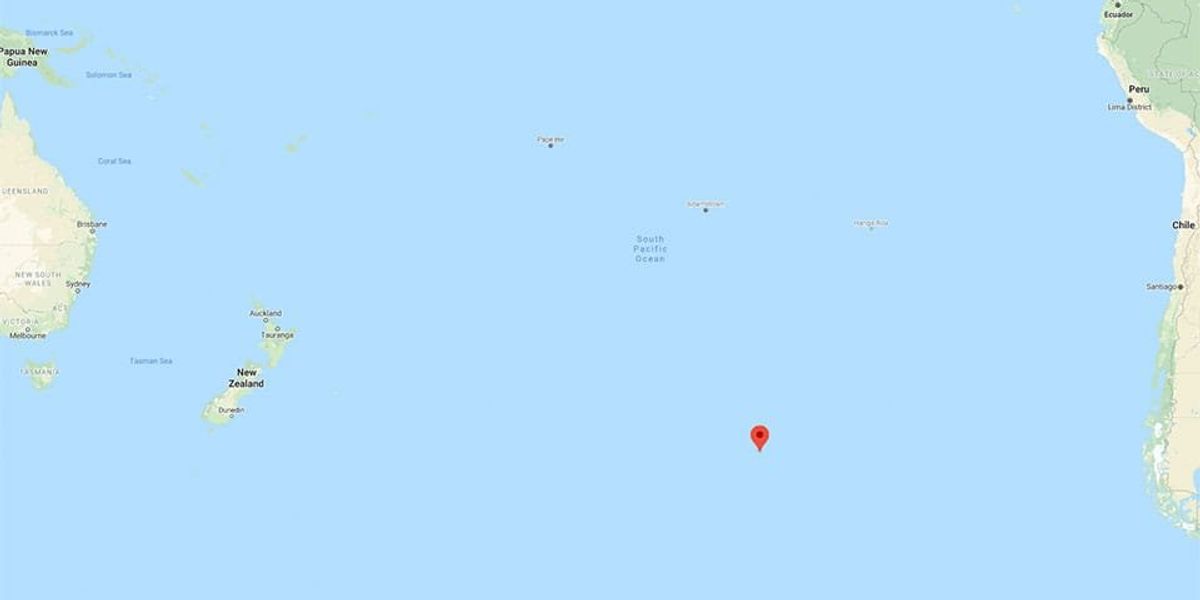
Point Nemo is the ocean’s most remote point in the South Pacific at 48°52.6′S 123°23.6′W, equidistant from Ducie Island, Motu Nui, and Maher Island, making it unreachable by land humans; astronauts on the International Space Station may be closer to Nemo than people on shore, and the surrounding area—the South Pacific Ocean Uninhabited Area—has served as a spacecraft disposal zone since 1971, with the ISS expected to end its life there as the largest controlled deorbit.

Point Nemo: The South Pacific Spacecraft Cemetery and the ISS Deorbit Plan
space1 month ago

Point Nemo: The South Pacific Spacecraft Cemetery and the ISS Deorbit Plan

Point Nemo in the South Pacific is the oceanic pole of inaccessibility—the farthest point from land—and serves as the spacecraft cemetery for controlled deorbiting. NASA plans to retire the ISS around 2030 using a dedicated deorbit vehicle to steer wreckage into this remote, international-water zone, though timing and environmental impacts remain under discussion.

ISS to Enter the Pacific Space Cemetery in 2030
space5 months ago

ISS to Enter the Pacific Space Cemetery in 2030

NASA plans a late-2030 controlled deorbit of the International Space Station, guiding it to Point Nemo in the South Pacific—the farthest place from land—to minimize debris risks; breakup will occur in stages, with most of the station burning up on reentry and only a few dense components likely to splash down in the uninhabited ocean region, marking the largest controlled deorbit to date.

"Scientists Detect Strange Ultra-Low-Frequency Sound in Earth's Most Remote Point"
nature2 years ago

"Scientists Detect Strange Ultra-Low-Frequency Sound in Earth's Most Remote Point"

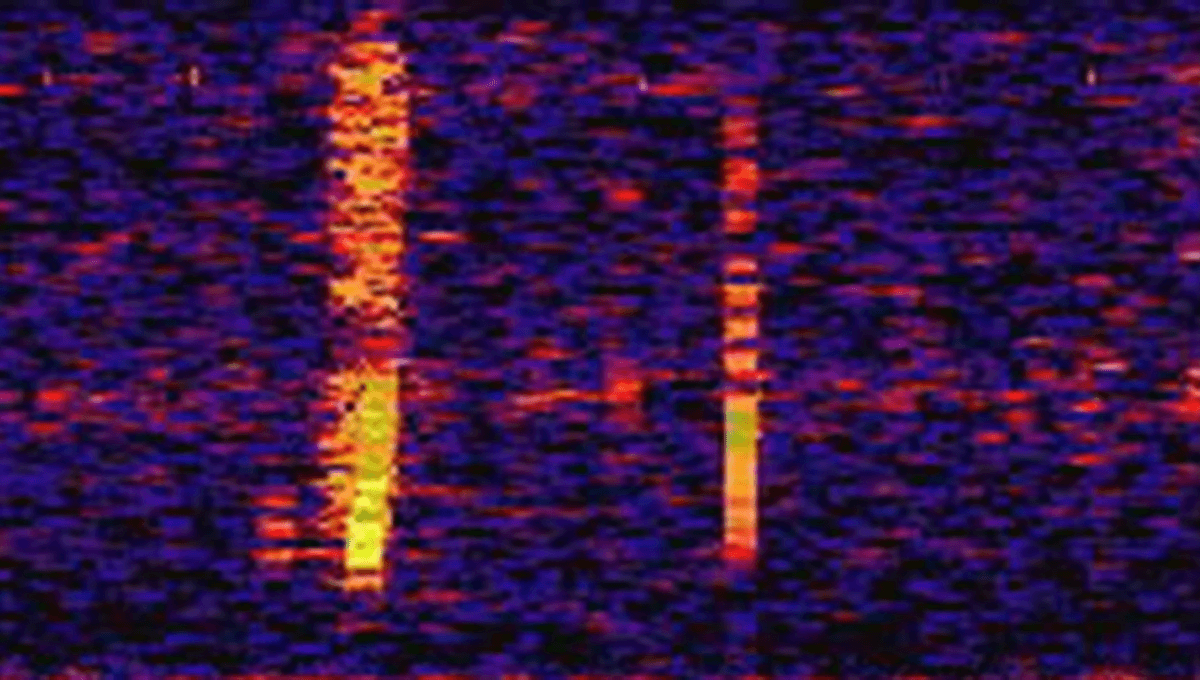
In the remote Point Nemo in the Pacific Ocean, scientists detected a mysterious ultra-low-frequency sound in 1997, speculated to be from a giant underwater creature. However, NOAA Oceanographer Chris Fox suggested that the sound, known as the "bloop," was likely caused by ice calving off the coast of Antarctica. Similar sounds have been detected before and were attributed to icequakes generated by large icebergs cracking and fracturing, rather than unknown marine animals.

"Unusual Occurrences at Point Nemo: Earth's Most Remote Location"
science-and-exploration2 years ago

"Unusual Occurrences at Point Nemo: Earth's Most Remote Location"

Point Nemo, located in the South Pacific, is the remotest place on Earth, farthest from any land. It serves as a "Spacecraft Cemetery" for the controlled descent of decommissioned space vessels. The area's eerie reputation is furthered by its proximity to the fictional city of R'lyeh from H.P. Lovecraft's works and the mysterious Bloop sound, potentially linked to an unknown underwater creature.

"Point Nemo: Earth's Most Isolated Location, Nearest Humans in Space"
geographyspace2 years ago

"Point Nemo: Earth's Most Isolated Location, Nearest Humans in Space"

Point Nemo, located in the South Pacific Ocean, is considered the most remote place on Earth, with the nearest humans potentially being on the International Space Station. It serves as a space cemetery, where discarded spacecraft and satellites crash into the ocean. Despite being uninhabitable, the location preserves space debris in pristine condition, making it a potential site for future scientific study.

"Point Nemo: The Final Resting Place for the ISS and Satellites"
science-and-technology2 years ago

"Point Nemo: The Final Resting Place for the ISS and Satellites"

Point Nemo, also known as the "pole of inaccessibility," is a remote location in the Pacific Ocean where retired spacecraft, including satellites and space stations, are intentionally sunk. The International Space Station (ISS) is set to join the satellite graveyard in 2031. Sinking spacecraft into the ocean is done to prevent the accumulation of space debris in Earth's orbit, which poses a collision risk. Point Nemo is chosen due to its remoteness and wide area for safe landings. However, concerns about ocean pollution and the potential release of pollutants during re-entry have raised questions about the safety and environmental impact of this practice.

"Point Nemo: The Final Resting Place for the ISS and Satellites"
science-and-technology2 years ago

"Point Nemo: The Final Resting Place for the ISS and Satellites"

Point Nemo, also known as the "loneliest place on earth," is a remote location in the Pacific Ocean where retired spacecraft, including the International Space Station (ISS), are sent to be sunk. With the increasing risk of collisions in space due to the growing amount of space debris, sinking spacecraft into the ocean has become a safer alternative. Point Nemo's remoteness and uninterrupted stretch of ocean make it an ideal site for this purpose. However, concerns about ocean pollution and the potential environmental impact of sinking metal debris remain.

"International Space Station's Final Resting Place: Point Nemo, the World's Spaceship Graveyard"
science-and-technology2 years ago

"International Space Station's Final Resting Place: Point Nemo, the World's Spaceship Graveyard"

The International Space Station (ISS) is set to be retired in 2030 and will be intentionally crashed into the Pacific Ocean at Point Nemo, the world's spaceship graveyard. Point Nemo, also known as the oceanic pole of inaccessibility, is the most remote location on Earth, reducing the risk of any surviving debris striking people or property. Space agencies have been dumping space junk in this area since 1971. The ISS will undergo a controlled deorbit process, with its orbit naturally decaying and intentional maneuvers to lower its altitude. A bespoke spacecraft will then perform a final burn to push the station into a controlled reentry path over Point Nemo. The station is expected to break up in stages, with some heat-resistant components surviving the reentry and sinking into the ocean.