
Puberty Hormones Likely Drive the Shift from Blond to Dark Hair in Children
Blond hair often darkens during puberty due to hormonal changes that increase eumelanin production, though the specific genetic mechanisms remain unclear.

All articles tagged with #puberty
Blond hair often darkens during puberty due to hormonal changes that increase eumelanin production, though the specific genetic mechanisms remain unclear.
A Danish study (COPANA) tracked 302 girls from infancy to adolescence and found that prenatal exposure to paracetamol (Tylenol) was associated with smaller ovaries and uteruses and changes in ovarian activity markers (AMH) in infancy, with similar patterns seen in an independent cohort. Researchers caution that the findings do not prove causation and long-term fertility implications remain unclear, suggesting close monitoring of paracetamol use during pregnancy.

A large longitudinal study of over 5,400 girls from the ABCD project finds that rising testosterone between ages 10–12 strongly predicts later anxiety and depressive symptoms, independent of visible puberty changes; early DHEA spikes (by age 9) and a later estrogen increase may modulate mood, suggesting an 10–12 year window for proactive emotional support to curb mental-health risks.

A longitudinal study of nearly 10,000 children starting at age 9 found that household and neighborhood disadvantage predicted earlier pubertal onset in both sexes, but in girls this earlier puberty partly explained later anxiety, behavioral issues, and lower grades by age 12; boys showed earlier puberty without the same outcome link, and puberty tempo slowed later, complicating the association. The researchers note small effect sizes but potential population-level impact and call for earlier-starting research.

A study of 1,286 people aged 8–100 using MRI finds sex differences in brain connectivity are minimal in early life but widen at puberty and persist into adulthood, in both structural and functional networks. The timing roughly tracks sex-hormone changes and may relate to differing risks of mental-health disorders between men and women. The work is a bioRxiv preprint and relies on birth sex data; some scientists caution that differences may reflect gender roles or a mosaic of brain features rather than a binary sex, so conclusions are preliminary.

Finn Wolfhard hosted Saturday Night Live and joked about growing up since Stranger Things began, noting he was 12 when the show aired and quipping about puberty and his first on-camera kiss. He and co-stars Gaten Matarazzo and Caleb McLaughlin nodded to shedding child-star status, sharing a toast as Wolfhard mock-spits out an alcoholic drink saying it’s “too spicy,” signaling they’re now adults.

Babies grow faster than teenagers, with some infants adding nearly a foot of height per year, making early childhood the fastest growth period in humans, while teenage growth spurts are significant but second in speed.

Anthony Michael Hall recalls being teased by Chevy Chase about his puberty during the filming of 'National Lampoon's Vacation,' highlighting a humorous and memorable moment from the cast reunion, while also reflecting on his early career and the film's legacy.

Comedian Matt Rife has addressed rumors of undergoing plastic surgery, attributing his changed appearance to late-onset puberty. In his memoir "Your Mom’s Gonna Love Me," Rife explains that his facial features became more prominent and he grew taller over a few months, leading to speculation about surgery. He criticizes doctors who speculate about his appearance online and discusses the challenges of being perceived as attractive, including struggles with anxiety and depression.

Comedian Matt Rife has addressed rumors about his sudden change in appearance, attributing it to a late puberty rather than plastic surgery. In his new book, Rife humorously claims that puberty hit him late, transforming his features and sparking speculation. He also discussed how his looks have impacted his career, suggesting that being attractive can be a disadvantage in comedy. Recently, Rife debuted a new blond hairstyle, drawing mixed reactions and comparisons to various celebrities.
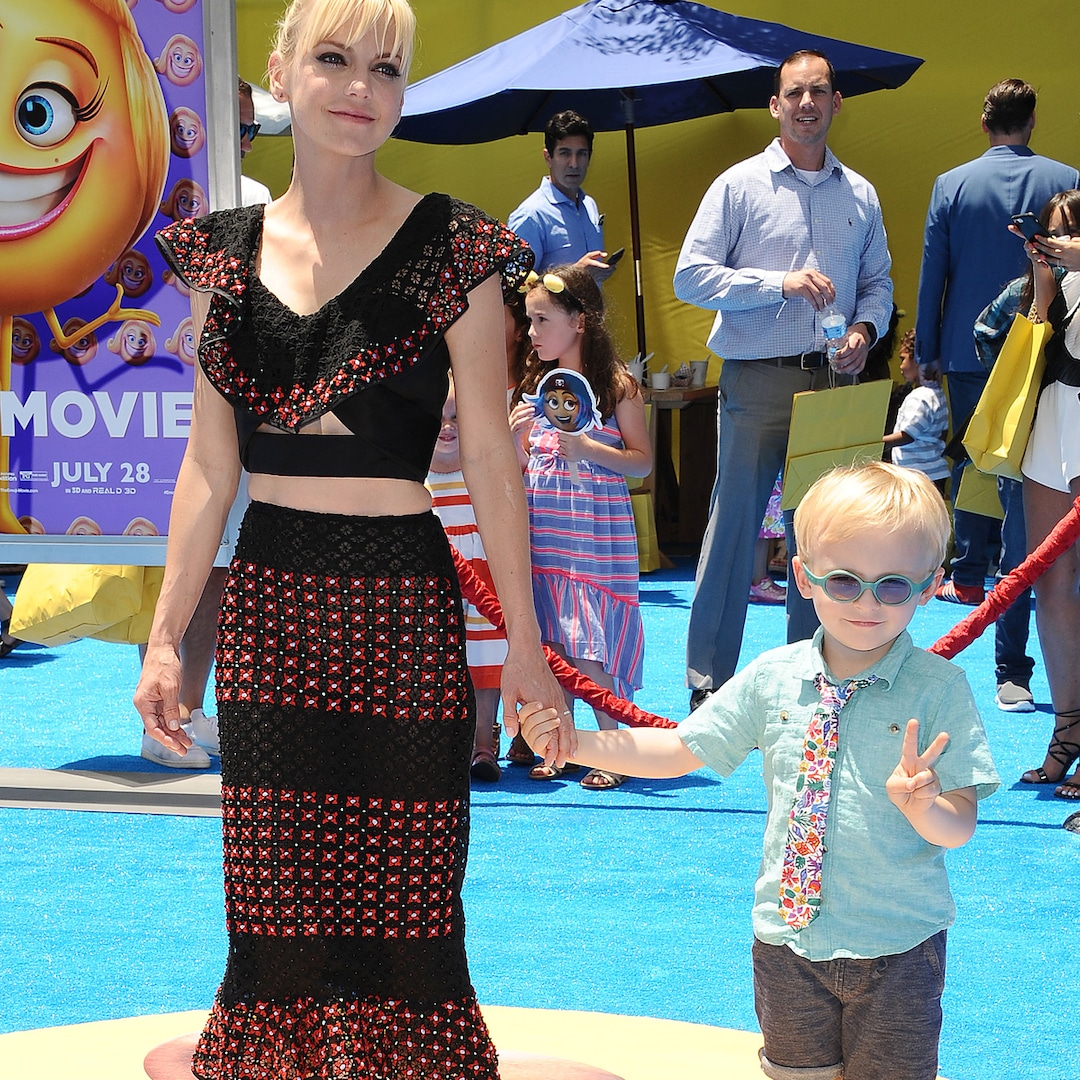
Anna Faris shared that her 11-year-old son Jack, whom she co-parents with ex Chris Pratt, is starting puberty and recently found an armpit hair. She discussed the challenges and joys of parenting a preteen, reminiscing about his younger years and sharing her experiences as a stepmom to her husband Michael Barrett's older children.

A study reveals that US girls exposed to high levels of PM2.5 air pollution are experiencing their first periods earlier, a trend also observed globally. This early onset of puberty, particularly pronounced in lower socioeconomic and ethnic minority groups, is linked to long-term health risks such as reproductive cancers, metabolic syndromes, and cardiovascular diseases. Researchers suggest that exposure to pollutants like PM2.5 disrupts hormonal processes, accelerating puberty. The phenomenon is multifactorial, involving environmental chemicals, obesity, and psychosocial factors.

A new study reveals that American girls are reaching puberty earlier, with significant long-term health risks such as cardiovascular disease, infertility, mood disorders, and cancers. The trend is partly attributed to higher body mass index and environmental factors like hormone-disrupting chemicals and stress. The study also highlights racial and socioeconomic disparities, with girls of color starting menstruation earlier than their white peers. Parents are advised to seek medical evaluation for early puberty signs and promote a healthy diet and lifestyle for their children.

A new study published in JAMA Network Open reveals that girls in the U.S. are experiencing their first periods earlier over the past 50 years, with significant trends among Black, Hispanic, Asian, and mixed-race participants, and those of lower socioeconomic status. The study, involving over 71,000 participants, found that the average age of menarche has decreased from 12.5 years to 11.9 years. Early menarche is linked to various health and psychosocial issues, and factors such as better nutrition, higher body fat percentage, and exposure to endocrine-disrupting chemicals may contribute to this trend.

Puberty is starting earlier than expected, with girls showing signs at 8-9 and boys at 9-10. Moodiness is a key indicator, with girls often displaying emotions openly and boys becoming quieter or angrier. It's important for parents to understand that these mood swings are driven by hormones and to provide support and guidance. Distinguishing between puberty-related mood swings and mental health struggles can be challenging, but persistence, intensity, and other changes can provide clues. Parents should model calm behavior, acknowledge their own mistakes, and create a connection with their kids during this challenging time.