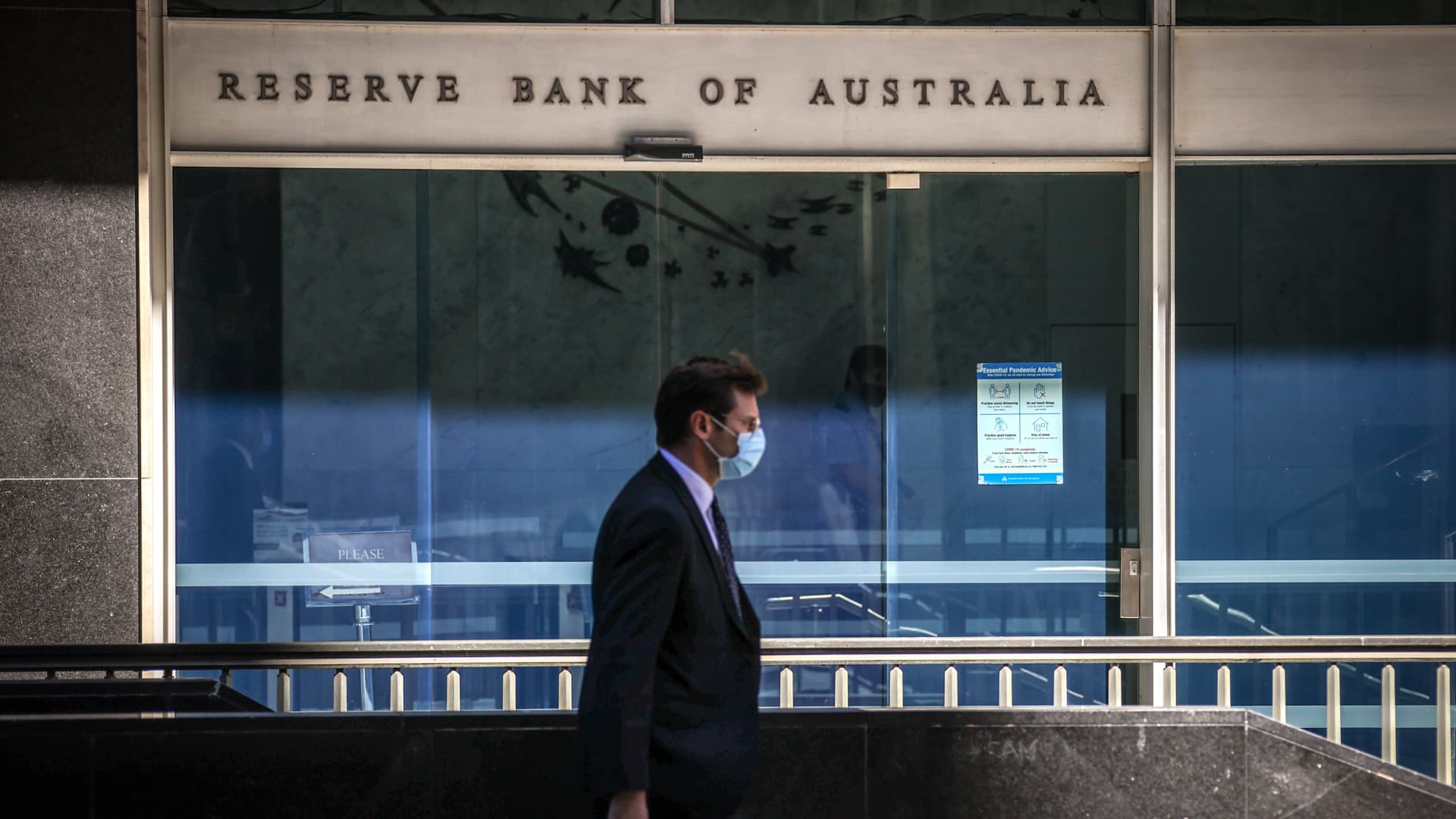
Asian equities declined on Tuesday as investors digested Apple’s disappointing holiday guidance and prepared for U.S. midterm elections. The Reserve Bank of Australia raised rates to an 18-year high to combat inflation, while geopolitical tensions in the Middle East added uncertainty to oil markets.
Australia's economy expanded 2.1% year-on-year in the second quarter, exceeding the 1.8% consensus estimate. Quarterly growth of 0.4% also surpassed expectations, driven by mining exports and private demand despite subdued household spending. The stronger-than-expected data provides the Reserve Bank of Australia with justification to pursue further interest rate hikes to combat persistent inflation, which reached 3.5% in July against a 3.3% forecast.
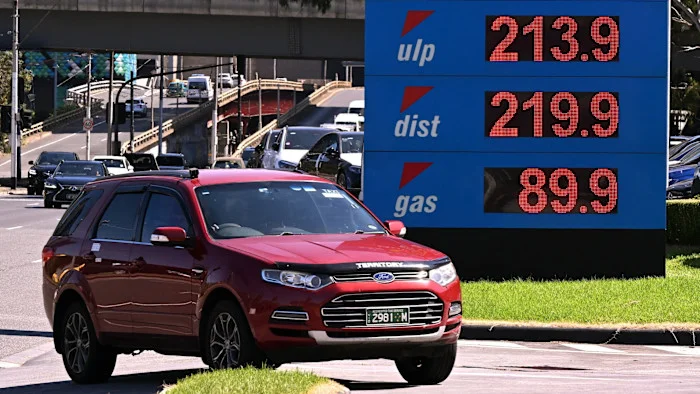
Australia’s Reserve Bank raised rates by 25 basis points to 4.1%—the second hike in as many months—citing higher fuel costs tied to Middle East disruption and firmer inflation expectations; the move tightens policy ahead of a week when the BoE, Fed, ECB and BoJ are expected to hold rates, with domestic inflation around 3.8% in January and growth uncertainty.
The Reserve Bank of Australia’s February 2026 Monetary Policy Statement says growth and inflation have been stronger than expected, inflation is broadly based and higher due to capacity constraints, and the inflation outlook has been revised higher, indicating inflation will likely remain above the target for some time. The labour market remains a little tight as demand momentum persists, signaling a cautious policy stance ahead.
China and Hong Kong stocks surged over 3% amid measures to support markets, while most Asia-Pacific markets declined; Australia's retail sales inched up in the fourth quarter of 2023; a fund manager remains bullish on two banks despite recent volatility; the Reserve Bank of Australia is expected to hold rates with no dovish pivot anticipated; Japan's household spending fell more than expected in December, impacting monetary policy considerations for the Bank of Japan.
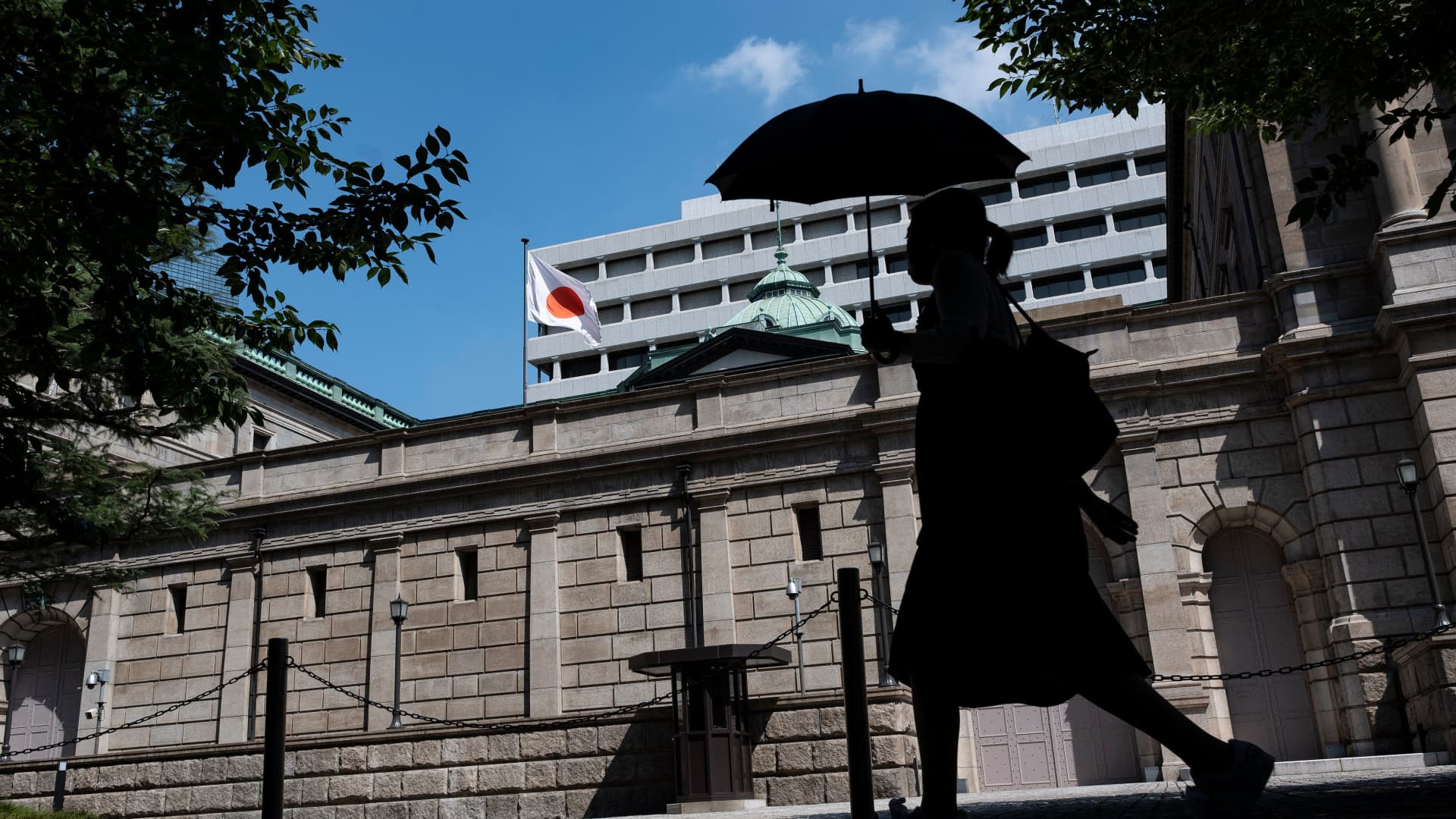
Asia-Pacific markets were mixed as investors reacted to the Bank of Japan's decision to keep its monetary policy unchanged, maintaining a negative interest rate of -0.1% and its yield curve control policy. The yen weakened against the dollar after the announcement. Meanwhile, the Reserve Bank of Australia considered raising rates but ultimately decided to hold them steady at 4.35%. In other news, Nippon Steel's shares fell after announcing a deal to acquire U.S. Steel, and oil prices rose due to shipping disruptions in the Red Sea. Additionally, a Chicago Fed official expressed confusion over the market's reaction to the central bank's recent update, and Bernstein warned that tech stocks could face increased pressure in 2024.
The Reserve Bank of Australia is expected to raise its cash rate by 25 basis points, but there are some analysts who believe it could be a close call. Factors supporting a hold include past complacency by the RBA, the recent inflation increase not being significant enough, and the delayed impact of previous rate hikes on the real economy. However, the majority of analysts predict a rate hike due to the strong Q3 CPI print and the RBA's goal of bringing inflation under control. The RBA's decision will be announced later today.
Hong Kong stocks fell about 3%, leading wider losses in the Asia-Pacific region as investors await a rate decision by the Reserve Bank of Australia. The RBA is expected to maintain a hawkish stance and keep rates unchanged at 4.10%. Meanwhile, Goldman Sachs predicts that shares in a European delivery company will double in the next 12 months, a portfolio manager names five discounted global stocks to buy, and a value investor sees a cheap investment opportunity in a wealth manager's stock. The World Bank forecasts sustained growth but slowing momentum in the Asia-Pacific region, and Bitcoin rises to its highest level since August. Additionally, gold and silver prices drop to their lowest levels since March.
The Reserve Bank of Australia has decided to keep interest rates unchanged at 4.1% for a second consecutive month, providing relief for mortgage holders while allowing the central bank to assess the impact of previous rate hikes. Inflation in Australia has slowed to 6% in the second quarter but remains above the RBA's target range of 2% to 3%. The central bank has raised rates by a total of 400 basis points since May 2021, aiming to address surging inflation. Governor Philip Lowe stated that the higher rates are working to establish a more sustainable balance between supply and demand in the economy.
China's trade data for May showed a bigger-than-expected drop in exports, fueling speculation of policy stimulus measures from Beijing. The Reserve Bank of Australia's surprise rate hike and hawkish messaging on Tuesday continue to reverberate, raising speculation that the Bank of Canada might similarly defy poll forecasts by resuming rate hikes later on Wednesday. Bitcoin reversed much of Tuesday's sharp drop on a flight to quality in the crypto space following a widening U.S. crackdown on exchanges and smaller coins.
Australia's GDP expanded by 2.3% YoY in Q1 2022, slightly below analyst expectations, with private and public gross fixed capital formation being the main drivers of growth. The GDP readings are crucial to the Reserve Bank of Australia's decision-making process for its monetary policy. The RBA raised its benchmark policy rate to 4.1%, an 11-year high, on Tuesday, and Governor Philip Lowe reiterated his position that the central bank will seek to navigate a "narrow path" to preserve labor market improvement and return inflation to its target range.
The Reserve Bank of Australia (RBA) has raised its cash rate by 25 basis points to 4.1%, the highest since April 2012, and put more hikes on the table. The RBA is getting nervous about inflation expectations becoming unanchored and surging labor costs that aren’t matched by productivity gains. The RBA's hawkishness surprised observers who had counted on a re-pause. The ASX 200 stock index dropped 1.2% in a mini rug-pull, and the Australian dollar rose by 0.7% against the USD.
The Reserve Bank of Australia has raised its benchmark rate by 25 basis points to 4.1%, defying market expectations of a hold. The move comes as the central bank grapples with the latest inflation rate of 7% for the March quarter, with Governor Philip Lowe stating that while inflation may have "passed its peak," there are still indicators showing inflation persisting. The central bank's target for inflation is a range between 2% to 3%, and further rate hikes may be required to bring down the nation's inflation rate.
Asia markets are mixed as Wall Street marks a four-day losing streak on banking woes. The Reserve Bank of Australia has already reached its peak cash rate of 3.85%, according to Commonwealth Bank of Australia. China's Caixin services purchasing managers index suggests a "modestly slower" recovery, while HSBC shareholders are set to vote on proposals at the bank's annual meeting, including on whether to spin off its Asia business. The Philippines' inflation has eased for the third straight month to 6.6% YoY in April, while Indonesia's GDP expanded 5.03% YoY in Q1 2023. A number of economic data releases are expected next week for Asia-Pacific markets, including China's inflation data, India's industrial production, and the Philippines' trade balance.
The Reserve Bank of Australia unexpectedly raised its cash rate by 25 basis points to 3.85%, citing high inflation, while most Asia-Pacific markets were mixed. HSBC reported a pre-tax profit of $13 billion in Q1, while DBS Group Holdings reported a record revenue and net profit for the same period. Private surveys showed that factory activity across five Asean countries mostly rose in April, with Thailand leading gains. The US ISM Manufacturing PMI came in at 47.1% in April, higher than March's figure, but still indicating contraction for the sixth straight month.