Tag

Rising Star Cave

All articles tagged with #rising star cave

Tooth proteins hint Homo naledi at Rising Star may have been all female
science18 days ago

Tooth proteins hint Homo naledi at Rising Star may have been all female

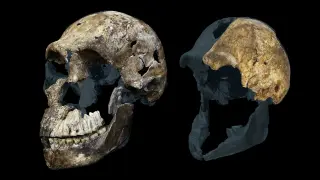
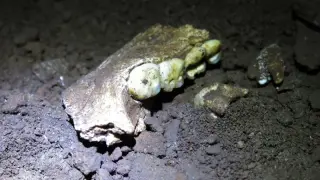
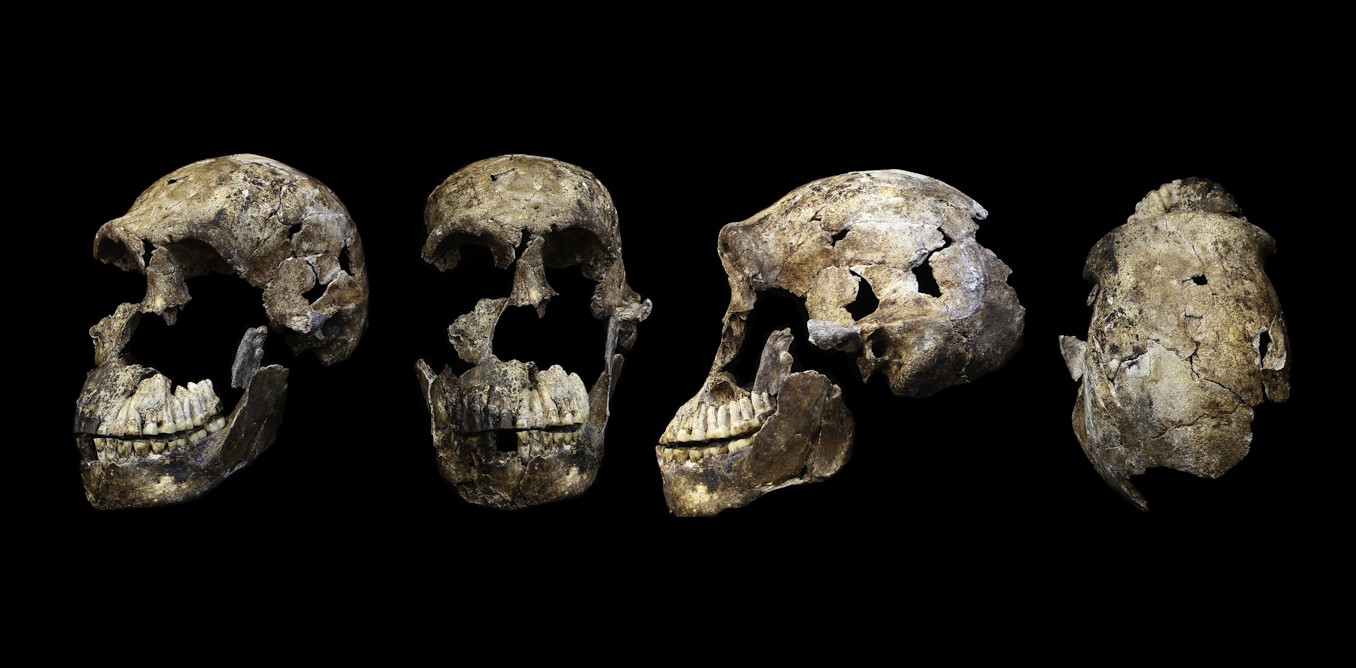
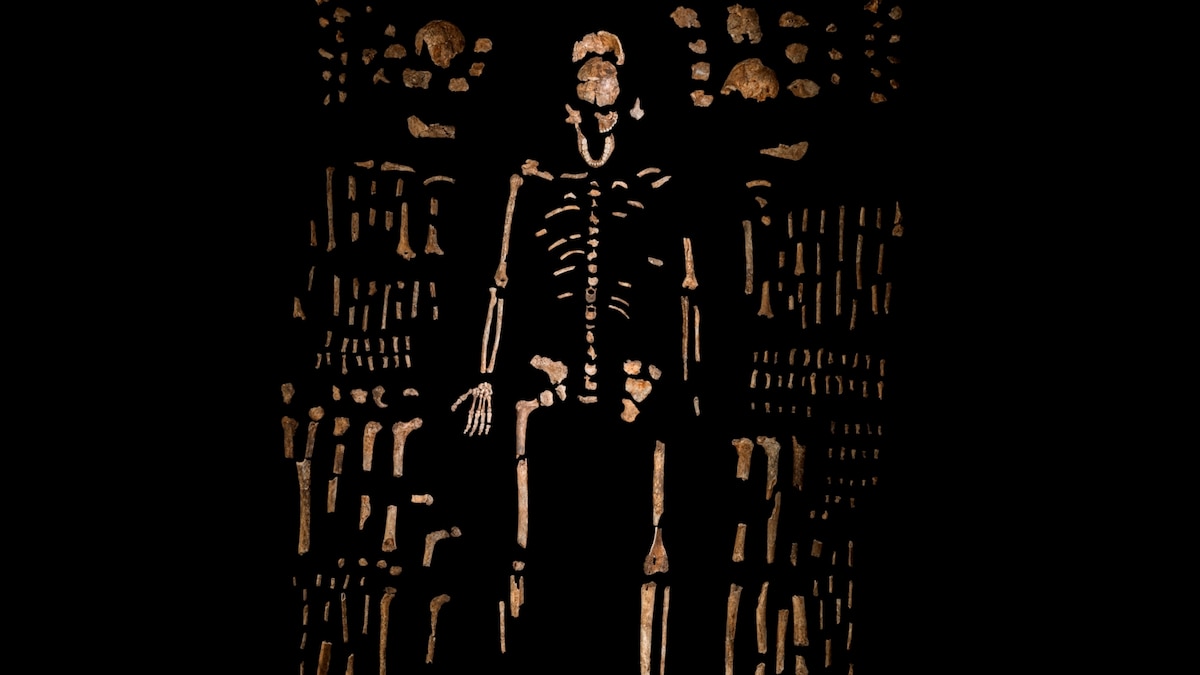
A new study of preserved dental enamel proteins from about 20 Homo naledi individuals at South Africa’s Rising Star cave finds no signature of amelogenin Y, suggesting the group could be all female and fueling the idea of deliberate burial at the site. However, absence of Y does not prove all-female status, and alternative explanations—such as genetic variation, inbreeding, or a loss of the Y gene—could also explain the results. More evidence is needed before drawing firm conclusions about the population’s sex composition or burial practices.
Rising Star Homo naledi Remains All Female, Reshaping Hominin History
science22 days ago

Rising Star Homo naledi Remains All Female, Reshaping Hominin History

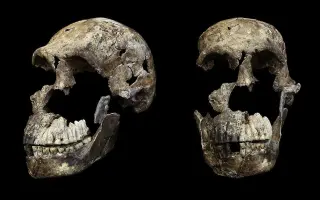
A paleoproteomics analysis of 23 Homo naledi teeth from the Rising Star Cave found no AMELY (Y chromosome) and AMELX in all samples, suggesting the known individuals were all genetically female. The result supports the idea that the Rising Star remains may reflect intentional burial and hints at gender identity in this species, while noting that a rare AMELY deletion could complicate the picture. The study also shows potential for ancient proteins to illuminate early hominin relationships and points to future DNA sequencing as methods improve.

Proteomics suggests all Homo naledi skeletons from Rising Star cave are female
sciencearchaeology23 days ago

Proteomics suggests all Homo naledi skeletons from Rising Star cave are female

A proteomic analysis of 20 Homo naledi teeth from the Rising Star cave in South Africa found no AMELY (male) markers, suggesting all examined skeletons are female. The finding includes specimens once thought to be male (e.g., DH1 and Neo) and raises questions about sex representation or a possible AMELY deletion, with researchers noting this is a surprising result that requires more sampling to understand the biology and evolution of the species. The study, published in Cell (2026), also highlights shared protein variants with Paranthropus robustus and underscores the potential of ancient proteins to illuminate sex in extinct hominins.

Rising Star Homo naledi fossils appear all female, fueling debate over burial practices
science23 days ago

Rising Star Homo naledi fossils appear all female, fueling debate over burial practices

A paleoproteomics study of 20 Homo naledi teeth from the Rising Star cave in South Africa found all samples belonged to females, suggesting a female-biased representation at the site. The team used amelogenin protein markers to infer sex, but the absence of a Y-chromosome signal could also reflect a mutation or deletion of the AMELY gene. The fossils, dated roughly 335,000–241,000 years old, raise questions about sex-segregated mortuary practices or other biases, though researchers caution that a single-site, small-sample finding is not definitive and alternative explanations remain possible.

"Challenging Homo Naledi Burial Claims: Rethinking Human Ancestry"
anthropologyarchaeology2 years ago

"Challenging Homo Naledi Burial Claims: Rethinking Human Ancestry"

A recent study challenges previous claims that Homo naledi deliberately buried their dead and created rock art in Rising Star Cave, South Africa, with experts calling for more rigorous scientific analysis and documentation. The evidence presented so far was deemed not compelling enough to support the deliberate burial of the dead by Homo naledi, nor that they made the purported engravings, leading to a reevaluation of the findings. The critique emphasizes the need for additional documentation and scientific analyses before ruling out natural agents and post-depositional processes as responsible for the accumulation of bodies and to prove intentional excavation and filling of pits by Homo naledi.

"Unveiling the Ancient Secrets: Extinct Apes' Burial Rituals and Artistry Explored by Scientist Lee Berger"
science-and-anthropology2 years ago

"Unveiling the Ancient Secrets: Extinct Apes' Burial Rituals and Artistry Explored by Scientist Lee Berger"

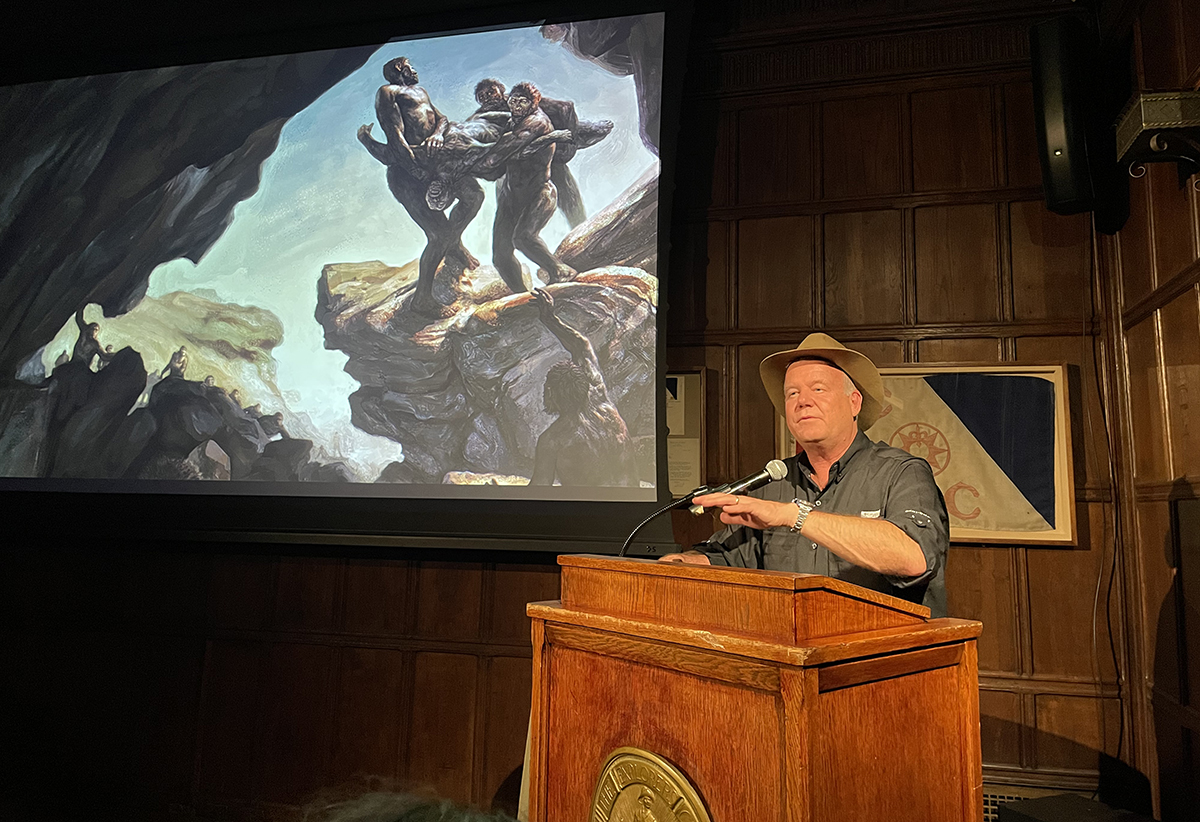
Lee Berger, the lead scientist at the "Cave of Bones" site in South Africa, discusses his controversial claims about the Homo naledi fossils found in the Rising Star cave system. Berger believes that these small-brained hominins used fire, buried their dead in chambers, and adorned the burial site with primitive art. Despite criticism from peers, Berger argues that we should reconsider our bias for human exceptionalism and recognize the cultural complexity of other animals. He also speculates about interbreeding between humans and naledi. Berger announced plans to further explore the Rising Star site and respect its significance to the naledi.

Debate over Homo naledi's burial practices and rock art evidence.
archaeology3 years ago

Debate over Homo naledi's burial practices and rock art evidence.

Three new studies claim to have found evidence that Homo naledi intentionally buried their dead and made rock art, suggesting advanced cognitive abilities. However, archaeologists are not convinced as the evidence presented so far indicates no deliberate burials or rock art. The alleged burials fail to meet fundamental criteria for deliberate burials, and the rock art is undated. The latest inferences require further investigation before they are accepted by the broader scientific community.