Tag

Paleoproteomics

All articles tagged with #paleoproteomics

Protein Analysis of Chinese Fossils Confirms Denisovan Identity and Distinctive Appearance
science1 month ago

Protein Analysis of Chinese Fossils Confirms Denisovan Identity and Distinctive Appearance

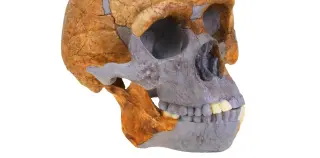
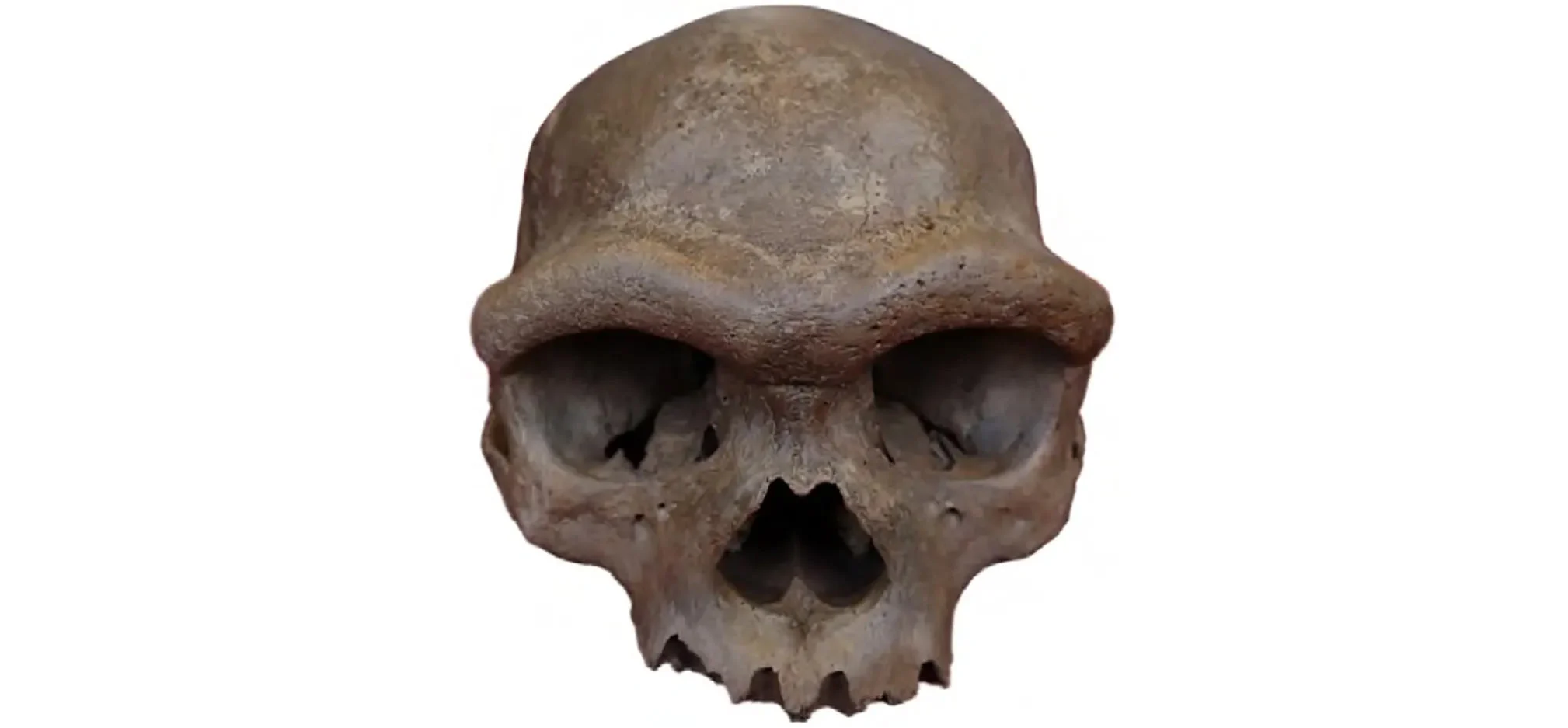
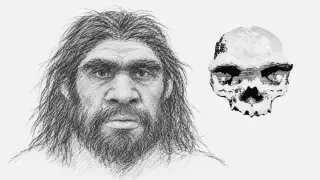
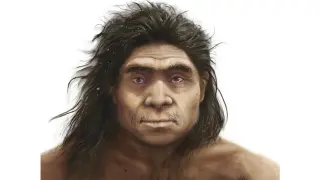
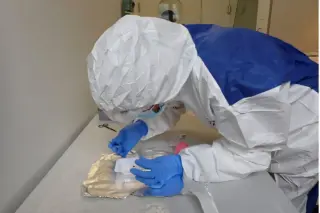
Researchers at the Chinese Academy of Sciences have confirmed that fossils from the Xujiayao site in northern China belong to the Denisovans, an extinct human group. By analyzing ancient proteins preserved in bones and teeth, the team identified a specific amino acid marker that distinguishes Denisovans from Neanderthals and modern humans. This finding resolves decades of debate over the classification of East Asian Middle Pleistocene fossils and suggests that Denisovans possessed a unique physical appearance, characterized by low, wide skulls and massive brow ridges. The study implies that many previously disputed fossils across Asia likely belong to a single, diverse Denisovan lineage rather than multiple separate species.
Protein Analysis Reveals Denisovan Facial Structure and Body Traits
science1 month ago

Protein Analysis Reveals Denisovan Facial Structure and Body Traits

New studies confirm that fossils from northern and southwestern China belong to the Denisovans, an extinct human group. By analyzing ancient proteins, researchers have identified distinct skull features, such as massive brow ridges and a low braincase, as well as unique limb structures. These findings suggest Denisovans were a diverse lineage that adapted to various environments across Asia, rather than multiple separate species.
Protein Analysis Confirms Xujiayao Fossils as Denisovans, Defining Their Physical Traits
science1 month ago

Protein Analysis Confirms Xujiayao Fossils as Denisovans, Defining Their Physical Traits

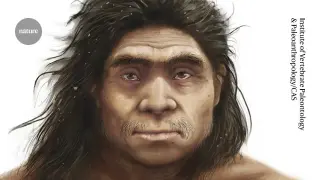
Researchers have confirmed that fossils from Xujiayao, China, belong to the Denisovan lineage using ancient protein analysis. This study provides the first clear morphological framework for identifying Denisovans, revealing distinct physical traits such as massive brow ridges and flat faces. The findings resolve a 16-year debate regarding the classification of these archaic humans in East Asia.

Rising Star Homo naledi Remains All Female, Reshaping Hominin History
science5 months ago

Rising Star Homo naledi Remains All Female, Reshaping Hominin History

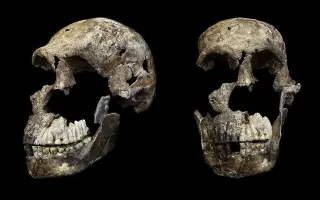
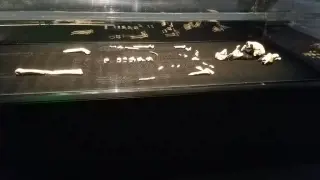
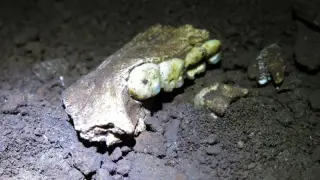
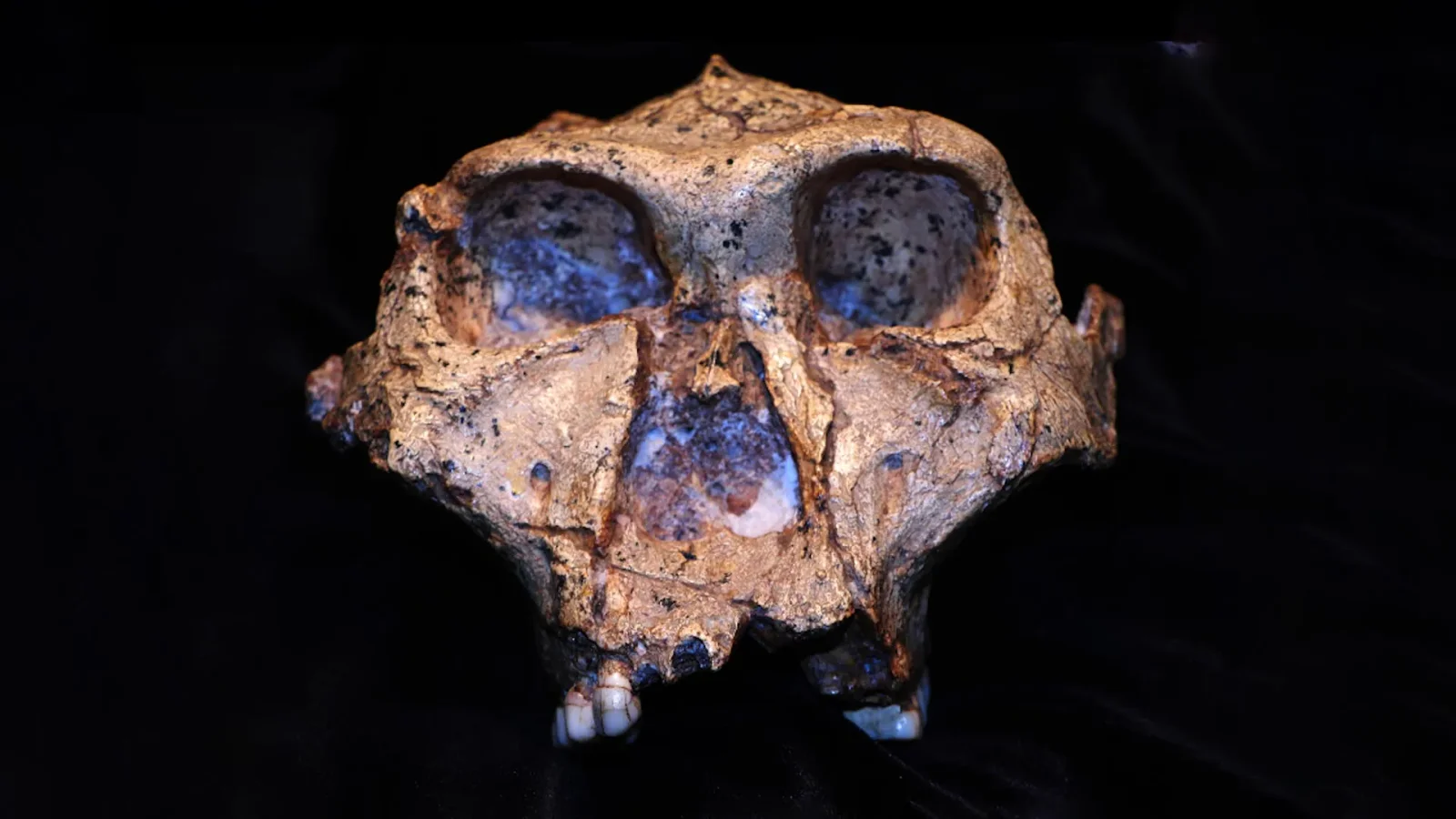
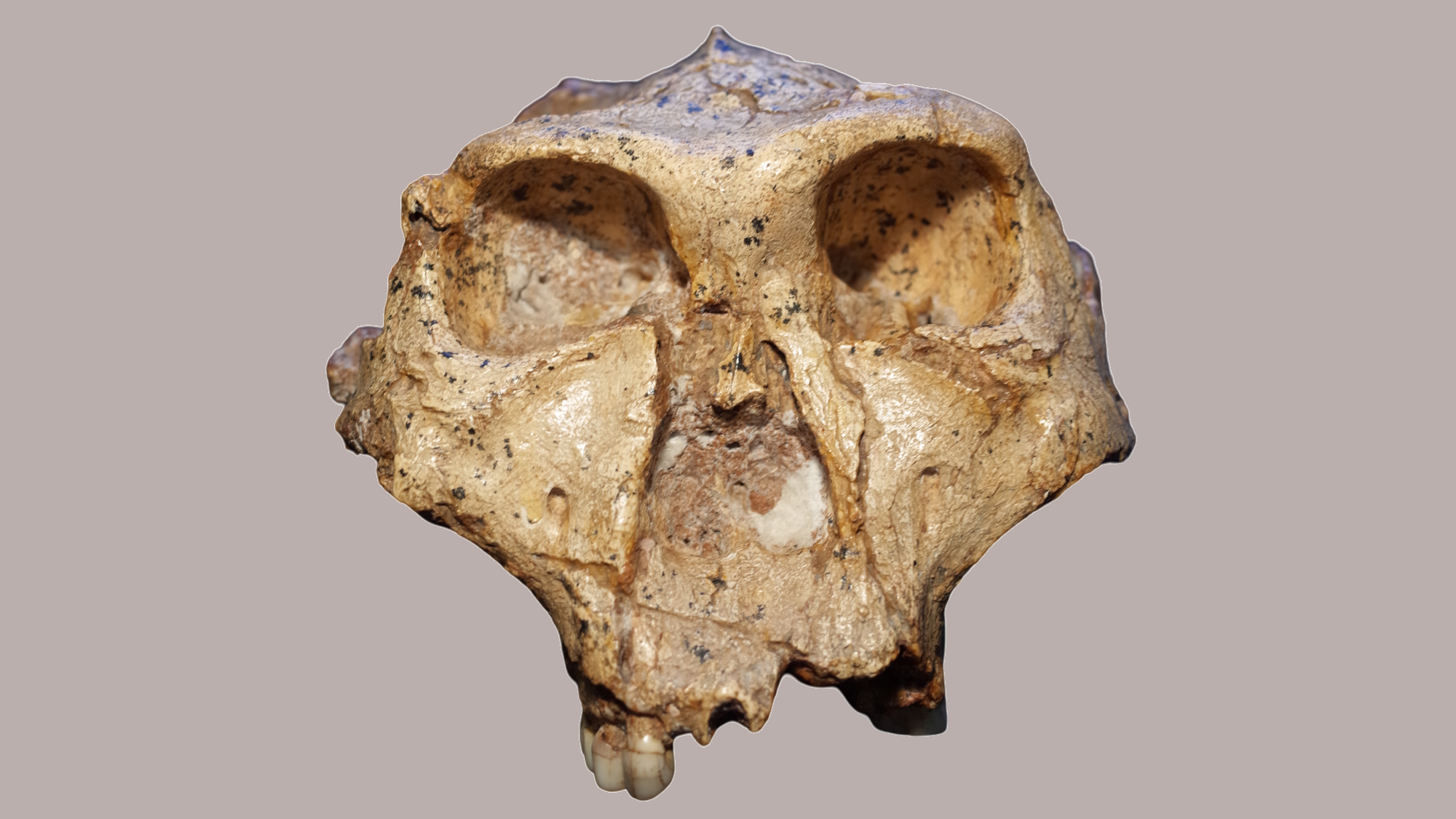
A paleoproteomics analysis of 23 Homo naledi teeth from the Rising Star Cave found no AMELY (Y chromosome) and AMELX in all samples, suggesting the known individuals were all genetically female. The result supports the idea that the Rising Star remains may reflect intentional burial and hints at gender identity in this species, while noting that a rare AMELY deletion could complicate the picture. The study also shows potential for ancient proteins to illuminate early hominin relationships and points to future DNA sequencing as methods improve.

Rising Star Homo naledi fossils appear all female, fueling debate over burial practices
science5 months ago

Rising Star Homo naledi fossils appear all female, fueling debate over burial practices

A paleoproteomics study of 20 Homo naledi teeth from the Rising Star cave in South Africa found all samples belonged to females, suggesting a female-biased representation at the site. The team used amelogenin protein markers to infer sex, but the absence of a Y-chromosome signal could also reflect a mutation or deletion of the AMELY gene. The fossils, dated roughly 335,000–241,000 years old, raise questions about sex-segregated mortuary practices or other biases, though researchers caution that a single-site, small-sample finding is not definitive and alternative explanations remain possible.

Ancient tooth proteins reveal Homo erectus left a genetic fingerprint in today’s humans
science6 months ago

Ancient tooth proteins reveal Homo erectus left a genetic fingerprint in today’s humans

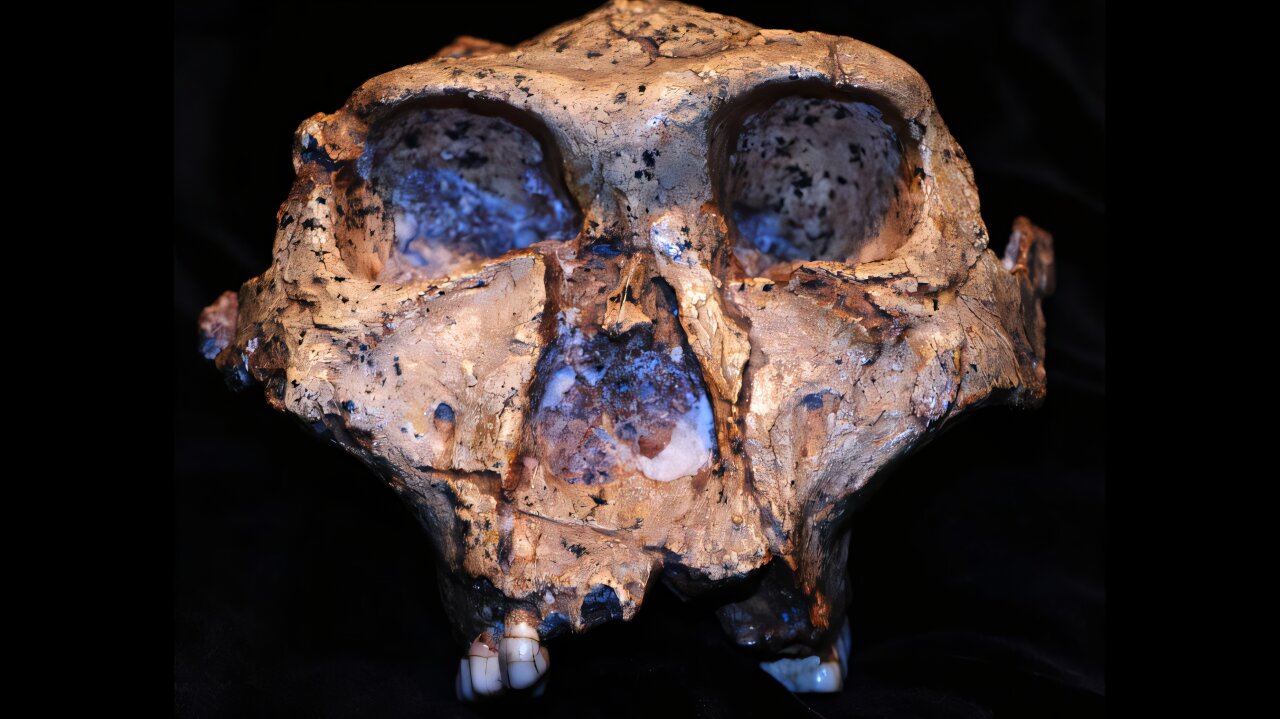
Proteomic analysis of 400,000-year-old Homo erectus teeth uncovers a unique amino‑acid variant shared with Denisovans and present in modern SE Asian and Oceanian populations (about 21% in the Philippines, ~1% in India), suggesting interbreeding and a mosaic ancestry rather than a single lineage. The study highlights how paleoproteomics can reveal genetic connections from old hominin lineages and points to a broader pattern of admixture among ancient humans.

Denisovan Jawbone Off Taiwan Expands Our View of Ancient Humans
science9 months ago

Denisovan Jawbone Off Taiwan Expands Our View of Ancient Humans

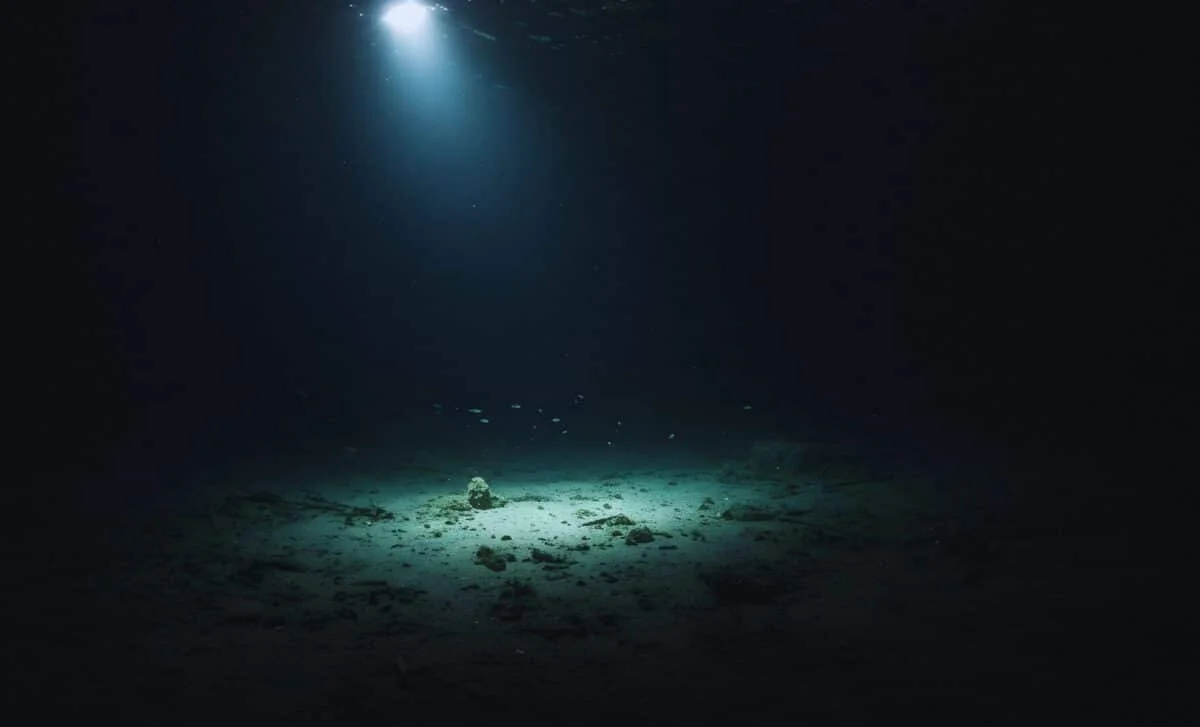
A Denisovan jawbone found 60–120 meters deep off the coast of Taiwan and identified using paleoproteomics confirms Denisovans’ presence in warmer coastal Asia and suggests they thrived in diverse environments beyond Siberia. Dating is uncertain, estimated between 10,000 and 190,000 years ago, highlighting their adaptability and potential interactions with other hominins.