Tag

Rna Therapy

All articles tagged with #rna therapy

First ALS patient shows sustained improvement after custom RNA therapy
medical-breakthrough29 days ago

First ALS patient shows sustained improvement after custom RNA therapy

A man with rare amyotrophic lateral sclerosis (ALS) experienced improved symptoms and maintained his career as a physician one year after receiving the first antisense oligonucleotide therapy targeting his specific genetic mutation. The treatment, delivered via spinal injection, reduced biomarkers of neuron damage to normal levels without serious side effects. Researchers describe this as a foundational step for treating neurodegenerative diseases caused by rare mutations, noting that the drug was developed in just three years compared to the decade-long timelines for common mutations.


Engineered RNA Bypasses Genetic Stop Signals to Restore Proteins in Cystic Fibrosis Models
health1 month ago

Engineered RNA Bypasses Genetic Stop Signals to Restore Proteins in Cystic Fibrosis Models

University of Toronto researchers developed a modified transfer RNA (tRNA) therapy that bypasses premature genetic stop signals, restoring full-length proteins in cystic fibrosis models. The approach uses a custom lipid nanoparticle for lung delivery and could eventually treat multiple genetic diseases sharing similar mutation types.

Regenerative gene therapy aims to bulk up failing hearts, now in human trials
health4 months ago

Regenerative gene therapy aims to bulk up failing hearts, now in human trials

Scientists are pursuing RNA-delivering gene therapies to disable a brake on heart-cell division in hopes of regenerating failing hearts; early animal data show improved heart function and a first-in-human trial began, but the field remains cautious due to uncertain evidence of true regeneration and a history of controversial retractions.

A single RNA injection turns muscle into a heart-healing factory
science6 months ago

A single RNA injection turns muscle into a heart-healing factory

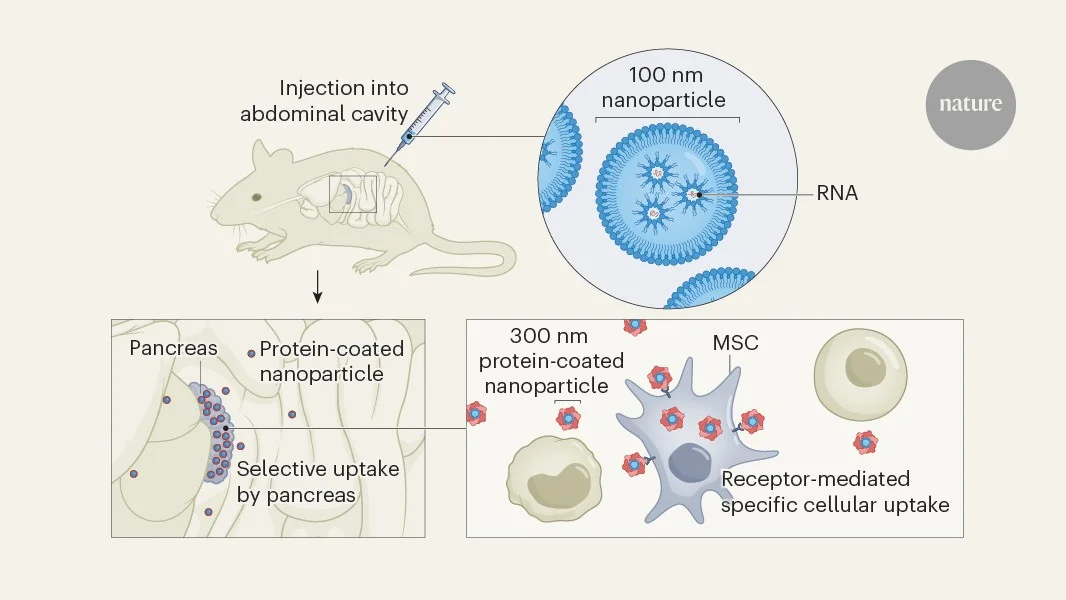
Columbia researchers engineered RNA-lipid nanoparticles that, when injected into skeletal muscle, make pro-ANP. This inactive molecule travels to the heart and is activated by the enzyme Corin to become active ANP, promoting blood vessel growth, reducing inflammation, and limiting scar tissue to help repair the heart after a heart attack. Using self-amplifying RNA, a single injection can sustain activity for about four weeks, improving heart function and reducing damage in multiple animal models, including delayed treatment scenarios. The approach avoids direct heart delivery, offering a potentially simpler therapy with plans for a phase‑one safety trial and potential applications to other organs.

Promising Advances in Hepatitis B Treatment with New Therapies
health1 year ago

Promising Advances in Hepatitis B Treatment with New Therapies

A China-led international research team has discovered that xalnesiran, a small interfering RNA molecule, can potentially cure about one-third of hepatitis B patients when used alone or with an immunomodulator. This finding, published in The New England Journal of Medicine, marks a significant advancement in treating a virus that affects over 250 million people globally, with China having the highest number of cases. Current antiviral treatments can control but not eradicate the virus, making this discovery a promising step towards a cure.

"Discovery of Novel Alzheimer's Disease Trigger by Chicago Researchers"
health2 years ago

"Discovery of Novel Alzheimer's Disease Trigger by Chicago Researchers"

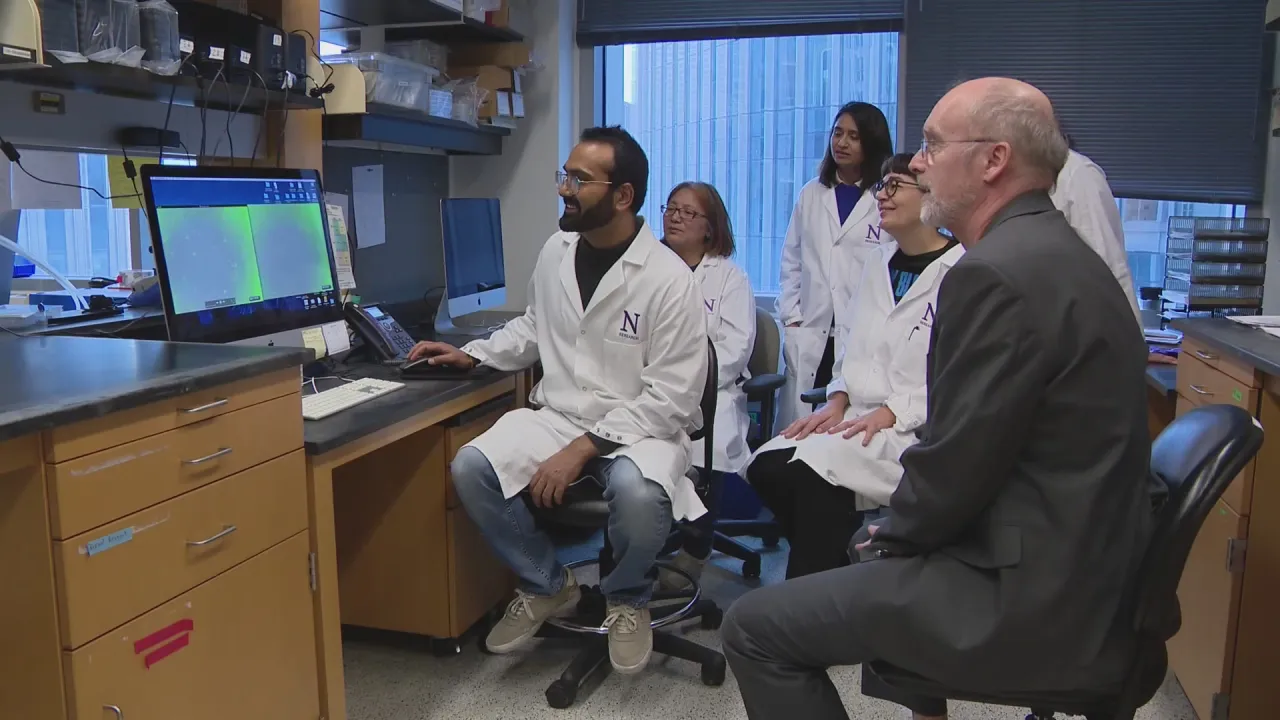
Northwestern Medicine researchers have discovered a potential new approach to treating Alzheimer's disease by focusing on the balance of protective and toxic strands of short RNA in the brain. This fresh perspective could lead to the development of drugs that stabilize or delay the demise of protective RNA, potentially benefiting not only Alzheimer's patients but also those with other complex neurodegenerative diseases such as ALS or Parkinson's. The team is continuing their research in animal models and believes any new treatment would likely be given in combination with current therapies.