Tag

Nanomedicine

All articles tagged with #nanomedicine

Low-tech liposomes enable brain-penetrant chemotherapy after glioblastoma surgery
science26 days ago

Low-tech liposomes enable brain-penetrant chemotherapy after glioblastoma surgery

In a mouse model of glioblastoma, researchers loaded the chemotherapy drug doxorubicin into standard liposome nanoparticles and administered it soon after tumor resection. The temporary disruption of the blood-brain barrier allowed the liposome-encapsulated drug to accumulate at the tumor margin for up to 72 hours, with levels undetectable after seven days, suggesting a practical post-surgical delivery window and a potentially translatable, low-tech nanomedicine approach that could move toward human trials.
Pig-semen–derived exosome eye drops halt retinal tumors in mice
science5 months ago

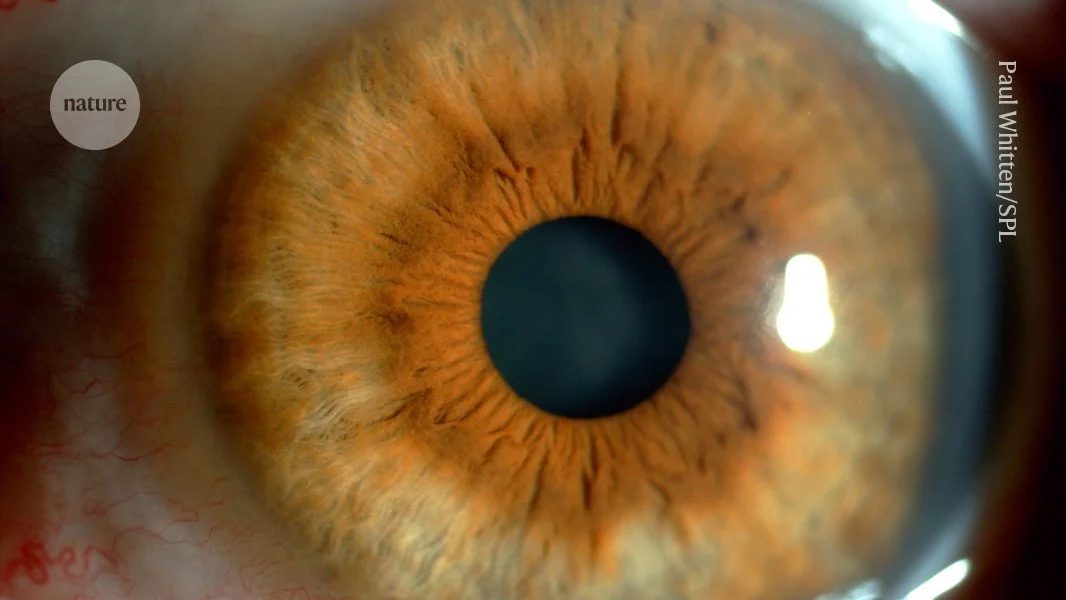
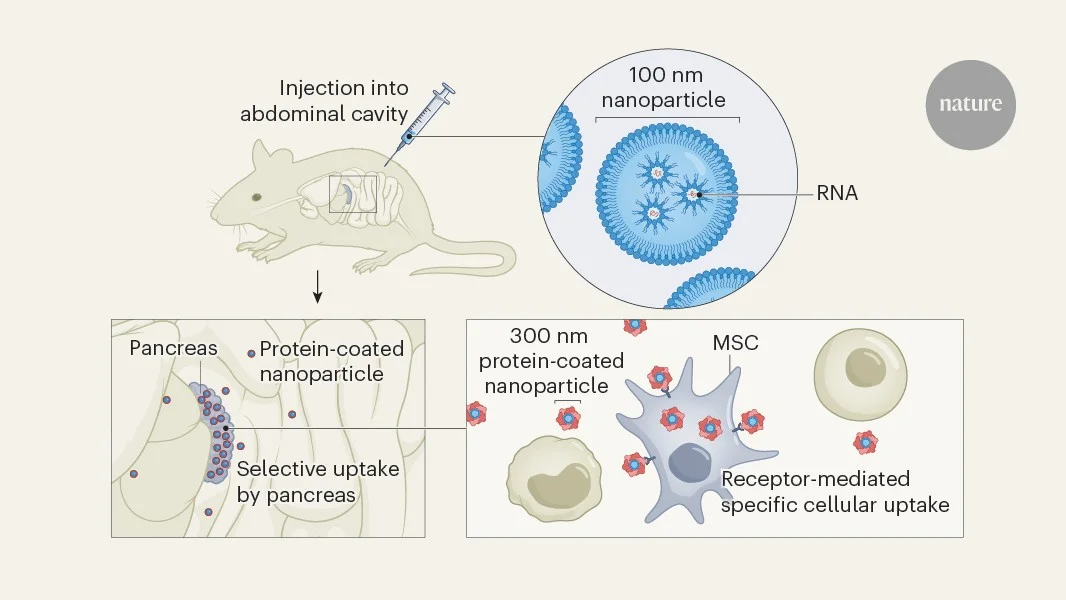
Pig-semen–derived exosome eye drops halt retinal tumors in mice

A Science Advances study reports eye drops made from pig-semen–derived exosomes carrying a nanozyme cancer-killing system can cross the retinal barrier to target retinoblastoma tumors in mice, halting tumor growth and preserving vision; the approach uses folic-acid tagging to improve selectivity and could inform drug delivery across other hard-to-penetrate barriers, though it is currently at early, animal-tested stages.

Dancing-molecule nanotherapy crosses the blood-brain barrier to repair stroke damage
science7 months ago

Dancing-molecule nanotherapy crosses the blood-brain barrier to repair stroke damage

Northwestern researchers have developed an injectable regenerative nanomaterial built from dynamic “dancing molecules” that can cross the blood-brain barrier after reperfusion in a mouse model of ischemic stroke. Delivered intravenously immediately after clot removal, the therapy reduced brain damage and inflammation without observed toxicity, suggesting it could complement clot-busting treatments. The approach relies on smaller peptide assemblies crossing the BBB before larger nanofibers form in brain tissue, and may have implications for traumatic brain injury and neurodegenerative diseases. Next steps include longer-term functional studies and exploring additional regenerative signals.

"Promising Oral Insulin Delivery System Offers Needle-Free Life for Diabetics"
health-medicine2 years ago

"Promising Oral Insulin Delivery System Offers Needle-Free Life for Diabetics"

Scientists have developed a new form of oral insulin that can be taken as an alternative to syringes or insulin pumps, successfully testing it on animals and planning to begin human trials in 2025. The insulin is designed to be delivered to the liver using a specialized polymer that responds to blood sugar levels, offering more precise delivery and potentially reducing unwanted side effects. If successful, the oral insulin could provide a more convenient and effective option for diabetes management.

Unveiling a Hidden Housekeeping Process in Kidney Cells: A Groundbreaking Discovery
science-and-technology2 years ago

Unveiling a Hidden Housekeeping Process in Kidney Cells: A Groundbreaking Discovery

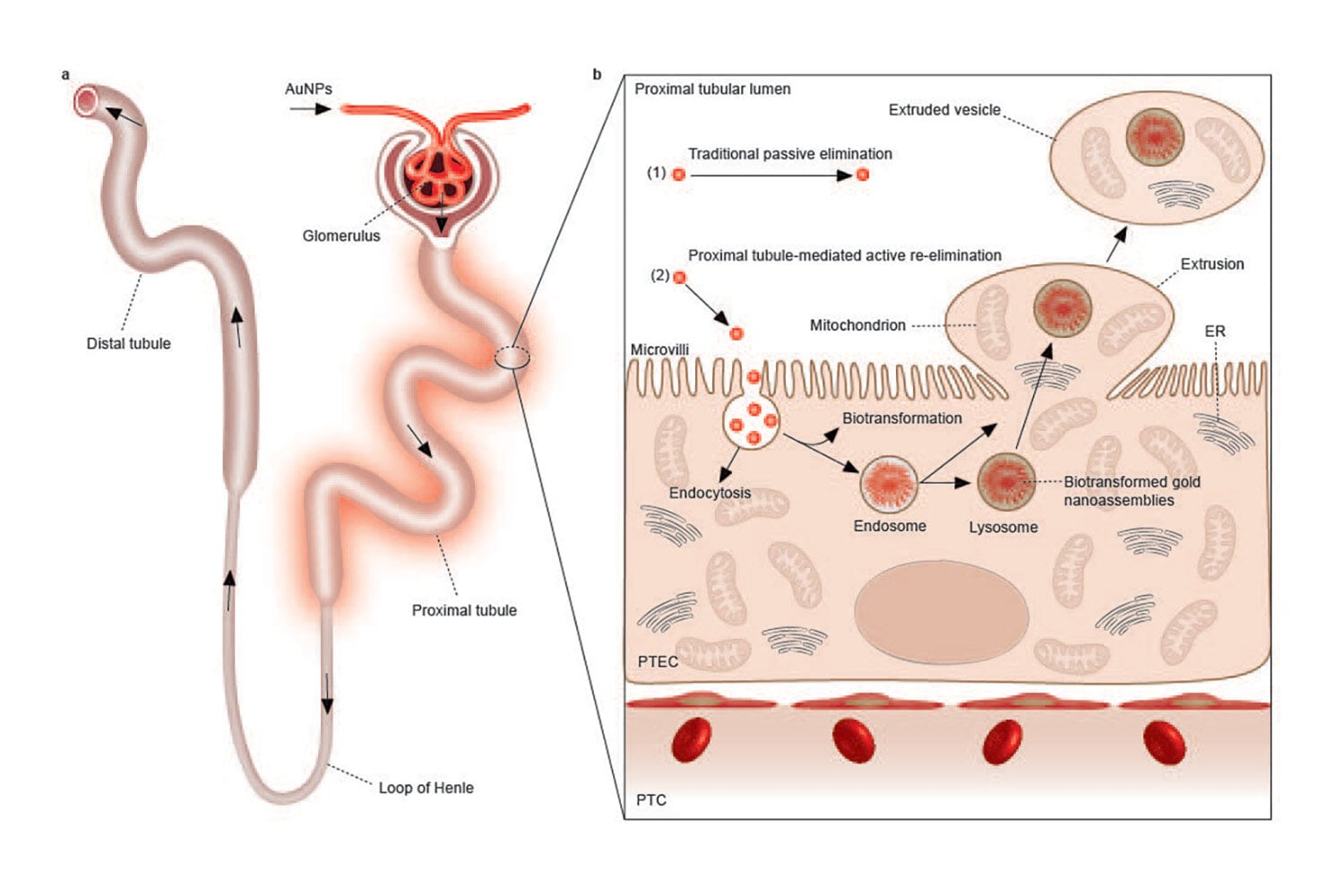
Scientists at the University of Texas at Dallas have discovered a unique "housekeeping" process in kidney cells that allows them to eject unwanted content, rejuvenating the cells and maintaining kidney health throughout one's lifetime. Unlike other organs that regenerate through cell division, kidney cells do not divide to create new cells. The newly identified self-renewal mechanism, which involves the extrusion of cellular contents, provides insights into how kidneys can stay healthy in the absence of injury or illness. Further research could lead to advancements in nanomedicine and early detection of kidney disease.

"Groundbreaking Study Reveals Kidney Cells' Remarkable Self-Renewal Abilities"
science3 years ago

"Groundbreaking Study Reveals Kidney Cells' Remarkable Self-Renewal Abilities"

Researchers at the University of Texas at Dallas have discovered a unique "housekeeping" process in kidney cells that allows them to eliminate unwanted cellular contents and renew themselves without cell division. This self-renewal mechanism, which is different from how other tissues regenerate, helps explain the long-term health of kidneys. The discovery may have implications for nanomedicine and early detection of kidney disease. The researchers found that gold nanoparticles taken in by kidney cells are encased in lysosomes and other organelles, which are then extruded into vesicles that float off into the extracellular space. This process, called extrusion-mediated self-renewal, allows the cells to update themselves with fresh contents and function properly.