Tag

Lipid Nanoparticles

All articles tagged with #lipid nanoparticles

FDA's first mRNA flu shot signals broader potential for RNA therapeutics
science21 days ago

FDA's first mRNA flu shot signals broader potential for RNA therapeutics

FDA approved a new mRNA-based seasonal flu vaccine for adults 50+ on Aug. 5, 2026, illustrating mRNA’s promise to accelerate drug development beyond vaccines; but two hurdles remain: the short cellular half-life of about one day and impurities like double-stranded RNA that can provoke immune responses. Ongoing work aims to reduce immune activation and extend durability through pseudouridine-like RNA modifications, cleaner production, and optimized sequences, enabling non-vaccine uses such as CRISPR-Cas9 mRNA therapies (e.g., liver-targeted treatments for hereditary transthyretin amyloidosis) and paving the way for a new generation of safer, longer-lasting mRNA therapeutics in coming years.

OSU’s Nanoparticles Target Lung Tumors and Muscle Wasting
science4 months ago

OSU’s Nanoparticles Target Lung Tumors and Muscle Wasting

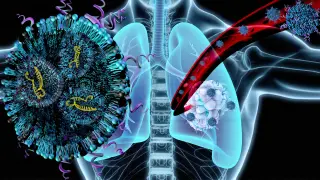
Oregon State University researchers report lipid nanoparticles that bind vitronectin in the bloodstream to home in on lung tumors and deliver follistatin mRNA, reducing tumor burden about 2.5-fold more than conventional LNPs in mice, while also countering cancer cachexia by preserving appetite, weight, and muscle—preclinical results with human testing to come.

Capsule-Filtration-Enabled LNPs Target Pancreas for Precision mRNA Therapies
science6 months ago

Capsule-Filtration-Enabled LNPs Target Pancreas for Precision mRNA Therapies

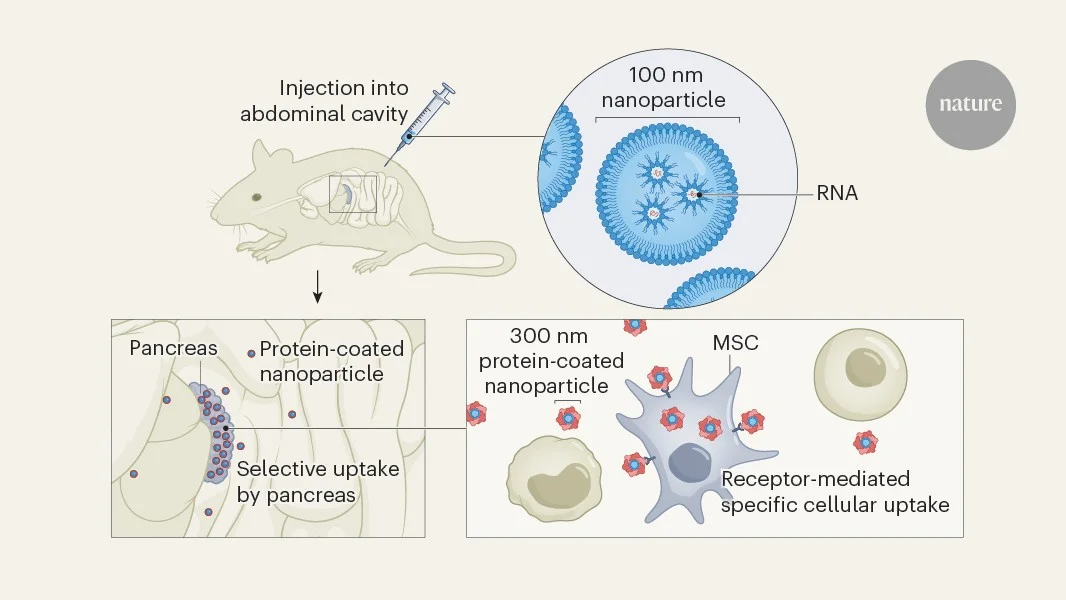
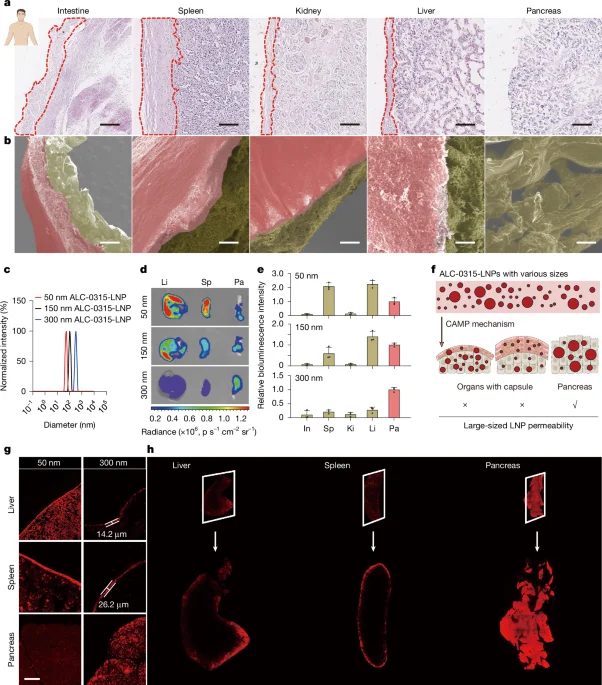
A Nature study introduces AH-LNP, a pancreatic-targeted lipid nanoparticle whose protein adsorption enlarges it to enable capsule-filtration–driven pancreas accumulation and receptor-mediated uptake, allowing efficient delivery of Cas9 mRNA and sgRNA for genome editing as well as mRNA encoding therapeutic cytokines. The approach yields precise pancreatic gene editing, enhances antitumor responses when combined with vaccines or CAR-T therapy across multiple pancreatic cancer models, and shows safety in several animal models including non-human primates, highlighting a promising platform for precision treatments of pancreatic diseases.

Lilly to Acquire Orna Therapeutics to Accelerate In Vivo CAR-T
biotech-healthcare6 months ago

Lilly to Acquire Orna Therapeutics to Accelerate In Vivo CAR-T

Eli Lilly will acquire Orna Therapeutics in a deal worth up to $2.4 billion in cash, expanding Lilly’s genetic-medicine platform with Orna’s circular-RNA–based in vivo CAR-T technology (ORN-252) designed to treat B cell–driven autoimmune diseases, leveraging lipid nanoparticle delivery for potentially more durable therapeutic protein expression and broader in vivo cell-therapy options.

business6 months ago

Lilly to acquire Orna, betting on in vivo CAR-T and circular RNA medicines

Eli Lilly will acquire Orna Therapeutics in a deal potentially worth up to $2.4 billion to accelerate in vivo CAR-T therapies using circular RNA and lipid nanoparticle delivery, led by ORN-252 targeting CD19 for B cell–driven autoimmune diseases and offering potentially more durable protein expression than current RNA or ex vivo approaches.

Buffer Optimization Enhances siRNA-Lipid Nanoparticle Stability
science-and-technology11 months ago

Buffer Optimization Enhances siRNA-Lipid Nanoparticle Stability

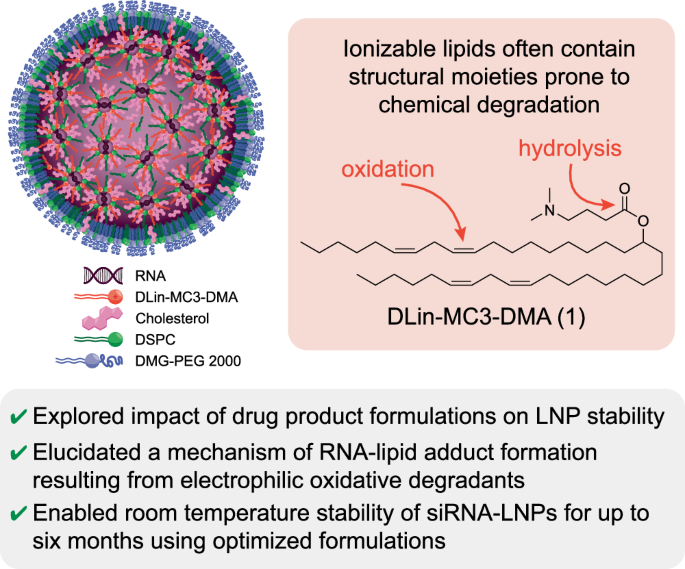
The article discusses how buffer optimization, specifically using mildly acidic, antioxidant-containing buffers like histidine, can significantly improve the room temperature stability of siRNA-lipid nanoparticles by mitigating lipid oxidation and RNA-lipid adduct formation, thereby extending shelf life and maintaining efficacy.

Major Breakthroughs in HIV Cure Research Using mRNA Technology
health1 year ago

Major Breakthroughs in HIV Cure Research Using mRNA Technology

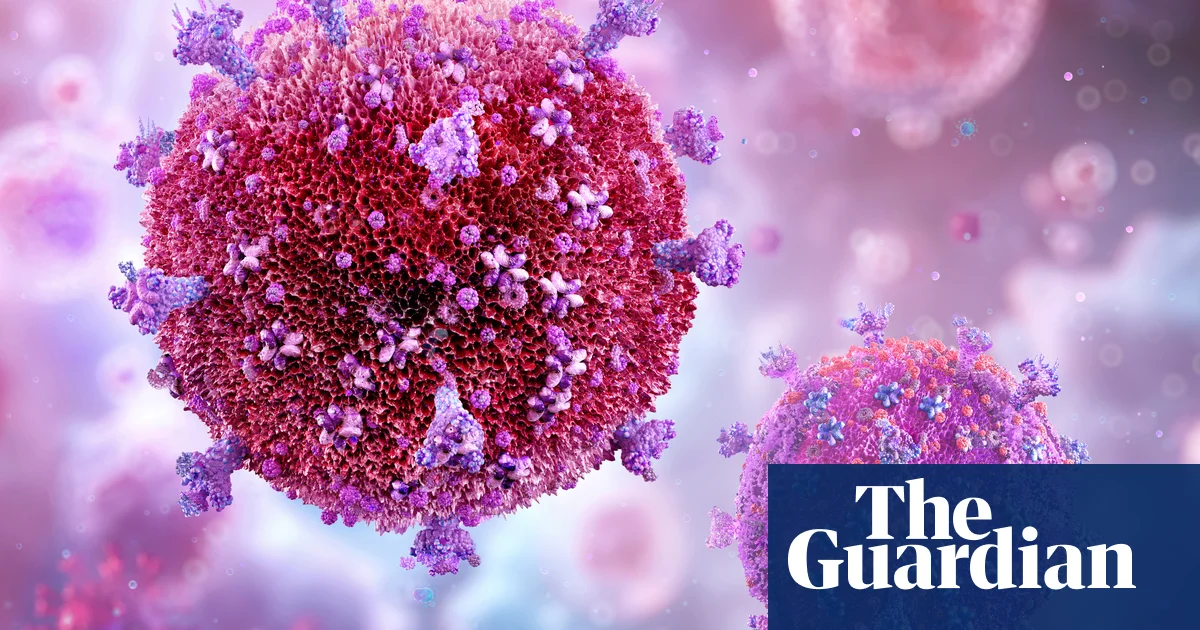
Australian scientists have made a significant breakthrough in HIV research by using mRNA technology with lipid nanoparticles to force the virus out of hiding in infected cells, potentially paving the way for a cure. The team is now preparing for preclinical testing in animals, with human trials possibly years away, and the approach may have broader applications for other diseases.

"Advancing mRNA Technology with Lipid Nanoparticles"
science-and-technology2 years ago

"Advancing mRNA Technology with Lipid Nanoparticles"

Michael J. Mitchell, an associate professor of bioengineering at the University of Pennsylvania, specializes in designing lipid nanoparticles (LNPs) to deliver mRNA inside human cells for potential applications in medicine, including cancer and other diseases. His lab uses microfluidics to create LNPs and has developed a new LNP that mimics a space shuttle to improve mRNA delivery efficiency. They have also successfully targeted the lungs of mice with LNPs and are working on crossing the blood-brain barrier for potential therapeutic applications.

"Revolutionizing Medicine: Bioengineers on the Verge of Breaking the Blood-Brain Barrier"
health-and-medicine2 years ago

"Revolutionizing Medicine: Bioengineers on the Verge of Breaking the Blood-Brain Barrier"

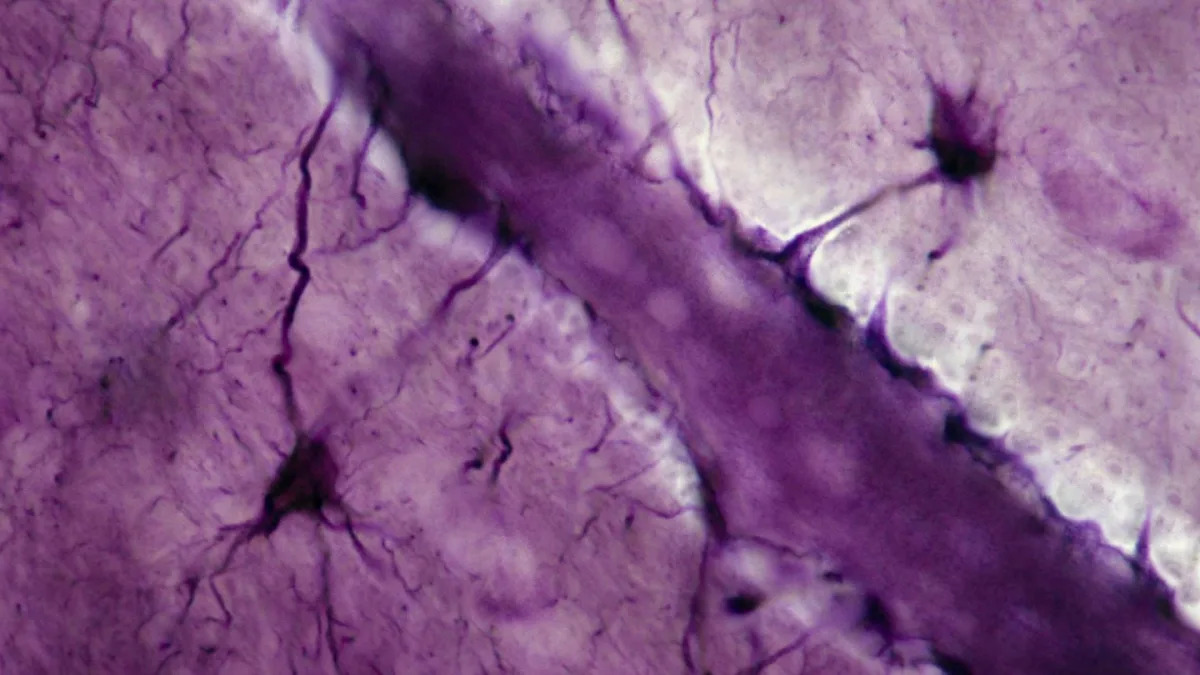
Bioengineers are on the verge of breaking the blood-brain barrier using lipid nanoparticles (LNPs) to deliver messenger RNA (mRNA) for treating neurological conditions like seizures and Alzheimer’s. The University of Pennsylvania researchers have successfully demonstrated the effectiveness of their approach in mice and hope to further test it in various animal models. This breakthrough could pave the way for targeted treatments for a variety of neurological disorders, including brain cancer and strokes, and potentially help cross other barriers in the body.

"Breakthrough Looming: Crossing the Blood-Brain Barrier"
health-and-medicine2 years ago

"Breakthrough Looming: Crossing the Blood-Brain Barrier"

Scientists at the University of Pennsylvania have developed a new in vitro model of the blood-brain barrier, allowing them to test the delivery of lipid nanoparticles carrying proteins, antibodies, or mRNA therapies into the central nervous system. This breakthrough could lead to novel approaches for treating conditions like traumatic brain injury, stroke, and Alzheimer's, as well as pregnancy-related and retinal diseases. The study's findings, published in Nano Letters, show promise for overcoming the blood-brain barrier and advancing brain-targeted treatments.

"Breakthrough: Bioengineers Successfully Breach Blood-Brain Barrier"
health2 years ago

"Breakthrough: Bioengineers Successfully Breach Blood-Brain Barrier"

Bioengineers are making strides in breaching the blood-brain barrier by developing a method using lipid nanoparticles (LNPs) to deliver mRNA, offering new hope for treating conditions like Alzheimer's disease and seizures. This breakthrough could lead to novel approaches for treating traumatic brain injury, stroke, and Alzheimer's, and the platform is currently tailored for testing a range of LNPs with brain-targeted peptides, antibodies, and various lipid compositions.

Mana.bio Unveils AI-Designed Lipid Nanoparticles with Andreessen Horowitz Backing
healthcare2 years ago

Mana.bio Unveils AI-Designed Lipid Nanoparticles with Andreessen Horowitz Backing

Israeli startup Mana.bio has raised $19.5 million in seed financing from investors including Andreessen Horowitz Bio + Health, Base4 Capital, NFX, LionBird, and Technion - Israel Institute of Technology. The company aims to address the challenge of delivering genetic medicines to specific cells or organs by developing AI-designed lipid nanoparticles, which can be used to transport mRNA molecules for vaccines or gene therapies.