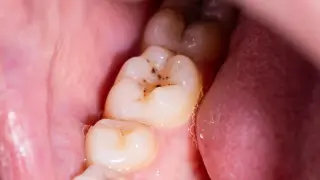
Researchers at the University of Nottingham developed a fluoride-free, protein-based gel that coats damaged enamel, guides calcium and phosphate from saliva to form orderly new mineral crystals, potentially repairing eroded enamel, reducing sensitivity, and enabling new dental products with commercialization planned through the startup Mintech-Bio.
A cross-sectional study in Cell Reports Medicine links mouth bacteria to gastric cancer risk, finding 28 gut species shared with oral bacteria in saliva and stool and more common in gastric cancer patients. The results suggest mouth-to-gut transmission and potential saliva-based signals for early detection, but they cannot prove causation and require further research before clinical use.
Dry mouth, or xerostomia, is a common condition affecting about 22% of the global population, characterized by reduced saliva flow leading to symptoms like bad breath, sore throat, and cracked lips. It is often caused by medications, cancer treatments, or lifestyle factors, and can damage oral health if left untreated. Treatment includes over-the-counter products and lifestyle changes, but consulting a dentist is recommended for proper diagnosis and management.
Dry mouth, or xerostomia, affects about 20% of people and can cause symptoms like burning, bad breath, and cavities. It results from reduced saliva flow due to various causes such as medications, mouth breathing, or medical treatments. Dentists recommend over-the-counter products like mouthwashes, tablets, lozenges, gels, and chewing gums that stimulate saliva or act as substitutes, emphasizing alcohol-free and sugar-free options. Lifestyle changes and regular dental checkups are also crucial for managing dry mouth and preventing long-term damage.
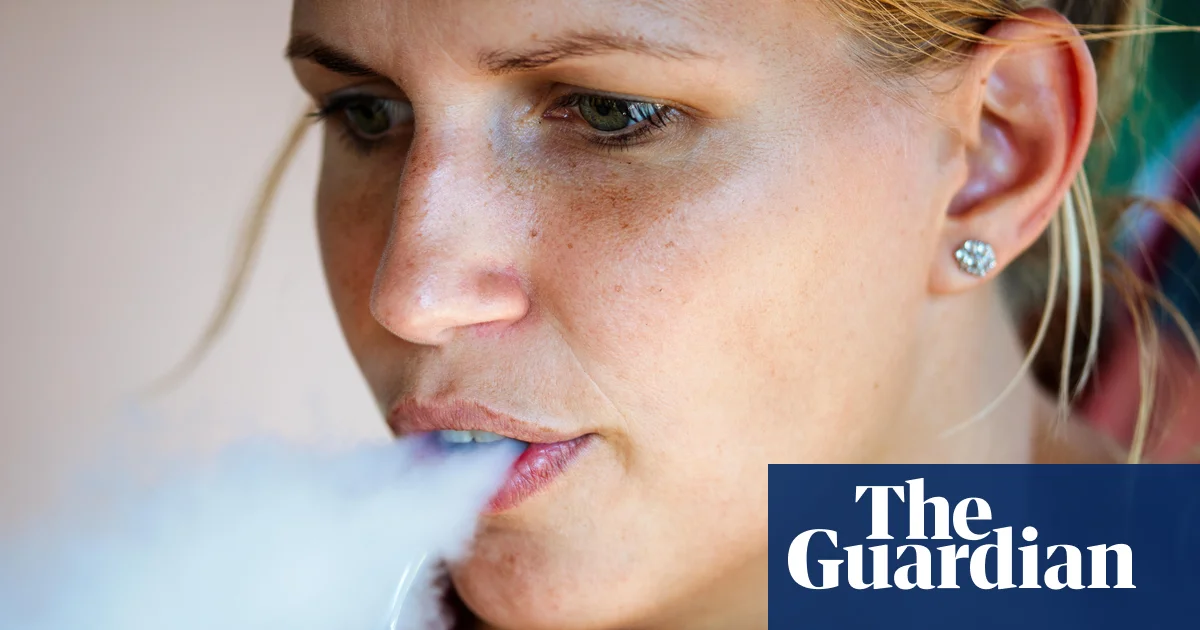
Vaping's impact on oral health is still being studied, but current evidence suggests it may cause dry mouth, gum issues, and potentially increase the risk of tooth decay, though it appears less harmful than smoking. More research is needed to fully understand its long-term effects.
Researchers have discovered a potential link between elevated white blood cells in saliva and compromised arterial health, indicating early warning signs of heart disease. The study suggests that even minor oral inflammation can impact cardiovascular health, highlighting the importance of oral hygiene in maintaining heart health. By analyzing saliva samples using a simple mouth rinse, researchers were able to identify elevated white blood cell levels associated with poor arterial health. This finding emphasizes the need for early detection and intervention to prevent cardiovascular disease, which is a leading cause of death.
A study conducted by researchers from Canada suggests that a simple mouth rinse could potentially detect early signs of cardiovascular disease. The study found a correlation between high levels of white blood cells in the saliva, indicating gum inflammation, and compromised arterial health, which is an early warning sign of poor cardiovascular health. The researchers believe that periodontitis, a common gum infection, may contribute to the development of cardiovascular disease by allowing inflammatory factors to enter the bloodstream and damage the vascular system. The findings highlight the potential for using oral inflammation as a tool to assess cardiovascular risk, and further research is planned to explore this relationship in a larger population.
Saliva plays a crucial role in maintaining oral hygiene and aiding digestion. Changes in saliva consistency, taste, and color can indicate underlying health issues. Dry mouth may be caused by dehydration, certain medications, autoimmune conditions like Sjogren's syndrome, or diabetes. Excess saliva could be a sign of acid reflux, pregnancy, or swallowing difficulties. Bloody saliva may result from mouth or gum injuries, poor dental hygiene, or oral ulcers. Sour or metallic taste may indicate acid reflux, hay fever, vitamin B12 deficiency, or kidney and liver problems. A sweet taste in the mouth can be a symptom of uncontrolled diabetes or upper respiratory tract infections. White and sticky saliva may be due to dehydration, dry mouth, or oral thrush. Thick and stringy saliva may be caused by mouth breathing.
Bodily secretions such as pus, saliva, bile, cerumen (earwax), smegma, rheum, sebum, and mucus are part of daily life. Pus is a sign of an infection requiring antibiotics, saliva helps in digestion and keeps the mouth clean, bile helps digest fat, cerumen protects the ear canal, smegma is a lubricant for the genitals, rheum is mucus discharged from the eyes, sebum keeps the skin and hair moist, and mucus protects against damage by pathogens.
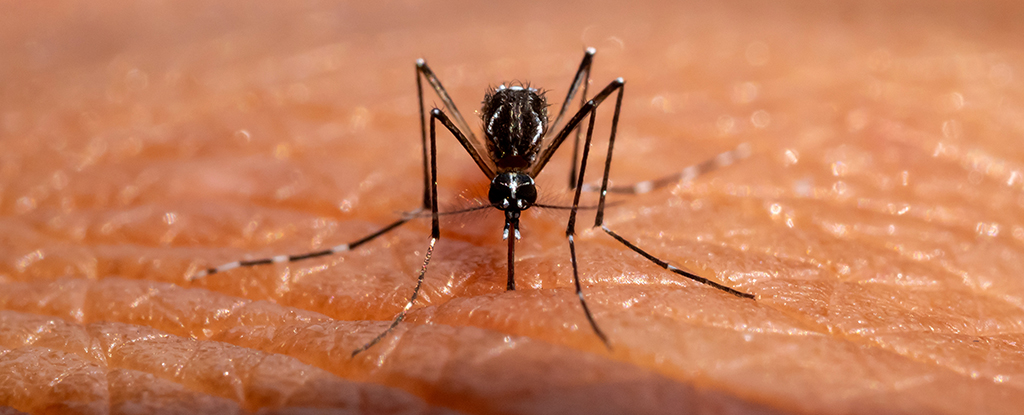
The saliva of a mosquito carrying the dengue virus contains a substance that can suppress the human immune system response and increase the risk of infection, according to new research. Scientists identified a specific type of viral RNA called sfRNA in the infected mosquito saliva, which blocks the defense mechanisms the human body puts up against infection. The sfRNA payload increases virus infection levels, laying the groundwork so that the human body isn't quite so well prepared for attack. The discovery can lead to better preventive measures against the dengue virus right from the moment of infection.
Wayne Swinny, the guitarist and last remaining original member of Memphis rock band Saliva, has died at the age of 59 due to a brain hemorrhage suffered while on tour. Saliva formed in Memphis, Tennessee in 1996 with a six-person lineup that featured Swinny on guitar. The band's frontman Bobby Amaru expressed his grief and praised Swinny's musicianship and personality. Saliva currently has over a dozen shows scheduled as part of their Spring Mayhem Tour with Through Fire and Any Given Sin.
Wayne Swinny, founding member and guitarist of the hard rock band Saliva, has died from a spontaneous brain hemorrhage while on tour, according to a statement from the band. Swinny helped found the Memphis-based band in the late 1990s and was a part of their Grammy-nominated album "Every Six Seconds." Saliva had recently released an album in 2021 and was on tour for their Spring Mayhem Tour. The band has canceled their upcoming shows, and details about additional shows have not yet been released.
Wayne Swinny, the guitarist and founding member of the hard rock band Saliva, has died from a spontaneous brain hemorrhage while on tour. Swinny helped found the Memphis-based band in the late 1990s and was a part of their Grammy-nominated album "Every Six Seconds." Saliva had recently released an album in 2021 and was on tour for their Spring Mayhem Tour. The band has canceled their upcoming shows, and details about additional shows have not yet been released.
Wayne Swinny, one of the founding members of rock band Saliva, has died at the age of 59 after suffering a brain hemorrhage. The band announced his passing on Facebook and Instagram, expressing their love for him and stating that funeral arrangements will be announced shortly. Lead singer Bobby Amaru described Swinny as an older brother and someone who always made sure others had a good time. Swinny co-founded Saliva in 1996 and was hospitalized on Tuesday morning before his death.
Wayne Swinny, the guitarist and founding member of hard rock band Saliva, has died after suffering a spontaneous brain hemorrhage while on tour. Swinny formed Saliva in the late ‘90s with singer Josey Scott, guitarist Chris Dabaldo, bassist Dave Novotny and drummer Paul Crosby. The band's major-label debut "Every Six Seconds" went on to sell 1 million copies and earned the band a Grammy nomination for best hard rock performance in 2002.