Tag

Pandemics

All articles tagged with #pandemics

Wildlife trade linked to human-pathogen sharing across mammals
science1 day ago

Wildlife trade linked to human-pathogen sharing across mammals

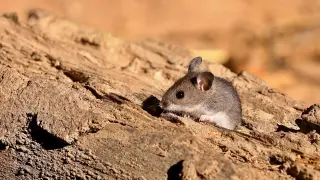
A Science study quantifies the pathogen spillover risk from the global wildlife trade: among 2,079 traded mammal species, about 41% share one or more pathogens with humans, compared with 6.4% of non-traded mammals. Live-trade increases transmission risk, illegal trade plays only a modest role, and species in trade tend to accumulate more pathogens over time (about one extra pathogen per decade of presence). The authors hope the findings inform trade regulations to help curb future pandemics.

Natural origins favored: study finds pandemic viruses can jump to humans without pre-adaptation
science1 month ago

Natural origins favored: study finds pandemic viruses can jump to humans without pre-adaptation

A UC San Diego‑led genomic analysis of Ebola, Marburg, mpox, influenza A, and SARS‑CoV‑2 finds no evidence that most pandemic viruses required adaptation in an animal reservoir or in a lab before infecting humans; selection changes usually appear after human transmission. The study does note a possible lab‑linked signal for the 1977 H1N1 influenza and cites palm civet–associated SARS‑CoV as a historical example, but argues SARS‑CoV‑2 likely arose through natural zoonotic transmission. The authors stress that distinguishing natural spillovers from lab mishandling relies on genomic signals and call for strengthened surveillance and spillover prevention to prepare for future pandemics, challenging theories that COVID‑19 was lab‑engineered.

Natural Spillovers Over Pre-Adaptation, UCSD Study Finds
science1 month ago

Natural Spillovers Over Pre-Adaptation, UCSD Study Finds

UC San Diego researchers analyzed genomes from influenza A, Ebola, Marburg, mpox, SARS-CoV and SARS-CoV-2 and found that most zoonotic viruses do not show adaptive evolution before jumping to humans; SARS-CoV-2 shows no lab-adaptation signal, consistent with natural spillover, while the 1977 H1N1 pandemic shows lab-adaptation signatures—together providing a framework to distinguish natural outbreaks from laboratory manipulation and guiding future outbreak surveillance.

"Preparing for the Inevitable: Anticipating the Next Pandemic"
health-pandemics2 years ago

"Preparing for the Inevitable: Anticipating the Next Pandemic"

Experts warn that the next pandemic could be imminent and may arise from zoonotic disease spillovers or previously unknown viruses released due to climate change. Despite the need for preparedness, there is a lack of readiness globally, with concerns about infrastructure, healthcare systems, and public health measures. Vaccine rollouts and pandemic infrastructure improvements offer some hope, but the future response to a new pandemic remains uncertain.

"Human Transmission of Viruses to Animals Outpaces Animal Transmission to Humans, Study Shows"
health-and-science2 years ago

"Human Transmission of Viruses to Animals Outpaces Animal Transmission to Humans, Study Shows"

A study analyzing nearly 12 million virus genomes found that humans give more viruses to animals than animals give to humans, with 64% of human-to-animal transmissions involving pets, domesticated animals, birds, primates, and wild animals. The study highlights the significant impact of humans on the environment and animals, emphasizing the potential for viruses to jump between different species through close contact. Zoonotic diseases, such as COVID-19 and bird flu, pose a major threat due to the lack of pre-existing immunity in host species, with many pathogens circulating in humans having been acquired from animals at some point in time.

"Historical Plagues' Impact on Earth's Atmosphere"
science-and-environment2 years ago

"Historical Plagues' Impact on Earth's Atmosphere"

Scientists studying Antarctic ice cores have found a connection between past levels of atmospheric carbon dioxide and global pandemics over the past 2,000 years. The Law Dome and West Antarctic Ice Sheet (WAIS) Divide ice cores show discrepancies in their measurements of CO2 levels, with the Law Dome core indicating a rapid decrease around 1610 CE, possibly due to human population decline and reforestation. However, a new study suggests a more gradual decline in CO2 levels, supporting the idea of large-scale land use changes following the New World-Old World contact. This research sheds light on the potential impact of historical pandemics on Earth's atmosphere and climate.

"Roman Empire's Pandemics Linked to Climate Change"
science-and-history2 years ago

"Roman Empire's Pandemics Linked to Climate Change"

A study analyzing climatic conditions in southern Italy from 200 B.C.E. to 600 C.E. suggests that even mild climate changes can impact human health, with pandemic outbreaks in ancient Rome associated with cold snaps. The research reveals correlations between phases of climate change and episodes of acute health crises, emphasizing the potential impact of climate swings on human bodies, pathogens, and responses to pathogens. The study sheds light on the association between Rome's expansion and stable weather, the gradual decline of this pattern, and fluctuation in weather through the later Roman imperial period, culminating in the Late Antique Little Ice Age.

"Uncovering the Connection: Cold Snaps and Pandemics in the Roman Empire"
science2 years ago

"Uncovering the Connection: Cold Snaps and Pandemics in the Roman Empire"

A team of geoscientists has discovered a link between cold snaps and pandemics during the Roman Empire by studying core samples from the seabed in the Gulf of Taranto. The researchers found that cold snaps, which occurred during the period 200 B.C. to 600 A.D., coincided with pandemics, suggesting that weakened immune systems due to the cold and food scarcity may have contributed to the spread of diseases. This study sheds light on the potential impact of climate change on societal health during ancient times.

Cold Snaps and Plagues: Uncovering the Roman Empire's Climate Connection
science2 years ago

Cold Snaps and Plagues: Uncovering the Roman Empire's Climate Connection

New research suggests that cold snaps during the Roman era may have triggered devastating pandemics, with the three largest pandemics coinciding with abrupt and deep cold periods. The study, which analyzed sediment cores from the Gulf of Taranto, revealed climate variations between 200 B.C. and A.D. 600, linking specific cold periods to major pandemics such as the Antonine Plague and the Plague of Justinian. The correlation between cold climate phases and disease outbreaks highlights the potential impact of climate change on ancient societies and offers insights into the challenges faced by societies today.

Length of exposure: The key factor in COVID-19 transmission, says contact-tracing study
technology2 years ago

Length of exposure: The key factor in COVID-19 transmission, says contact-tracing study

A smartphone app used for contact tracing has been found to accurately predict the risk of contracting COVID-19 and subsequently testing positive for the SARS-CoV-2 virus. This study highlights the effectiveness of digital contact tracing as a valuable tool in combating future pandemics, especially in a world where smartphone coverage is widespread.

"Climate Change Threat: Deadly 'Factor X' Virus Lurking in Earth's Permafrost Could Wipe Out Humanity"
science-and-environment2 years ago

"Climate Change Threat: Deadly 'Factor X' Virus Lurking in Earth's Permafrost Could Wipe Out Humanity"

Scientists warn that a deadly 'Factor X' virus could be lurking in Earth's permafrost, which is filled with dormant microbial species. Climate change has increased the likelihood of releasing ancient diseases, including smallpox, as the planet continues to warm. Experts have identified six frozen pathogens that pose the biggest threat to humanity. In 2016, a heatwave in Siberia activated deadly anthrax spores, highlighting the dangers of melting permafrost. The Arctic could see ice-free summers by the 2030s, and the release of unknown, ancient pathogens could have disastrous effects.

"Exploring Cultural Encounters: A Review of 'Foreign Bodies' by Simon Schama"
book-review2 years ago

"Exploring Cultural Encounters: A Review of 'Foreign Bodies' by Simon Schama"

In "Foreign Bodies," Simon Schama explores the history of pandemics and vaccines, focusing on the life of Waldemar Haffkine, a scientist who developed vaccines against cholera and the bubonic plague. While the book also touches on other outbreaks and includes excursions that detract from the main story, Haffkine's remarkable achievements and contributions to public health in India are highlighted. The book concludes with support for Anthony Fauci and an unexpected tribute to the Atlantic horseshoe crab's role in vaccine production.

"AI Updates: Iran's AI Advancements, Job Loss Concerns, Space Integration, and China's AI Race"
ai2 years ago

"AI Updates: Iran's AI Advancements, Job Loss Concerns, Space Integration, and China's AI Race"

Iran is proposing a harsh hijab law with longer jail terms and AI surveillance to identify violators; scientists have developed an AI application that can predict future pandemics by analyzing genetic sequences, infection rates, and mortality rates; travel scammers are using AI-generated guidebooks on Amazon to trick buyers with fake positive reviews, highlighting the need for stricter regulations; AI and machine learning have helped researchers discover potential senolytic molecules for age-related diseases; a UBS report praising OpenAI's ChatGPT has sparked an AI fever in Silicon Valley, with tech giants rushing to develop their chatbots, but the profitability and sustainability of generative AI remain uncertain.