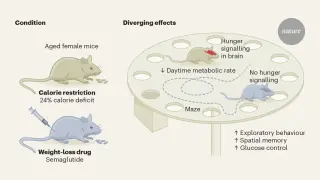
A study in Nature shows that late-life semaglutide treatment in female mice extends lifespan by 12.4% and slows aging markers, with benefits exceeding those of simple calorie restriction.
In a mouse study, researchers report a nasal‑spray vaccine that activates both innate and adaptive immunity, protecting against SARS‑CoV‑2 and other coronaviruses, two bacteria (Staphylococcus aureus and Acinetobacter baumannii), and a house‑dust‑mite allergen for at least three months, suggesting a possible universal vaccine pending human trials.
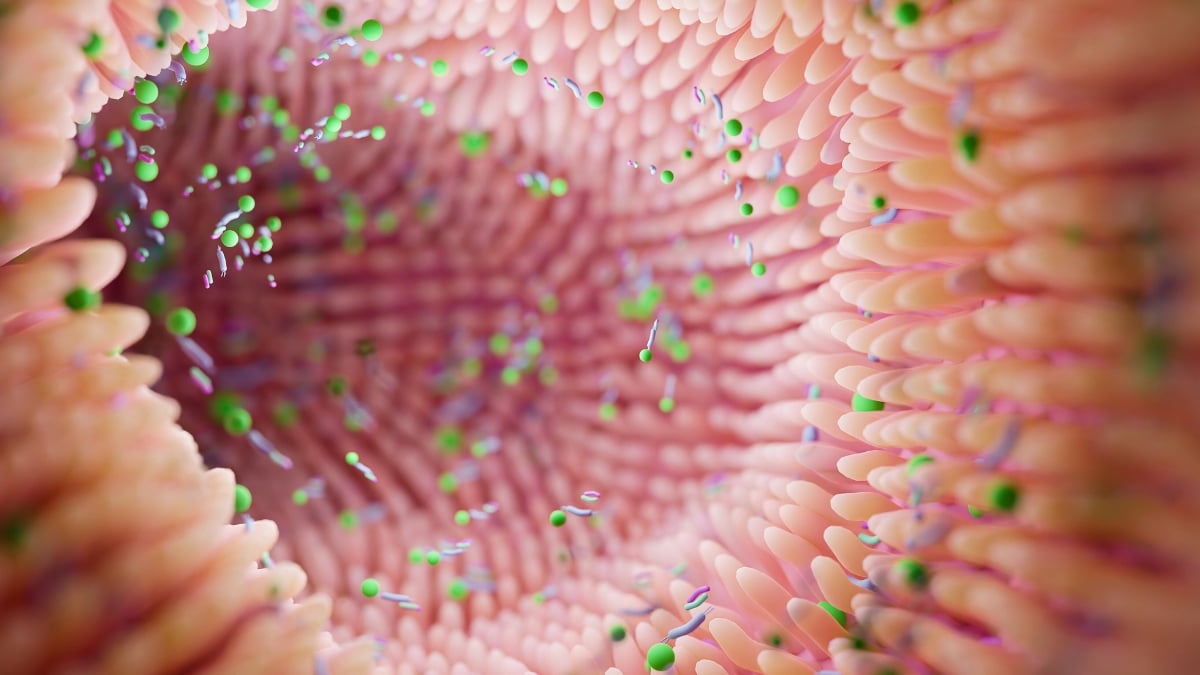
A new preclinical mouse study suggests estrogen heightens gut-pain sensitivity by acting on rare gut-lining L-cells, which increases OLFR78 receptor activity and boosts serotonin release via the PYY pathway, altering nerve signaling to the brain. Removing ovaries lowers estrogen and reduces pain sensitivity, while restoring estrogen brings it back, potentially explaining why IBS is more common and severe in women. The findings hint at potential targets (PYY/OLFR78) for IBS therapies, though translating mouse results to humans requires caution.
UK/Pakistan researchers report that a biodegradable gel made from the DNA sugar deoxyribose, when applied daily to shaved balding mice, triggered robust hair regrowth comparable to minoxidil, with no additional boost when combined with minoxidil; the effect is linked to increased blood supply to hair follicles, suggesting a potential new alopecia treatment, though findings are early and limited to male mice.
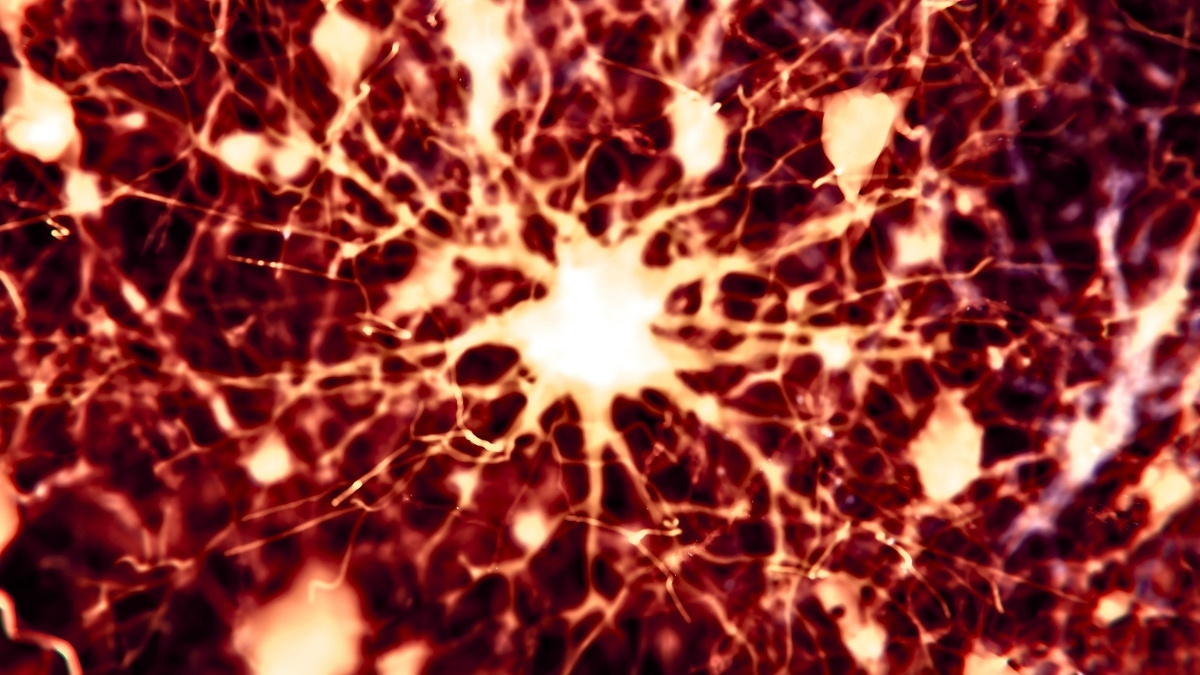
A recent study in mice suggests that restoring NAD+ levels with the compound P7C3-A20 can reverse brain damage and cognitive decline associated with advanced Alzheimer's disease, challenging the notion that the disease is irreversible. The findings highlight the potential for treatments targeting brain energy balance to repair damage and improve function, though further research in humans is needed.
Scientists have successfully reversed Alzheimer's symptoms in mice using a compound called P7C3-A20 that restores NAD+ levels, suggesting potential for human treatment and challenging the belief that brain damage from Alzheimer's is irreversible.
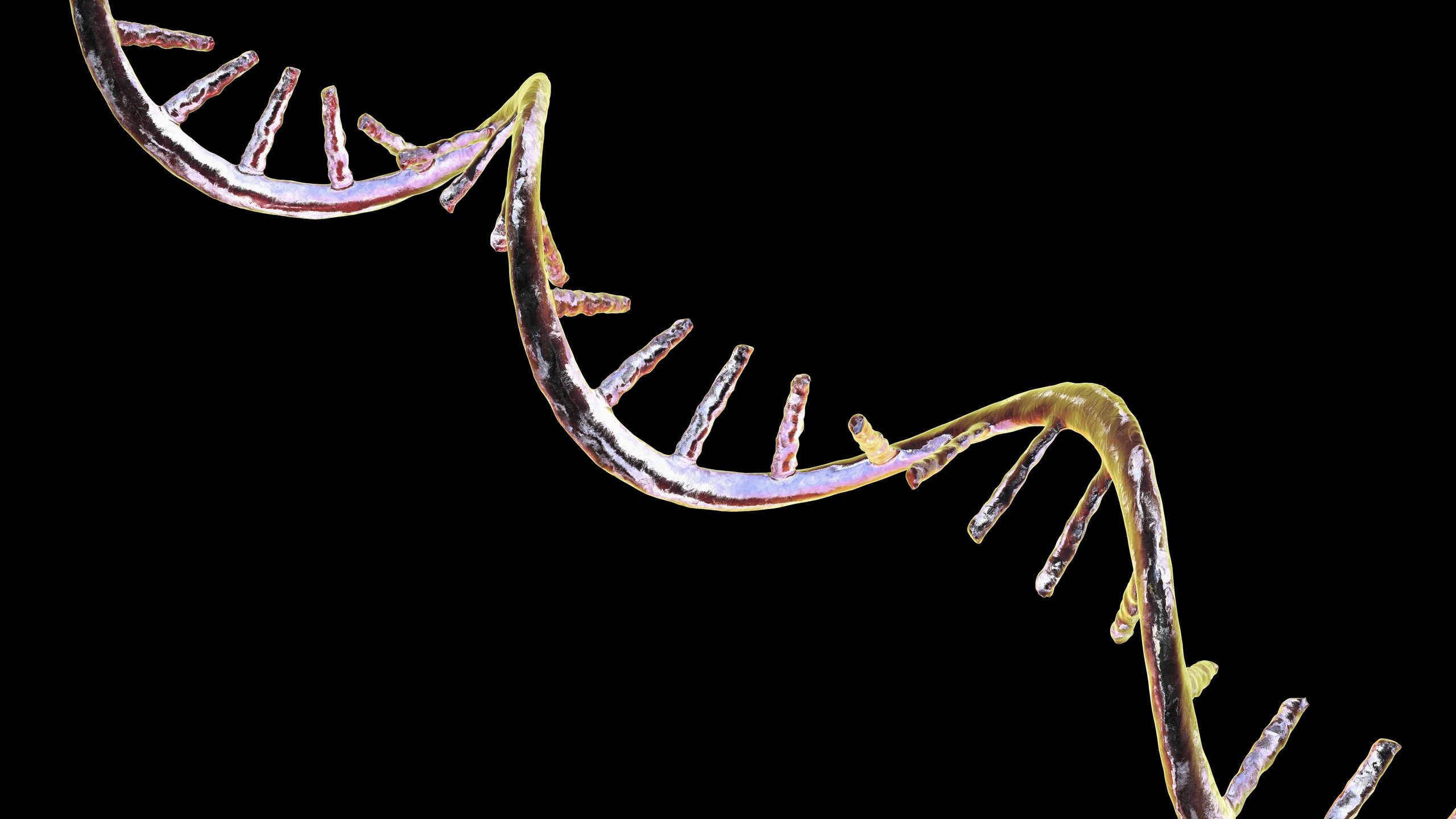
A mouse study demonstrates that an experimental mRNA treatment can rejuvenate immune cells, specifically T cells, potentially improving immune response in aging, but further research is needed to assess its applicability in humans.
A mouse study suggests that imbalances in gut bacteria may influence neural connectivity and depressive symptoms in bipolar disorder, with treatments like lithium showing behavioral improvements, highlighting the gut-brain connection's potential role in bipolar depression.
A mouse study suggests that a combination of zinc, serine, and branched-chain amino acids may improve brain connectivity and social behaviors in models of autism spectrum disorder, though further research is needed before clinical application.
Scientists have identified two existing cancer drugs, letrozole and irinotecan, that can reverse brain damage associated with Alzheimer's in mice, showing promise for future clinical trials and potential treatment options for humans.
A mouse study suggests weightlifting may be more effective than cardio for blood sugar control and fat reduction, challenging traditional exercise guidelines, though human research is needed to confirm these findings.
A new study from Taiwan shows that stimulating fat cells around hair follicles can trigger rapid hair regrowth in mice, suggesting a potential new treatment for baldness that involves activating fat cells through immune response mechanisms, with plans for human clinical trials.
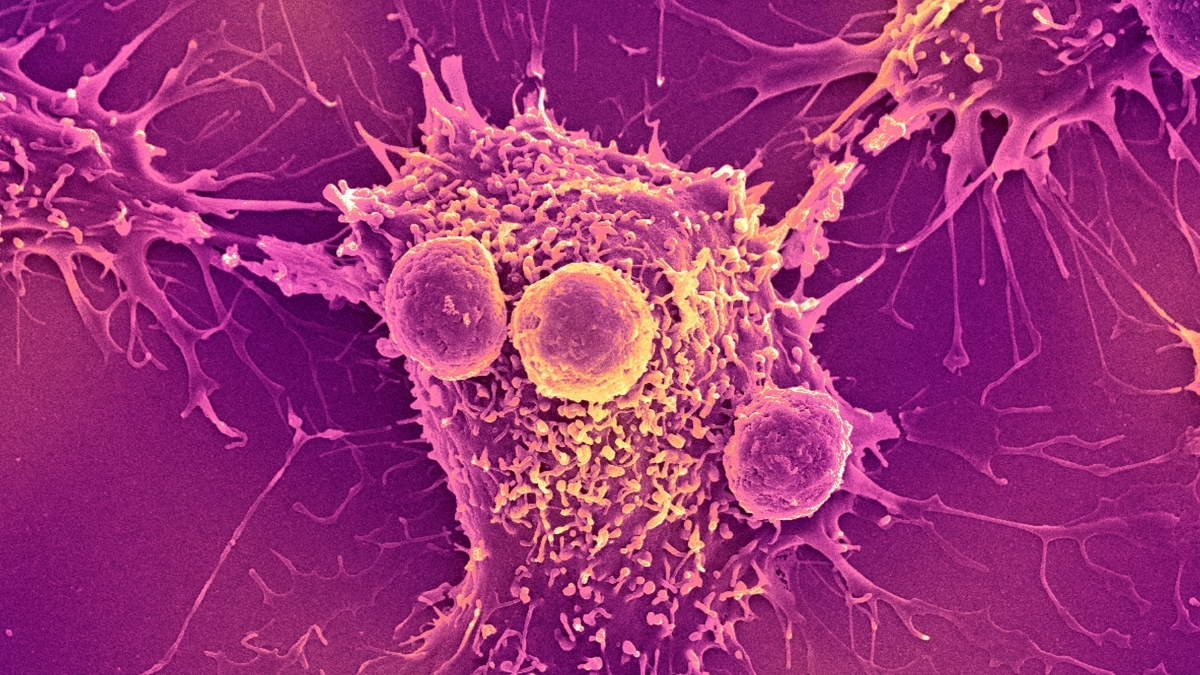
A new nanoparticle-based cancer vaccine shows promising results in mice, preventing multiple tumor types with up to 88% efficacy over 250 days, though human applicability remains to be tested.
Researchers identified specific neurons in the dorsomedial striatum that control the 'loser effect' in mice, revealing distinct brain circuits for winning and losing behaviors, which could provide insights into human social dynamics.
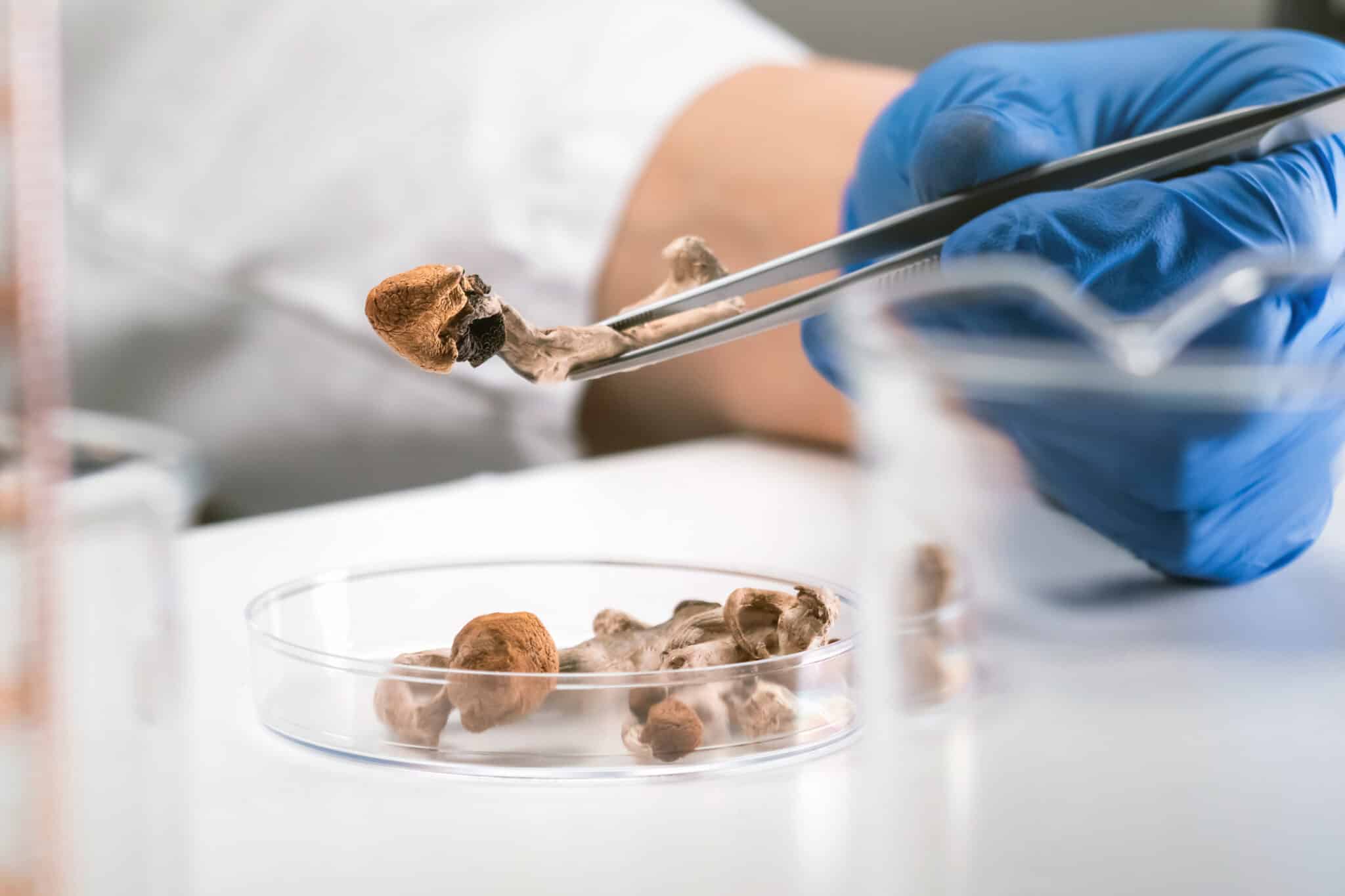
A single dose of psilocybin in mice rapidly reversed chronic pain and depression-like symptoms within 24 hours, with effects lasting at least 12 days, by calming overactive neurons in the brain's anterior cingulate cortex and requiring partial activation of serotonin receptors, highlighting potential for new treatments in humans.