Tag

Sea Ice

All articles tagged with #sea ice

Three-stage warming pushes Antarctic sea ice toward a tipping point
environment7 days ago

Three-stage warming pushes Antarctic sea ice toward a tipping point

A Southampton-led study in Science Advances identifies a three-stage sequence behind Antarctic sea-ice collapse to record lows since 2015: warm Circumpolar Deep Water rising toward the surface, intensified mixing that rapidly melts ice (especially East Antarctica), and a self‑reinforcing cycle that prevents new ice from forming. The East Antarctica melt is ocean-heat-driven, while West Antarctica is amplified by cloud-driven warming. If this persistent low-ice state continues, the Southern Ocean could become a long‑term driver of global warming, with destabilized currents and potential impacts on sea level and climate.

Antarctica’s sea-ice melt: winds and deep heat rewrite the southern ocean story
science11 days ago

Antarctica’s sea-ice melt: winds and deep heat rewrite the southern ocean story

A Science Advances study traces Antarctica’s sudden sea-ice collapse from 2013–2023 to a three-stage sequence in which stronger westerly winds first slosh cold, fresh surface waters away and uncover a deeper warm, salty layer, then mix that heat upward after 2015, and finally trigger self-reinforcing feedbacks that thin and delay sea-ice formation. The result has driven record-low sea-ice extent in 2023 and below-average extents in 2024–26, while threatening the Southern Ocean’s heat and carbon storage and disrupt­ing ecosystems. Although the system has shifted to a new regime, scientists say a full collapse hasn’t occurred yet and future changes (like precipitation or glacier melt) could alter the trajectory.

Deep Ocean Heat Triggers Antarctica's Sudden Sea-Ice Decline
planet-earth29 days ago

Deep Ocean Heat Triggers Antarctica's Sudden Sea-Ice Decline

Antarctic sea ice began a rapid, decade-long decline around 2016 after a “violent release” of heat from the deep ocean. Argo floats tracked warming temperatures and salinity shifts, showing that deeper warmth, churned up by winds and a fresher surface layer, prevented ice formation and hindered recovery. The findings underscore the ocean’s key role in decadal sea-ice variability and have implications for adjacent ice shelves and potential sea-level rise, though the long-term trend remains negative as the climate continues to warm.

Emperor penguins endangered as Antarctic sea ice vanishes
environment1 month ago

Emperor penguins endangered as Antarctic sea ice vanishes

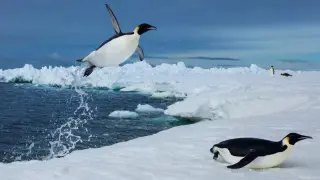
An IUCN red list update moves emperor penguins from near threatened to endangered as climate-driven sea-ice loss triggers mass chick drownings and colony collapses, with the population expected to decline about 50% by the 2080s (to roughly 595,000 adults), highlighting broader Antarctic ecosystem stress including krill-dependent species such as fur seals.

Arctic winter sea ice near record low as global heat records surge
environment1 month ago

Arctic winter sea ice near record low as global heat records surge

Arctic sea ice reached its winter maximum at about 5.52 million square miles, roughly tying the lowest on record and about 525,000 square miles below the 1981-2010 winter average, signaling a steady decline as warming continues. The smaller ice pack means less sunlight reflected, allowing more heat to enter the oceans and potentially affect the summer melt and weather patterns. Antarctica meanwhile posted its coldest March day on record; melting sea ice does not raise sea levels, but the broader loss signals climate disruption with implications for ecosystems and shipping routes.

Arctic bears adapt: Svalbard polar bears stay healthy despite melting ice
science3 months ago

Arctic bears adapt: Svalbard polar bears stay healthy despite melting ice

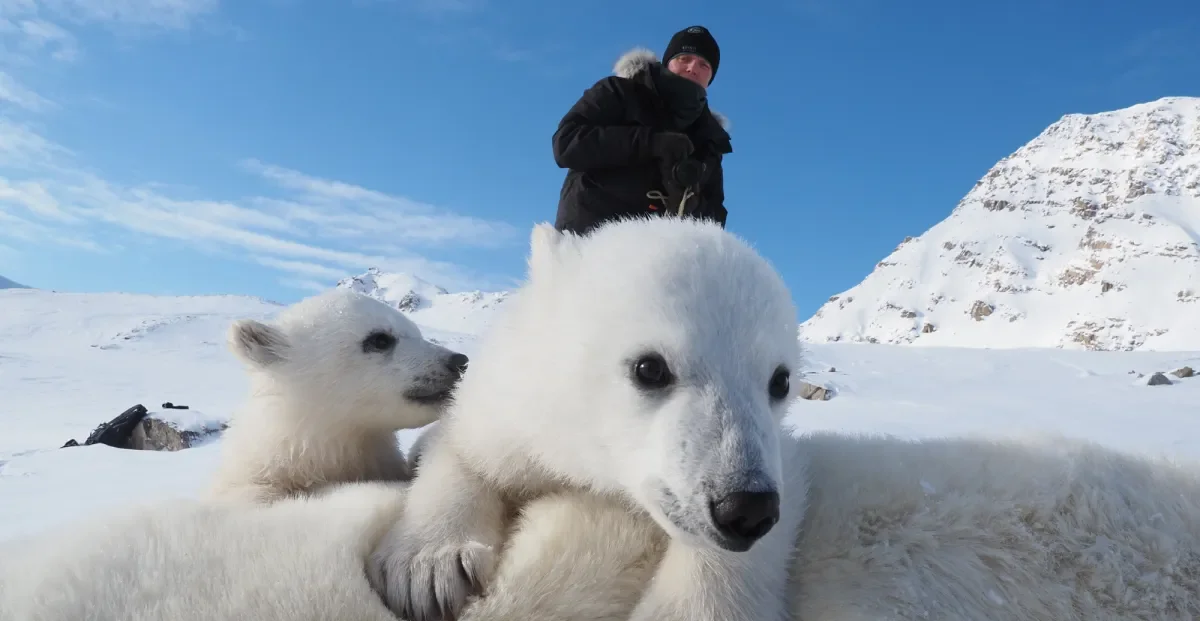
A Scientific Reports study of hundreds of Svalbard polar bears finds their body condition improved from 2000 to 2019 even as sea ice declined, suggesting dietary adaptation (more ringed seals and land prey like reindeer, plus scavenging) and regional variability among roughly 20 populations; while other regions like Western Hudson Bay show declines, climate change remains a major threat, and polar bears are not doomed everywhere.

Scientists warn of irreversible Antarctic changes and potential catastrophe
science5 months ago

Scientists warn of irreversible Antarctic changes and potential catastrophe

Australian scientists warn that Antarctica is experiencing rapid, irreversible climate changes, including shrinking sea ice, weakening ocean currents, and destabilizing ice sheets, driven by global warming. These changes threaten global sea levels and ecosystems, emphasizing the urgent need for deep emission cuts this decade to prevent irreversible damage.

Massive Antarctic Sea Ice Hole Unveils Hidden Force
science5 months ago

Massive Antarctic Sea Ice Hole Unveils Hidden Force

A massive hole in Antarctic sea ice, known as a polynya, was caused by complex interactions between wind, ocean currents, and salinity, revealing how localized ocean processes can have significant impacts on global climate and ocean circulation. The event, driven by Ekman-driven salt transport and deep convection, highlights the changing dynamics of the Southern Ocean in the context of climate change, with potential implications for heat and carbon exchange.

Arctic Changes Threaten Global Climate Stability
environment9 months ago

Arctic Changes Threaten Global Climate Stability

A study published in Nature Climate Change reveals significant shifts in Antarctic phytoplankton communities over nearly three decades, driven by reduced sea ice and iron availability, leading to a decline in diatoms crucial for carbon sequestration. These changes threaten to disrupt the marine food web and accelerate global climate change by decreasing the ocean's ability to store carbon, highlighting the importance of long-term data collection in understanding climate impacts.

Southward Shift in Ocean Circulation and Its Climate Impact
science10 months ago

Southward Shift in Ocean Circulation and Its Climate Impact

Recent measurements suggest a reversal in the salinity trend in the Southern Ocean around Antarctica, shifting from freshening to increased salinity, which complicates understanding of regional climate processes. While these changes are not large, they provide important clues about the complex interactions between sea ice, ocean circulation, and climate factors. The region's climate system is highly dynamic and challenging to model accurately, requiring integrated observations and advanced models to better predict future changes.