Tag

Sleep Study

All articles tagged with #sleep study

Brighter daytime light linked to earlier, deeper sleep, study finds
health19 hours ago

Brighter daytime light linked to earlier, deeper sleep, study finds

A Manchester-led study of 89 adults using light sensors and sleep trackers over more than 500 days found that brighter and more consistent daytime light exposure is associated with falling asleep earlier, waking earlier, and experiencing deeper sleep in the first part of the night. Morning light is particularly beneficial for maintaining a steady sleep-wake cycle; reducing bright light in the evening and keeping a consistent wake time may improve sleep. The study shows association, not causation, and used wrist-worn light measurements, with other factors like activity or meals not fully accounted for.

Daylight in the day linked to earlier sleep and deeper night rest, study finds
health1 day ago

Daylight in the day linked to earlier sleep and deeper night rest, study finds

A University of Manchester-led study tracked 89 adults over more than 500 days and found brighter, more consistent daytime light exposure is associated with earlier sleep onset and wake times, plus deeper sleep early in the night. Morning daylight appears especially beneficial for stabilizing the sleep-wake rhythm. The research used wrist-worn light sensors and sleep trackers, notes that correlation—not causation—exists, and acknowledges limitations like not measuring eye-level light and not accounting for activity or meals. Recommendations include getting morning light, reducing evening brightness, maintaining a regular wake time, and aiming for about seven hours of sleep per night.

Nighttime drool could signal a sleep problem beyond embarrassment
health4 months ago

Nighttime drool could signal a sleep problem beyond embarrassment

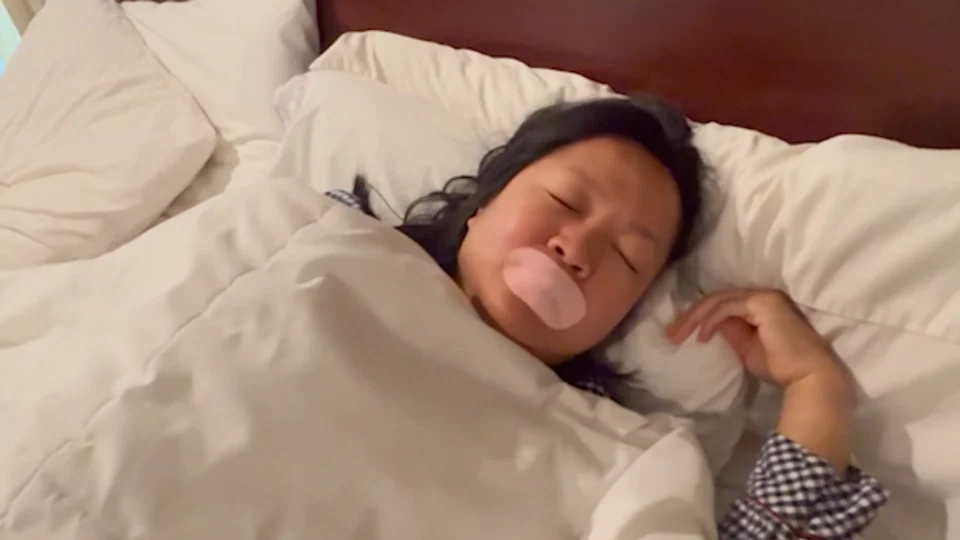
Waking up with drool is common, but persistent drooling may indicate sleep disorders (such as sleep apnea) or neurological conditions; causes include mouth breathing from nasal blockage, acid reflux, allergies, dental bite issues, and sleeping position. A proper workup, often starting with a home sleep study and consultation with an ENT or sleep specialist, is advised; treatments target the underlying cause, and mouth taping is not recommended due to safety concerns.

SleepFM AI predicts 130 diseases from one night’s sleep
science6 months ago

SleepFM AI predicts 130 diseases from one night’s sleep

Stanford researchers unveil SleepFM, a foundation AI trained on nearly 600,000 hours of sleep data and long-term health records to forecast risk for about 130 diseases (and all-cause mortality) using only a single night of sleep captured via polysomnography; the model outperforms existing predictors (C-index >0.8 in many cases) and could someday be paired with wearables for real-time health monitoring, though current data come from sleep-clinic populations and may not generalize.

Understanding Paradoxical Insomnia: When Sleep Seems Impossible
health8 months ago

Understanding Paradoxical Insomnia: When Sleep Seems Impossible

Paradoxical insomnia is a condition where individuals believe they haven't slept despite evidence from sleep studies showing they have, highlighting complexities in sleep perception and brain activity during sleep. Recent research suggests that altered states of consciousness and brain activity may explain this discrepancy, and therapies like CBT-I can help manage it.

Doctors Warn: Common Nap Habits May Increase Risk of Early Death
health1 year ago

Doctors Warn: Common Nap Habits May Increase Risk of Early Death

A large study suggests that regular daytime napping, especially in the early afternoon, may be linked to a higher risk of early death, with irregular and longer naps potentially indicating underlying health issues. Experts recommend doctors inquire about patients' napping habits as part of health assessments, as these patterns could serve as early signs of declining health or underlying conditions like heart disease or dementia.

"Mild Insomnia Linked to Future Alcohol Use in Adults"
health2 years ago

"Mild Insomnia Linked to Future Alcohol Use in Adults"

A study in Alcohol, Clinical and Experimental Research found that even mild insomnia symptoms can predict increased future alcohol use in adults. Using objective measures like wrist actigraphy and the dim light melatonin onset test, researchers discovered that higher baseline insomnia severity and longer total sleep time were linked to greater alcohol consumption and binge drinking. The study highlights the importance of addressing sleep disturbances to potentially reduce alcohol misuse.

"Uncovering the Truth: My Rare Condition Made Me Seem Lazy, But It's Something Else Entirely"
health2 years ago

"Uncovering the Truth: My Rare Condition Made Me Seem Lazy, But It's Something Else Entirely"

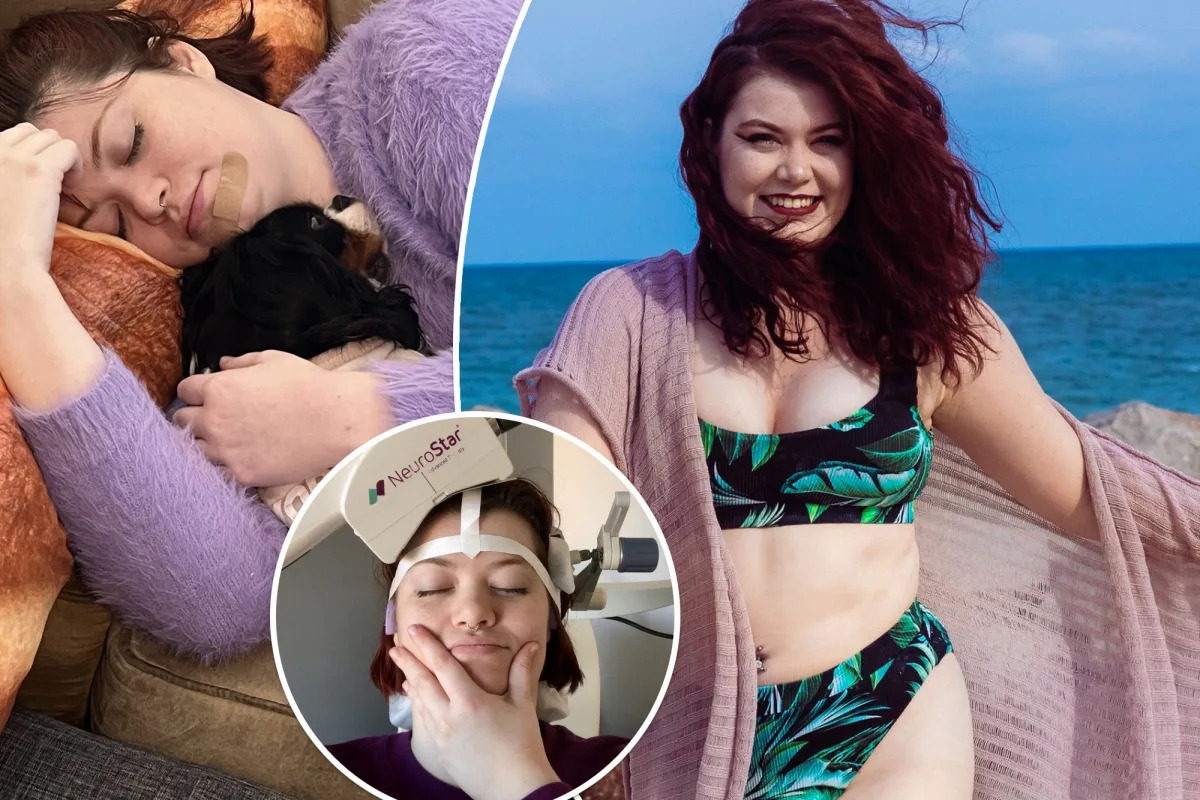
Alyssa Davis, a 26-year-old model and digital marketer, was diagnosed with idiopathic hypersomnia, a rare chronic sleep disorder characterized by excessive sleepiness with no clear cause. After years of being dismissed by doctors, she finally received a diagnosis and is now in the process of undergoing a new treatment. Davis is sharing her story to raise awareness about the condition and encourage others to seek proper medical attention.

"Night Owls Beware: Just Two Nights of Restless Sleep Can Make You Feel Decades Older, Warns Study"
health2 years ago

"Night Owls Beware: Just Two Nights of Restless Sleep Can Make You Feel Decades Older, Warns Study"

A new study suggests that just two consecutive nights of poor sleep can make a person feel years older than they really are, with participants reporting feeling three months older for every night of poor sleep. Morning people were particularly affected by limited sleep, but even evening people felt older than their true age after plenty of sleep. Feeling older coincided with more sleepiness, and previous research has linked higher subjective age to depression. The study's lead author suggests that subjective age is "malleable," and if people can be made to feel younger, they may experience associated benefits such as being more willing to take on new experiences and being socially and physically active.