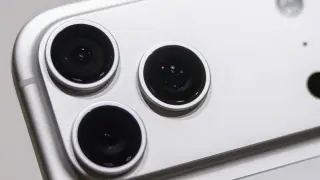
Bloomberg’s Gurman says the foldable iPhone will lack a telephoto camera, leaving only a main wide and ultrawide lens and making true optical zoom impossible; by contrast, iPhone 17 Pro/18 Pro Max rumors suggest 4x–6x optical zoom, so deep-zoom photography on the foldable would be disappointing.
Live Science outlines seven practical approaches to photographing the August 12, 2026 total solar eclipse, ranging from souvenir shots through eclipse glasses on a phone to wide-angle landscapes, crescent-sun projections, close-up corona with telephoto lenses, and both full-sequence and wide-angle sequence techniques, all with emphasis on solar safety and rehearsal/gear options.
The Huawei Pura 90s Pro Max is a premium, photography-focused flagship with a 6.9-inch LTPO OLED, Kunlun Glass, 100W wired charging, and IP68/IP69K durability. Its rear camera array centers on a 200MP telephoto with an Ultra Lighting Prism, plus a 50MP main (RYYB) and 40MP ultrawide, delivering strong color and dynamic range and versatile zoom, though it lacks quick shortcuts to 20x/35mm presets. AI tools include AI Composition, with some features limited in Europe compared with APAC. The phone runs EMUI without native Google Mobile Services, but a GBox workaround via Petal Search (and Google Play) can enable access to Google apps, Lightroom, and more. Quirks include a few UI inefficiencies (exposure controls, timer placement) and some video frame-rate limitations (no 24fps). Availability starts at €1,149 (~$1,300).
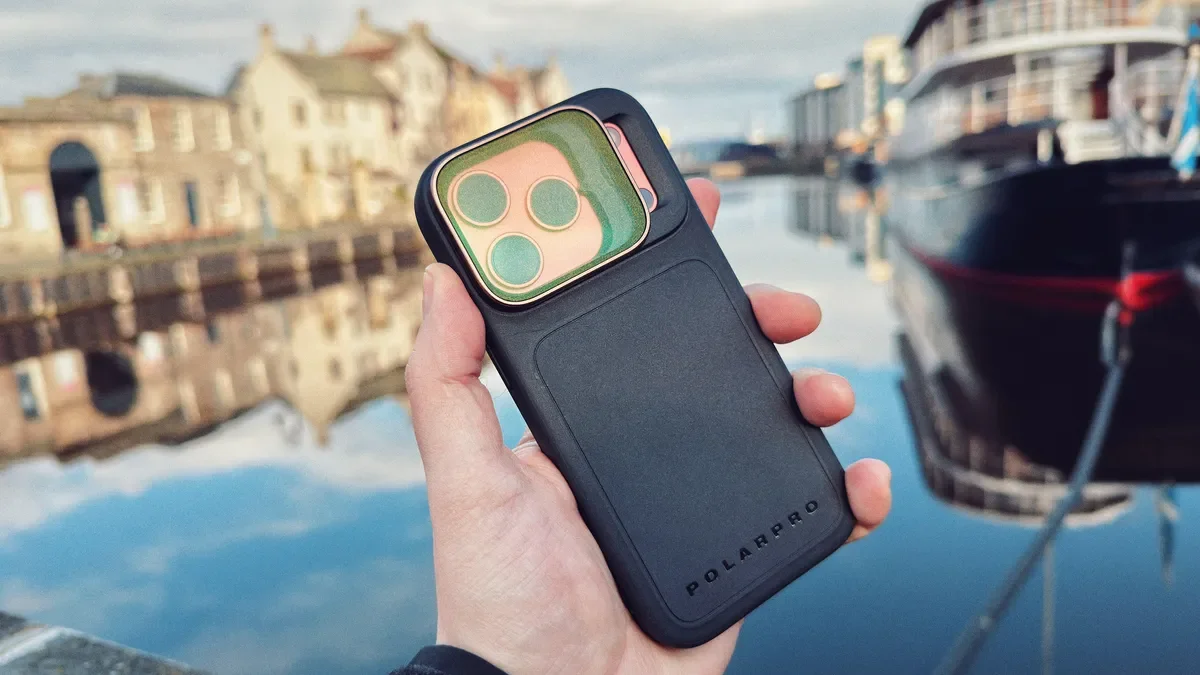
Three practical ways to make phone photos feel like analog film: (1) use a mist filter on a lens with a phone adapter to soften details and add highlight bloom; (2) shoot in RAW/ProRAW and slightly overexpose to preserve dynamic range and achieve a brighter, film-like look; (3) edit with apps like Snapseed, VSCO, or Lightroom, applying grain and dialing back overly sharp details, using built-in presets (e.g., Apple Photographic Styles, Samsung My Filter) or external presets to taste for a warm, vintage vibe.
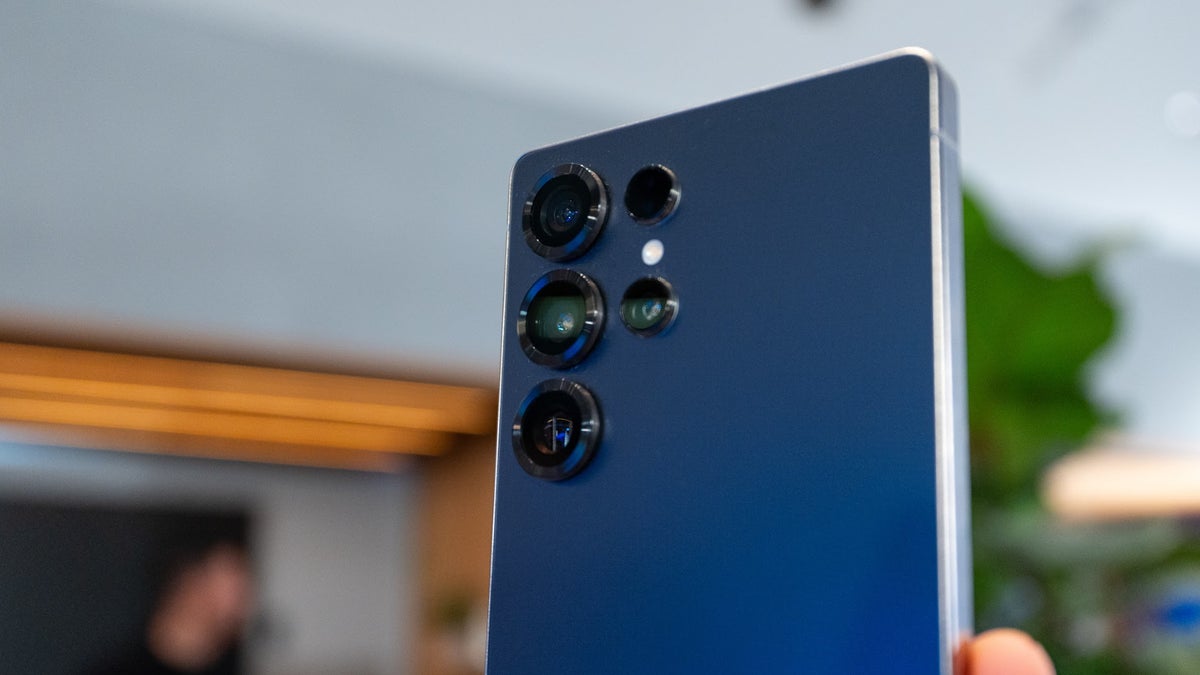
The Samsung Galaxy S26 Ultra is expected to feature camera improvements including a wider aperture for better low light photos, enhanced lens coating to reduce flare, and more accurate skin tone processing, though these upgrades may offer diminishing returns compared to competitors. The focus on camera enhancements might not be enough to significantly influence purchasing decisions, with larger batteries suggested as a more impactful upgrade.
A severe geomagnetic storm caused by a coronal mass ejection from the sun is expected to increase the visibility of the northern lights as far south as Texas. Tips are provided for capturing the aurora with smartphones, emphasizing stability, long exposure, and proper settings. Viewers are encouraged to find dark, northern locations away from city lights and to use features like Night Mode and a tripod for best results.
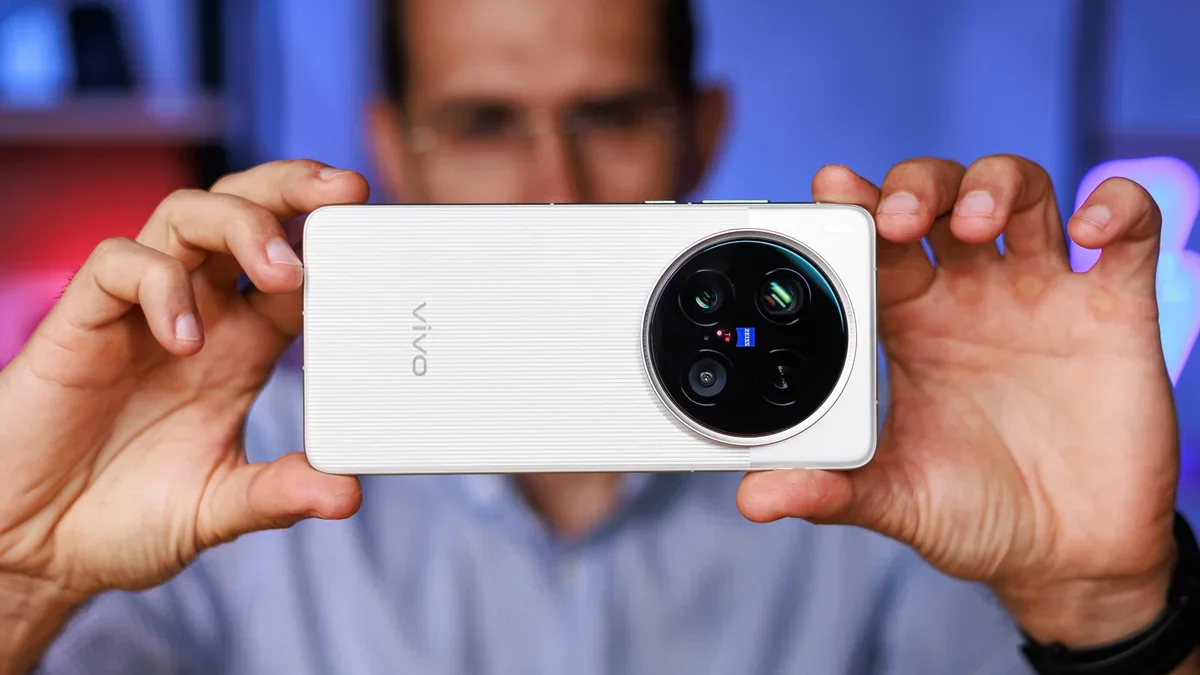
The Vivo X300 Ultra, a high-end Chinese smartphone with rumored dual 200MP sensors, is making its global debut, showcasing advanced camera capabilities and experimental features. While unlikely to surpass giants like Apple or Samsung in sales, it signifies a shift towards more exotic, hardware-focused camera phones from Chinese brands, offering enthusiasts more options beyond mainstream ecosystems.
A credible leaker confirms that the upcoming iPhone 18 Pro will feature a variable aperture lens, enhancing control over depth of field and potentially improving photography and videography capabilities, with the feature likely exclusive to the Pro Max model initially.
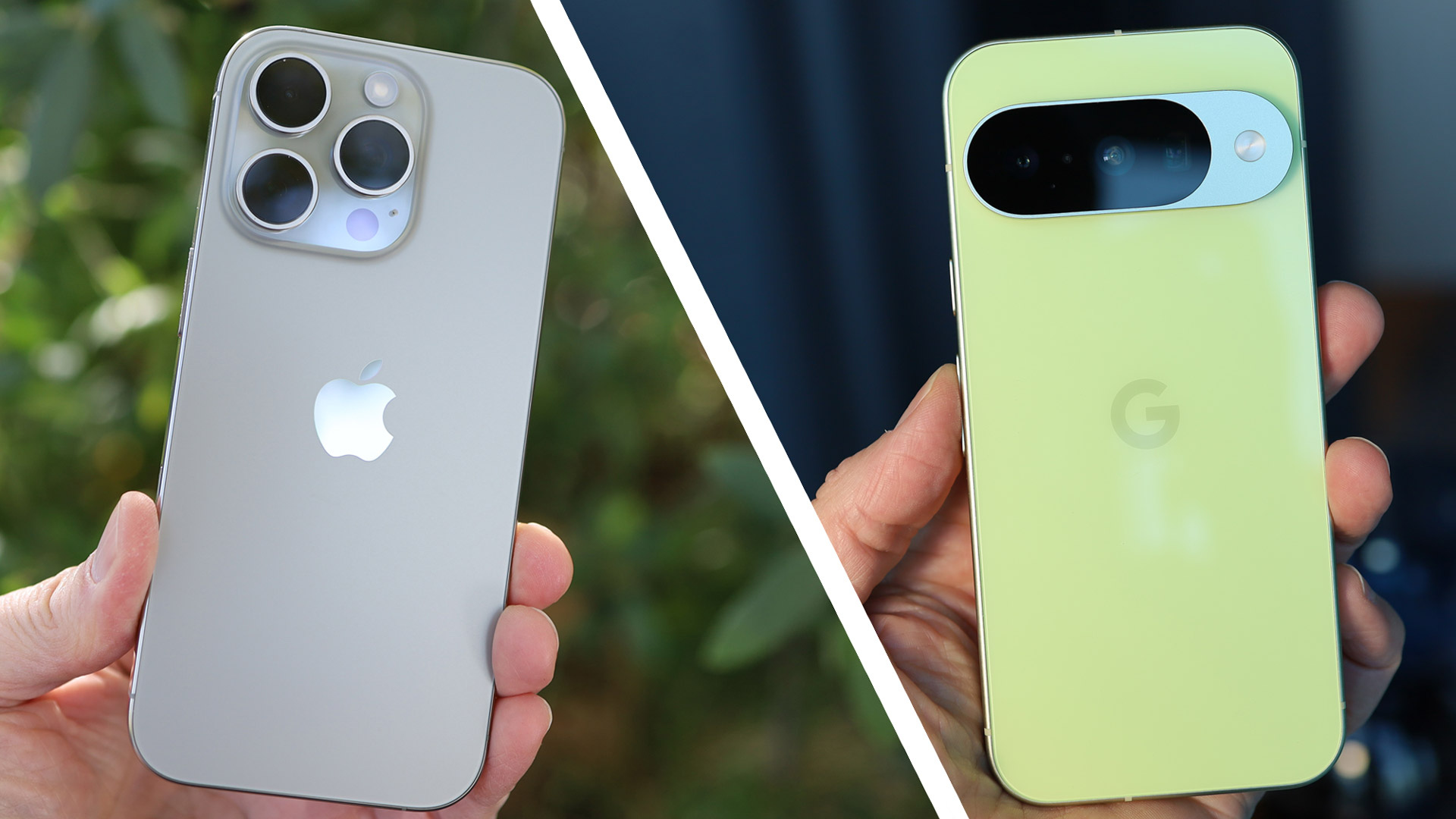
The article compares the camera performance of the iPhone 17 Pro and Pixel 10 Pro XL across various scenarios, highlighting that both phones offer excellent but distinct photo qualities, with the iPhone generally providing more vibrant images and the Pixel favoring natural tones. Neither has a clear overall winner, and the choice depends on user preference and ecosystem, though the Pixel's performance is more muted and naturalistic.
Over 15 years, Samsung's Galaxy S series has dramatically advanced smartphone camera technology, from a 5MP camera recording 720p video to the Galaxy S25 Ultra with a 200MP camera capable of recording 8K video and featuring multiple lenses, reflecting significant improvements in resolution and camera capabilities.
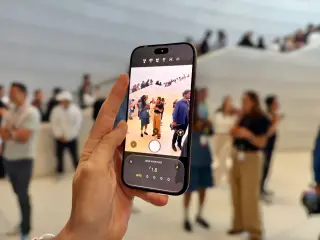
Apple's iPhone 17 introduces a major upgrade to the front-facing selfie camera, featuring a 24MP square sensor, AI-powered auto zoom and rotation, and the innovative Center Stage button, making it the most advanced selfie camera and potentially influencing future Android phones to adopt similar technology.
Photographer Tyler Stalman reviews the camera improvements on the iPhone 17 Pro and Pro Max, highlighting significant upgrades in selfie camera features, ProRAW handling with JPEG-XL format, and overall image quality, suggesting these models are worth upgrading to for enhanced photography capabilities.
The Google Pixel 10, priced significantly lower than the iPhone 16 Pro Max, offers nearly comparable photography capabilities, excelling in low-light, panoramic, and macro shots, though the iPhone still leads in overall image quality, color, and exposure range.
Compact digital cameras are experiencing a resurgence as people seek devices that offer a more authentic, distraction-free, and nostalgic photography experience, driven by a desire for better low-light images and a vintage aesthetic, despite the dominance of smartphones.
Samsung's Galaxy Z Fold 7 introduces a 200MP camera with a claimed 7x faster shutter speed to reduce motion blur, along with various enhancements for brighter images, better zoom, macro shots, and improved video recording, aiming to address common camera issues in Samsung phones.