Tag

Soft Tissue

All articles tagged with #soft tissue

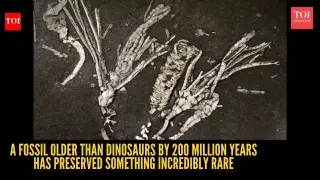
Ancient Crinoid Preserves Rare Soft Tissue, Older Than Dinosaurs by 200 Million Years
science1 month ago

Ancient Crinoid Preserves Rare Soft Tissue, Older Than Dinosaurs by 200 Million Years

A University of Oklahoma team reports a 450-million-year-old crinoid fossil (Dendrocrinus simcoensis) that preserves soft tissue—the oldest crinoid fossil with soft tissue and only the second example overall—offering rare insights into early reef life and crinoid feeding via tube feet, well before dinosaurs, and highlighting the enduring value of museum collections for new discoveries.

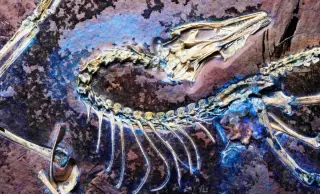
Tiny Archaeopteryx Reveals Soft-Tissue Feats That Confirm An Ancient Flight
science3 months ago

Tiny Archaeopteryx Reveals Soft-Tissue Feats That Confirm An Ancient Flight

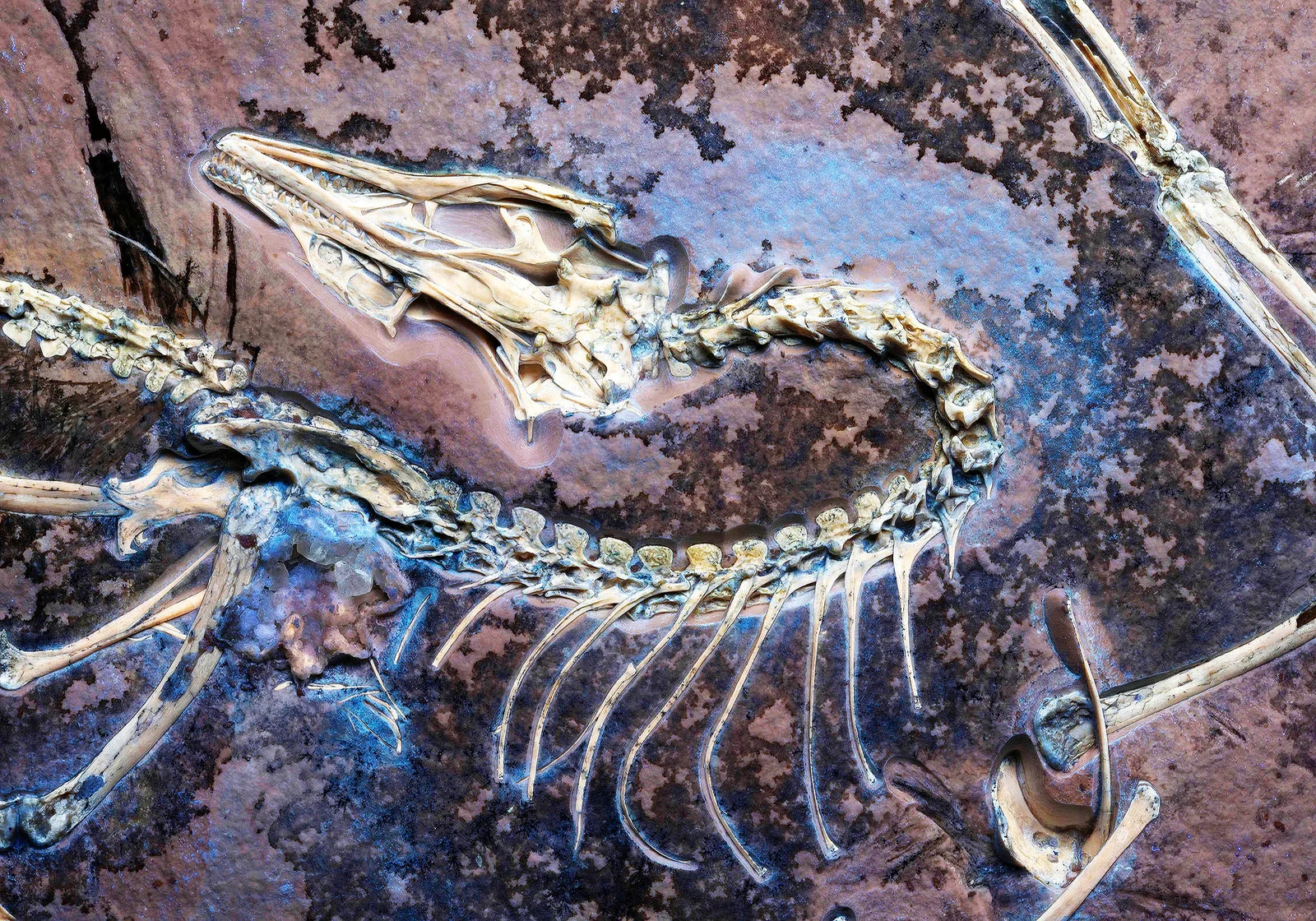
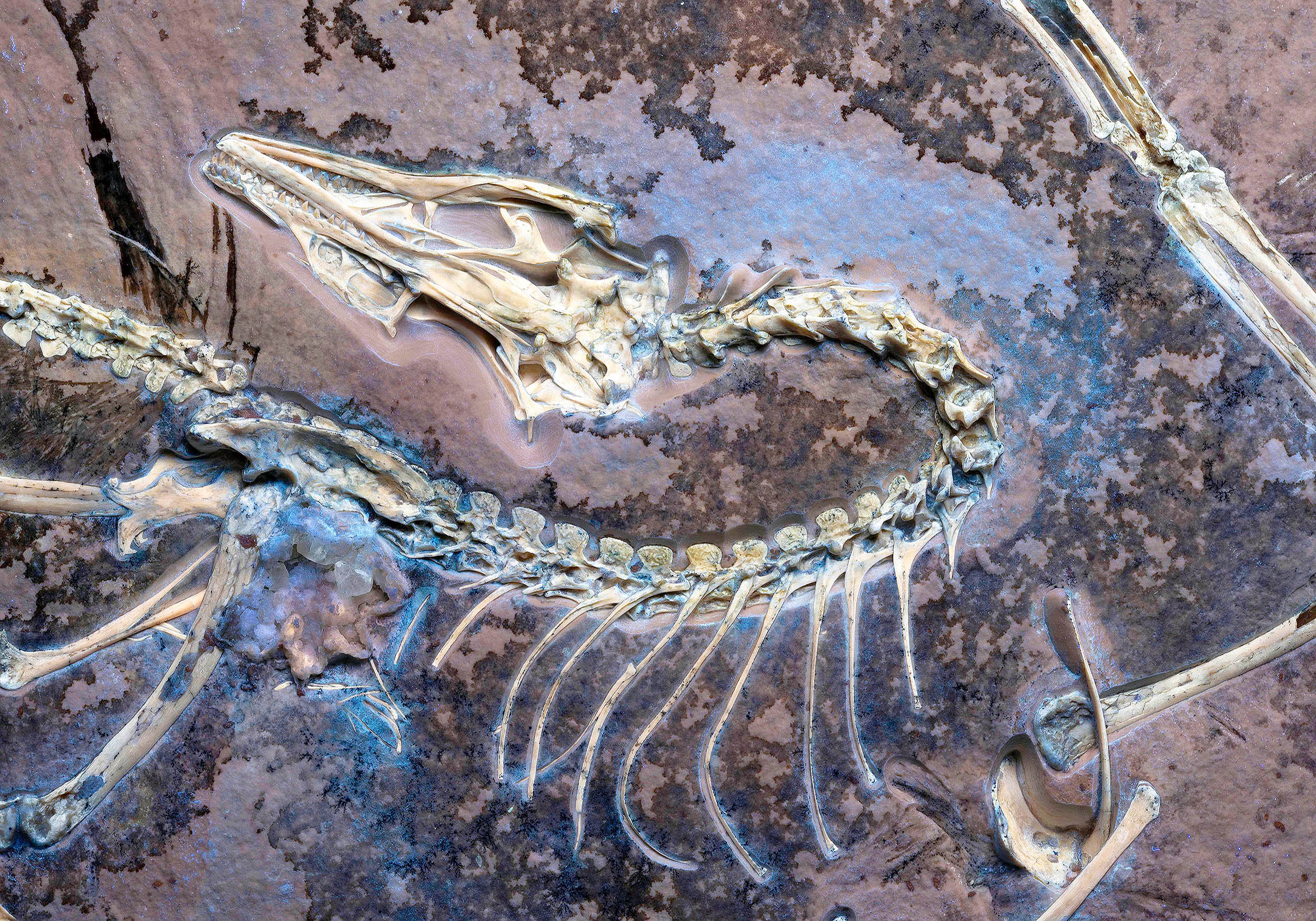
Scientists analyzed the Chicago Archaeopteryx fossil, a pigeon-sized specimen from Solnhofen limestone, using CT scanning and UV light to expose preserved soft tissue and long wing tertials. The find provides clear evidence that this early feathered creature could fly and reinforces Darwin’s 1859 prediction that transitional forms would appear in the fossil record, refining our understanding of how flight evolved in dinosaurs and birds.

Tiny Archaeopteryx with preserved soft tissue reshapes view of bird flight origins
science5 months ago

Tiny Archaeopteryx with preserved soft tissue reshapes view of bird flight origins

Chicago’s Archaeopteryx fossil, unusually well-preserved with soft tissues, was CT-scanned and examined under UV light, revealing detailed anatomy from snout to tail and long tertial feathers. The findings suggest this bird could fly and imply that flight evolved more than once among dinosaurs, lending fresh support to Darwin’s theory of evolution.

"12,000-Year-Old Preserved Human Brains Challenge Soft Tissue Decay Assumptions"
science2 years ago

"12,000-Year-Old Preserved Human Brains Challenge Soft Tissue Decay Assumptions"

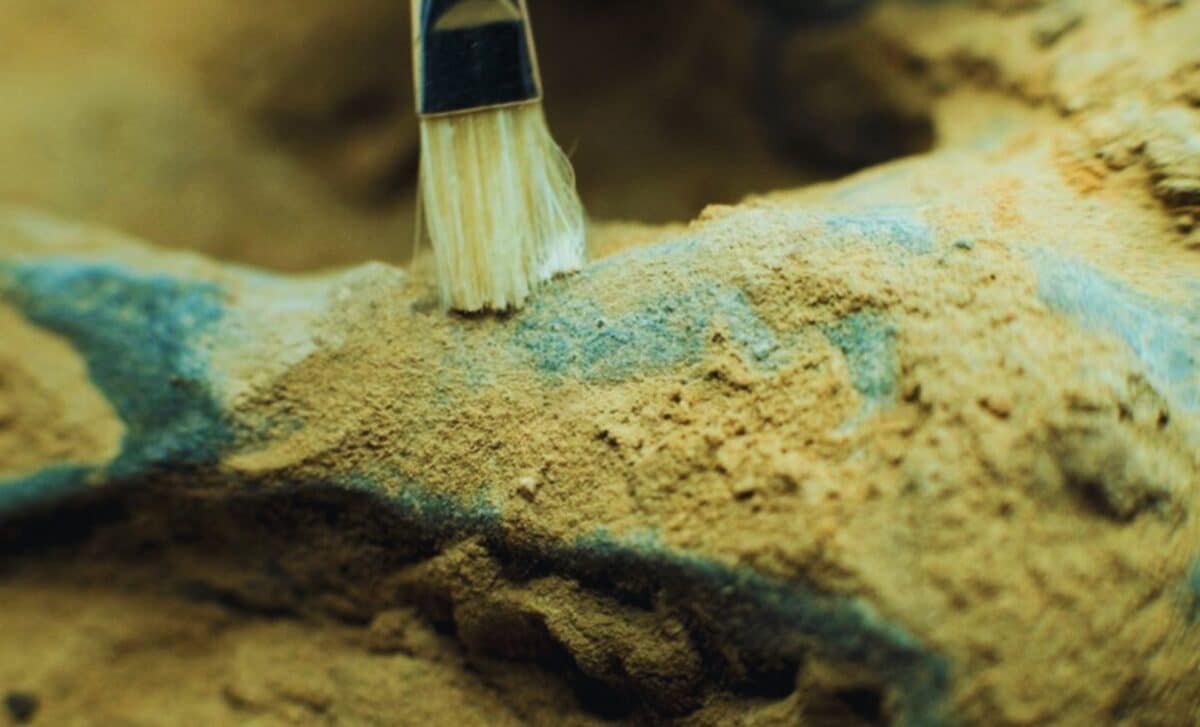
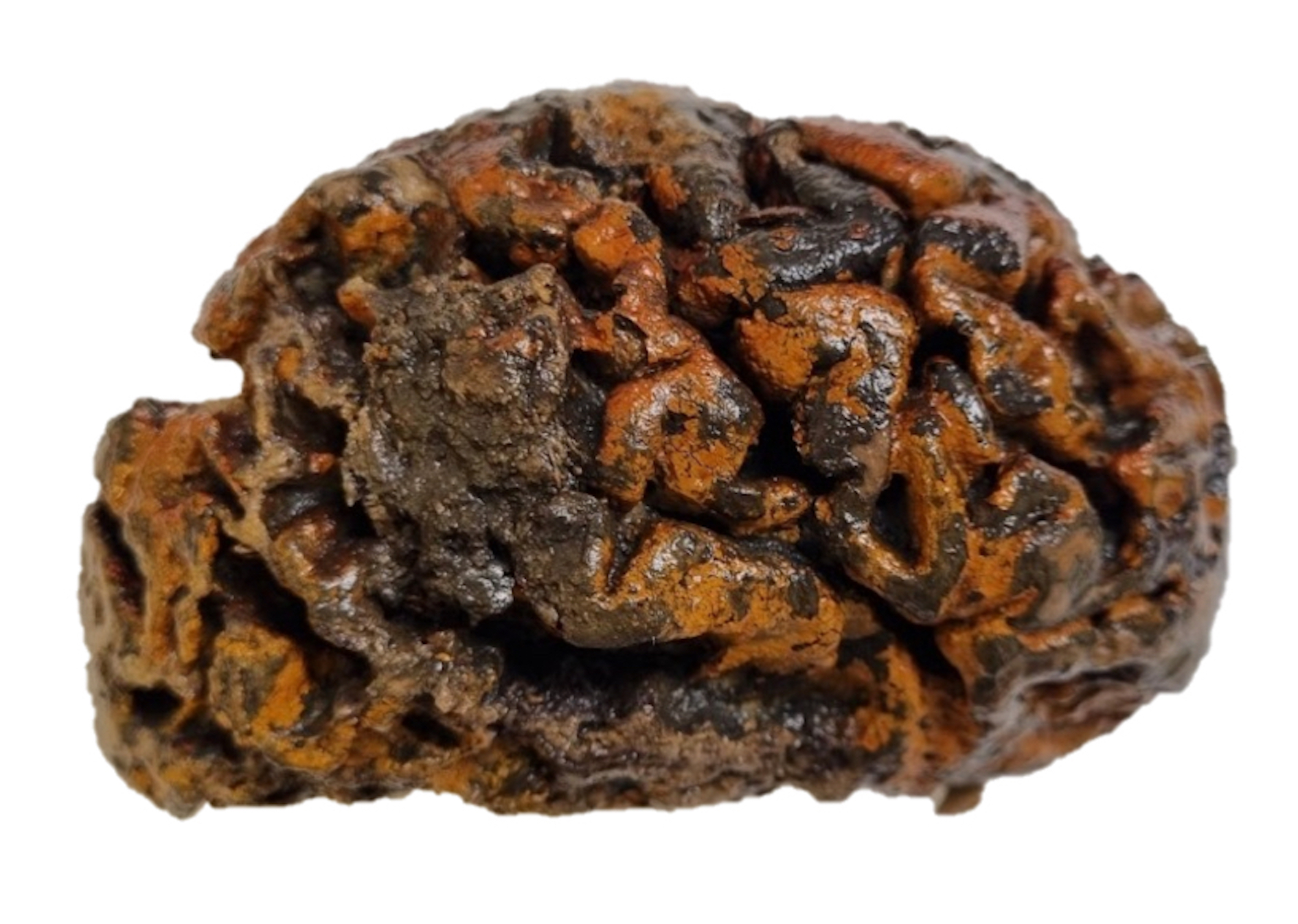
A global archive of over 4,400 preserved human brains, some dating back 12,000 years, has provided groundbreaking insight into soft tissue preservation, challenging the perception that naturally preserved brains are extremely rare. The brains, originating from various environments worldwide, were found to have been preserved through mechanisms such as dehydration, freezing, saponification, and tanning. This research could offer valuable information on human evolution, ancient health, and diseases, including neurodegenerative conditions like Alzheimer's. The study highlights the need for excavating archaeologists to remain open to unexpected discoveries and emphasizes the scientific value of studying these preserved human remains.