
Beetroot Juice Fails to Boost Swim Speeds, Only Eases Perceived Effort
A new meta-analysis confirms that beetroot juice does not improve swimming times or lower blood lactate, though it may slightly reduce how hard the effort feels.

All articles tagged with #sports nutrition
A new meta-analysis confirms that beetroot juice does not improve swimming times or lower blood lactate, though it may slightly reduce how hard the effort feels.

Over 30 days, taking 4g of creatine daily reportedly boosted training capacity (HYROX prep and heavy kettlebell work) and left the author feeling mentally sharper, even with limited sleep, while debunking the dehydration myth. The article cites evidence that creatine increases phosphocreatine stores by about 20–40%, extending ATP energy and potentially adding 1–2 reps per set. Benefits may include cognitive support, especially for vegetarians and older adults. Hydration should be maintained with extra fluids, and sleep remains essential; creatine serves as a helpful, not magical, boost to performance and brain energy.
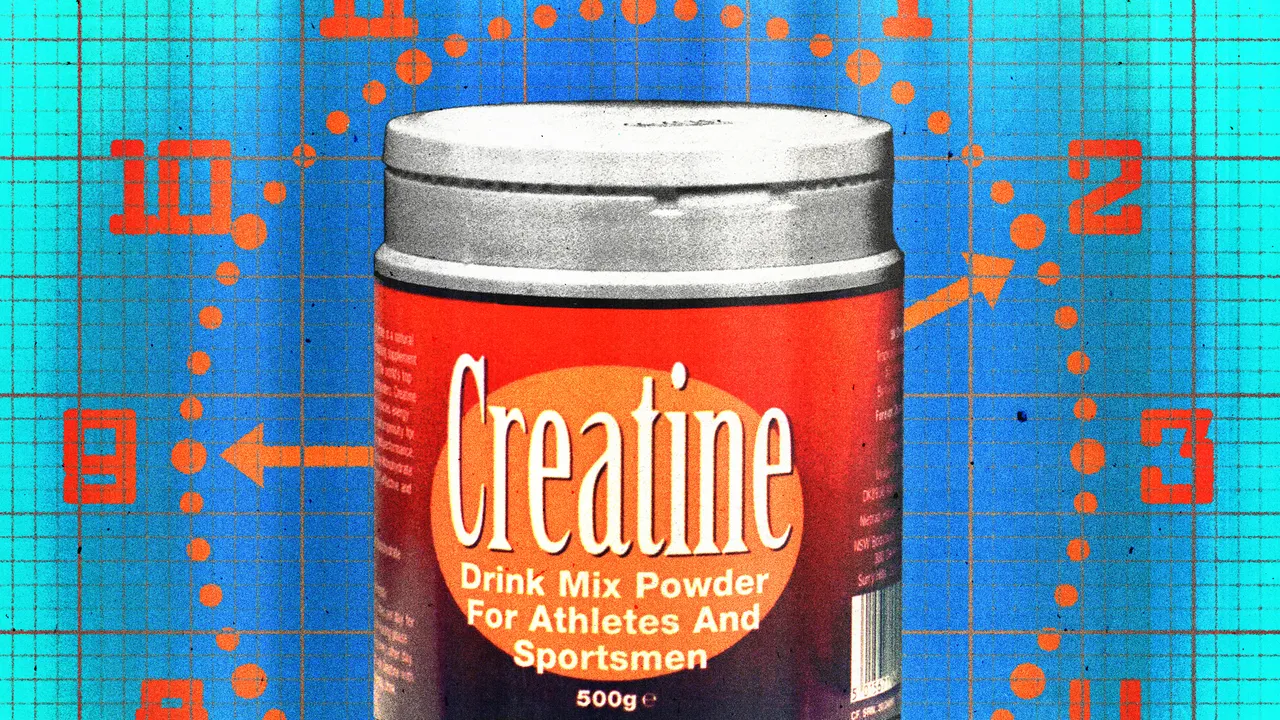
The best time to take creatine is flexible; it can be taken before or after workouts, with consistent daily intake being most important. Pairing it with carbohydrates can enhance absorption, and a standard dose is 5 grams daily, with or without a loading phase. Regular use supports muscle strength, recovery, and cognitive health, but quality and safety of supplements should be verified.
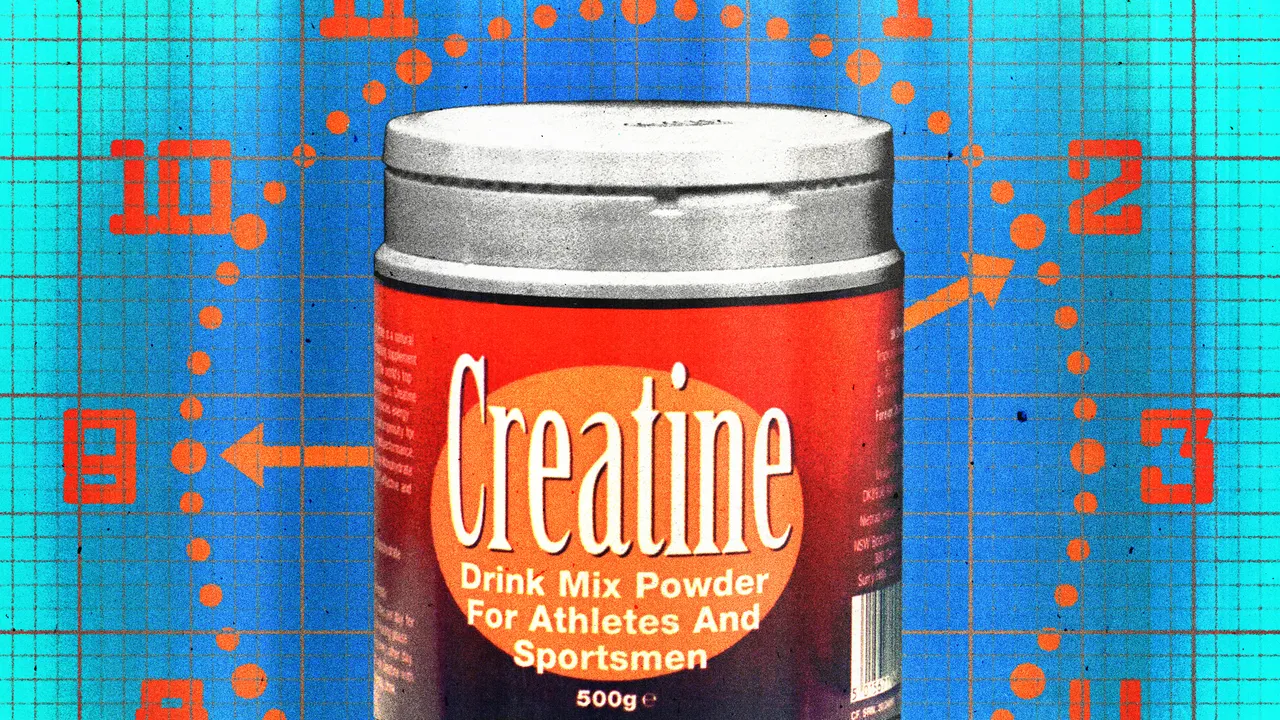
The best time to take creatine is flexible; it can be taken before or after workouts, with consistent daily intake being most important. Pairing it with carbohydrates can enhance absorption, and a standard dose is 5 grams daily, with or without a loading phase. Regular use supports muscle strength, recovery, and brain health, but quality and safety of supplements should be verified.
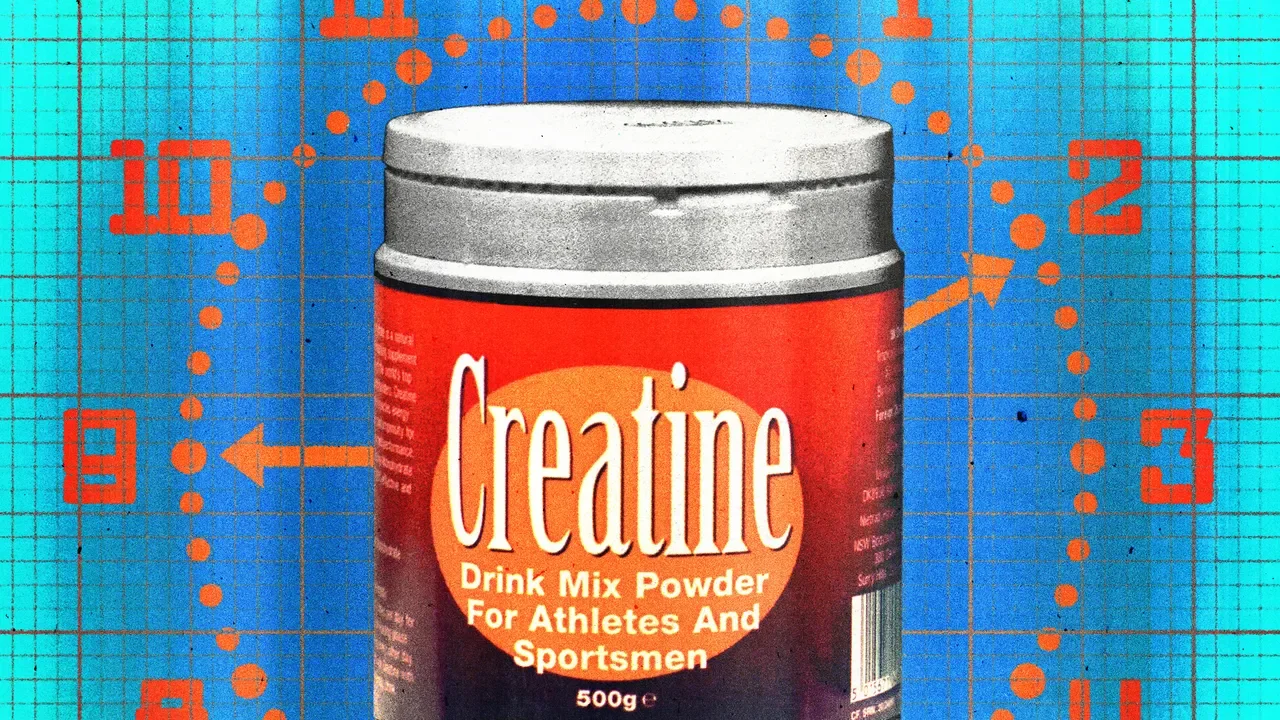
The best time to take creatine is flexible; whether before or after workouts, it doesn't significantly impact its effectiveness. Consistency and personal preference are key, and creatine benefits include enhanced muscle strength, brain health, and recovery.

Pro bodybuilder Nick Walker avoids protein shakes, preferring whole foods like chicken and steak to build muscle. He emphasizes a simple, high-protein diet and supplements with vitamins and pre-workout aids, prioritizing overall health and regular medical check-ups.

Sports nutritionist Rob Hobson advises that while some supplements can be beneficial, many are a waste of time and money. He recommends skipping pre-workout and fat-burning supplements, and instead suggests consuming a banana and coffee for a natural pre-workout boost. Hobson highlights the benefits of protein powder and creatine for muscle growth, repair, and performance gains, emphasizing their well-established research-backed advantages.

The high carb trend in endurance sports, particularly in pro cycling, has led to increased carb intakes of at least 90 g/hr for male pro cyclists. While there is limited research on the benefits of carb intakes exceeding this level, it is clear that the nature of racing has changed, and high carb intakes are reportedly helping to fuel this. However, for non-pro cyclists, such high carb intakes may not be necessary for most rides, and excessive carb intake can lead to health concerns. The article discusses the science and practicalities of carb intake on the bike, the distinction between absolute and relative exercise intensity, and the implications for nutrition practices for both pro and non-pro athletes.

Sour candy, such as sour strips or gummy worms, has gained popularity as a pre-workout snack on TikTok, with claims that it provides a quick energy boost. Sports dietician Kelly Slovin explains that sour candy, being mostly made of simple carbs, enters the bloodstream immediately, providing a rapid source of energy without causing gastrointestinal distress. While whole foods are generally recommended, sour candy can be consumed as a pre-workout snack, especially for shorter workouts. However, it's important to also consume real nutrients from other sources.
While supplements are heavily marketed to athletes, the author suggests that most won't make a significant difference in performance. However, there are a few exceptions. Sports foods like gels or chews can benefit endurance sports, and correcting nutritional deficiencies through supplements can improve fitness. Caffeine, in moderate doses, can reduce fatigue and improve performance. Dietary nitrate from sources like beetroot juice may enhance endurance exercise. Other supplements like creatine, beta alanine, and sodium bicarbonate have potential benefits but also downsides. It's important to choose supplements carefully, as they are not regulated for safety or effectiveness. Overall, focusing on basics like nutrition, sleep, hydration, and stress management is more important for athletic improvement than relying solely on supplements.