Tag

Stellar Explosions

All articles tagged with #stellar explosions

Scientists Develop Method to Detect Supernovas Hours After Explosion
science7 months ago

Scientists Develop Method to Detect Supernovas Hours After Explosion

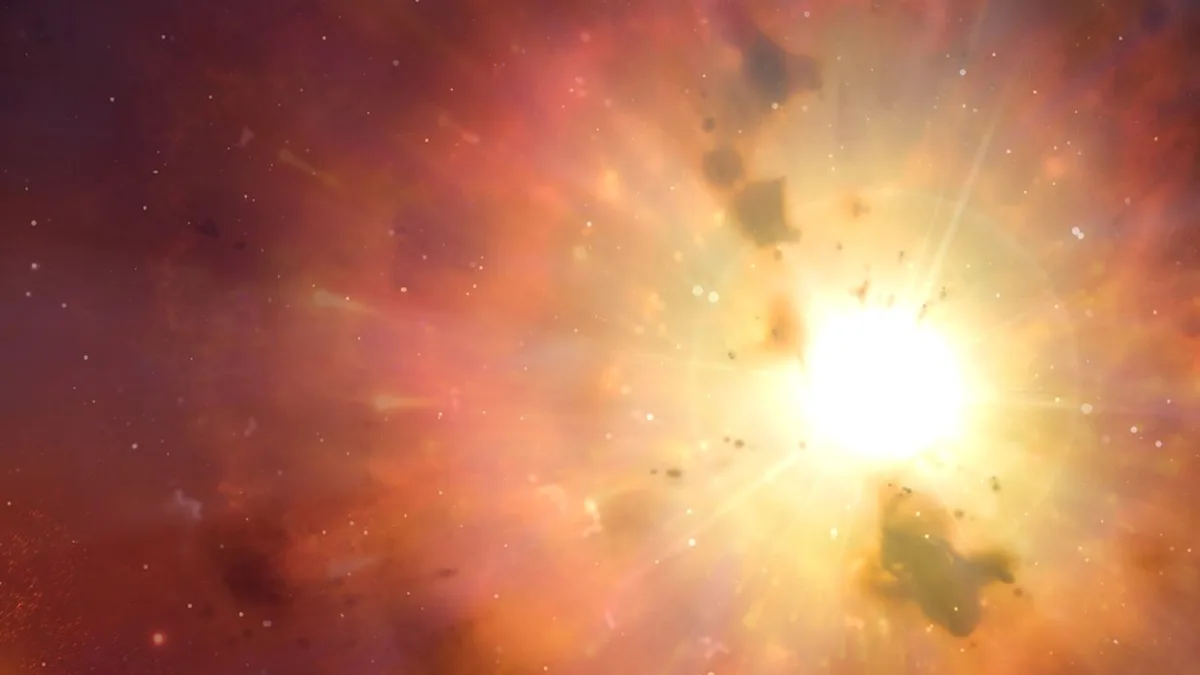
Scientists have developed a new protocol using the Gran Telescopio de Canarias to identify supernovae within hours of explosion, enabling detailed early observations that can reveal crucial information about the star's structure and explosion mechanics. This method involves specific criteria to distinguish young supernovae from other transient objects, and the upcoming Vera C. Rubin Observatory will further enhance early detection capabilities, potentially allowing routine observation of supernovae within 24 hours of explosion.

Zwicky Transient Facility Catalogues 10,000+ Exploding Stars
science1 year ago

Zwicky Transient Facility Catalogues 10,000+ Exploding Stars

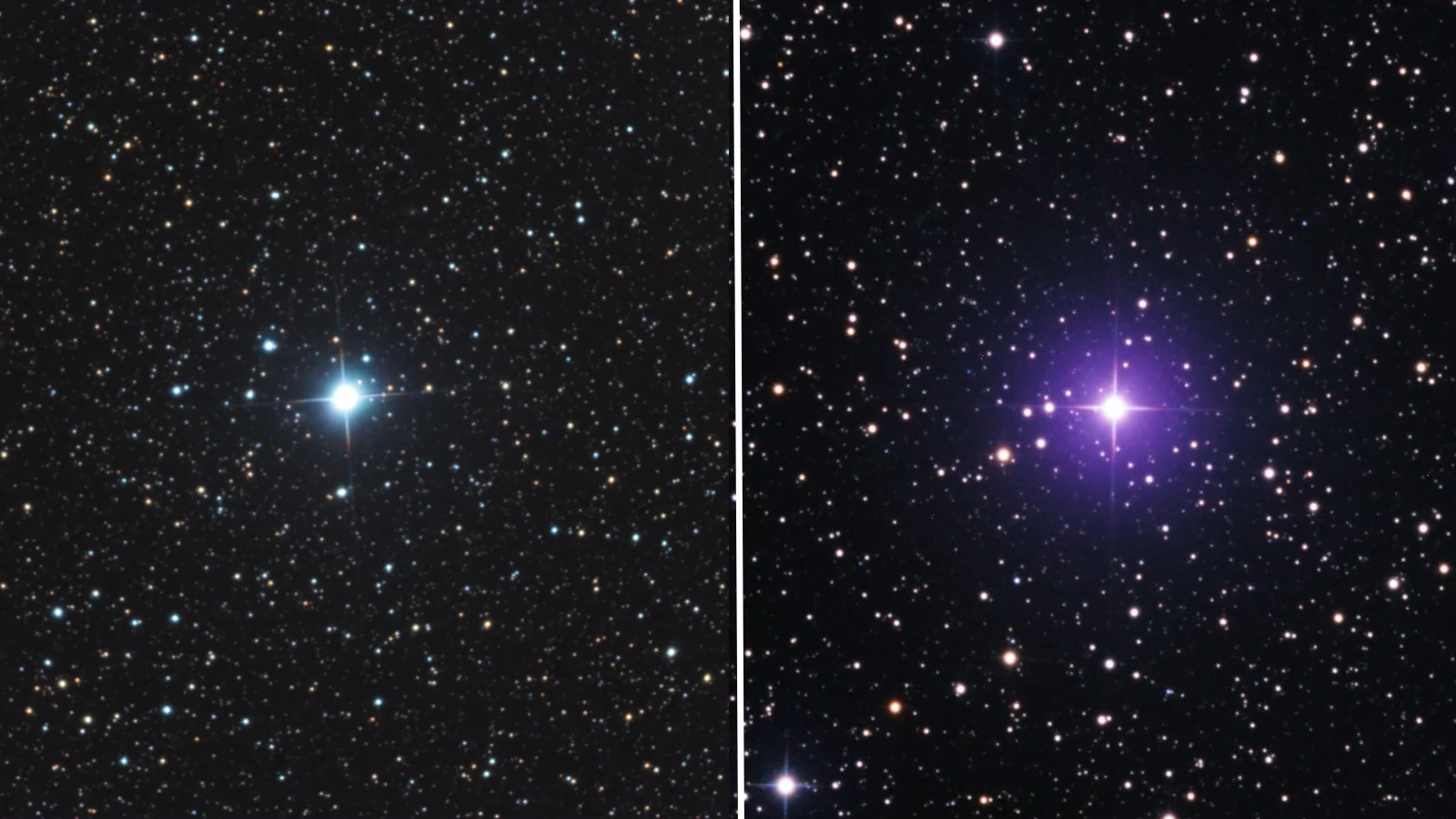
The Zwicky Transient Facility (ZTF) has classified over 10,000 supernovas, marking a significant achievement in the study of cosmic explosions. Operating since 2017, ZTF has become the largest supernova surveyor, responsible for nearly two-thirds of the supernovas discovered since 2012. The facility not only detects supernovas but also classifies them, providing valuable data for understanding stellar life cycles and phenomena like dark energy. Named after astronomer Fritz Zwicky, the ZTF continues his legacy of advancing supernova science.

"Unveiling the Potential of Plasma Blades: Splitting Stars with Unprecedented Power"
science-and-astronomy2 years ago

"Unveiling the Potential of Plasma Blades: Splitting Stars with Unprecedented Power"

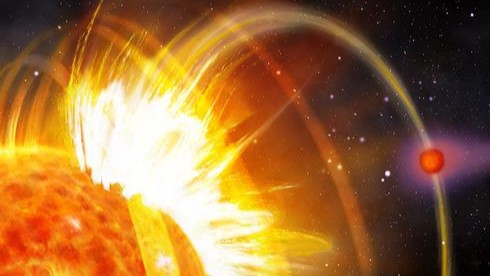
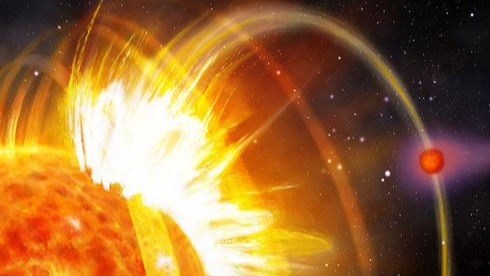
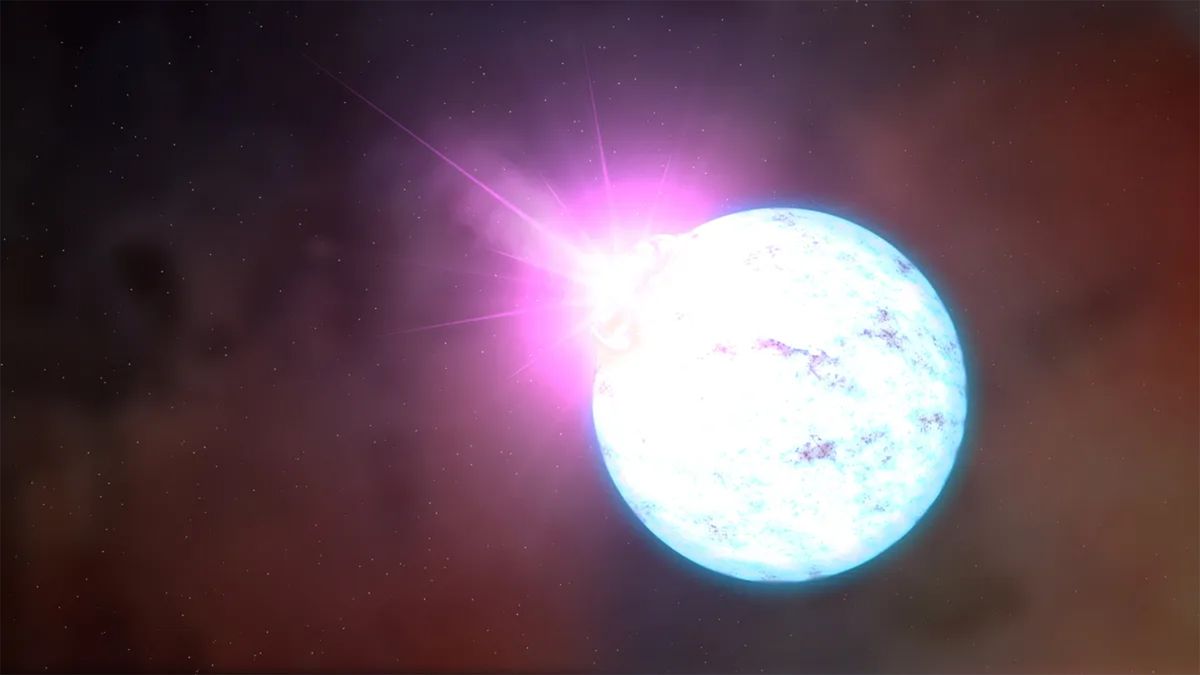
New research suggests that ultrapowerful plasma blades, shaped by strong magnetic fields, could slice stars in half and potentially explain some of the brightest explosions in the universe known as gamma-ray bursts (GRBs). These "relativistic blades" are formed by intense bursts of radiation along the equator of magnetars, which are ultracompact objects with strong magnetic fields. The blades move outward through the star at nearly the speed of light, carrying more energy than a supernova explosion. This study demonstrates that relativistic blades could explain certain types of GRBs, and further research will explore the evolution of these blades and the resulting stellar death.

"Unveiling the Potential of Plasma Blades: Splitting Stars with Unprecedented Power"
astronomy2 years ago

"Unveiling the Potential of Plasma Blades: Splitting Stars with Unprecedented Power"

New research suggests that ultrapowerful plasma blades, shaped by strong magnetic fields, could slice stars in half, potentially explaining some of the brightest explosions in the universe known as gamma-ray bursts (GRBs). These "relativistic blades" are formed by intense bursts of radiation along the equator of magnetars, which are ultracompact objects with strong magnetic fields. The blades move outward through the star at nearly the speed of light, carrying more energy than a supernova explosion. The study authors plan to further investigate the evolution of these blades and their role in stellar deaths.

astronomy3 years ago

The Fascinating World of Radio Waves and Astrophysics

A new study from the Dunlap Institute for Astronomy and Astrophysics at the University of Toronto has developed new tools to more accurately calculate the probability of multiple radio wave bursts from similar locations, providing valuable insights into the origins and behavior of cosmic events. The study also found that some fast radio bursts (FRBs) initially thought to be isolated instances may actually be repeating but have not been observed for long enough periods to detect subsequent bursts from the source. By studying these powerful, short-lived radio signals, scientists can gain valuable insights into the complex processes that govern the formation and evolution of stars and galaxies.