Tag

Nova

All articles tagged with #nova

The Blaze Star Could Light Up the Night: T Coronae Borealis May Go Nova This Week
space18 days ago

The Blaze Star Could Light Up the Night: T Coronae Borealis May Go Nova This Week

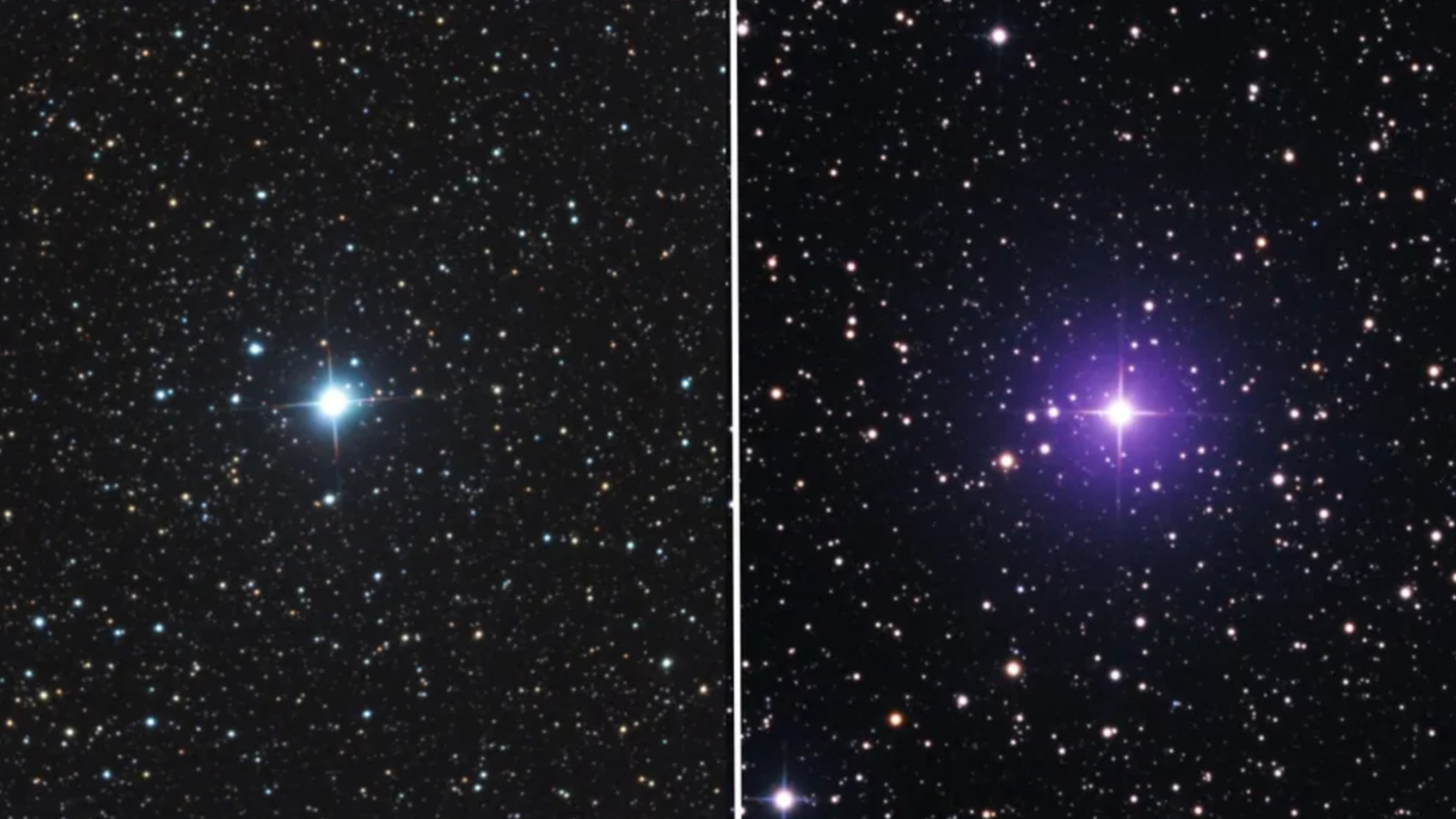
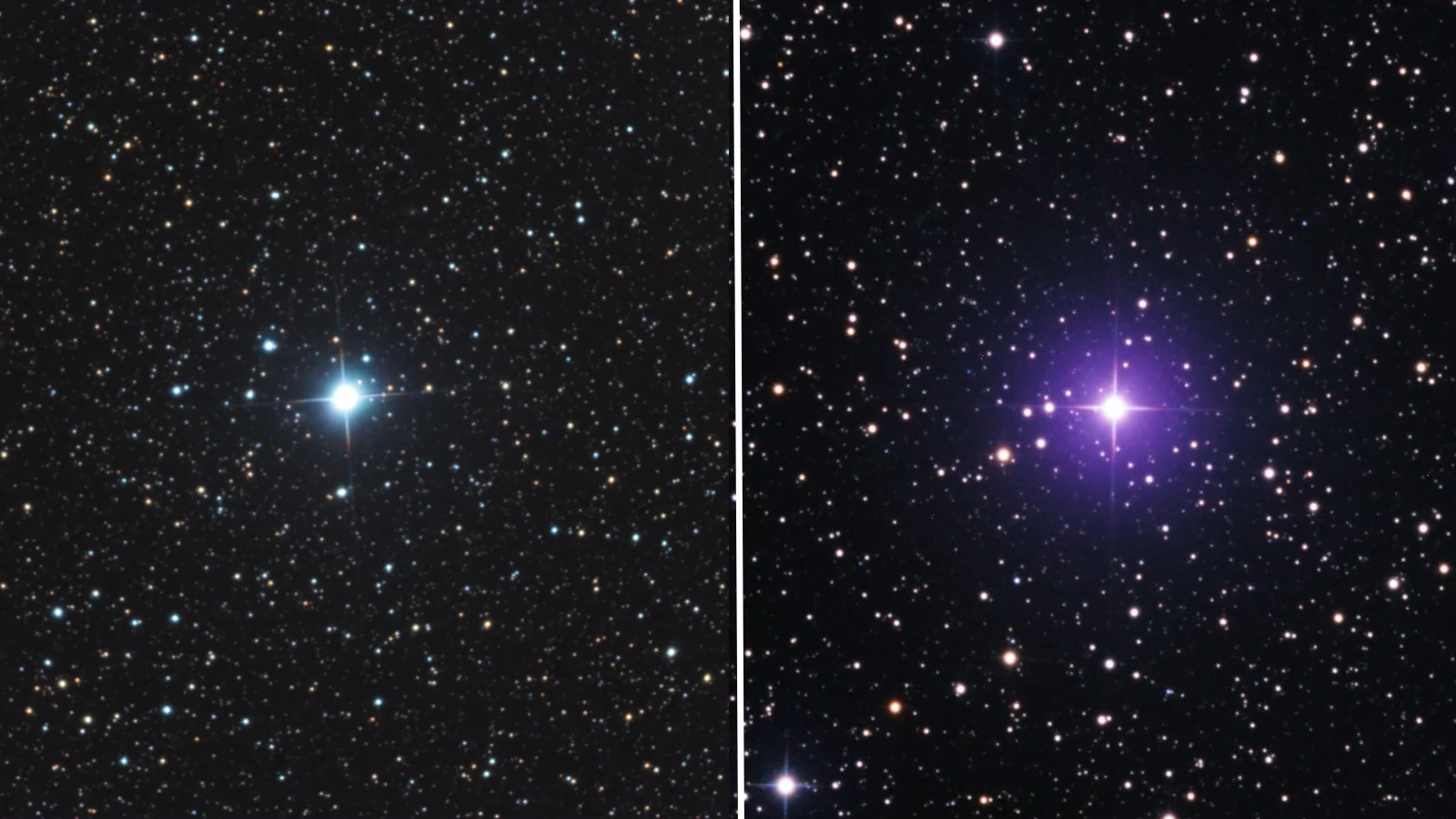
Astronomers say the recurring nova in the T Coronae Borealis system could erupt at any time, briefly brightening from a dim +10 magnitude to about +2—bright enough to see with the naked eye for roughly a week. Known as the Blaze Star, T CrB brightens every ~80 years and has only a handful of observed eruptions; predictions for the next outburst vary and none are confirmed. If it occurs, observers in Corona Borealis can use binoculars or a small telescope to track its evolution and watch for a rare, sky-changing event.

T Coronae Borealis: The Naked-Eye Nova Could Happen Any Moment
science19 days ago

T Coronae Borealis: The Naked-Eye Nova Could Happen Any Moment

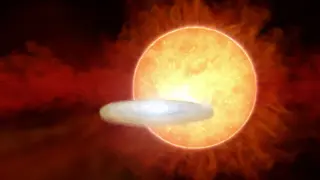
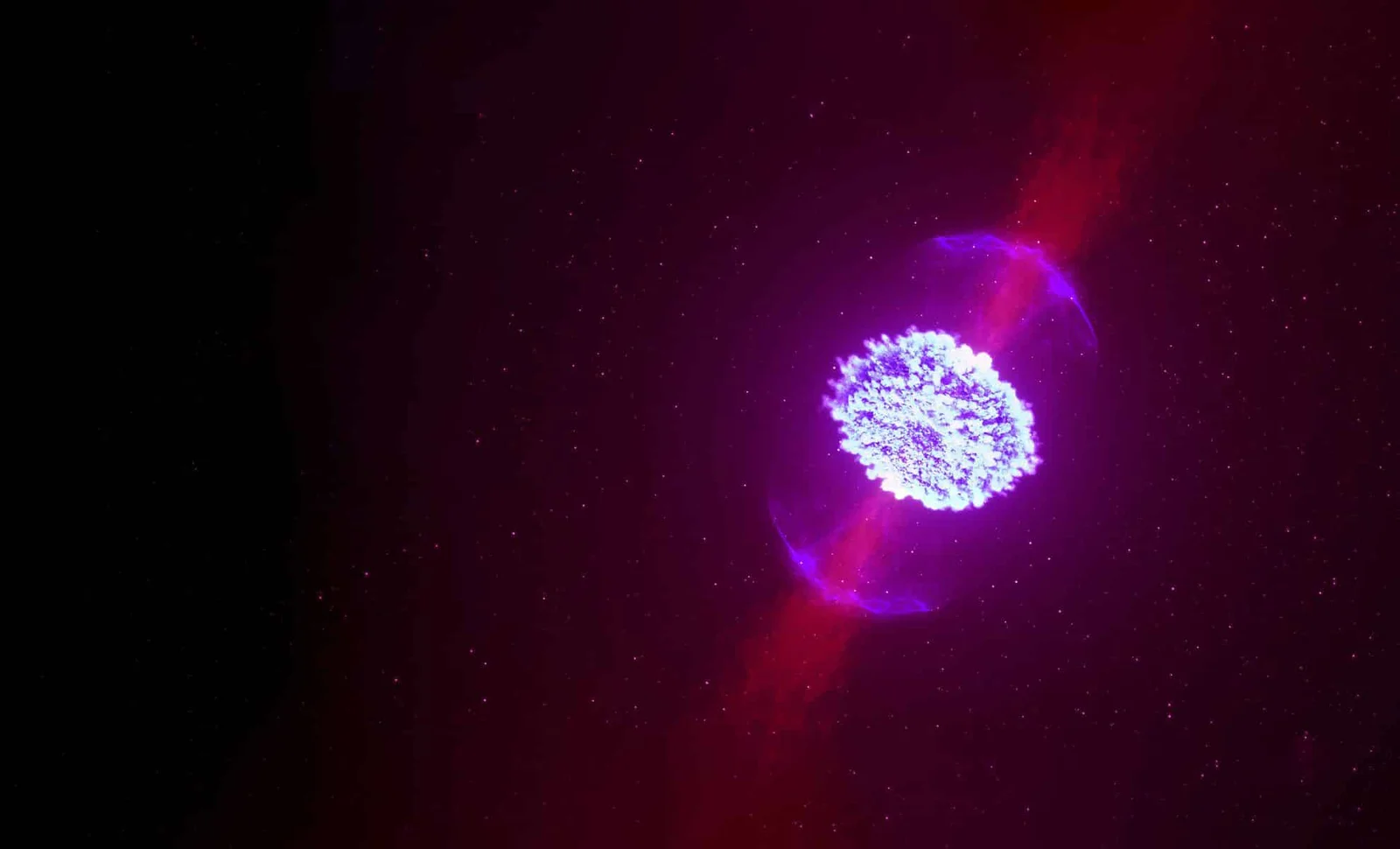
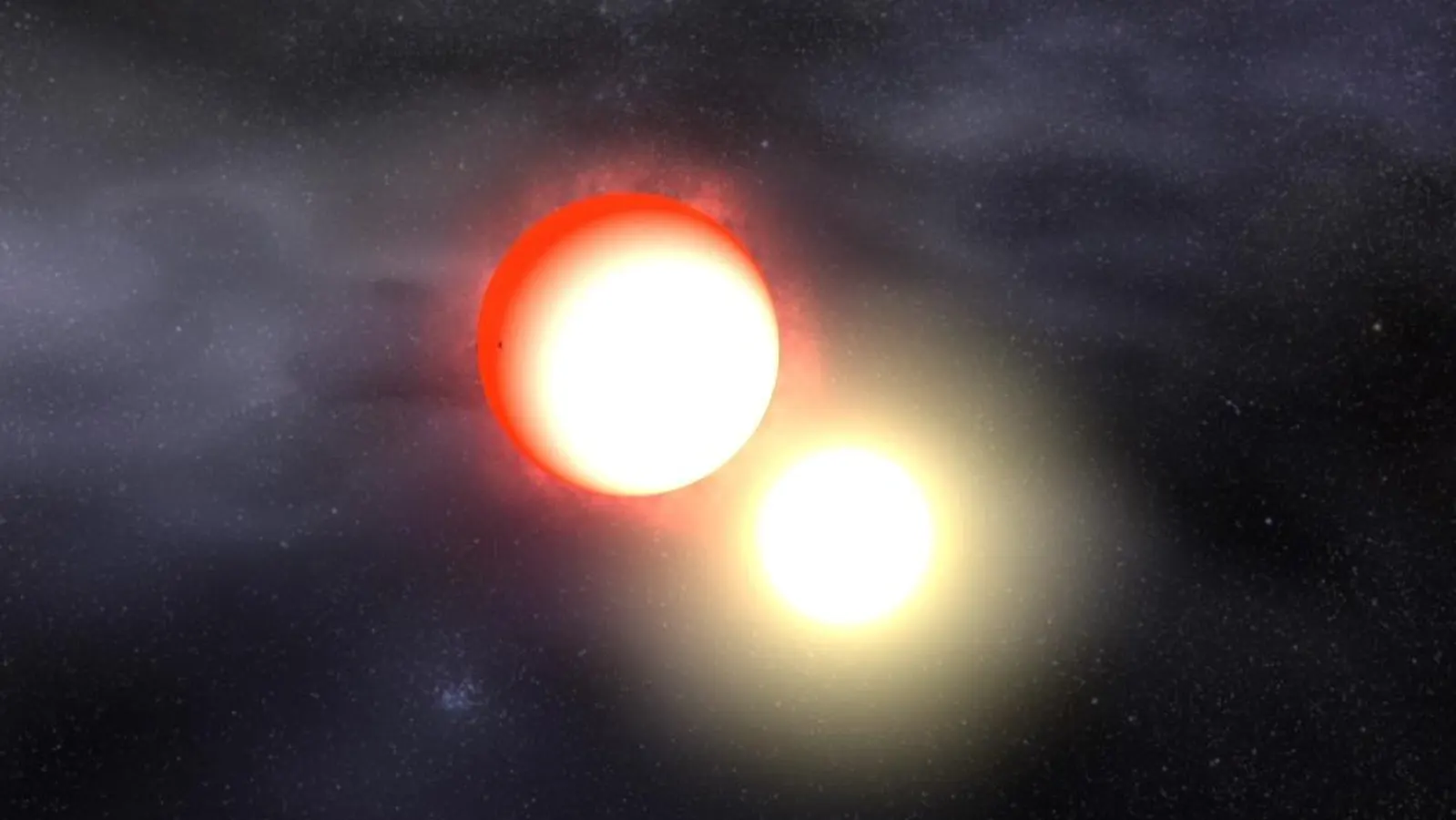
Astronomers say the 3,000-light-year binary system T Coronae Borealis could erupt as a nova soon. The red giant–white dwarf pair accretes gas until a thermonuclear runaway brightens the system to naked-eye visibility for about two days; predictions for 2024 missed the mark due to uncertainties in the accretion rate, but the eruption is considered imminent by some researchers. The last outburst was in 1946, and observers continue to monitor the system for a potential event in the coming months to years.

Novae Unveiled: Real-Time Interferometry Reveals Multi-Stage Ejections and Gamma Rays
space5 months ago

Novae Unveiled: Real-Time Interferometry Reveals Multi-Stage Ejections and Gamma Rays

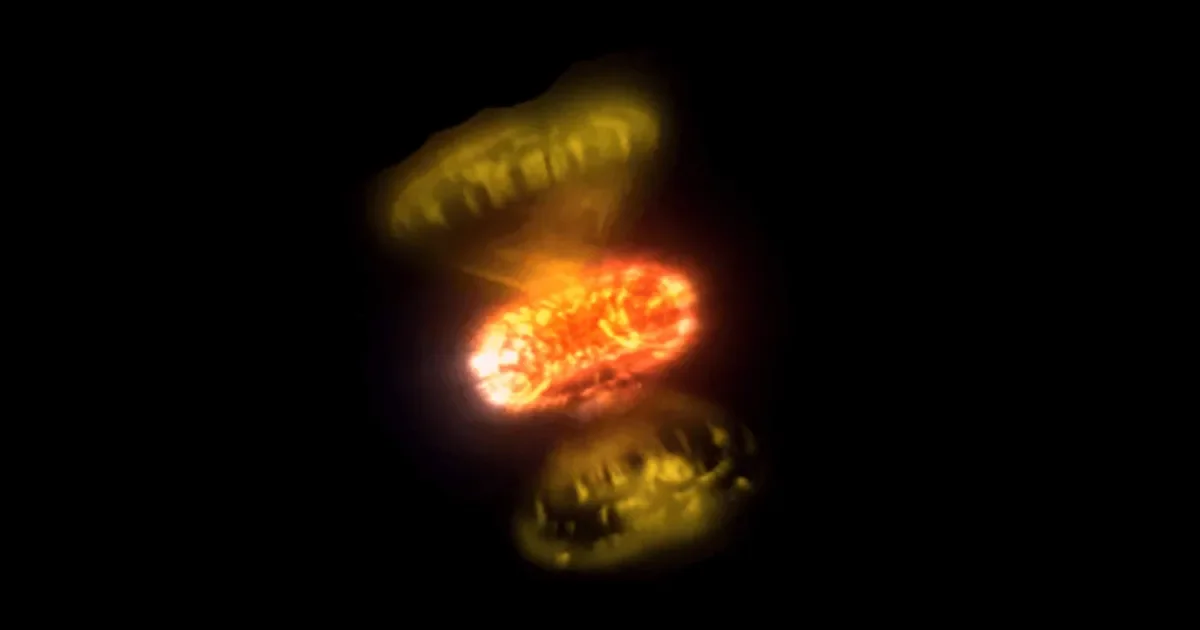
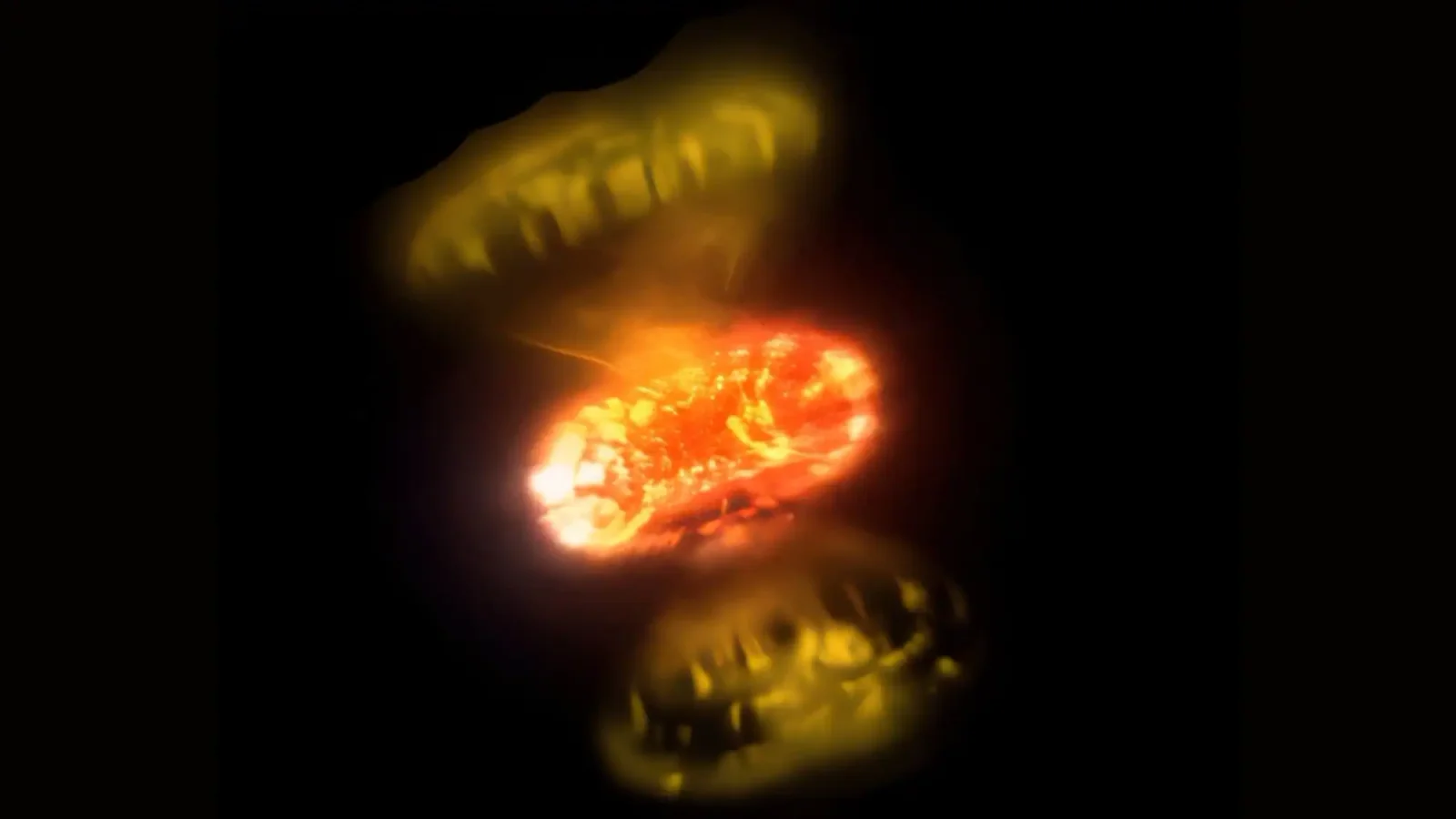
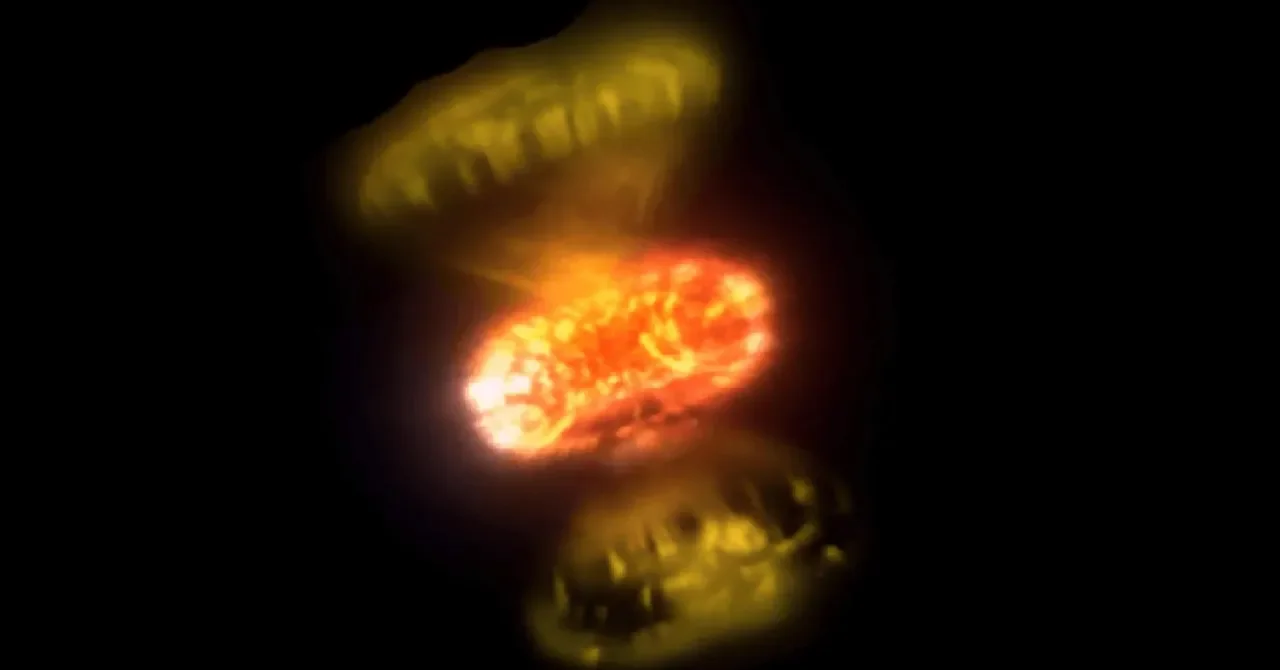
Astronomers using the CHARA Array and other telescopes captured real-time images of two novae (V1674 Herculis and V1405 Cassiopeiae), revealing complex, multi-stage gas outflows and gamma-ray emissions—showing that nova explosions are not single blasts and linking surface nuclear processes to the geometry of ejected material and high-energy radiation.

Novae Unleash Dual Jets: High-Res Images Rewrite Stellar Explosions
space5 months ago

Novae Unleash Dual Jets: High-Res Images Rewrite Stellar Explosions

High-resolution CHARA Array images of 2021 novae V1674 Herculis and V1405 Cassiopeiae reveal complex, jet-driven eruptions in binary white-dwarf systems, including perpendicular outflows and a delayed ejection likely tied to a common-envelope phase. The gamma-ray signals observed by NASA’s Fermi coincide with internal shocks in the debris, linking surface nuclear reactions to high-energy radiation and challenging the idea of novae as simple spherical shells. These findings, published in Nature Astronomy, position novae as natural laboratories for extreme physics.

Global Study Unveils New Insights into Neutrinos and Matter's Existence
science8 months ago

Global Study Unveils New Insights into Neutrinos and Matter's Existence

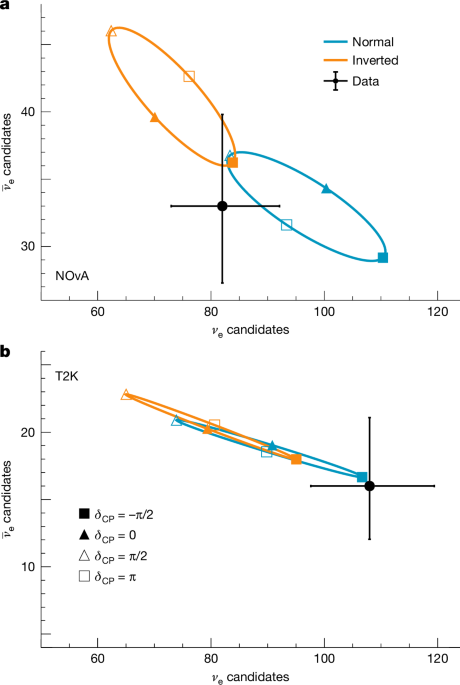
A joint analysis of neutrino oscillation data from the T2K and NOvA experiments provides improved constraints on oscillation parameters, including the mixing angle θ23, mass-squared difference Δm32², and the CP-violating phase δCP, with no significant preference for either mass ordering but evidence suggesting potential CP violation, especially under the inverted mass ordering assumption.

Rare Double Nova Explosion Lights Up the Night Sky
science1 year ago

Rare Double Nova Explosion Lights Up the Night Sky

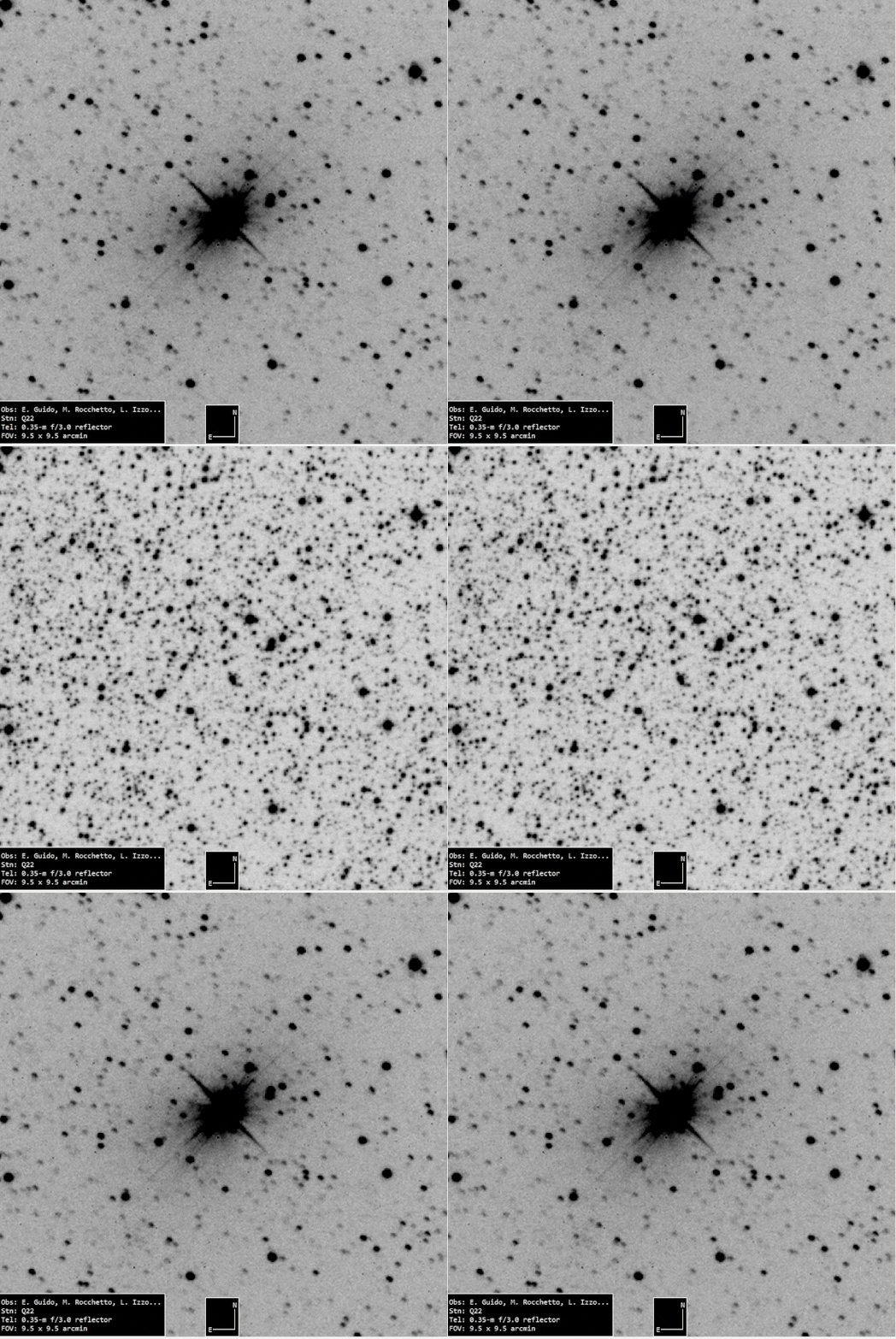
Two novae, V572 Velorum and V462 Lupi, have appeared simultaneously in the night sky, an extremely rare event, with both now visible to the naked eye in the Southern Hemisphere. This coincidence occurs as astronomers anticipate the explosion of T Coronae Borealis, which is expected roughly every 80 years. Such simultaneous nova events are unprecedented and highlight the rarity of these cosmic phenomena.

Bright Nova Illuminates Lupus Constellation for Skywatchers
science1 year ago

Bright Nova Illuminates Lupus Constellation for Skywatchers

A nova called V462 Lupi, which was initially too dim to see, has brightened dramatically after an explosion, making it visible to the naked eye in the Lupus constellation. The event was caused by a white dwarf star in a binary system undergoing a classical nova explosion. It can be observed with binoculars near the stars Delta Lupi and Kappa Centauri, especially from the southern hemisphere, before it fades from view.

How to Spot the Lupus Constellation's Exploding Star This Month
science1 year ago

How to Spot the Lupus Constellation's Exploding Star This Month

A nova called V462 Lupi, which was initially too dim to see with the naked eye, has dramatically brightened after a stellar explosion, making it visible in the night sky near the Lupus constellation. The event was caused by a white dwarf in a binary system undergoing a fusion explosion, and it can be observed with binoculars or the naked eye before it fades from view. The best viewing time is around the new moon, especially for observers in the southern hemisphere.