science1 month ago
Record-Breaking Seven-Hour Gamma-Ray Burst Points to Rare Stellar Merger
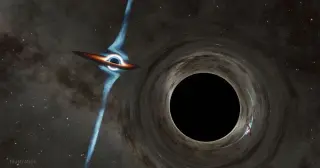
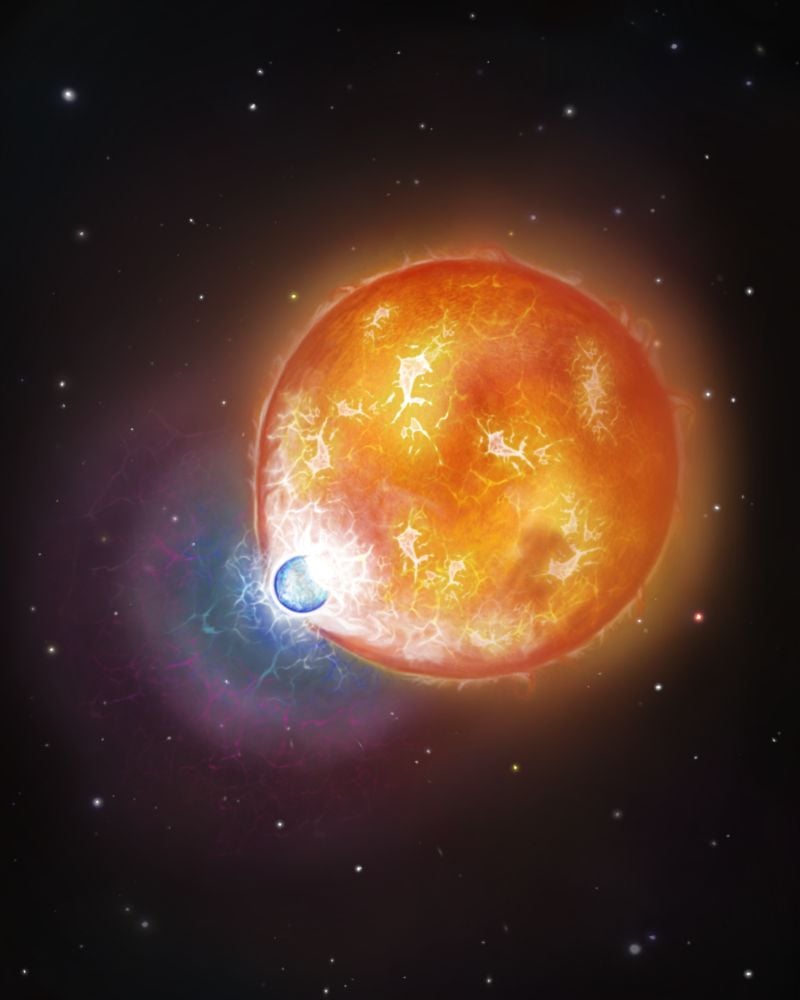
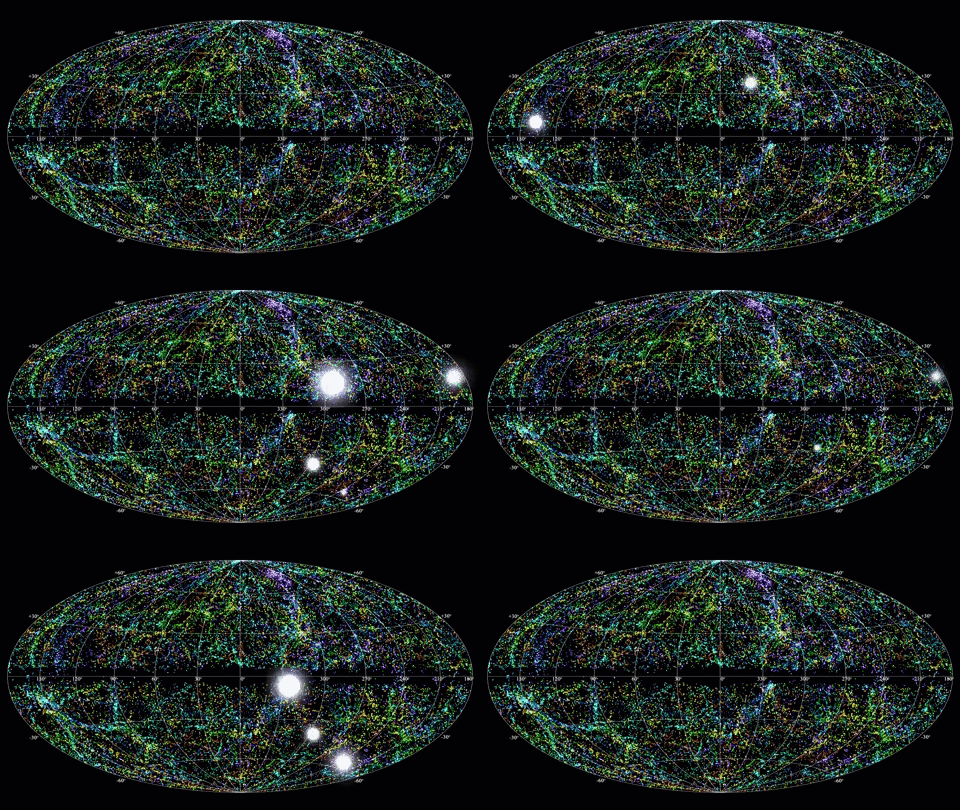
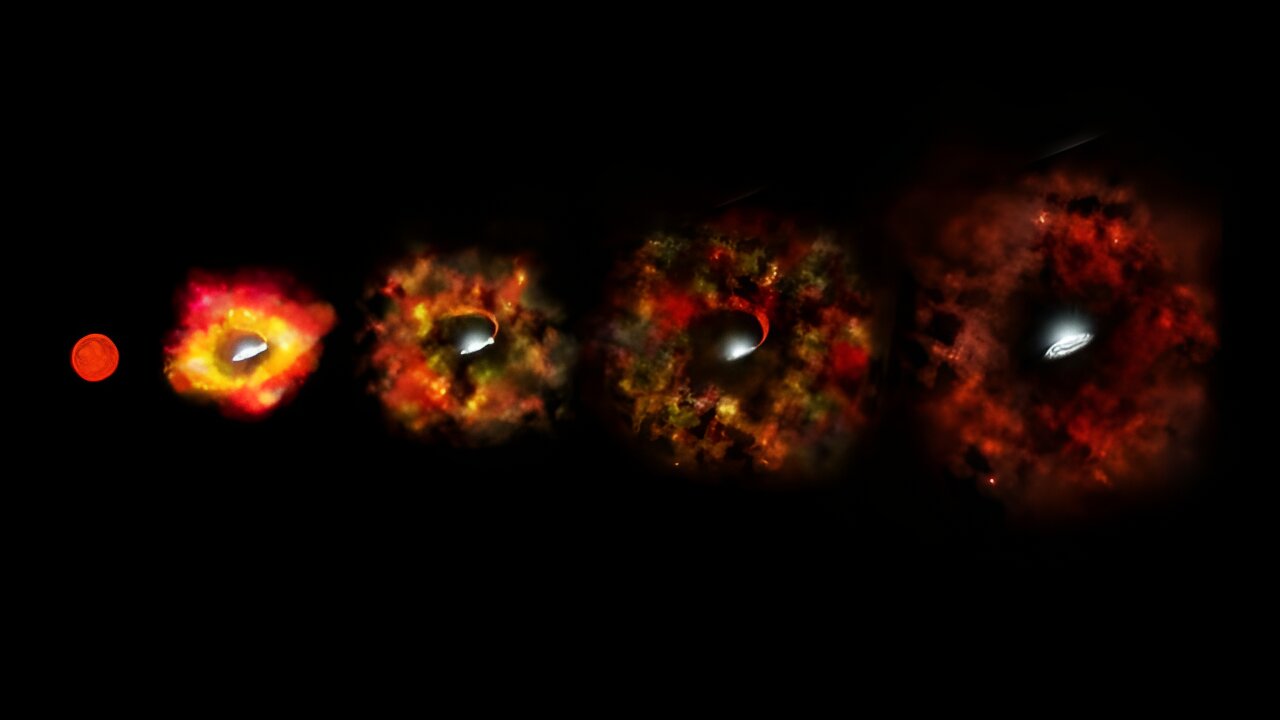
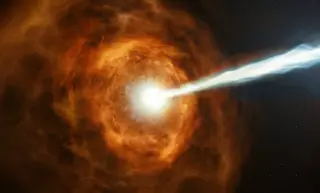
Astronomers have identified GRB 250702B, a gamma-ray burst lasting approximately 25,000 seconds, which shatters previous duration records. This seven-hour signal is believed to result from a rare helium merger event, where a stellar-mass black hole consumed a stripped helium star from the inside. While traditional bursts stem from collapsing stars or neutron star mergers, this extended duration suggests a distinct astrophysical process. Detecting such long, dim signals remains challenging for current telescopes, but the upcoming COSI telescope, scheduled for launch in 2027, aims to improve detection capabilities for these rare events.