US alcohol use has fallen to its lowest level since 1939, but this trend masks a sharp rise in heavy drinking among adults aged 50 to 64. While younger generations cut back significantly, older cohorts are drinking more, raising serious health concerns.
A new study published in Neurology reveals that stroke incidence among adults aged 20 to 54 has nearly doubled in the Greater Cincinnati region between 1993 and 2020. While older populations see declining rates, younger adults face rising risks driven by ischemic strokes, hypertension, diabetes, and increased substance use, particularly marijuana. Experts warn that early onset leads to long-term disability, emphasizing the need for better screening and awareness.
A study published in Neurology shows that stroke incidence among adults aged 20 to 54 has more than doubled in the Greater Cincinnati region since 1993, driven primarily by ischemic strokes. While older adults see declining rates, younger adults face rising risks due to increased hypertension, diabetes, and substance use, particularly marijuana. Although short-term survival has improved, experts warn that early onset leads to long-term disability, emphasizing the need for better screening and awareness among young people.
Cannabis use in the US has surged, with over 21% of Americans aged 12 and older using it in the past year. While daily or near-daily cannabis use now exceeds alcohol use among some demographics, experts debate whether 'light' use is safe. Recent data shows a 21% increase in usage between 2021 and 2024, driven by higher THC potency and broader legalization. Concerns focus on addiction, mental health risks, and reduced motivation, particularly among youth and older adults.
A longitudinal study of over 800 youths tracked for up to nine years finds that early experimentation with alcohol, cannabis, and nicotine is driven by a low baseline dopamine system rather than excess dopamine. Using brain tissue iron as a proxy for dopamine, researchers identified a distinct “youth-peak” group whose low dopamine levels predicted increased substance use in early adolescence that sharply declined as dopamine networks matured into adulthood. This challenges the idea that higher dopamine drives teen risk, suggesting most teen experimentation is a normal, temporary phase, and highlighting potential prevention approaches that channel risk-taking into healthy outlets; the study also notes digital environments may provide a modern alternative reward channel.
A long-running study found heavy alcohol, cannabis, and cigarette use in ages 18–30 predict poorer self-reported memory at ages 50–65. Smoking shows a direct, lasting impact on memory, while alcohol and cannabis largely influence memory through later substance-use disorders, highlighting the importance of early prevention for long-term cognitive health.
A study found that a 30-day recall period provides comparable data to a 60-day period for assessing young adults' alcohol use, suggesting it as a sufficient and less burdensome timeframe for research on youth drinking behaviors.
A study by the University of Michigan found that about 22% of young American adults use cannabis and/or alcohol to help with sleep, with concerns about dependency and health risks associated with overreliance on these substances.,
The American College of Obstetricians and Gynecologists recommends that pregnant and lactating individuals abstain from cannabis use due to potential risks, and advises healthcare providers to implement universal, nonjudgmental screening methods to support healthier pregnancies, emphasizing the importance of communication and individualized care.
A 31-year-old man in the Czech Republic experienced a psychotic episode after using cannabis and kratom, leading to extreme self-mutilation including amputation of his ears and penis. The case highlights potential risks of psychoactive substances, especially when combined, and underscores the importance of psychiatric treatment and abstinence for recovery.
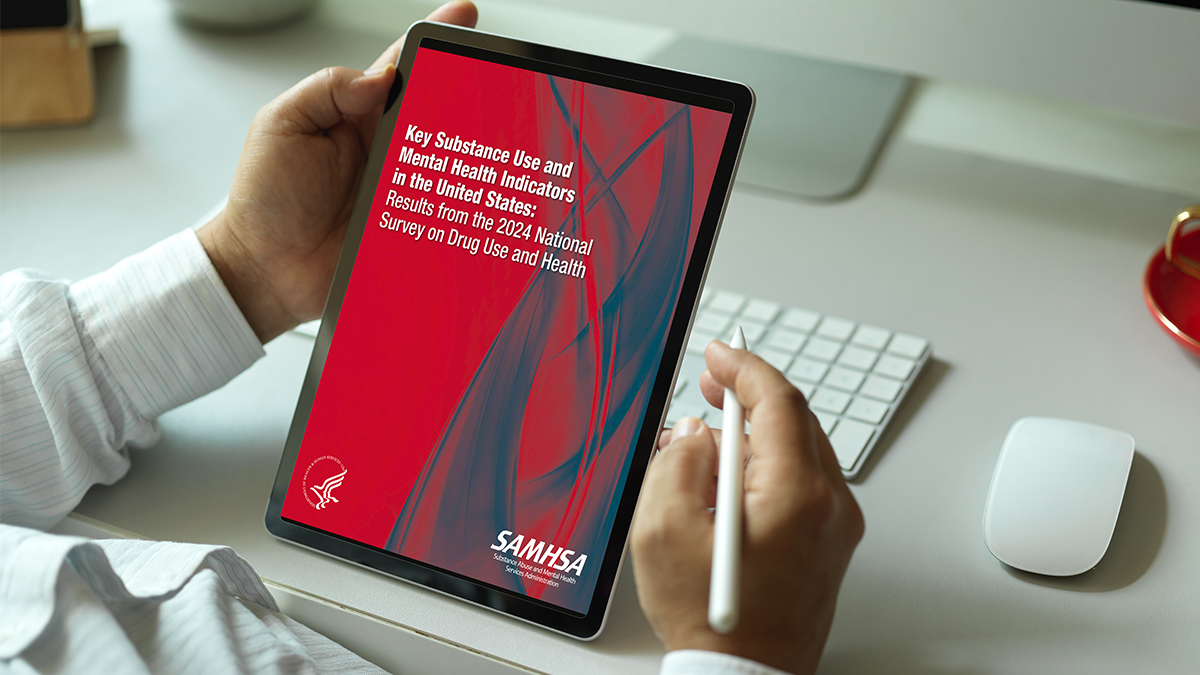
The 2024 National Survey on Drug Use and Health (NSDUH) reports stable mental health conditions among adults, declining suicide rates among adolescents, increased marijuana and hallucinogen use, and a rise in drug use disorder, highlighting ongoing challenges and progress in U.S. behavioral health. The survey also emphasizes treatment gaps and recovery perceptions.
Research from the University of Georgia shows that adverse childhood experiences, especially in unsafe environments and among Black communities, can lead to long-term health issues, including increased substance use, heart problems, and accelerated aging, highlighting the importance of early intervention and community support.
New research highlights that lifestyle factors such as marijuana use, alcohol, smoking, being overweight, and high stress levels can negatively impact male fertility, which accounts for about one-third of infertility cases. Experts recommend healthy eating, exercise, stress management, and reducing substance use to improve reproductive health, and advise consulting a doctor for personalized guidance.
A study from Ontario, Canada, reveals that individuals with hallucinogen-related emergency department visits have a 21-fold increased risk of developing schizophrenia compared to the general population, even after adjusting for other mental health disorders and substance use. The study, published in JAMA Psychiatry, highlights an 86% rise in such ED visits from 2013 to 2021, reflecting the growing popularity of psychedelics. While the findings do not establish causation, they emphasize the potential risks of hallucinogen use, particularly for those predisposed to psychosis, and call for cautious use outside controlled therapeutic settings.
A study published in Neuropsychopharmacology reveals that genetic variants may influence coffee consumption, linking certain DNA markers to higher coffee intake and increased risks of obesity and substance abuse. The research, which analyzed data from the UK Biobank and 23andMe, also found differing associations between coffee consumption and psychiatric conditions in U.S. and U.K. populations, suggesting cultural influences on genetic behaviors.