Tag

Summer Triangle

All articles tagged with #summer triangle

Three bright stars unlock the summer night sky
astronomy12 days ago

Three bright stars unlock the summer night sky

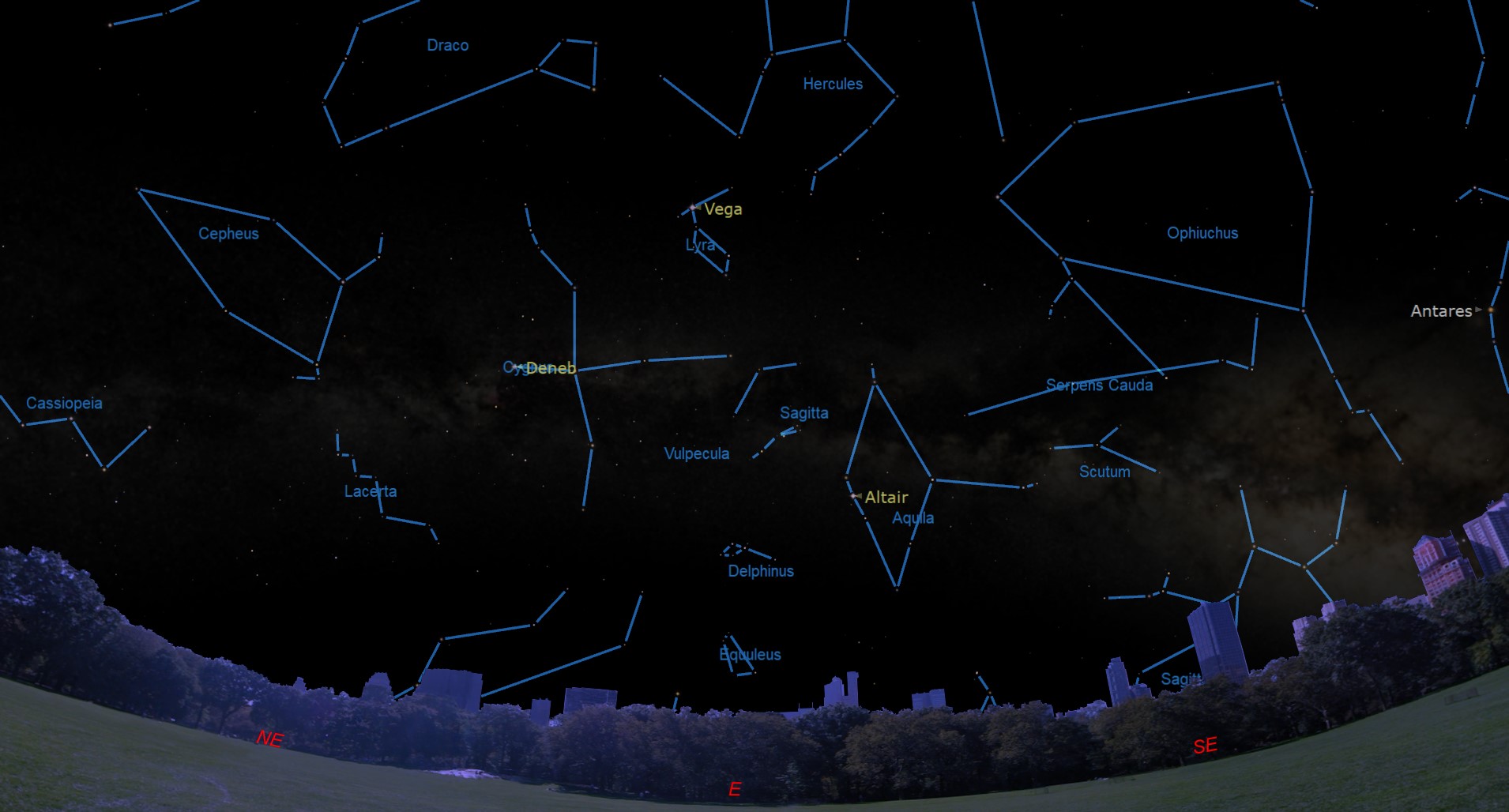
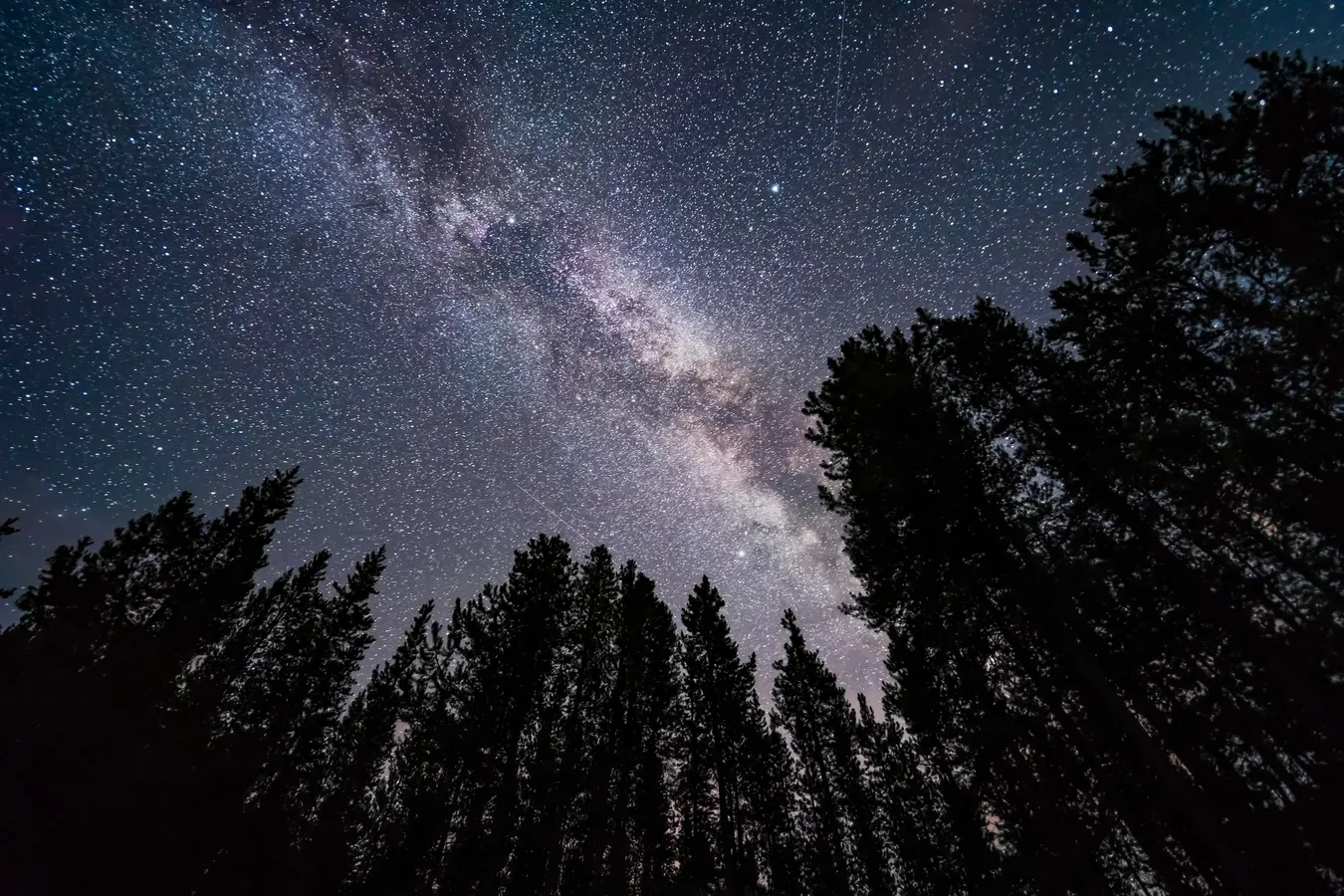
Space.com explains how the Summer Triangle—Altair, Vega and Deneb—serves as an easy anchor to learn the night sky this July: Altair is nearby (~17 light-years), Vega ~25 ly, and Deneb is extraordinarily distant (~2,600 ly). Spotting the triangle around 11 p.m. gives a mental map to the Milky Way, Cygnus, and surrounding regions, turning stargazing into a three‑dimensional exploration rather than a flat view. The piece also notes observing tips with binoculars or a telescope, mentions the Moon’s approach to Antares later in July, and points to nearby constellations Sagitta and Delphinus to help beginners map the sky by exploring regions instead of chasing individual objects.
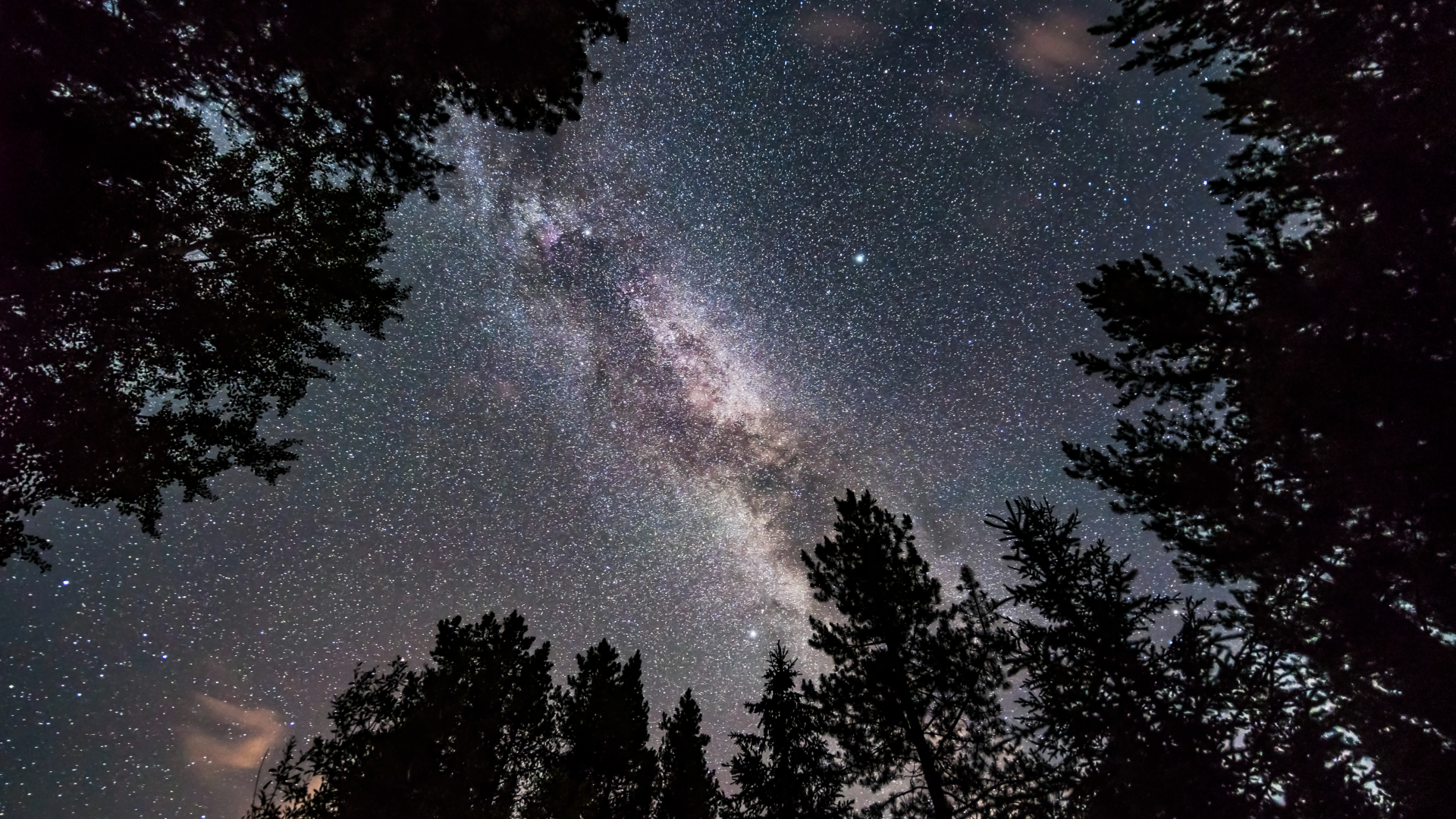
Moon Creates Spectacular 'Ring of Fire' Eclipse in This Week's Night Sky
astronomy2 years ago

Moon Creates Spectacular 'Ring of Fire' Eclipse in This Week's Night Sky

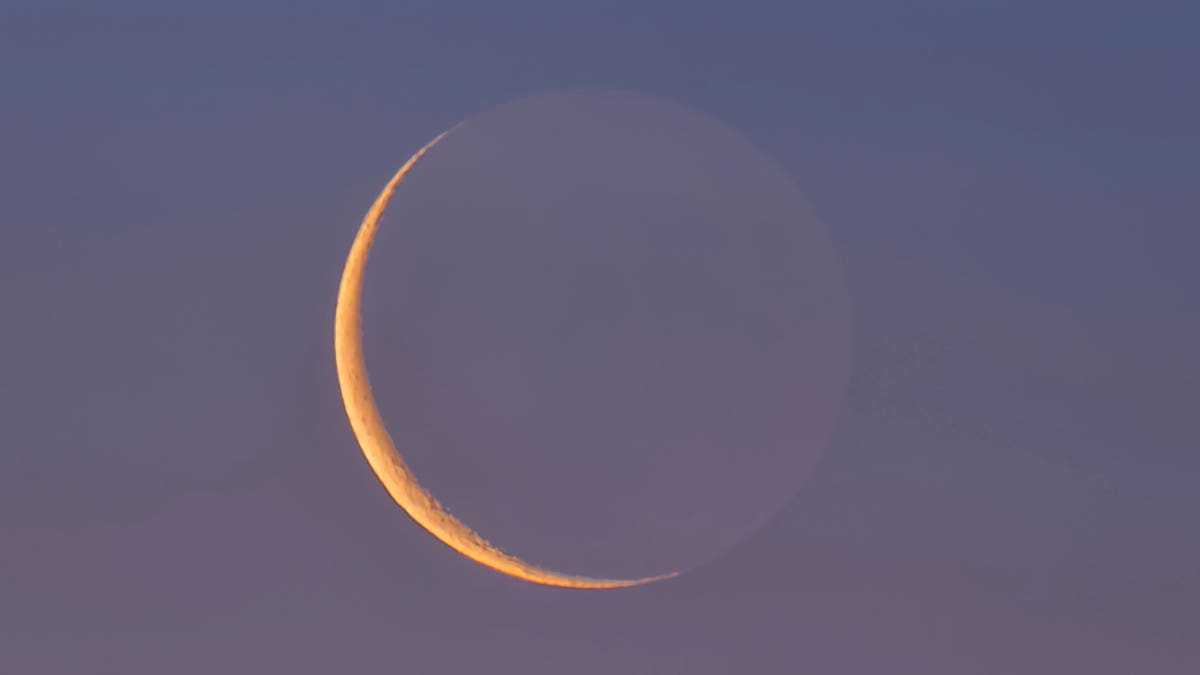
This week offers great opportunities for moon-gazing, with a waning crescent moon visible in the predawn and post-sunset skies. The moon will display "Earthshine" and be accompanied by Venus. A razor-thin crescent moon can be seen with binoculars, and a new moon marks the path for an upcoming annular solar eclipse. The crescent moon will also be visible with the star Spica in the evening sky. Additionally, the Summer Triangle is inching towards the western sky. Stargazers are encouraged to use binoculars to explore the rich star fields beyond human eyesight.

June Skywatching: A Celestial Spectacle Not to Be Missed!
astronomy3 years ago

June Skywatching: A Celestial Spectacle Not to Be Missed!

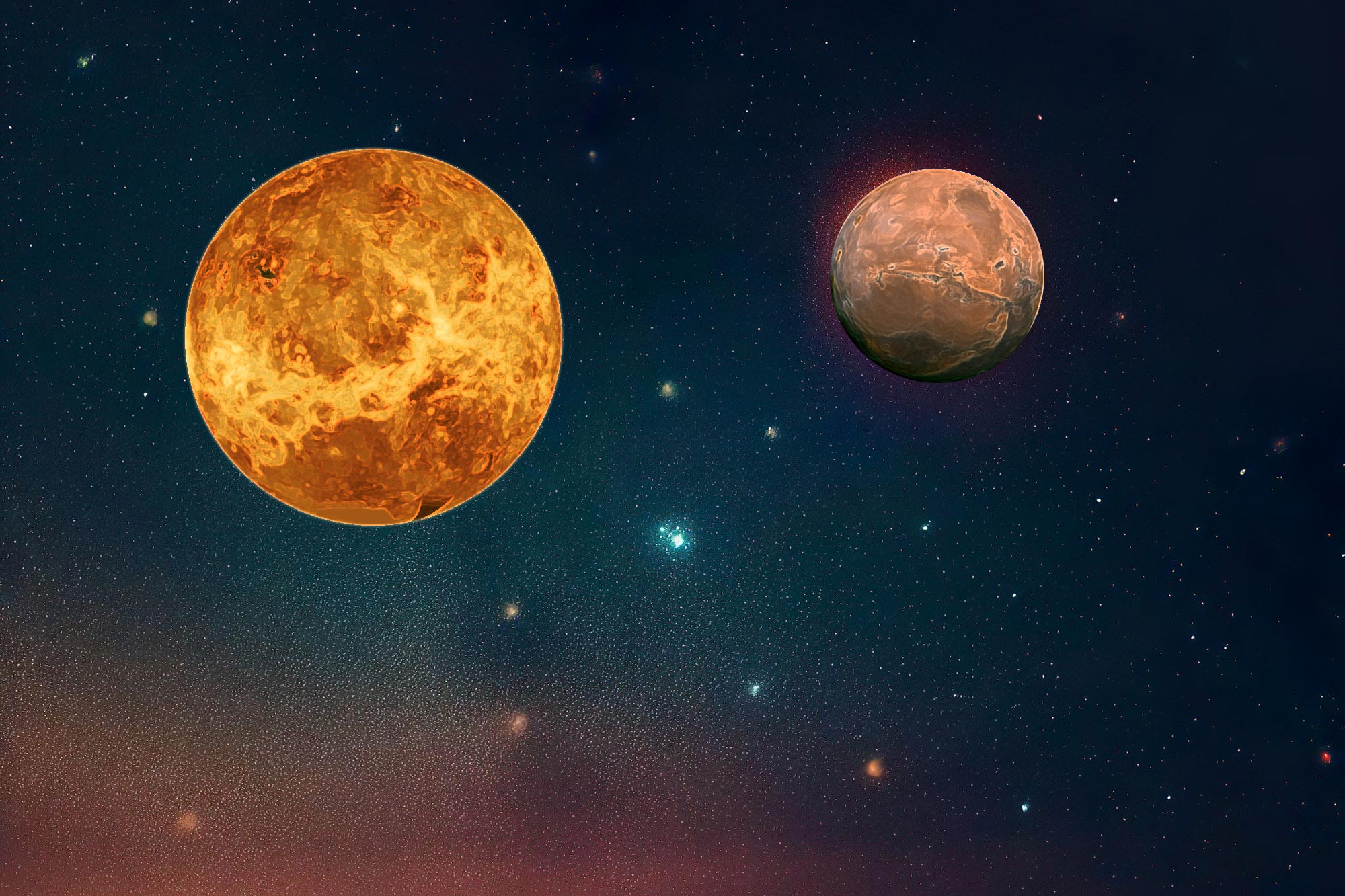
In June 2023, skywatchers can observe Mars and Venus drawing closer each night, Saturn leading Jupiter into the morning sky, and the bright stars Spica and Arcturus shining overhead on June evenings, along with the Summer Triangle. The June solstice on the 21st marks a unique alignment of the crescent Moon, Venus, and Mars. Other highlights include Mars in the Beehive Cluster on June 1-2, a full moon on June 3, and a new moon on June 18. The solstice also helped the Ancient Greeks understand the size of Earth with remarkable accuracy.

"Guide to Viewing Mesmerizing Blue Dot in Night Sky This Month"
astronomy3 years ago

"Guide to Viewing Mesmerizing Blue Dot in Night Sky This Month"

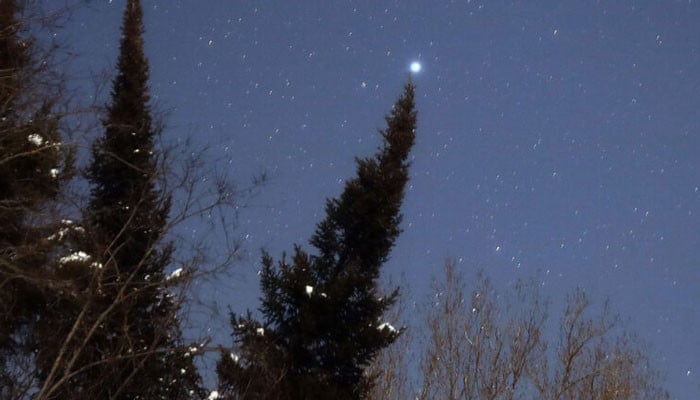
Vega, the fifth most luminous star in our celestial sphere, will be visible in the night sky throughout May, progressively ascending earlier each day in the northern hemisphere. It holds cultural significance and forms a part of the Summer Triangle alongside Altair and Deneb. Astronomers have discovered intriguing revelations about Vega, including the potential existence of rocky planets resembling Earth or Mars in its asteroid belt.