A Jamaican teenager has become the first patient to receive a kidney transplant performed remotely by a U.S. hospital team, highlighting a milestone in telemedicine-enabled transplant surgery and potentially expanding access for patients in low-resource settings.
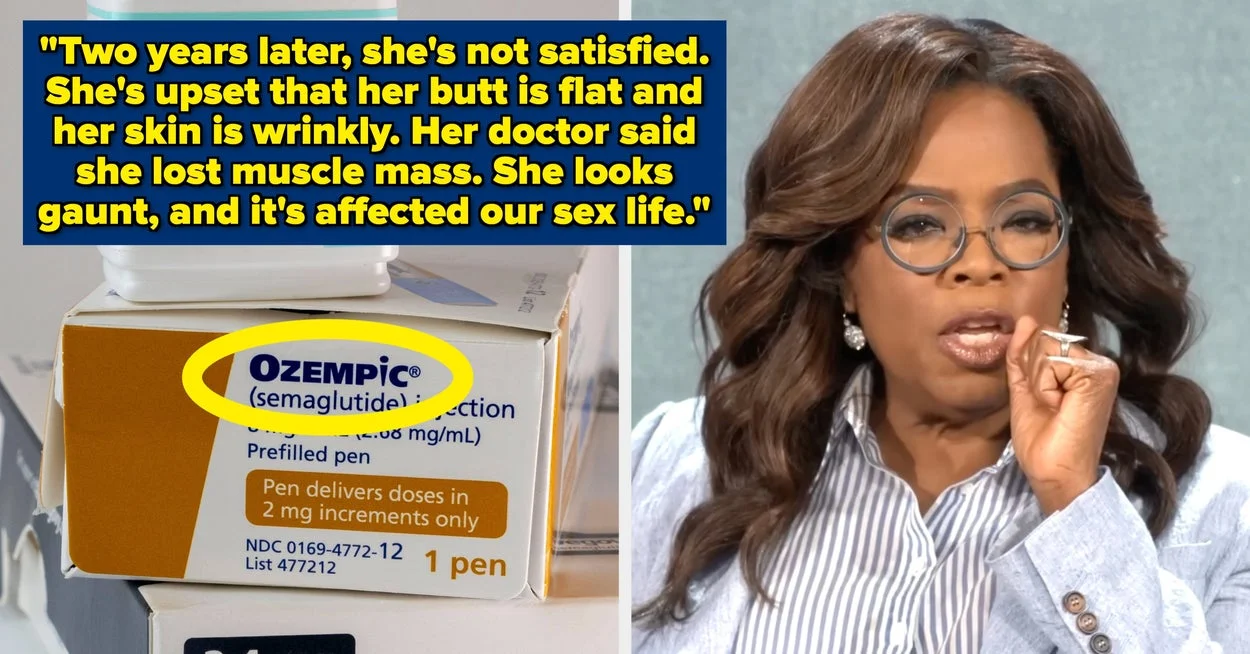
A BuzzFeed Health feature examines how GLP-1 weight-loss medications (like Ozempic, Wegovy and Mounjaro) marketed for medical use are being used cosmetically, triggering a viral Reddit thread about a partner whose two-year Ozempic journey left her with a gaunt appearance, muscle loss, debt, and relationship strain. The piece highlights easy access via telehealth, aggressive marketing, and the risk of body dysmorphia or eating disorders when medical safeguards are bypassed. It emphasizes that these drugs are not miracle cures and should be paired with resistance training and adequate protein, while urging professional support for underlying psychological issues and broader societal pressures around body image.
Hims & Hers has canceled its plan to develop a Wegovy‑style weight‑loss medication, shelving a project to mimic Novo Nordisk’s semaglutide as the company reassesses its drug‑development strategy in the competitive obesity market.
An ISS medical evacuation in January 2026—the first in 25 years—highlights the strength of onboard medical care and Earth-based telemedicine, while also underscoring space-specific health risks (dermatology issues, congestion, sleep disruption, and injuries) and the need to evolve toward Earth‑independent medical operations and AI‑assisted care for longer missions.
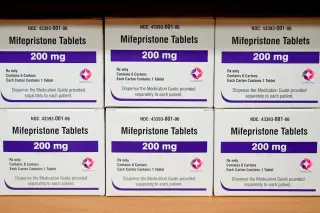
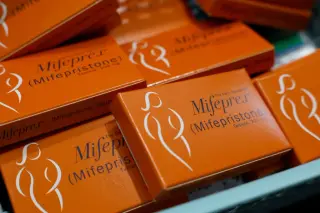
Gov. Gavin Newsom said California will not extradite Dr. Rémy Coeytaux, charged in Louisiana with prescribing and mailing abortion pills via a telemedicine service, signaling another escalation in the interstate clash over reproductive health care.
States like Texas and New York are heading toward a constitutional showdown over abortion shield laws, which protect providers who prescribe abortion pills via telemedicine in states with bans, challenging interstate legal cooperation and raising significant legal and constitutional questions.
Texas has filed a lawsuit against a New York doctor for prescribing abortion pills to a Texas woman, challenging New York's shield laws designed to protect out-of-state physicians. This case marks a significant test of interstate telemedicine and abortion rights following the overturning of Roe v. Wade. Texas Attorney General Ken Paxton claims the prescription led to medical complications, while New York officials vow to defend reproductive rights. The lawsuit could deter doctors from prescribing abortion pills across state lines, despite legal protections in some states.
Texas Attorney General Ken Paxton has filed a lawsuit against New York doctor Margaret Daley Carpenter for mailing abortion pills to a Texas woman, challenging New York's shield law that protects such actions. This case tests the legality of shield laws designed to protect abortion access across state lines in the post-Roe era. Paxton seeks significant fines and a court order to prevent Carpenter from violating Texas law, while New York's Attorney General vows to defend reproductive rights. The case highlights ongoing interstate conflicts over abortion access and the role of telemedicine.
Texas has filed a lawsuit against a New York doctor for prescribing abortion pills to a Texas woman, challenging the shield laws that protect out-of-state physicians after Roe v. Wade was overturned. The lawsuit, filed by Texas Attorney General Ken Paxton, seeks $250,000 in damages but involves no criminal charges. This legal action could deter doctors from prescribing abortion pills to Texas residents, despite protections offered by some Democratic states. The case highlights ongoing tensions over abortion rights and the use of telemedicine for medication abortions.
Texas Attorney General Ken Paxton has filed a lawsuit against Dr. Margaret Daley Carpenter, a New York physician, for illegally providing abortion-inducing drugs to Texas residents via telemedicine, violating state laws that require a valid Texas medical license for such practices. The lawsuit seeks to prevent further violations and impose significant civil penalties, highlighting the state's strict regulations on abortion and telehealth services.
A CDC report reveals that the number of abortions in the US fell by only 2% in 2022 despite state bans following the overturning of Roe v Wade. The report highlights a divide in access, with some states enacting strict bans while others have protective laws, leading to increased abortions in those areas. The availability of abortion pills and telemedicine has helped maintain abortion numbers. However, the report's data is incomplete, as some states do not provide comprehensive information. The sustainability of current abortion access, reliant on donations and support organizations, remains uncertain.
After the overturning of Roe v. Wade, abortions increased due to a network of medical providers who prescribed and shipped abortion pills via telemedicine, facilitated by FDA policy changes during the COVID-19 pandemic. States enacted laws to protect these providers, and increased funding and educational campaigns expanded access to in-person abortions. Organizations like Aid Access saw a surge in demand, leveraging FDA policies that eased restrictions on medication abortions. However, potential political changes could threaten this access, as anti-abortion activists target telehealth provisions.
In response to increasing threats to abortion access in the U.S., a network of abortion pill providers, including Plan C, Aid Access, Hey Jane, and Just the Pill, has mobilized to ensure access to abortion medication through various means such as telemedicine, mailing pills, and setting up mobile clinics. Shield laws in six states protect providers who prescribe and ship abortion pills to patients in states with bans, and efforts are underway to expand international pill providers to help with telehealth prescription access in the U.S. The network is working together to navigate the changing abortion landscape and ensure access to reproductive healthcare for those in need.
Escambia County in Florida has launched a new telemedicine program called Tele911, which allows 911 callers to consult with a doctor virtually before an ambulance is dispatched. The aim is to free up ambulances for more urgent cases, as many calls are for non-emergency issues. The program has already reduced unnecessary 911 calls and helped paramedics and EMTs make more informed decisions about transporting patients to the hospital. Since its implementation in January, there have been 193 Tele911 interactions with patients.
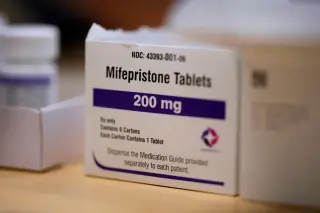
During Supreme Court arguments, a majority of the justices seemed inclined to reject a bid to limit access to abortion pills, expressing doubts about the plaintiffs' standing and the potential nationwide implications of the case. The case centers on changes made by the FDA in 2016 and 2021, which broadened access to the drug mifepristone, allowing telemedicine prescriptions and mail delivery. Justices questioned the plaintiffs' remedy of applying nationwide restrictions, expressing concerns about second-guessing the FDA's regulatory authority.