Tag

Theropods

All articles tagged with #theropods

Big Skull, Tiny Arms: Why Rex and Other Giants Dropped Their Forelimbs
science7 days ago

Big Skull, Tiny Arms: Why Rex and Other Giants Dropped Their Forelimbs

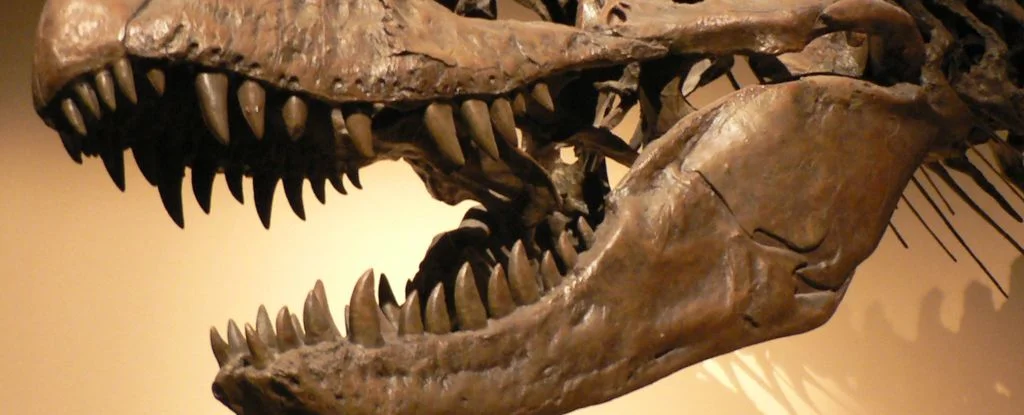
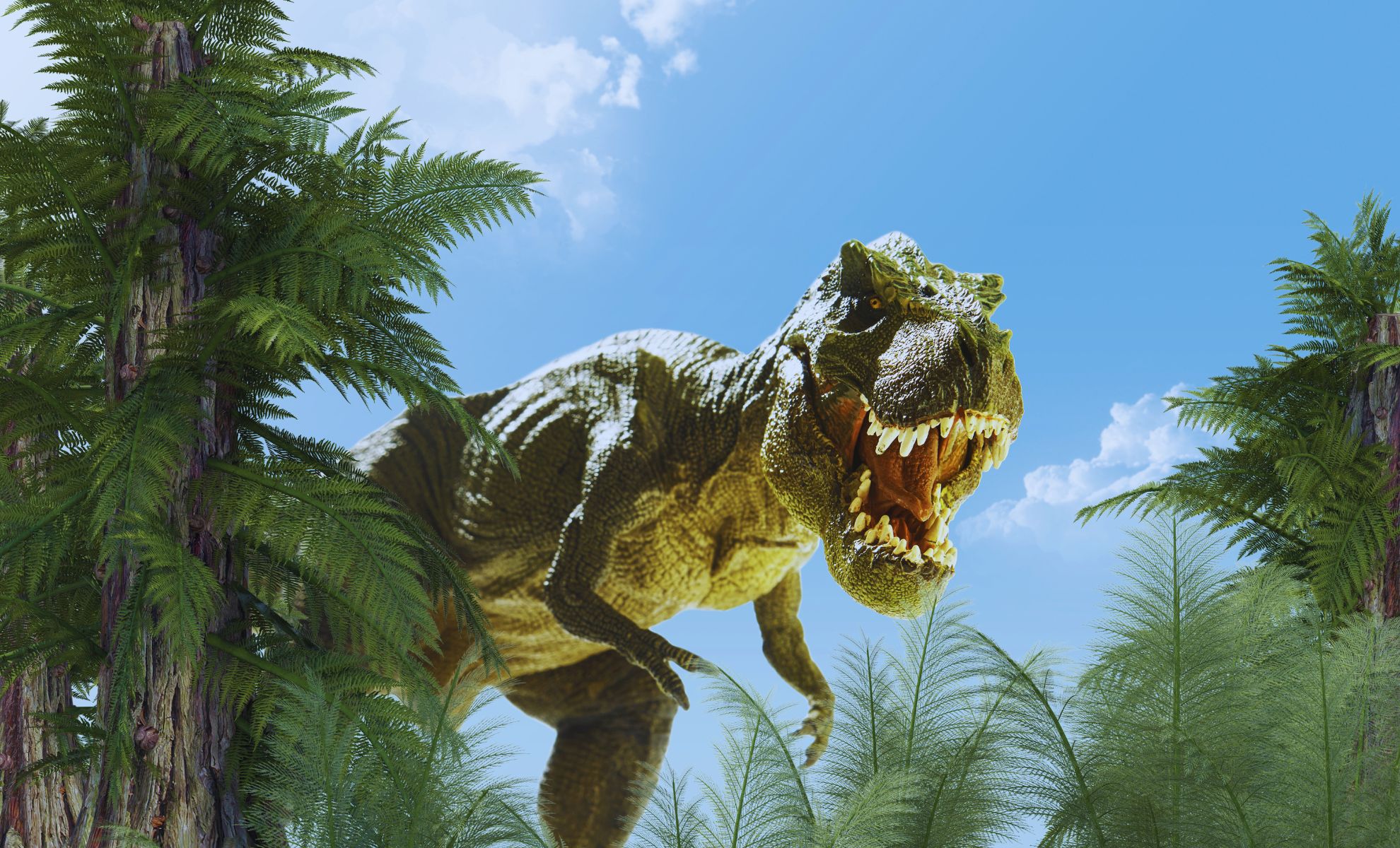
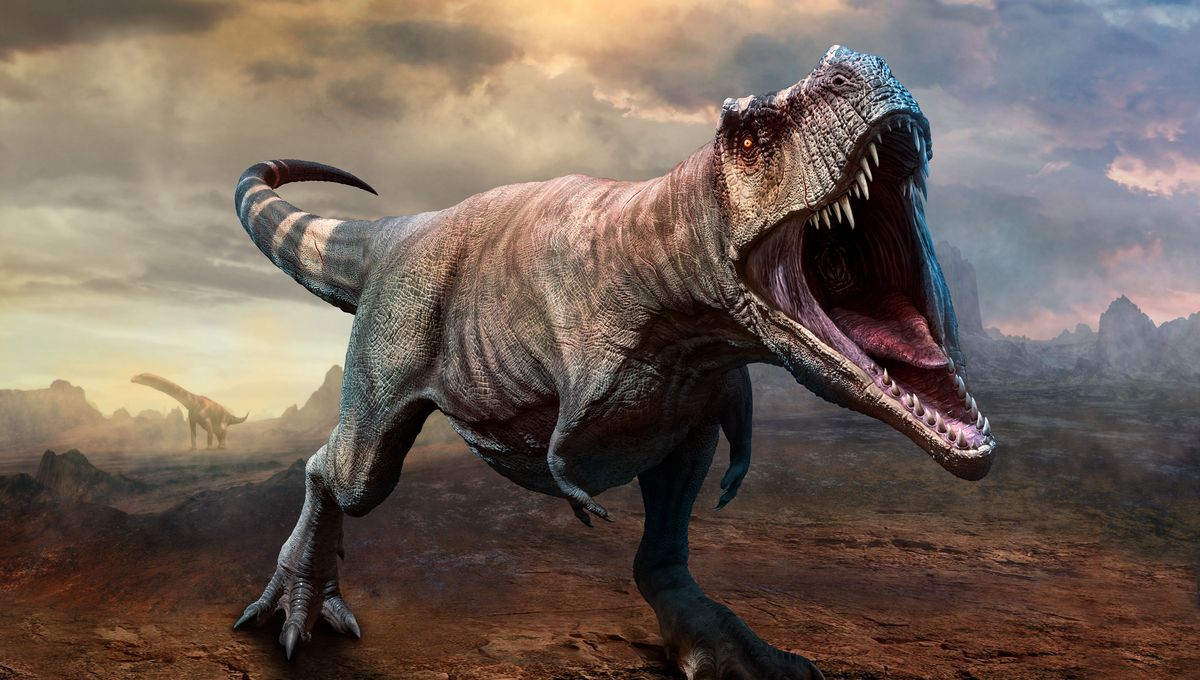
A new study of 82 theropods, including T. rex, finds reduced forelimbs evolved independently in five groups as heavily built skulls and strong bites became the primary hunting tool; skull robustness appears to drive forelimb shrinkage, with giant prey pushing predators toward jaw-based attacks and different lineages shortening arms via separate evolutionary paths (not merely due to overall body size).

Giant Jaws, Tiny Arms: Study Links T. rex Arm Reduction to Skull Power
science8 days ago

Giant Jaws, Tiny Arms: Study Links T. rex Arm Reduction to Skull Power

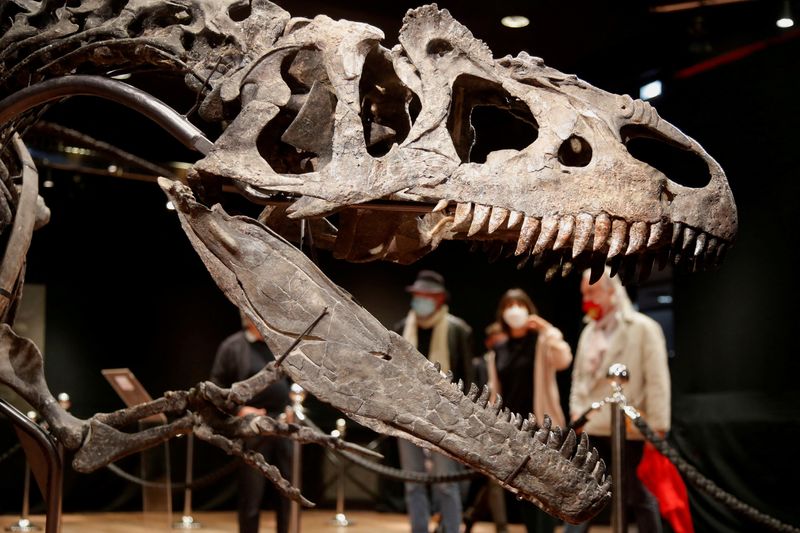
New research argues Tyrannosaurus and related theropods reduced forelimb size as they evolved larger, more robust skulls and jaws, using jaws as the primary weapon against enormous prey. An analysis of 61 theropods shows a strong link between short arms and robust skulls across five families, with skull growth likely preceding arm reduction. Forelimbs retained some function but did not drive the arms’ evolution; the study emphasizes correlation, not direct causation, and was published in Proceedings of the Royal Society B.

Strong jaws, not bigger bodies, drove giant theropods to shrink their forelimbs
science9 days ago

Strong jaws, not bigger bodies, drove giant theropods to shrink their forelimbs

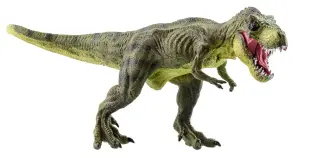
A new study of 82 theropod species finds that giant predators didn’t shrink their arms because their bodies grew larger; instead, as jaws and skulls became more powerful, forelimbs became less necessary and were reduced in five independent lineages. The researchers linked arm length to skull robustness, showing a stronger correlation with powerful jaws than with body size. Skull development preceded arm reduction, meaning the bite-based hunting strategy replaced grasping by the arms. This convergent pattern across tyrannosaurids, abelisaurids, carcharodontosaurids, megalosaurids, and ceratosaurids suggests tiny arms were an evolutionary consequence of jaw power, not a byproduct of overall gigantism.

Bolivia Uncovers World’s Largest Dinosaur Footprint Field Along Ancient Lakeshore
science16 days ago

Bolivia Uncovers World’s Largest Dinosaur Footprint Field Along Ancient Lakeshore

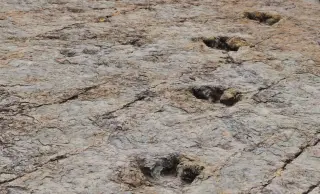
Paleontologists in Torotoro National Park, Bolivia, have documented Carreras Pampa as the largest known dinosaur tracksite, preserving nearly 18,000 footprints across 1,321 trackways dating to about 70 million years ago along the shore of an ancient freshwater lake. Most prints are three-toed theropod tracks, with ghost tracks and hundreds of swim traces; no bones were found. The site offers detailed clues on dinosaur movement and behavior and was published in PLOS ONE.

Tiny Arms, Big Mystery: Why T. rex Arms Were Proportionally Short
science19 days ago

Tiny Arms, Big Mystery: Why T. rex Arms Were Proportionally Short

T. rex arms were about 1 meter long, roughly 30% of the leg length, prompting several hypotheses about their function—from display and prey handling to balance as skulls grew larger—with no consensus. Some scientists view the arms as vestigial or a byproduct of skull enlargement; others suggest a defensive or ecological role in crowded feeding scenarios. Ongoing fossil research may yet reveal why this tiny-arm trend occurred repeatedly in theropods.

Hundreds of Dinosaur Eggs Unearthed From One Ancient French Nesting Ground
science2 months ago

Hundreds of Dinosaur Eggs Unearthed From One Ancient French Nesting Ground

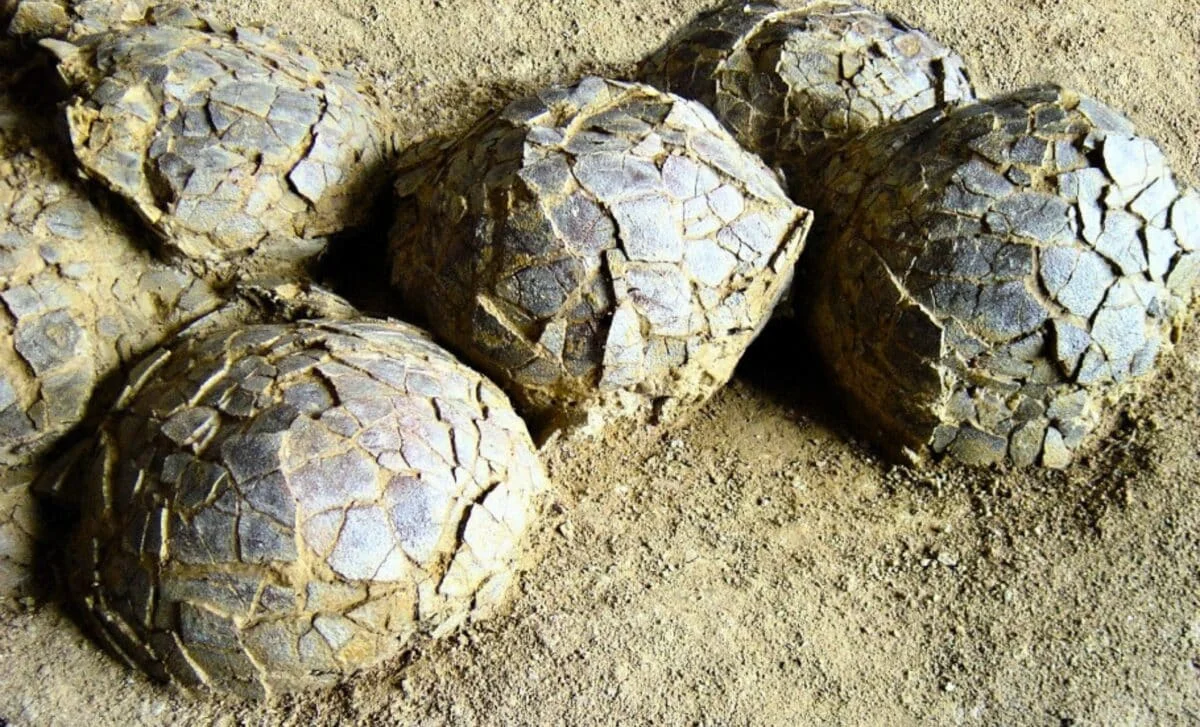
In southern France’s Mèze area, paleontologists uncovered a fossil-rich horizon containing more than 100 dinosaur eggs dating to about 70–72 million years ago, indicating multiple species used the site for nesting, including titanosaurs and smaller dinosaurs such as ankylosaurs or theropods; exceptional preservation in clay marls and flood deposits allowed eggs to fossilize, and the museum on site now protects and showcases these discoveries.

Record-Breaking Dinosaur Tracksite Unveils Over 18,000 Footprints
science5 months ago

Record-Breaking Dinosaur Tracksite Unveils Over 18,000 Footprints

The Carreras Pampa site in Bolivia, the largest dinosaur tracksite ever found, contains nearly 18,000 tracks from around 70 million years ago, offering unique insights into dinosaur behavior and preservation due to exceptional environmental conditions that captured footprints, tail marks, and swimming traces of theropods, making it a significant paleontological discovery.

Giant Dinosaur Skull Studies Reveal Varied Hunting and Biting Strategies
science9 months ago

Giant Dinosaur Skull Studies Reveal Varied Hunting and Biting Strategies

A study analyzing fossilized skulls of large theropod dinosaurs reveals diverse hunting strategies, with Tyrannosaurus rex capable of crushing bones with its powerful bite, contrasting with other species like Giganotosaurus and Spinosaurus that specialized in slicing flesh or catching fish, highlighting complex feeding behaviors among prehistoric predators.

"The Evolutionary Mystery of T. Rex's Tiny Arms"
paleontology2 years ago

"The Evolutionary Mystery of T. Rex's Tiny Arms"

The tiny arms of dinosaurs like T. rex have puzzled scientists for years, with various theories proposed to explain their existence. Suggestions range from mating behavior to aiding in getting up after a fall, avoiding accidental amputation, and even using them as weapons. Some believe the arms served no purpose and were simply a relic from their ancestors. Future research and fossil discoveries may shed more light on the true reason behind these absurd appendages.

Uncovering Dinosaur Predation through Bone Bite Marks
paleontology2 years ago

Uncovering Dinosaur Predation through Bone Bite Marks

Paleontologists studying bite marks on sauropod bones have concluded that the marks were likely made by scavenging meat-eating dinosaurs rather than predators that actively hunted and killed adult sauropods. The researchers found that the bite marks were more likely to be on the bones of old, sick, injured, or otherwise vulnerable sauropods. The study suggests that it would have been too risky for predators to try to bring down an adult sauropod, which could weigh up to 50 tons. Instead, the large theropods likely targeted and consumed young sauropods, which were more defenseless.

Uncovering Dinosaur Predation through Bone Bite Marks
paleontology2 years ago

Uncovering Dinosaur Predation through Bone Bite Marks

Paleontologists studying bite marks on sauropod bones from the Jurassic Period have concluded that the marks were likely made by scavenging meat-eating dinosaurs rather than predators that actively hunted and killed adult sauropods. The researchers found deep grooves on 68 out of 600 bones examined, suggesting that the scavengers came across the bodies of sauropods that had already died from causes like old age or infirmity. The study also revealed that adult sauropods were likely not targeted by predators due to their massive size and the potential risk involved in attacking them. Instead, predators may have focused on young sauropods, which were more vulnerable.

Uncovering Jurassic America's Carnivorous Secrets through Gnawed Dinosaur Bones
paleontology2 years ago

Uncovering Jurassic America's Carnivorous Secrets through Gnawed Dinosaur Bones

Tooth-marked bones of giant plant-eating dinosaurs in North America provide insight into the feeding habits of large carnivores during the Jurassic period. The study focused on bite marks made by non-Tyrannosaur carnivorous theropods on the bones of sauropod dinosaurs. The research revealed that bite traces were more abundant than previously realized and indicated that theropods likely fed on juvenile sauropods and scavenged larger carcasses. The findings shed light on the ecological relationships between dinosaurs in the Jurassic era.

Bizarre hands discovered on new theropod dinosaur
paleontology2 years ago

Bizarre hands discovered on new theropod dinosaur

A new species of theropod dinosaur, Migmanychion laiyang, has been identified by a team of archaeologists and paleontologists in China. The dinosaur fossil was found in Inner Mongolia and is believed to have lived approximately 121 million years ago. The newly discovered dinosaur has a unique hand structure different from all other known theropods and is reminiscent of oviraptorosaurs and therizinosauroids. The researchers suggest that M. laiyang likely evolved separately from lineages that led to modern birds.