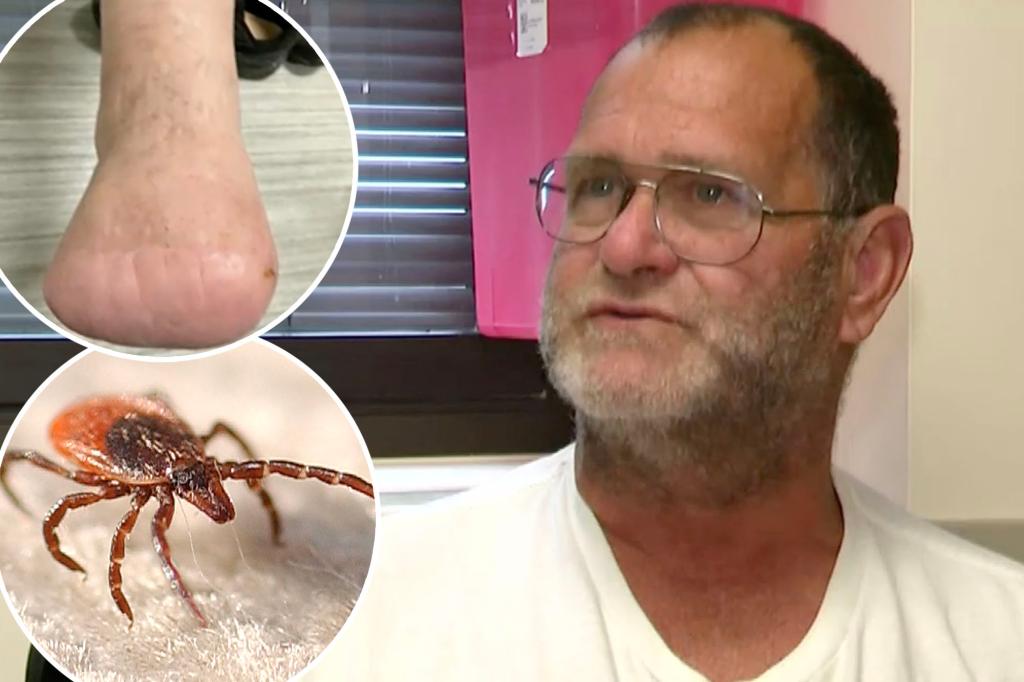
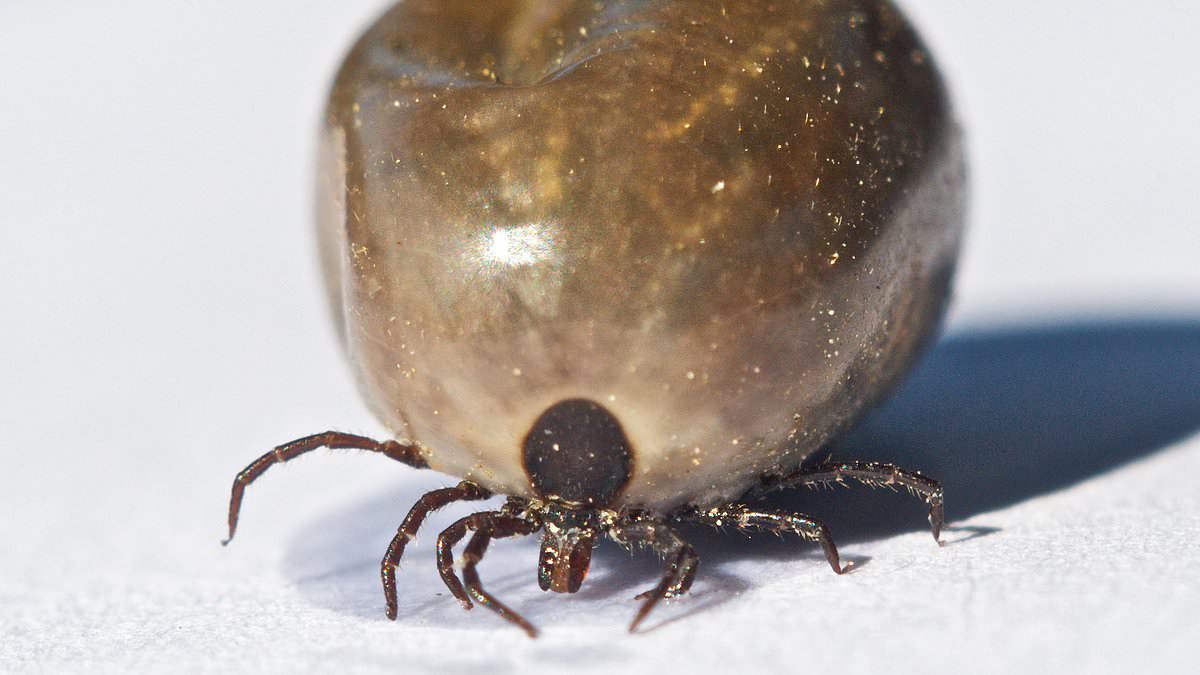
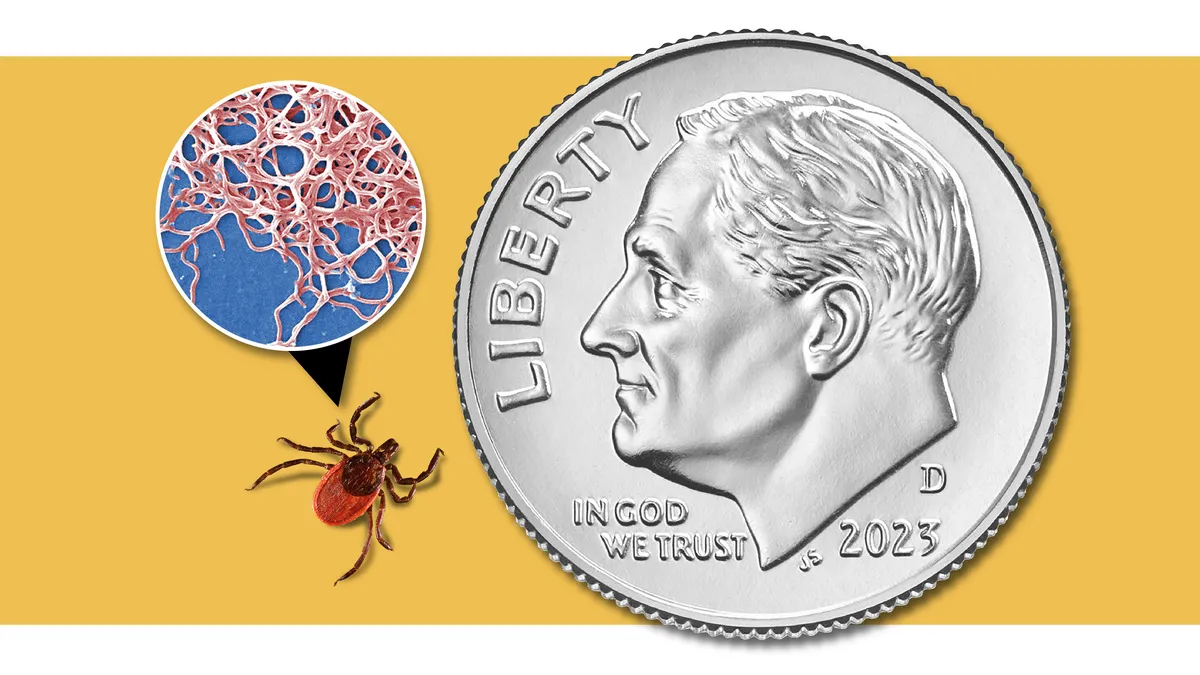
An Ontario man spent 10 days in hospital after a tick bite led to anaplasmosis, highlighting rising tick-borne illnesses in the province and prompting health officials to urge precautions like protective clothing and routine tick checks.
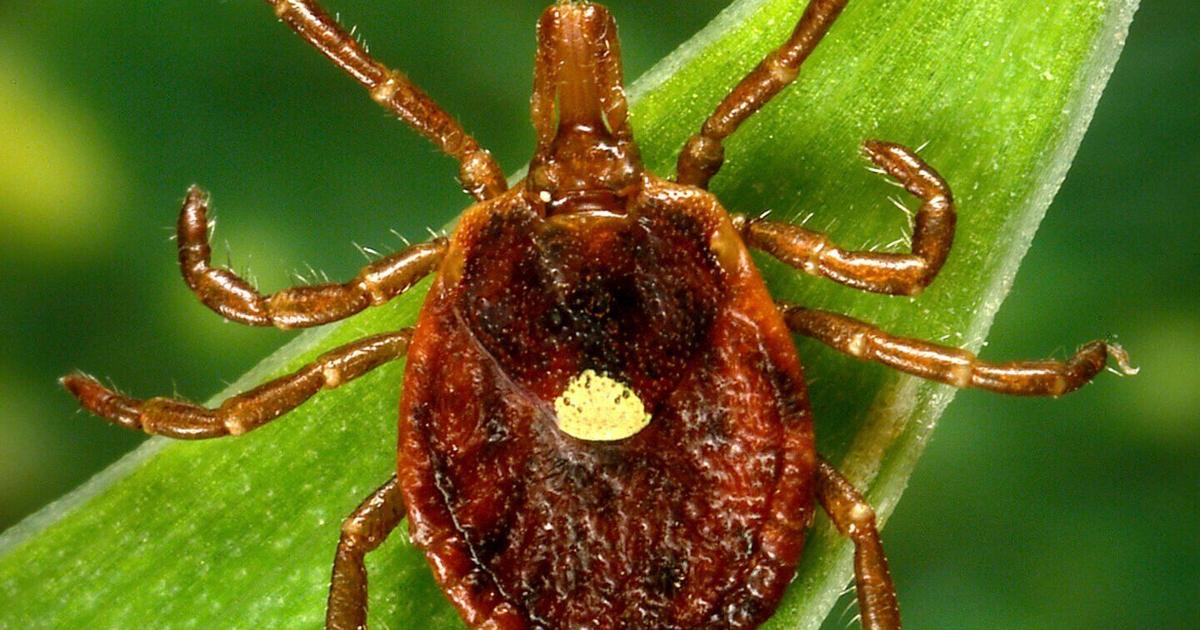
Advocates are pushing to classify alpha-gal syndrome — a meat- and dairy-allergy triggered by lone star tick bites — as the 10th major food allergen, a move they say would improve labeling and protections. The effort includes outreach to lawmakers, like Rep. Jake Auchincloss, and personal stories such as Erica Pernell’s about needing to check medications and foods for animal-derived ingredients.
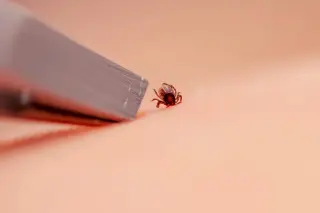
During tick season in the U.S., experts advise removing any attached tick promptly with fine-tipped tweezers, pulling upward with steady, constant pressure near the skin, then cleaning the bite area and documenting details (date, location, tick appearance). Save the tick if possible for identification, and monitor for symptoms such as rash, fever, or fatigue in the days to weeks after exposure. Seek medical advice if you develop symptoms or are unsure about the bite, since ticks can transmit Lyme disease and other pathogens.
Maia Pavey, a 27-year-old from London, has become bedridden with Lyme disease, which was reactivated by Covid-19, leading to severe fatigue and other symptoms. Her family emphasizes the importance of awareness and prevention of tick-borne illnesses, as Maia's condition highlights the long-term impact of such infections and the need for proper diagnosis and treatment.
A rare allergy called alpha-gal syndrome, caused by tick bites, has led residents of Martha's Vineyard to avoid red meat and dairy, transforming their social and dietary habits due to the risk of severe allergic reactions.
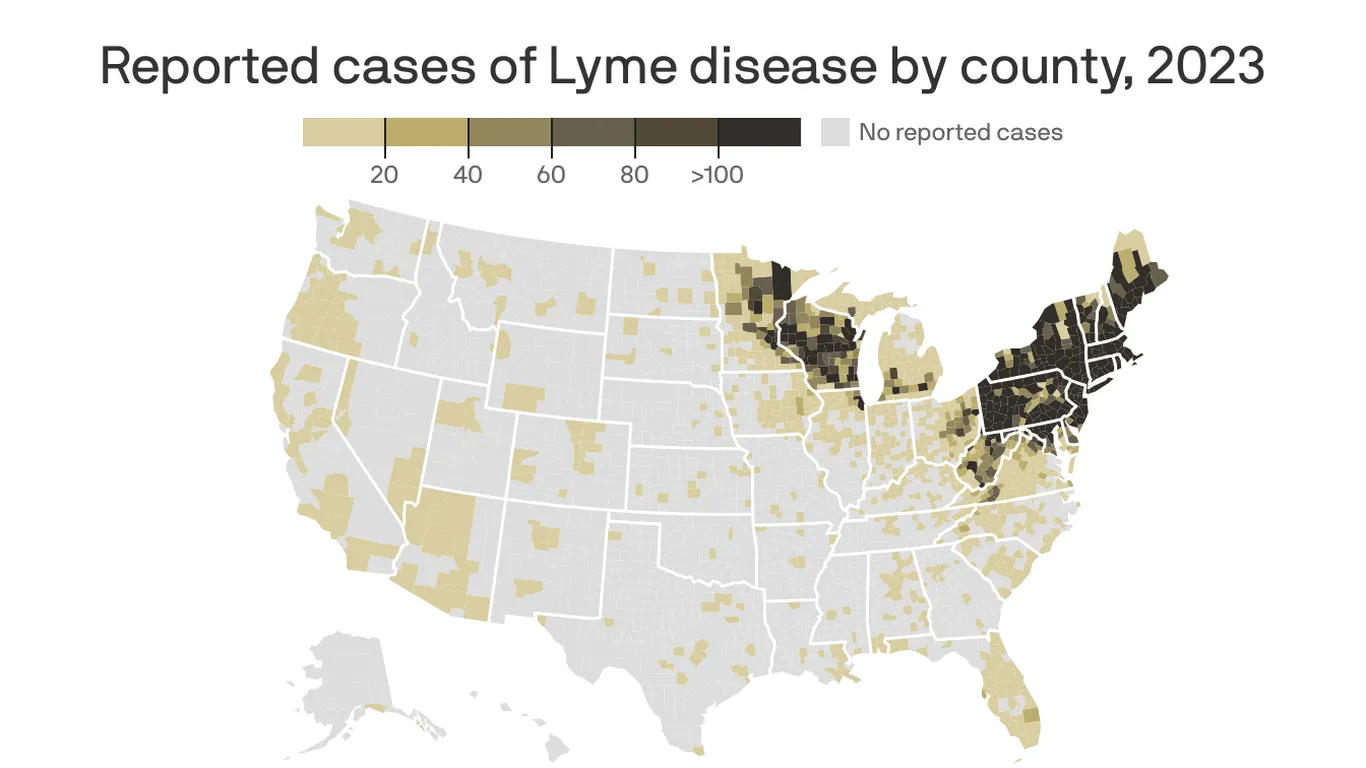
Justin Timberlake's recent Lyme disease diagnosis highlights the importance of awareness and prevention during peak tick season (April-October), as the disease can cause serious long-term health issues if untreated. With over 89,000 reported cases in 2023 but an estimated 476,000 actual diagnoses annually, early detection and proper tick removal are crucial. Preventive measures include wearing white clothing, checking for ticks, and seeking medical attention if symptoms appear.
A California fitness influencer, Maria Palen, is relearning to walk after contracting Babesia from a tick bite, which severely damaged her immune system and caused partial paralysis, with her recovery journey supported by a GoFundMe campaign.
A four-year-old girl in West Virginia became paralyzed after a tick bite caused tick paralysis, a rare condition. The family found a tick on her head, which was removed, leading to her recovery within hours. The incident highlights the importance of checking for ticks after outdoor activities to prevent serious health issues like paralysis and Lyme disease.
Alpha-gal syndrome is an allergy to a carbohydrate molecule found in lower mammals, causing reactions to meat, dairy, and gelatin. Tick bites are believed to play a role in the development of this allergy, which is more common in areas with tick habitats. While avoiding tick bites is the best prevention, the allergy may fade over time if further bites are avoided. Patients may still be able to consume dairy and certain medications, but dining out can be challenging due to lack of awareness and accommodation in restaurants.
Alpha-gal syndrome, caused by a tick bite, is wreaking havoc on the lives of individuals like Samuel Moore, a cranberry and blueberry farmer in New Jersey. This syndrome results in a severe allergic reaction to red meat, pork, and dairy, causing hives and cramps even with minute traces of these foods. There is no cure or treatment for alpha-gal, and prevention through avoiding tick bites is crucial. The lone star tick, native to the eastern United States, is responsible for the rise in cases. Climate change and forest regrowth have allowed these ticks to expand their territory. The syndrome affects approximately 450,000 Americans, and its impact extends beyond the individual to their entire family.
An Ohio man had all the toes on his foot amputated after a tick bite triggered a severe infection. The infection spread throughout his foot, leading to critical limb ischemia, a condition that increases the risk of amputation. The patient underwent multiple surgeries to remove infected toes and reconstruct veins in his leg. The incident serves as a cautionary tale about the dangers of ignoring tick bites, as tick-borne diseases, including Lyme disease and Alpha-gal syndrome, are spreading across the US. Powassan, an incurable and potentially deadly virus, is another concerning tick-borne affliction.
A man from Ohio had to have five toes on his right foot amputated after suffering a tick bite that triggered a deadly blood infection. The bite caused an infection that damaged his blood vessels, leading to critical limb ischemia and restricted blood flow to his toes. Doctors were able to save his leg by reconstructing some of his veins, but warned that patients with risk factors such as diabetes, high cholesterol, smoking, or heart disease should take any tick bites seriously. Tick bites are becoming more common due to warmer temperatures, and treatment should be sought if concerned, especially if a red bulls-eye shape appears around the bite.
Lon Wilhelms shares her experience living with Alpha-gal syndrome, a condition she developed after being bitten by a lone star tick. The syndrome made her allergic to mammals and their byproducts, including meat, milk, shampoos, cosmetics, lotions, medications, and certain brands of bottled water. Lon struggled to find safe foods to eat and had to rely on injections for nutrients. The lack of awareness and understanding of Alpha-gal syndrome among doctors and the general public made it a lonely and confusing experience for her. Lon hopes that increased awareness will lead to better understanding and support for those living with the condition.
Lyme disease, transmitted through tick bites, can result in a range of health problems and is most commonly reported in the upper Midwest, Northeast, and mid-Atlantic states. Symptoms include fever, fatigue, joint pain, and skin rash, and can vary from person to person. Lyme disease is curable with antibiotics, but some patients may experience persistent long-term symptoms. Prevention measures include checking for ticks after outdoor activities and taking precautions in tick-infested areas.
A 6-year-old boy from Arkansas developed a severe reaction to a tick bite, experiencing hours-long seizures and a medically induced coma. Aiden Debusk was diagnosed with ehrlichiosis, a tick-borne illness, which led to a rare immune system overreaction causing the seizures. His parents are sharing their story to raise awareness about the dangers of ticks and the importance of prevention, such as using bug spray and checking for ticks after outdoor activities. Aiden is now awake but faces a long recovery and will require physical, speech, and occupational therapy.