Japan's Ministry of Defense requested a record 8.9 trillion yen for fiscal 2027, focusing on AI, unmanned systems, and new naval assets like the Aegis System Equipped Vessels and upgraded Mogami-class frigates.
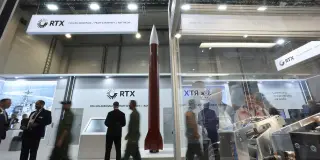
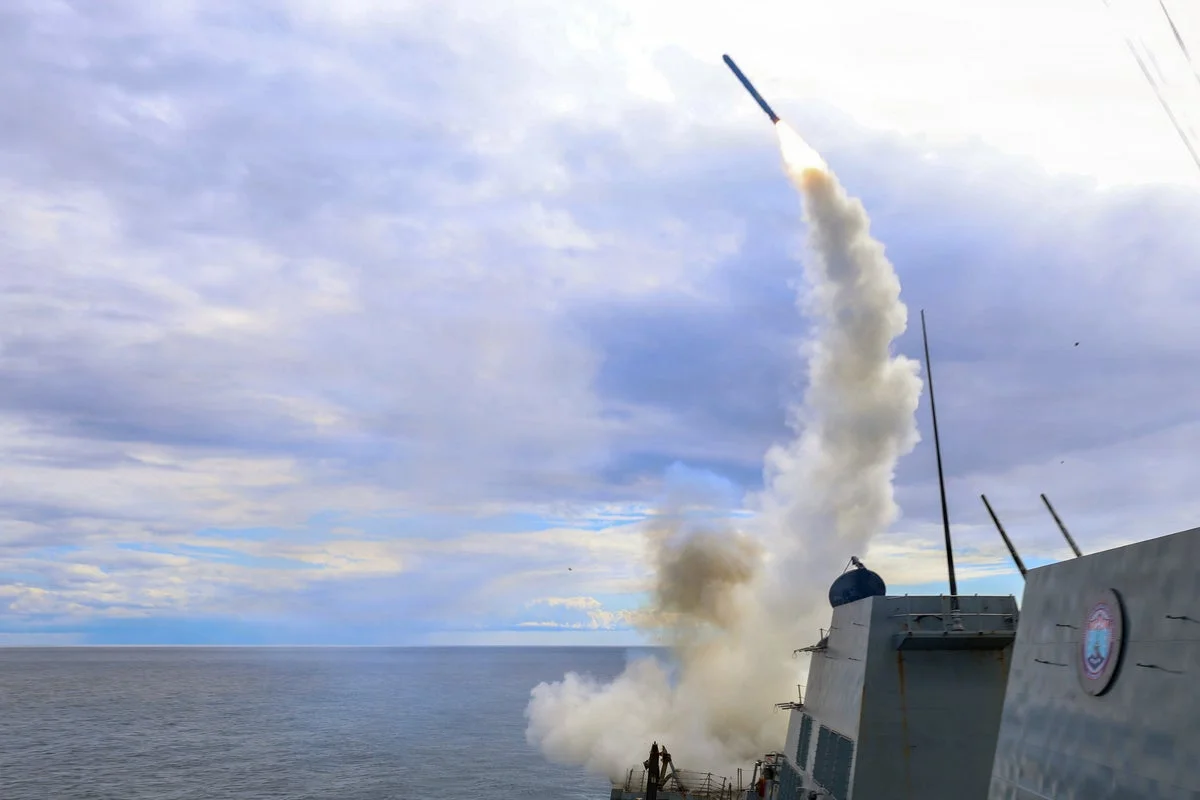
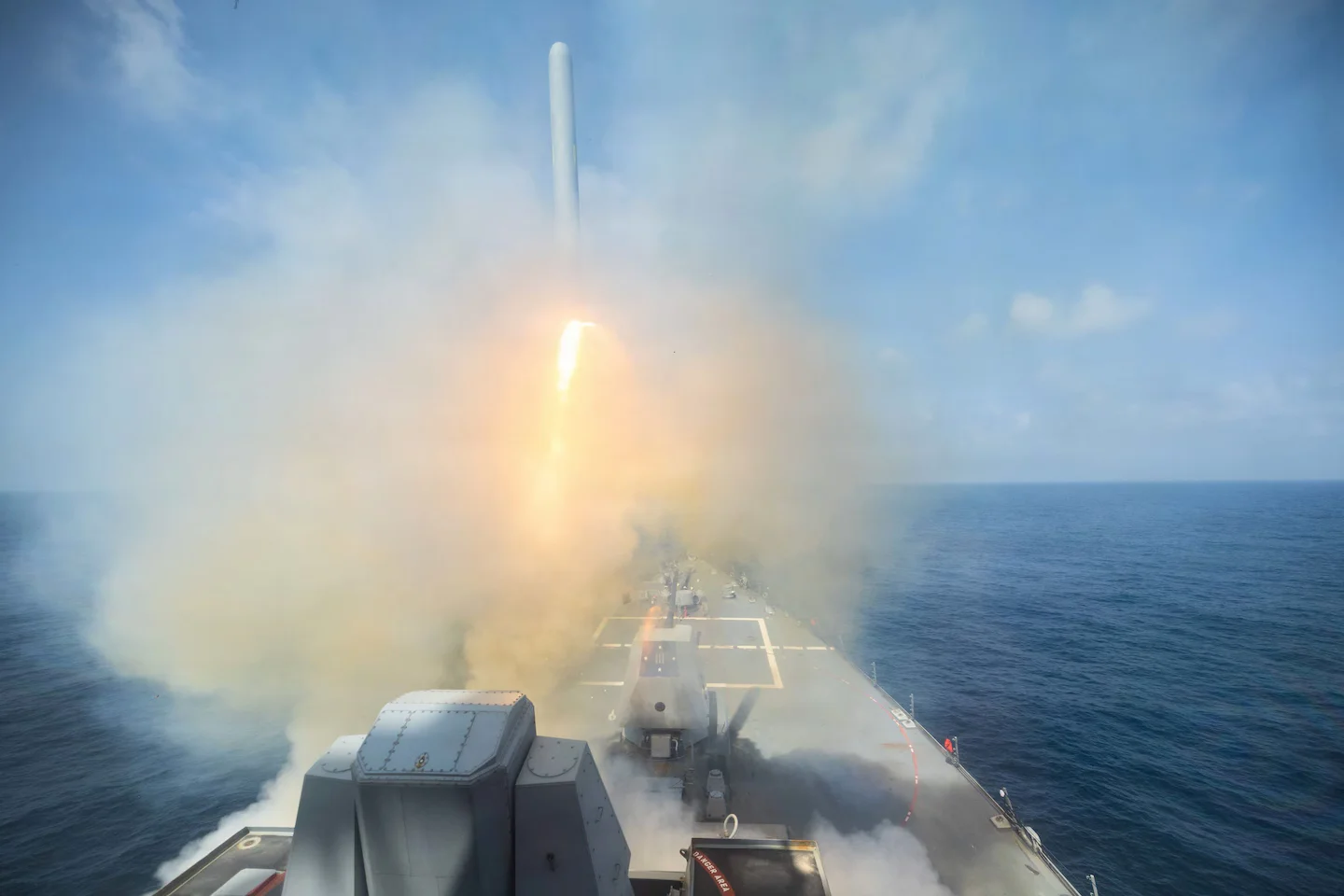
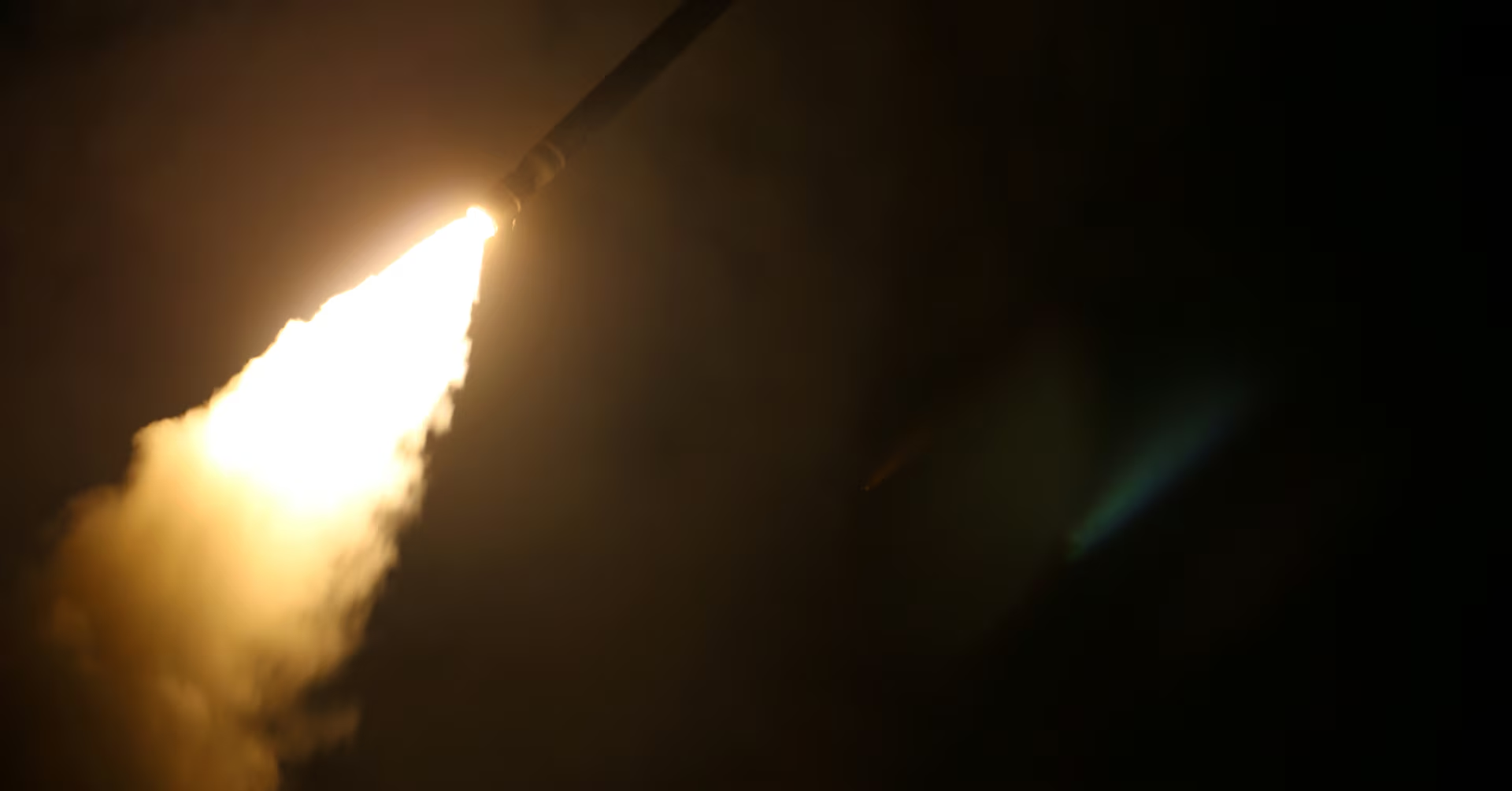
RTX’s Raytheon division has secured a seven-year, $22.9 billion contract with the U.S. Navy to dramatically increase Tomahawk cruise missile production. The deal aims to ramp output to over 1,000 units annually, a tenfold increase from recent levels, to replenish stockpiles depleted during the Iran conflict. While the contract supports broader defense industrial base expansion, investors remain cautious due to potential political shifts in the 2026 midterms and mixed market performance.
The Pentagon is poised to cancel plans to send Tomahawk missiles to Germany, citing fears Moscow would view the move as an escalation and concerns about U.S. stockpiles, as part of a broader retrenchment from NATO that includes troop reductions and shifting European defense responsibilities, leaving Berlin seeking alternatives to fill long-range strike gaps.
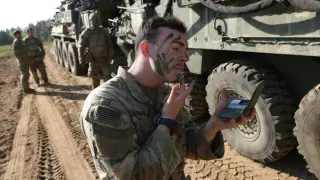
NATO allies want a coordinated US plan for troop reductions in Europe to avoid deterrence gaps with Russia. Estonia’s foreign minister urged clearer, joint timelines ahead of a NATO meeting with Marco Rubio, amid recent US moves to cancel a 4,000-strong Poland rotation and cut 5,000 German troops, plus scrapping a battalion equipped with ground-launched Tomahawk missiles. European officials fear capability gaps and question the lack of details; Estonia may seek alternative weapons suppliers if needed, and delays to HIMARS deliveries underscore the uncertainty. A NATO summit in July could reveal the US posture, but officials say there is no guaranteed timetable yet.
German Chancellor Friedrich Merz seeks to cool tensions with Donald Trump over US troop withdrawals, missile commitments, and tariff threats, defending his blunt style while reiterating commitment to the transatlantic partnership and urging quicker EU-US trade progress.
As the U.S. leverages a ceasefire with Iran to re-arm, officials warn that while it possesses advanced capabilities, its munitions stocks are finite and replenishment will take years, prompting ramped-up production and investment in the defense industrial base to maintain readiness across theaters.
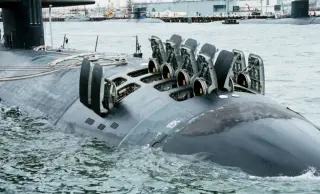
A routine fleet-planning review reveals a shortfall of 2,080 vertical launch system cells as four aging Ohio-class SSGNs and a cadre of cruisers retire, leaving the Navy with a significant conventional strike gap. Even with Virginia- and Columbia-class replacements, shipyard labor shortages, backlogs, and aging hulls mean the gap will persist, complicating deterring and sustaining long-range operations.”
Pentagon officials warn that about 850 Tomahawk missiles have been fired in the Iran conflict, prompting internal talks about replenishing stocks as the campaign continues; some observers say remaining missiles could be a small fraction of the arsenal, potentially creating a gap in broader operations, while preliminary findings link a Tomahawk strike to an elementary school in Minab that killed about 175 people.
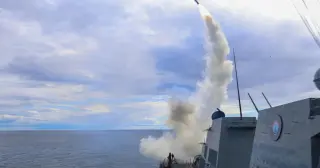
In four weeks of conflict with Iran, the U.S. has fired more than 850 Tomahawk missiles, prompting Pentagon concerns about dwindling inventories and plans to relocate stocks and accelerate production; missiles cost up to $3.6 million each and can take years to rebuild, leading to discussions of resupply at sea as officials insist there is no immediate shortage for ongoing operations.
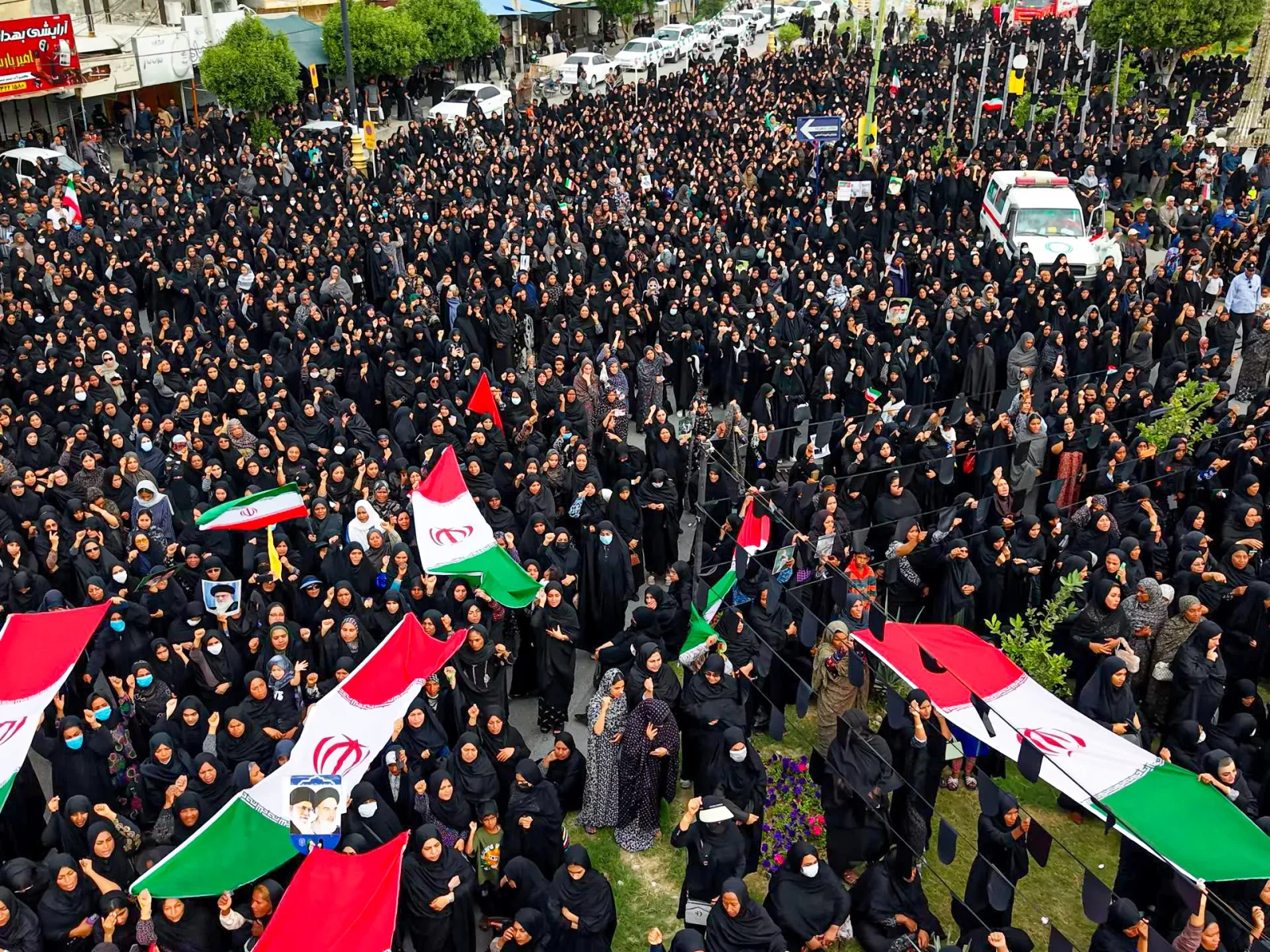
Trump has given inconsistent answers about the February 28 strike in southern Iran that killed many civilians, with early blame on Iran and later uncertainty about details; a New York Times report cites a preliminary Defense Department investigation suggesting the U.S. was behind the attack, a claim Trump has not consistently endorsed. Senators from both parties are pressing for answers, accountability, and a swift investigation into civilian harm and the role of AI in targeting, highlighting the civilian toll of the US-Israel campaign against Iran.
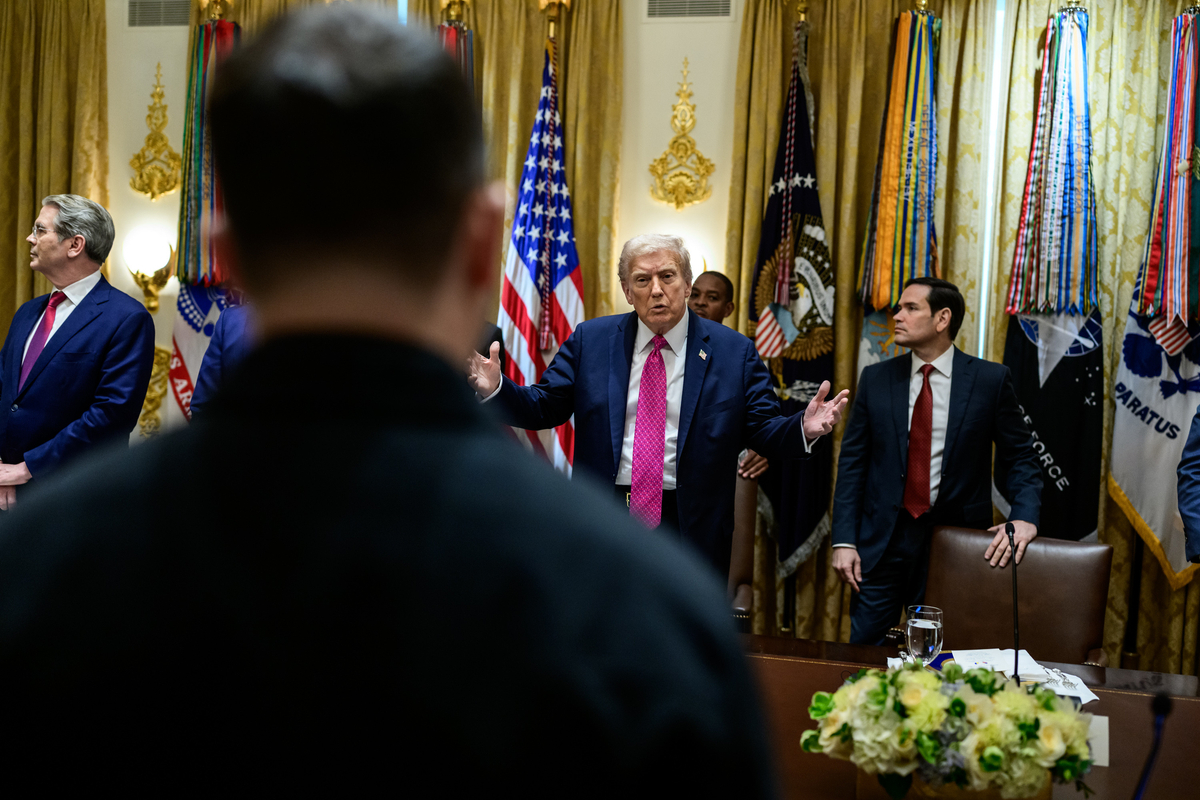
US President Donald Trump has expressed reluctance to supply Ukraine with long-range Tomahawk missiles, urging Kyiv and Moscow to settle the war themselves, and downplaying the likelihood of escalating military aid.
U.S. President Donald Trump has stated he is not currently considering selling long-range Tomahawk missiles to Ukraine, citing concerns about escalating the war with Russia, though he left open the possibility of changing his mind in the future.
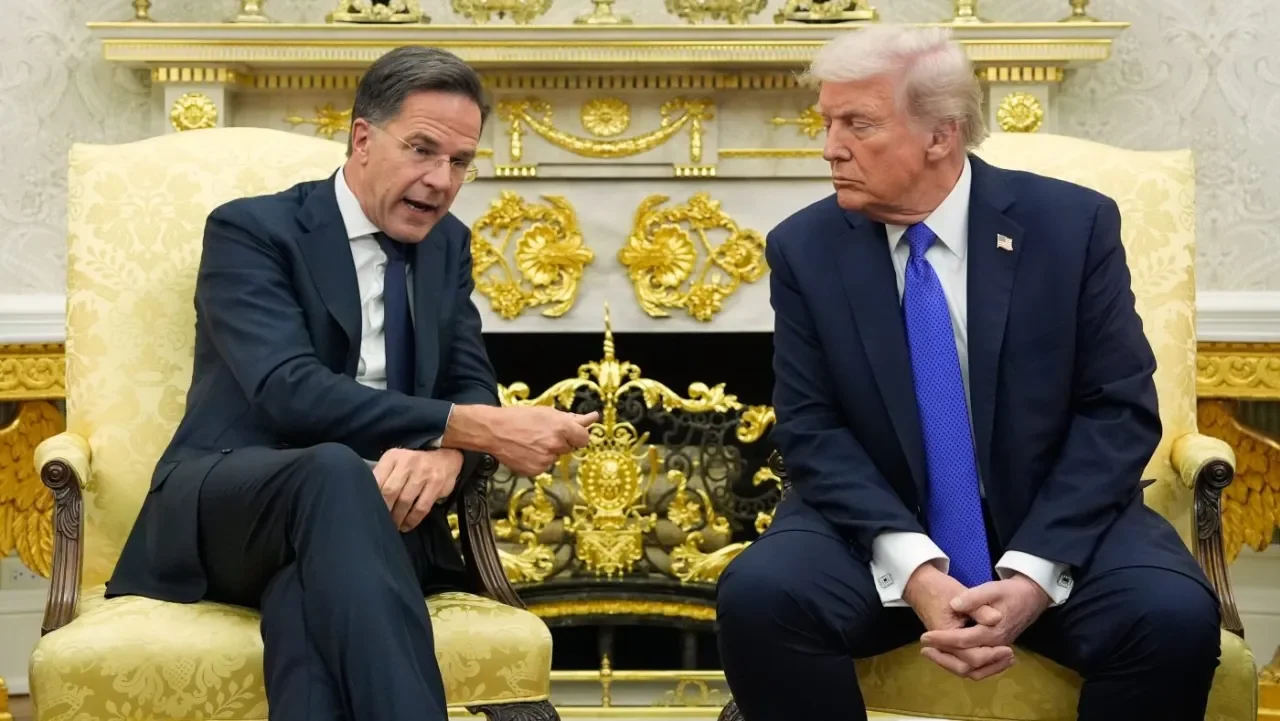
NATO Secretary-General Mark Rutte praised President Trump for his decision not to supply Ukraine with Tomahawk missiles, citing the complexity and training time required for their use, and emphasizing the importance of economic pressure on Russia. Trump highlighted the extensive training needed for the missiles and canceled a planned meeting with Putin, citing strategic concerns.
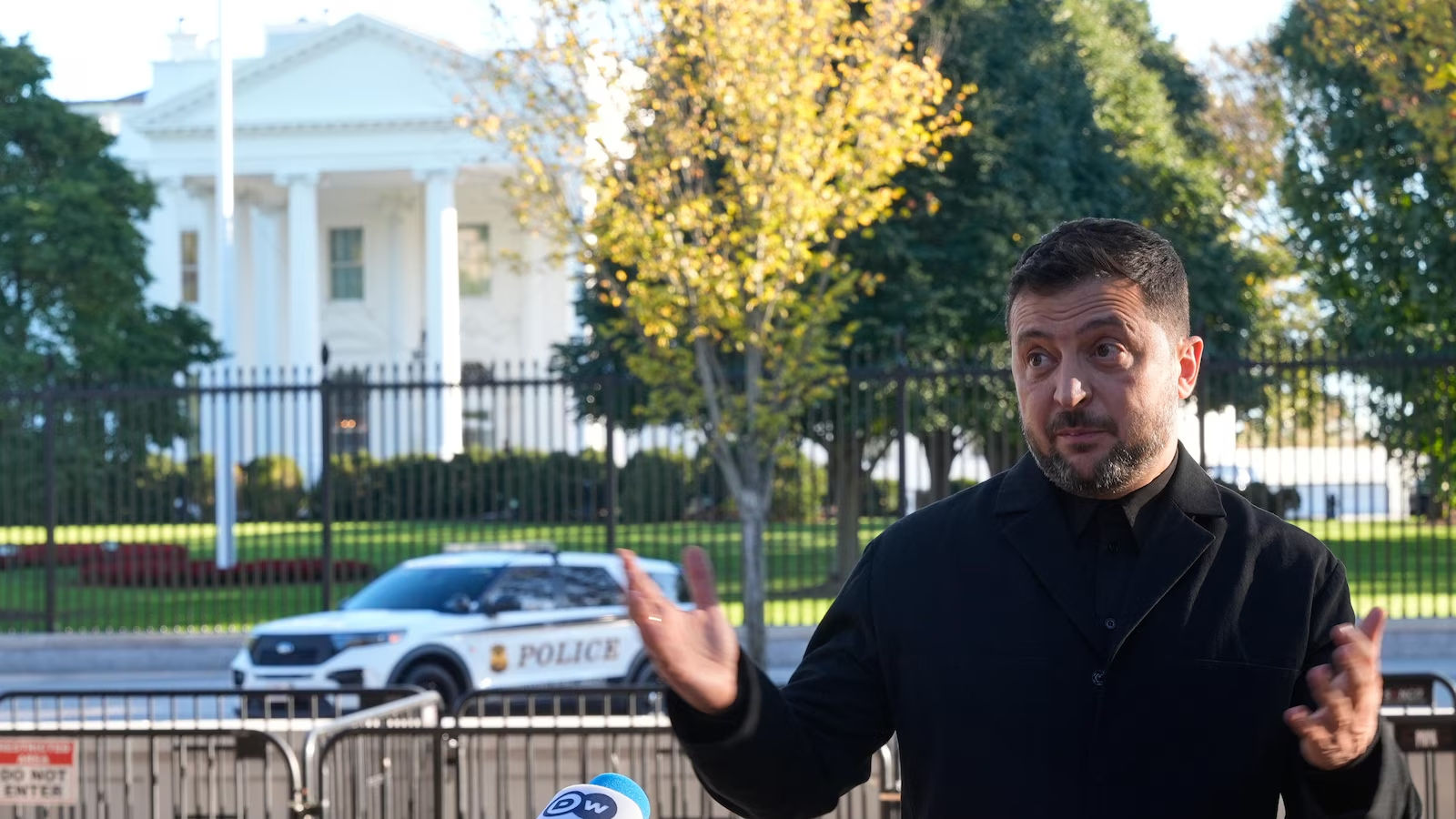
Ukrainian President Zelenskyy described his meeting with President Trump as positive despite not securing Tomahawk missiles, highlighting ongoing US interest in economic and military support, and discussing potential peace negotiations involving Russia and Ukraine.
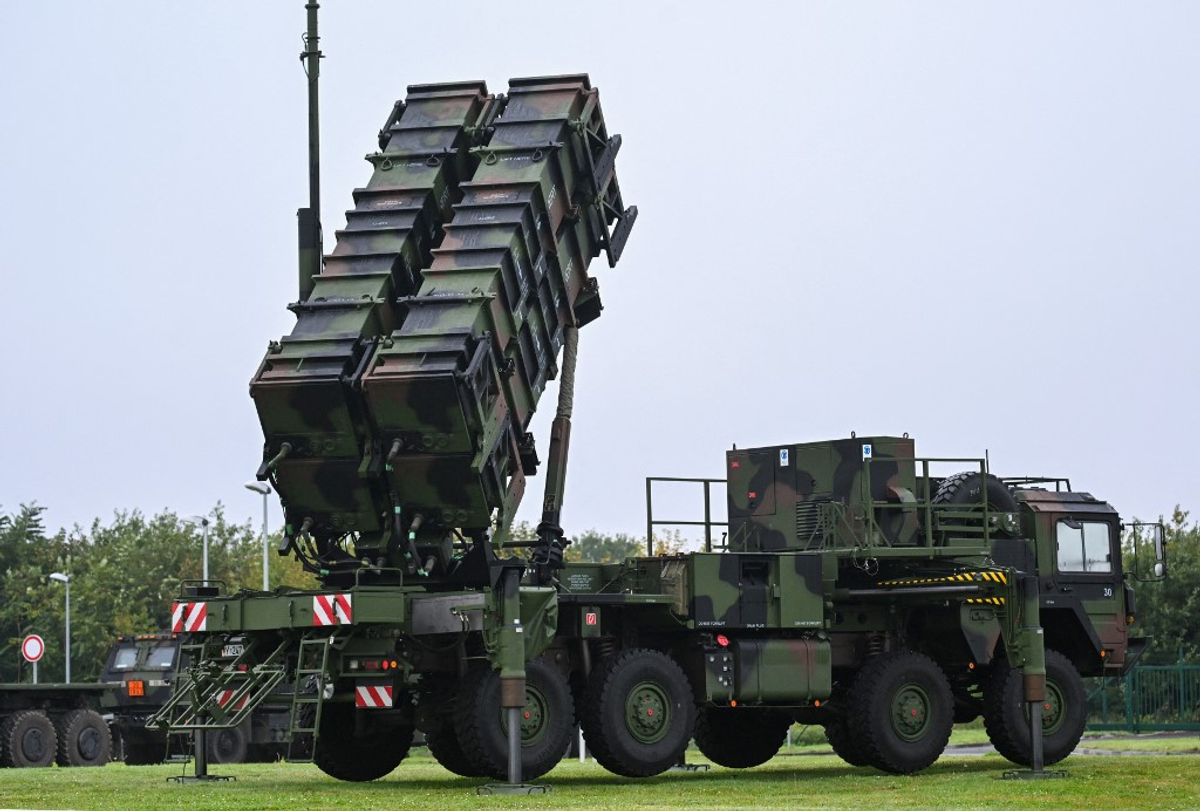
Ukraine is set to sign a contract with the US for 25 Patriot air defense systems, with potential European support for Tomahawk missiles, as part of ongoing military cooperation amid tensions with Russia. The delivery timeline depends on US political decisions and production schedules, with some European NATO countries possibly assisting in speeding up the process.