Pamela Anderson disclosed that she was diagnosed with hepatitis C in the late 1990s when there was no cure, saying it compelled her to spend everything she had to pay for a yearlong FDA‑approved treatment. She later beat the illness by 2015 and spoke about the stigma and emotional toll, urging others to get tested as she discussed her journey at the amfAR Gala in Venice.
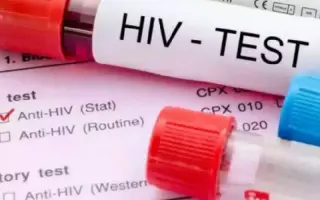
Researchers from the University of Nairobi's Centre for Epidemiological Modelling and Analysis presented at the 26th International AIDS Conference in Rio de Janeiro, outlining evidence gaps and potential paths to safely simplify HIV treatment for ageing populations, determine next steps when resistance to HIV medicines arises, and strengthen protections for mothers and children.
Gout, once labeled a 'disease of kings,' is rising fastest among young people—millions are affected in the U.S. and globally—with obesity, diabetes, metabolic syndrome, high-fructose diets, alcohol, and genetics as key drivers; diagnosis has improved but triggers vary. Treatments include colchicine for flares and allopurinol for long-term uric-acid control, plus lifestyle changes like Mediterranean/DASH diets and weight loss to reduce risk. Social media memes and misinformation on platforms like TikTok can mislead about remedies, while stigma keeps some patients from seeking care; patient groups and informed medical guidance offer realistic paths to relief and quality of life.
Singer Carly Simon, 83, announced she has Parkinson’s disease. The article explains that Parkinson's is a progressive brain disorder marked by tremors, rigidity, balance and movement difficulties, and notes risk factors such as age and family history. It also emphasizes that there is no cure, but treatment options, exercise, and therapy can help manage symptoms, and that diagnosis typically requires a medical evaluation rather than a single test.
Migraines are now understood as a primary neurological disorder driven by trigeminovascular activation and CGRP release, unfolding through four phases—prodrome, aura, migraine attack, and postdrome. Advances in CGRP-targeted therapies (gepants and monoclonal antibodies) have transformed care, though cost and access remain barriers. Lifestyle factors like sleep, dehydration, and stress influence susceptibility, and myth about foods causing migraines has been debunked.
Michigan’s cyclosporiasis outbreak is expanding rapidly, with 1,562 confirmed cases and at least 44 hospitalizations as of July 10, 2026, rising about 20–30% daily and likely undercounted due to testing gaps and asymptomatic cases. The source remains unidentified, and transmission is foodborne rather than person-to-person. Symptoms include watery diarrhea, abdominal pain and dehydration, and most patients improve with antibiotic treatment such as trimethoprim-sulfamethoxazole, though severe cases can last weeks. Preventive guidance emphasizes thoroughly washing and cooking produce (158°F or higher kills the parasite) and careful handling; washing alone does not reliably eliminate cyclospora. Stool testing options include an inexpensive O&P test (3–5 days results) and the faster, more expensive BIOFIRE panel (about a day). Pets cannot get cyclosporiasis from humans, but public health officials urge cautious food sourcing and hygiene while investigators seek the outbreak’s source.
Biohacker Bryan Johnson says he has autoimmune gastritis, diagnosed in May and disclosed in June; there is no approved cure, with treatment focusing on symptom relief and managing complications as researchers explore new therapies. Johnson and his team plan to pursue experimental approaches to cure, while he continues his high-cost biohacking regimen that includes numerous supplements and a home hyperbaric chamber.
Rosacea is a chronic inflammatory skin condition that can cause redness, flushing, acne-like breakouts, visible blood vessels, and sensitivity (and can include ocular symptoms). While there is no cure, symptoms are manageable through a rosacea-friendly skincare routine (gentle cleansing, moisturizer, sunscreen) and targeted treatments such as topical azelaic acid, benzoyl peroxide, and antibiotics; vasoconstrictors like brimonidine or oxymetazoline can reduce persistent redness; laser or intense pulsed light therapy can improve flushing; ivermectin may help reduce Demodex mites; and isotretinoin or surgery may be needed for thickened skin. Triggers vary by person but commonly include heat, cold, sun, spicy foods, alcohol, and exercise, with makeup or medications also potentially contributing. Ocular rosacea (eye symptoms) is managed with warm compresses, eyelid hygiene, and sometimes antibiotic eye drops. Diagnosis is made clinically by a dermatologist.
Genicular artery embolization (GAE), a minimally invasive procedure that injects resorbable gelatin microspheres to block abnormal knee vessels, aims to reduce inflammation and pain in osteoarthritis. In a real-world study of 194 participants (average age ~69), most experienced significant pain relief and improved function for at least 12 months, with 80% surpassing the minimum clinically important difference; about 23% needed a second GAE, and adverse events were mild and limited to 6.7% of participants. The treatment offers a potential middle option between injections and joint replacement.
Britney Spears was arrested in California for DUI after reports of erratic driving; officers detected alcohol on her breath, noted red, watery eyes, and found an Adderall bottle not prescribed to her along with other prescription meds. Her BAC was in a low range (.05–.06) but a drug-recognition evaluation indicated impairment. She pled guilty to reckless driving and received 12 months of summary probation, fines, and a three-month first-offender DUI program (30 hours), with mandated ongoing substance abuse treatment and testing; she had previously checked into a treatment facility.
A woman’s struggle with alcohol reveals gaps in harm-reduction, medical care, and Alcoholics Anonymous, underscoring a broader shift in how alcohol-use disorder is treated and prompting discussion of newer approaches.
NBC New York host Sara Gore announced she has breast cancer and will pause her work for treatment and surgery, expressing fear but gratitude for support and a hopeful plan to return stronger.
A gastroenterologist debunks IBS myths and emphasizes that irritable bowel syndrome is a well-studied condition with evidence-backed therapies, highlighting options like soluble fiber and peppermint oil while warning against unfounded online remedies and urging patients to seek specialist guidance for effective management.
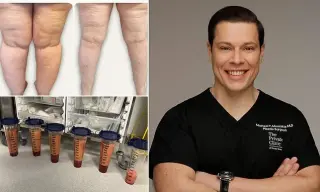
Lipedema is a chronic, hormone-influenced condition causing disproportionate fat buildup in the legs (and sometimes arms) that does not respond to diet or exercise and is often misdiagnosed as obesity; the piece outlines symptoms, the female predominance, and UK treatments such as a CORE diagnostic pathway, Vaser fat harvesting, and RF skin tightening to relieve pain and improve mobility.