Irritable bowel syndrome affects roughly 15% of Americans, with women experiencing it at twice the rate of men. New research suggests this disparity stems from biological differences, including hormonal influences and distinct gut microbiome compositions, rather than just psychological factors.
A new study presented at the American College of Gastroenterology 2026 Annual Scientific Meeting suggests that a commercially available enzyme combination supplement can significantly reduce irritable bowel syndrome (IBS) symptoms. The supplement, Fodzyme by Kiwi Biosciences, targets three of the five FODMAPs (fermentable oligo-, di-, and monosaccharides, and polyols) known to trigger IBS. In a prospective, single-arm study of 442 participants, the enzyme mix, which breaks down fructans, galacto-oligosaccharides, and lactose, led to substantial improvements in abdominal pain, bloating, and overall symptom severity over four weeks. Unlike restrictive low-FODMAP diets, this approach aims to allow patients to maintain dietary flexibility while managing triggers. However, researchers emphasize that the study lacked a control group, and further randomized trials are needed before clinical recommendations can be made.
Raspberries are highlighted as the best fruit for gut health due to about 8 grams of fiber per cup, helping many people reach the daily 25–38 grams fiber goal. A high-fiber, plant-rich diet supports digestion, weight management, and longevity, and raspberries are low in FODMAPs, making them IBS-friendly. The piece also offers tasty ways to enjoy raspberries and stresses that fiber should come from a variety of plants, grains, and healthy fats, not just this one fruit.
A large, continuous-spectrum GWAS of anxiety symptoms (693,869 European-ancestry participants) identified 74 genetic loci (39 new) and revealed notable genetic overlap with irritable bowel syndrome (r≈0.57) and modest overlaps with coronary artery disease and migraine. The study estimates about 6% of anxiety symptom variation is explained by common variants, with the rest shaped by environment and gene–environment interactions; researchers caution that correlations do not imply causation and emphasize methodological advances (dimensional analysis) and the need for more diverse datasets. It complements clinically diagnosed anxiety genetics work and highlights gut–brain axis as a key area for future research.
Clinicians are increasingly embracing a concept called bowel hygiene, emphasizing fiber- and hydration-rich diets, regular physical activity, healthy toileting habits, mind-body practices, and consistent daily routines to improve gut motility, microbial diversity, and stress resilience—an approach that could enhance patient counseling and public health education even as formal validation continues.
Scientists found clock genes in the colon’s nerve tissue that regulate bowel movements on a daily rhythm, with nitric oxide acting as a braking signal that loosens as wake time approaches. The resulting surge in colonic activity occurs after waking and after meals due to the gastrocolic reflex, cortisol, and meal-triggered signals. Disrupting this rhythm with shift work or travel is linked to IBS-like symptoms, while practical guidance—consistent wake time, morning light, a short post-breakfast toilet routine, fiber, water, and light activity—helps the colon finish the job.
A health feature outlines five early warning signs of bowel cancer—blood in the stool, persistent changes in bowel habits, abdominal pain, bloating, and unexplained weight loss—and urges anyone experiencing these symptoms to see a GP promptly. The piece highlights the value of early reporting for better outcomes and explains NHS screening options, including at-home FIT tests and follow-up tests like colonoscopy or CT scans if results are positive.
A gastroenterologist links persistent IBS-like symptoms to a specific breakfast ingredient: added inulin (chicory root fiber) found in fortified cereals and yogurts. In sensitive guts, such fermentable fibers can cause gas, pain, and urgency. By removing inulin-filled breakfasts for two weeks and re‑challenging, patients often identify a clear trigger, leading to personalized, timed fiber strategies rather than demonizing fiber entirely. About two‑thirds of IBS-D patients improved after breakfast simplification, underscoring the need to tailor dietary changes to the individual.
A gastroenterologist debunks IBS myths and emphasizes that irritable bowel syndrome is a well-studied condition with evidence-backed therapies, highlighting options like soluble fiber and peppermint oil while warning against unfounded online remedies and urging patients to seek specialist guidance for effective management.
Experts explain bloating is common and can stem from gas, constipation, diet, or IBS, and outline 25 practical fixes—from staying hydrated and monitoring salt to probiotics, gentle exercise after meals, and mindful eating—that help reduce bloating quickly and safely. They also discuss when to use OTC aids like simethicone, the potential benefits of ginger, prebiotics, and digestive enzymes, and note that a low-FODMAP plan should be done with a registered dietitian; seek medical advice for sudden, persistent, or alarming symptoms.
A Cedars-Sinai doctor advances a novel “gravity intolerance” theory suggesting IBS risk may hinge on how the body tolerates gravity. Using a framework called the G-force cube (resistance, detection, vigilance), he argues gravity-related factors could unify IBS with related conditions like anxiety, pain sensitivity (fibromyalgia), and POTS. The idea is preliminary and not a replacement for established IBS factors (bacteria, inflammation, diet, genetics); more research is needed, but gravity may help organize known risk factors and guide future study.
Healthy 37-year-old Mohammad Samad experienced abdominal pain, bloating, and constipation that were misattributed to stress, IBS, and Crohn’s disease, delaying a diagnosis of stage-3 colon cancer. After a colonoscopy confirmed the tumor, he underwent chemotherapy and emergency surgery when infections prevented further treatment, the tumor grew to the size of a watermelon, and he required a stoma and nerve damage. He is now cancer-free for two years, with his tumor testing positive for Lynch syndrome, and he has launched a blog to raise awareness about rising cancer rates among young people and the need for earlier screening and awareness.
A new preclinical mouse study suggests estrogen heightens gut-pain sensitivity by acting on rare gut-lining L-cells, which increases OLFR78 receptor activity and boosts serotonin release via the PYY pathway, altering nerve signaling to the brain. Removing ovaries lowers estrogen and reduces pain sensitivity, while restoring estrogen brings it back, potentially explaining why IBS is more common and severe in women. The findings hint at potential targets (PYY/OLFR78) for IBS therapies, though translating mouse results to humans requires caution.
The article explains the low-FODMAP diet, which involves avoiding certain fermentable carbohydrates that can cause bloating, gas, and other digestive issues, especially for those with IBS. It highlights which foods are low in FODMAPs, such as certain vegetables, fruits, meats, nuts, and seeds, and discusses the importance of working with a healthcare professional to avoid nutritional deficiencies while managing symptoms.
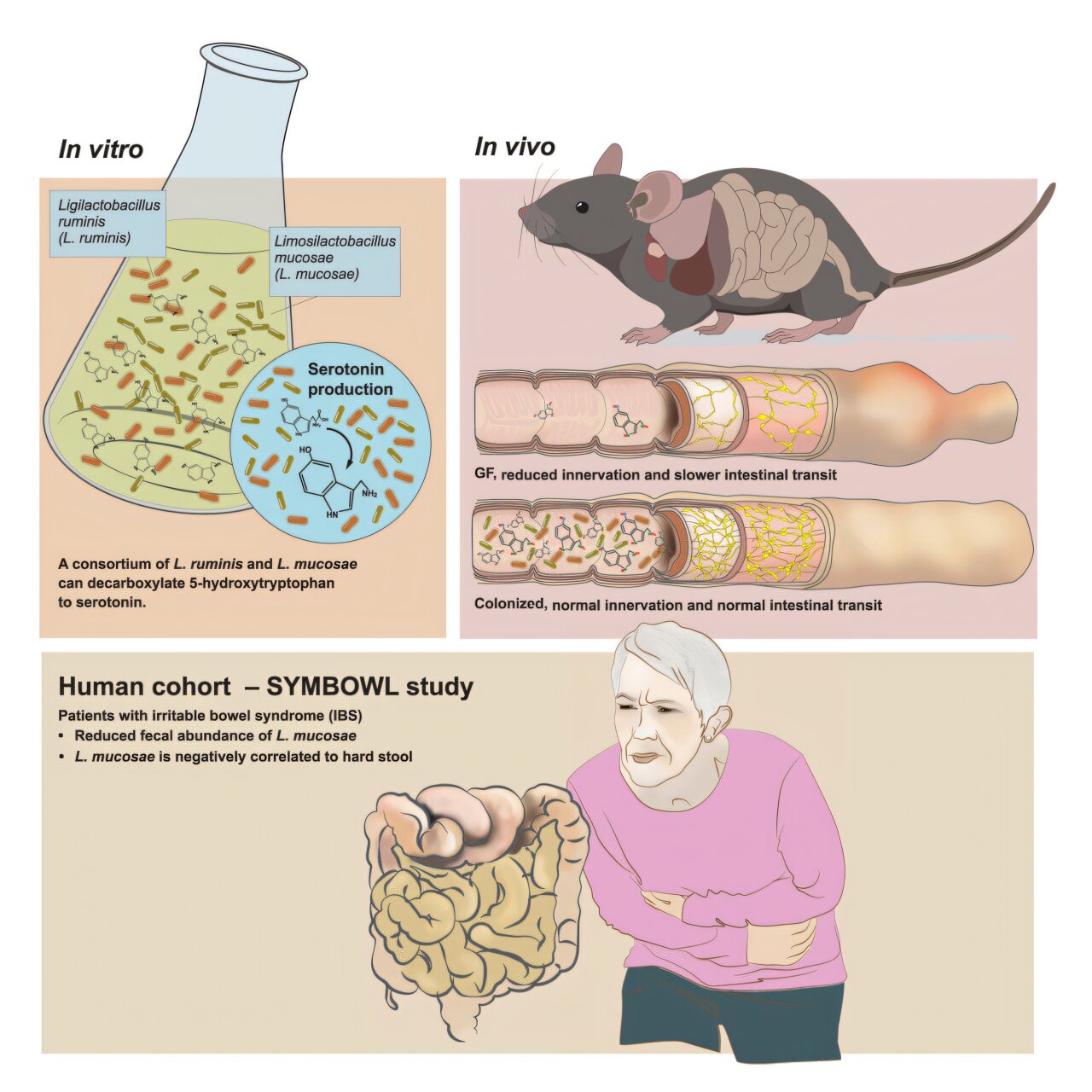
Research from the University of Gothenburg shows that gut bacteria can produce serotonin, which may lead to new treatments for irritable bowel syndrome (IBS), as certain bacteria like Limosilactobacillus mucosae and Ligilactobacillus ruminis increase serotonin levels and improve gut function, offering hope for addressing IBS symptoms.