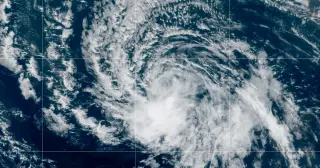
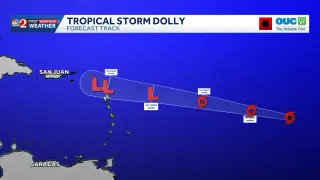
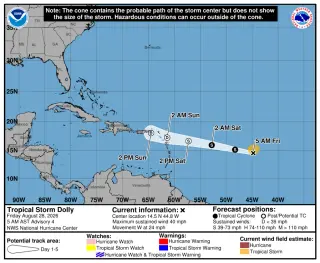
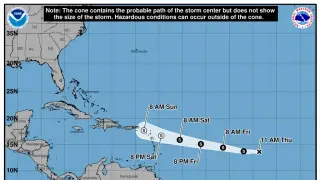
The remnants of Tropical Storm Dolly have reached Florida, bringing widespread rain and potential localized flooding, while Tropical Storm Edouard strengthens in the Gulf of Mexico, heading toward the Texas and Louisiana coasts.
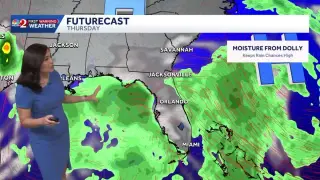
The National Hurricane Center (NHC) confirmed the formation of Tropical Storm Edouard in the Gulf of Mexico on August 31, 2026, while simultaneously tracking the remnants of Tropical Storm Dolly toward Florida. Edouard, the fifth named storm of the season, is forecast to make landfall in Louisiana and Texas with heavy rainfall and flooding risks. Meanwhile, Dolly’s remnants, though unlikely to redevelop, are expected to bring significant moisture and up to 4 inches of rain to Central Florida by Thursday.
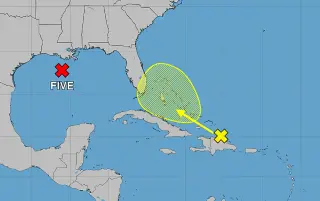
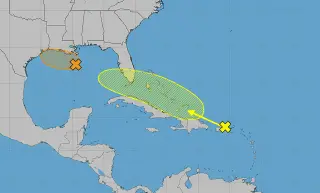
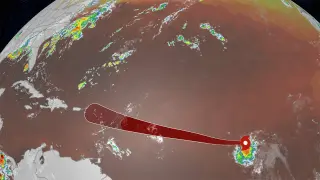
The National Hurricane Center (NHC) increased development probabilities for two tropical systems on August 30, 2026. A low-pressure area in the northern Gulf, designated Invest 97L, received a 50% chance to develop into a tropical depression or storm within two to seven days. Simultaneously, the remnants of Tropical Storm Dolly, now a tropical wave, were assigned a 20% chance of redevelopment over the next week. The Gulf system is forecast to move west-northwestward toward the upper Texas or southwestern Louisiana coast by Tuesday, potentially bringing heavy rainfall regardless of its status. The Dolly remnants are moving westward across the Caribbean at 25 mph, with conditions becoming more favorable for redevelopment by midweek as the system approaches Florida and the Gulf. The 2026 Atlantic hurricane season remains below average, with NOAA forecasting 7 to 13 named storms and 2 to 6 hurricanes, compared to the 14 named storms and 7 hurricanes typical of an average year.
Tropical Storm Dolly, the fourth named storm of the 2026 Atlantic season, has dissipated into a tropical wave before reaching the Caribbean. While the storm itself is no longer a threat, its remnants are expected to bring heavy rain and potential flash flooding to the Leeward Islands, Virgin Islands, Puerto Rico, and Hispaniola this weekend. The National Hurricane Center confirmed the system's decay, noting that the name 'Dolly' was a coincidence with the recent death of entertainer Dolly Parton.
Tropical Storm Dolly, which formed in the central Atlantic on August 27, has weakened into a tropical wave. While it poses no threat of destructive winds or surge, its remnants are expected to deliver much-needed rainfall to Puerto Rico and the Virgin Islands, potentially alleviating severe drought conditions.
The National Hurricane Center confirmed the formation of Tropical Storms Karina and Lowell in the Pacific on August 28, 2026, with both expected to intensify into hurricanes within days. Simultaneously, Tropical Storm Dolly developed in the Atlantic, posing a threat of heavy rain to the Caribbean. While no coastal warnings were issued for the Pacific systems, Karina is forecast to generate dangerous surf along Mexico’s Baja California Peninsula. Dolly, the fourth named storm of the 2026 Atlantic season, is moving west toward the Leeward Islands, with potential impacts for the Virgin Islands, Puerto Rico, and Hispaniola. Forecasters note that the 2026 Atlantic season is expected to be below average due to El Nino conditions.
Tropical Storm Dolly, the fourth named storm of the 2026 Atlantic season, has dissipated in the eastern Atlantic and is no longer being tracked by the National Hurricane Center. While it was initially forecast to bring heavy rain to the Caribbean this weekend, the storm weakened rapidly due to hostile atmospheric conditions and failed to reach the region. No coastal watches or warnings were ever issued, and Florida was not expected to be impacted.
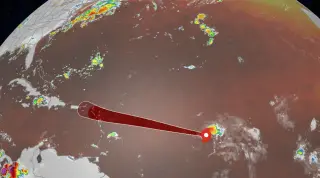
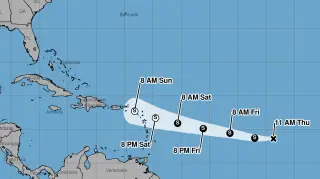
Tropical Storm Dolly is moving west toward the Caribbean but is forecast to weaken into a tropical wave before making landfall. While it is not expected to strengthen into a hurricane, its remnants may bring heavy rain and flash flooding to the Leeward Islands, Virgin Islands, Puerto Rico, and Hispaniola late this weekend. The storm is the fourth named system of the 2026 Atlantic season, which NOAA predicts will be below average.
Tropical Storm Dolly formed in the Atlantic on August 27, 2026, becoming the fourth named storm of the season. Although its formation coincided with the recent death of music icon Dolly Parton, officials emphasized that the name is part of a pre-established list. The storm is expected to weaken quickly but may bring heavy rainfall to the Caribbean.
Tropical Storm Dolly, the fourth named storm of the 2026 Atlantic season, is moving slowly toward the Caribbean. Forecasters do not expect it to strengthen into a hurricane, but it may bring heavy rain to the Virgin Islands, Leeward Islands, and Puerto Rico.
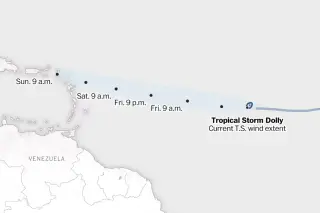
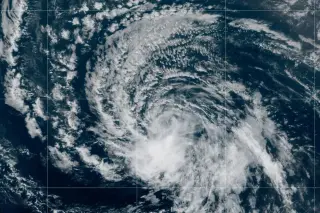
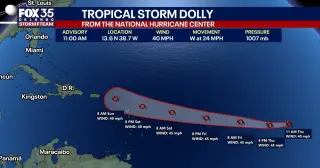
Tropical Storm Dolly has formed in the Atlantic as the fourth named storm of the 2026 season. It is currently moving west at 24 mph with 40 mph winds. While not expected to strengthen significantly, it may bring heavy rain and flash flooding to parts of the Caribbean before weakening into a tropical wave.
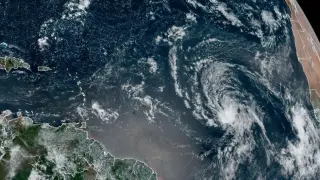
The National Hurricane Center confirmed the formation of Tropical Storm Dolly, the fourth named storm of the 2026 Atlantic season. Located far in the eastern Atlantic, the system is expected to weaken into a tropical wave by the weekend with no immediate impact on the United States. The naming coincides with the recent death of country music icon Dolly Parton, a coincidence meteorologists described as astonishing but unrelated to the pre-determined naming list.
Tropical Storm Dolly has formed in the Atlantic, but forecasters expect it to weaken into a tropical wave before reaching the Caribbean. The storm's name is part of a pre-approved list and is unrelated to the recent death of Dolly Parton.
Tropical Storm Dolly formed in the Atlantic on August 27, 2026, with winds of 40 mph. The National Hurricane Center forecasts it will weaken before reaching the Leeward Islands, though heavy rain may cause flash flooding in the Caribbean late this weekend. It is the fourth named storm of the 2026 season.
Tropical Storm Dolly formed in the Atlantic on Aug. 27, 2026, as the fourth named storm of the season. Forecasters expect it to weaken into a tropical wave before reaching the Leeward Islands, though heavy rain may affect the region late next week.