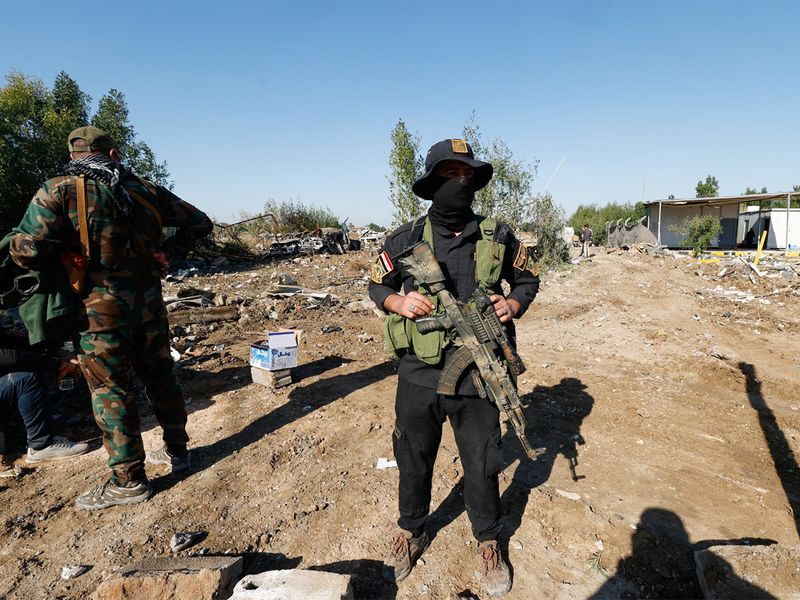
An exclusive NBC News report says Iran inflicted far more damage on American military bases and equipment in the Persian Gulf than publicly acknowledged, with repair costs potentially running into billions of dollars.
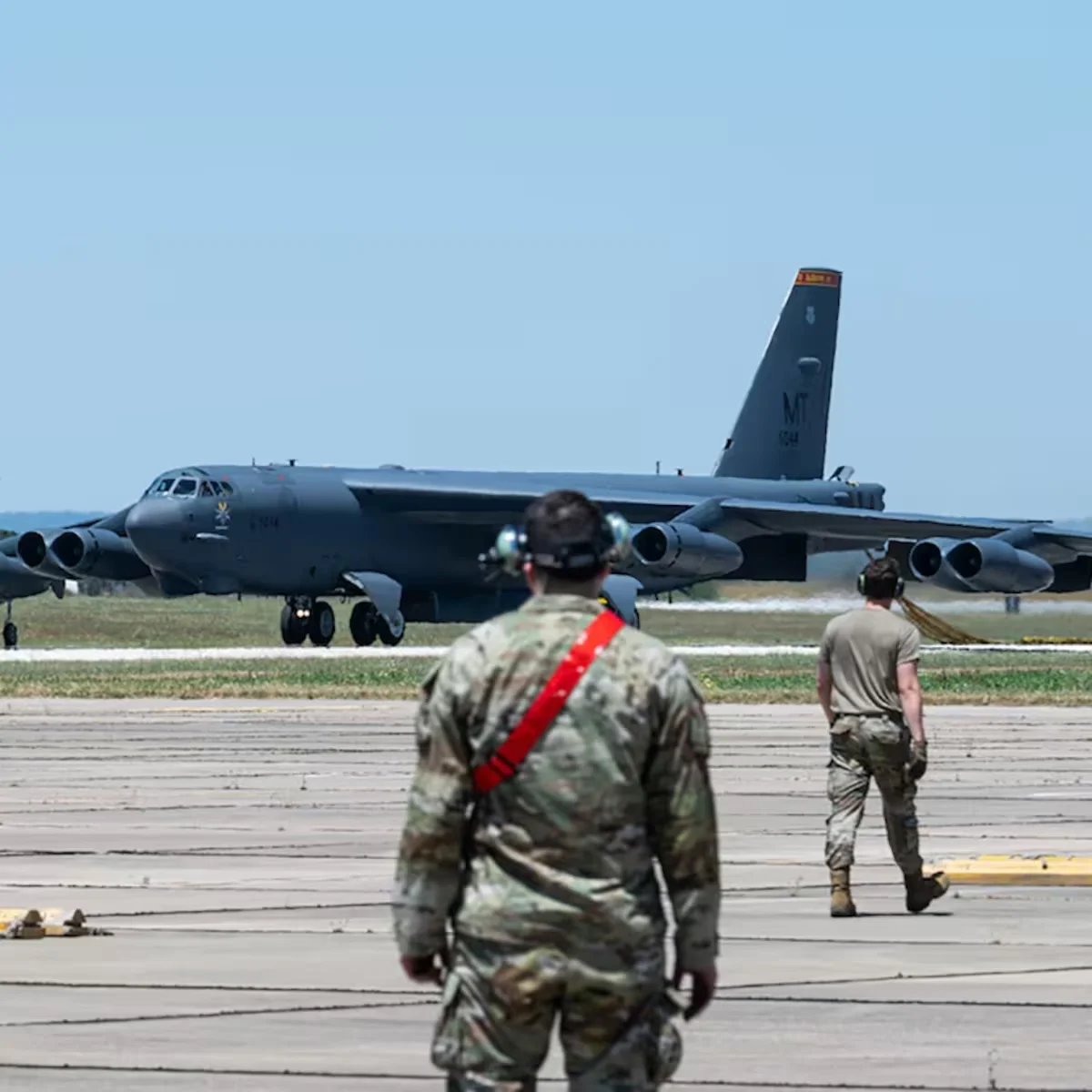
Spain has closed its airspace to flights involved in Operation Epic Fury against Iran and barred use of the Rota and Morón bases for war aircraft, with only emergency transit exceptions. Yet US forces continue to operate from Spain under bilateral security arrangements, while bomber and tanker missions have shifted to other European sites (e.g., Fairford in the UK and Istres in France) and allied naval and air defenses—like US destroyers from Rota and Patriot batteries at Incirlik—continue to play regional roles. Madrid says it will not join the war, balancing NATO/EU commitments with a stance against the conflict, a balance that could shape future tensions with Washington and other allies.
Iran warns it could strike Gulf power plants that supply electricity to U.S. bases as Israel launches a new wave of attacks, signaling a broader regional escalation and heightened tension.
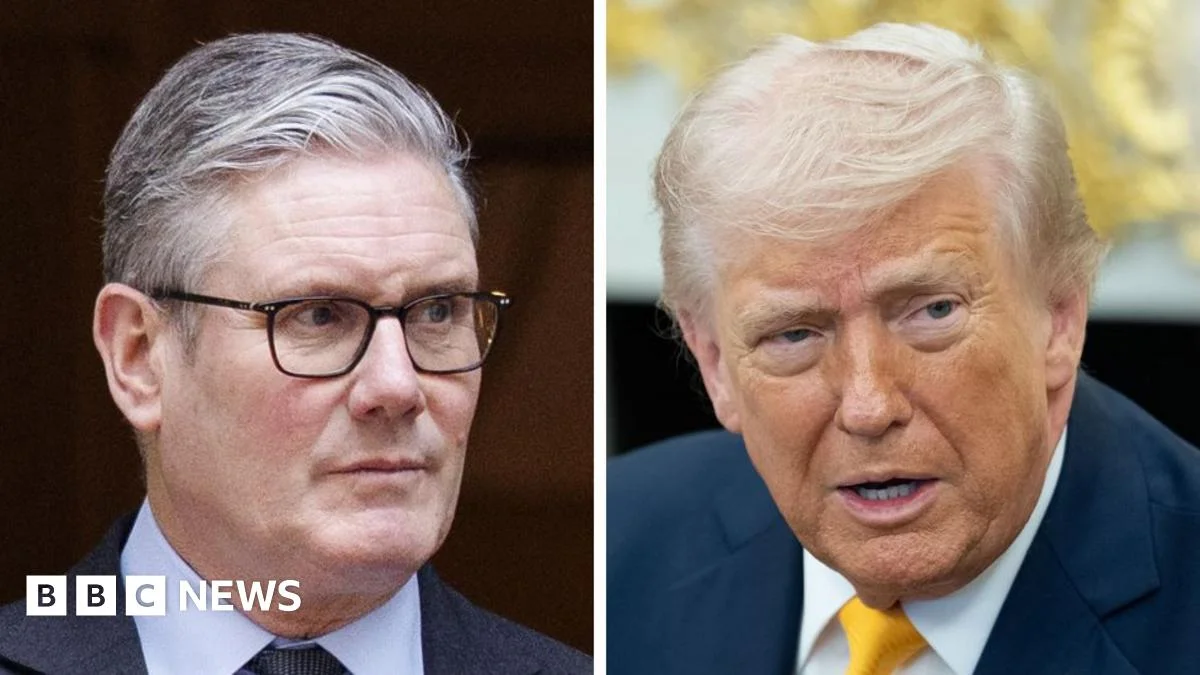
Britain says it will broaden the US’s use of its bases to conduct defensive strikes against Iranian targets tied to attacks on ships in the Strait of Hormuz, while insisting UK forces will not take part in offensive action. The move aims to deter Iranian attacks and de‑escalate tensions, with bases in Gloucestershire and the Indian Ocean potentially involved and the government stressing the same defensive principles. Reactions span from US President Trump calling it a partial victory to UK politicians calling it a dangerous U‑turn; NATO has relocated personnel from Iraq amid the wider war, and energy markets have reacted with higher oil and gas prices as the conflict persists.
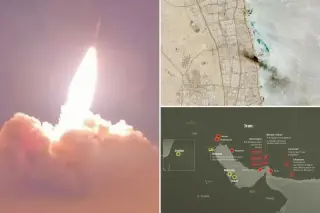
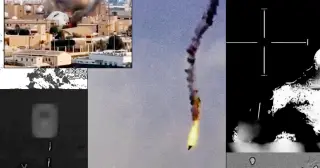
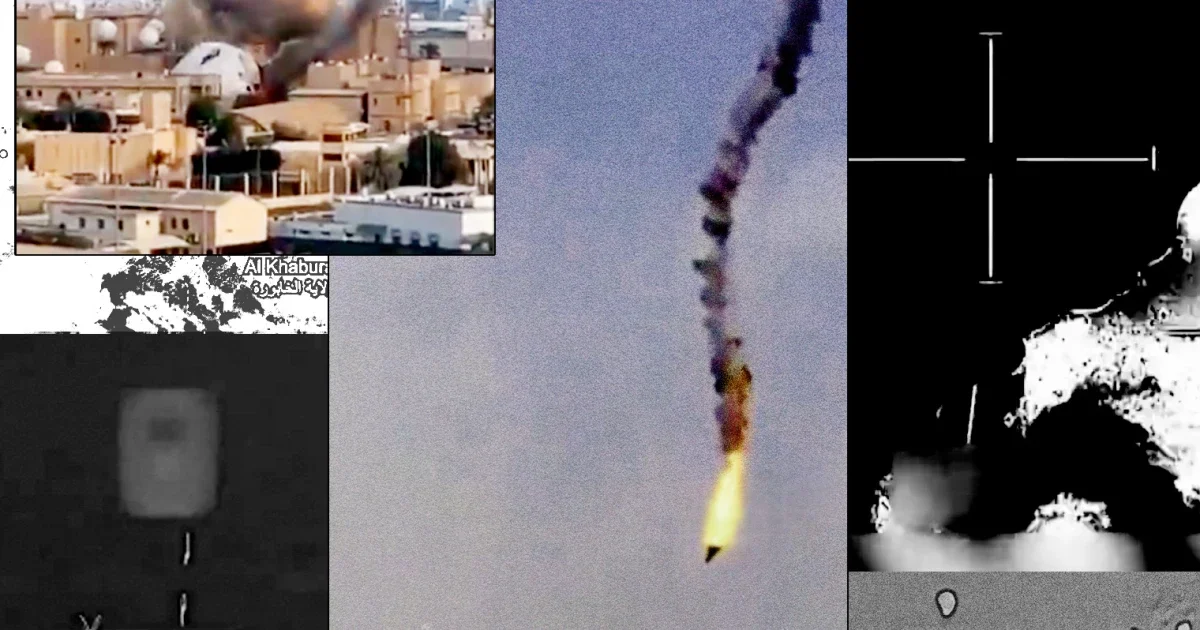
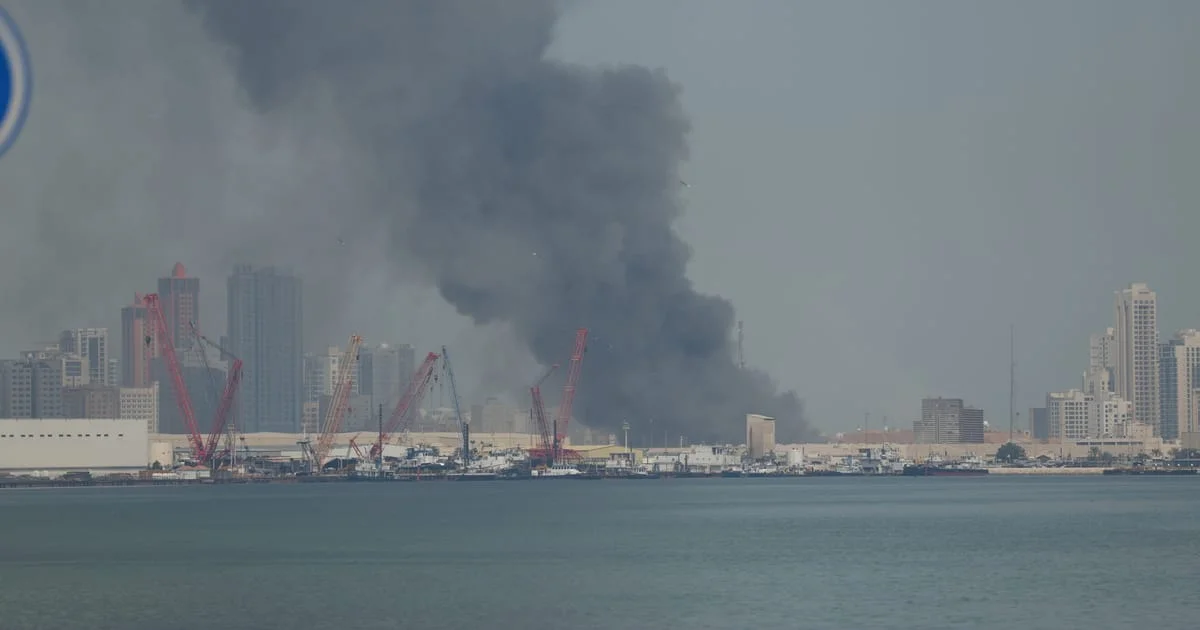
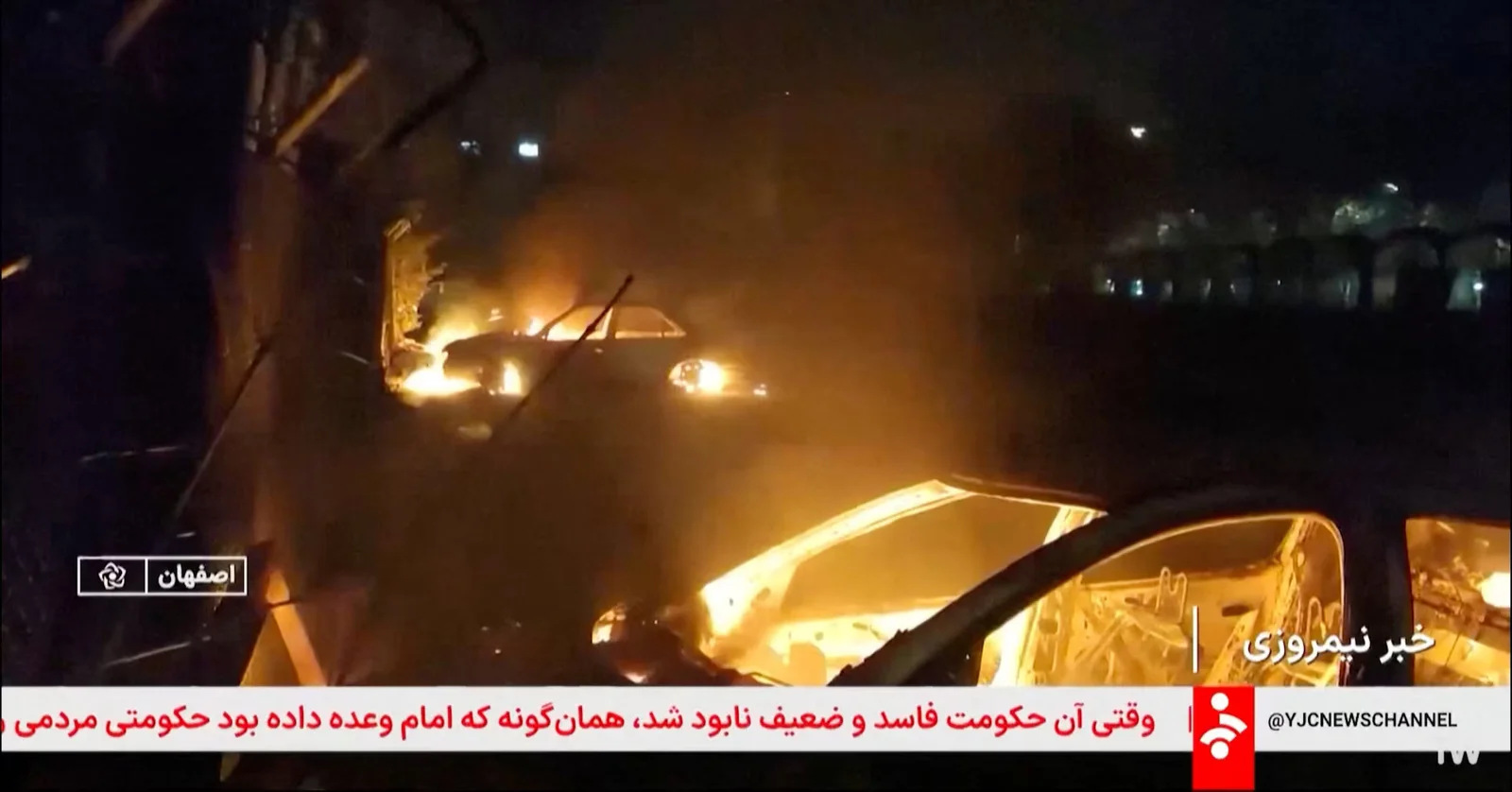
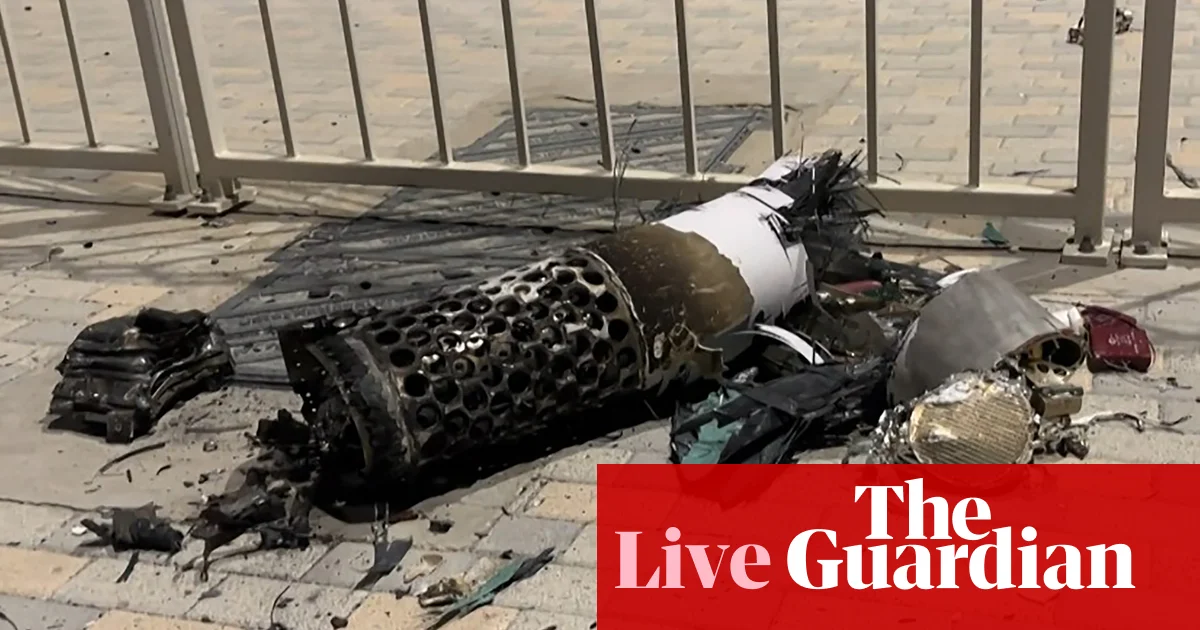
NBC News verifies 30+ open-source videos and satellite images showing Iran’s drone strikes and interceptions across seven countries, with drones reaching targets such as U.S. bases in the Gulf, oil facilities in Oman and Azerbaijan, and diplomatic sites, highlighting the persistent challenge these weapons pose to air defenses and their potential to sustain regional disruption.
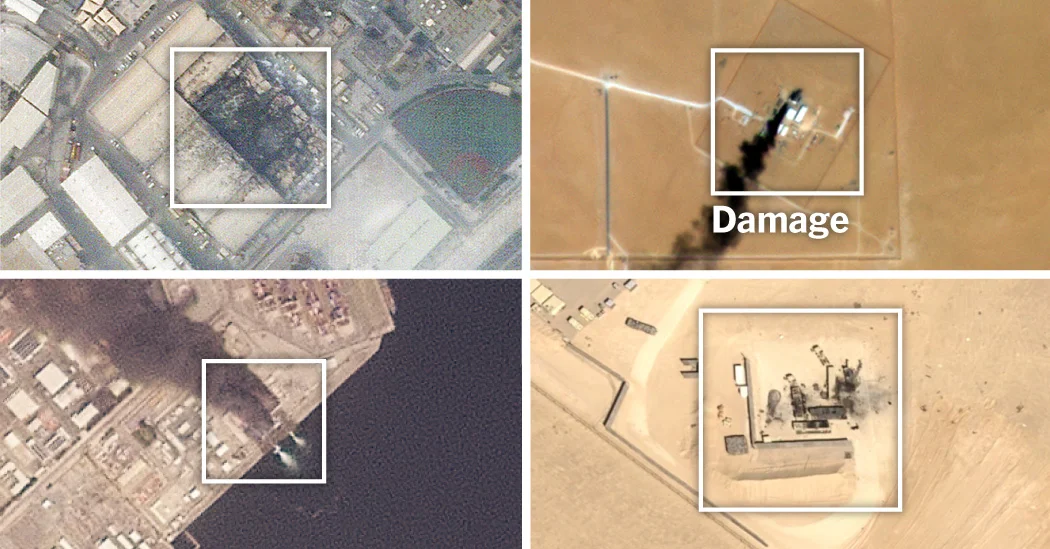
A New York Times analysis using satellite imagery and official data finds at least 17 U.S. sites damaged in Iran‑linked strikes across the Middle East, including 11 bases hosting U.S. forces, four air‑defense facilities (radars/THAAD components), and three U.S. diplomatic sites (Dubai, Kuwait City, Riyadh). The campaign began Feb. 28 with strikes on bases such as Prince Sultan, Ali Al Salem, Camp Buehring and Al Udeid; a March 1 drone attack at Shuaiba port Kuwait killed six service members, and another U.S. service member was killed at a base in Saudi Arabia, bringing total U.S. casualties to seven. NATO intercepted missiles toward Incirlik, and authorities say some sites were hit more than once. Experts note the damage to radar/air‑defense infrastructure is costly but may be mitigated by redundancy, while the full extent of damage remains unclear.
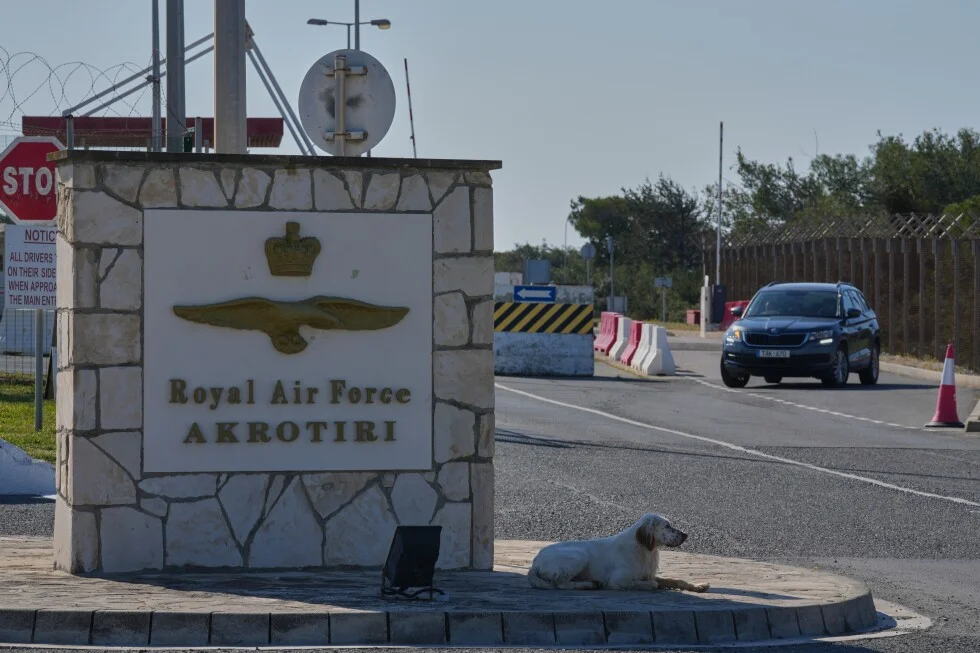
Britain says it is not at war after an Iranian-made drone struck the RAF Akrotiri base in Cyprus, triggering sirens, jet scrambles and precautionary evacuations. While London had agreed to let the U.S. use British bases for attacks on Iran, it says the U.K. will not join such strikes and emphasizes a lawful, measured approach amid escalating regional tensions and memories of the Iraq conflict.
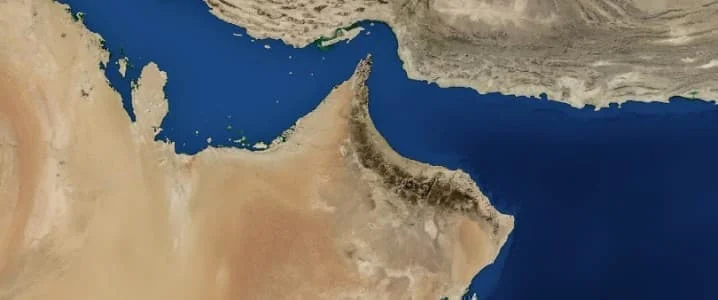
Iran’s Islamic Revolutionary Guard Corps says it launched missiles and drones against U.S. bases across the Gulf (including Bahrain, Qatar and the UAE) and also targeted Israel in retaliation for U.S.-Israeli strikes on Iran. U.S. and allied defenses intercepted several missiles; the UAE reported a casualty from debris. Kuwait said its forces repelled an attack, and regional players condemned the escalation as flights were disrupted.
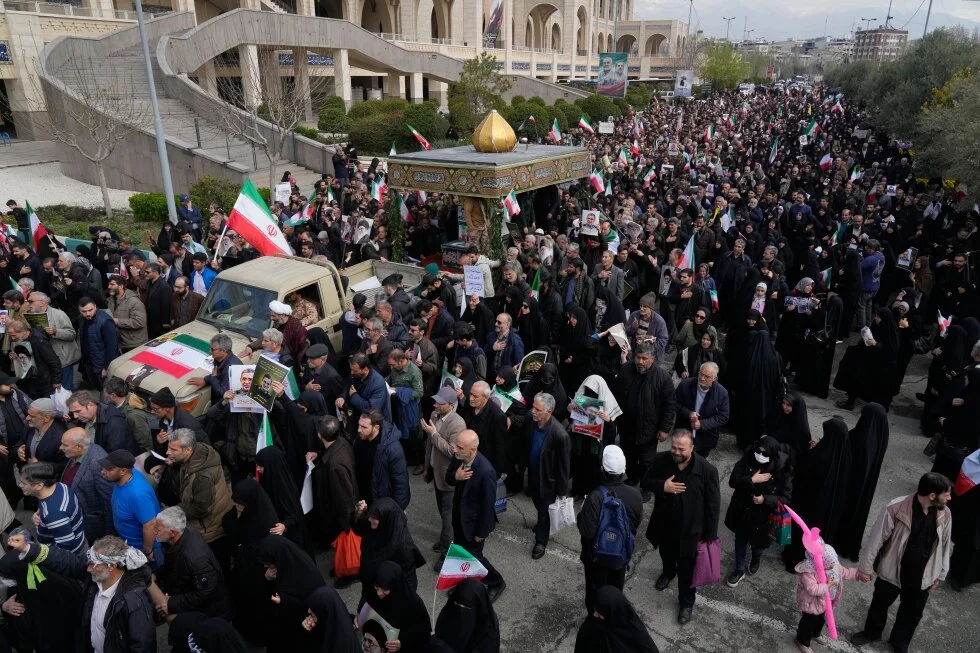
Iran warned regional states hosting U.S. troops that U.S. bases in the region could be struck if Washington strikes Iran, as Tehran seeks to deter possible intervention amid protests and a crackdown that rights groups say has killed thousands. Some personnel were reportedly told to leave Al Udeid Air Base in Qatar, while Trump and allies weigh intervention options and Western officials note Iran’s security apparatus remains in control.
Iran launched missile attacks on US military bases in Qatar and Iraq, prompting regional escalation and international responses, while Iran and other nations issue warnings and seek de-escalation amid heightened tensions in the Middle East.
Oil prices dropped sharply and US stocks rose after Iran launched missile attacks on US bases, with traders betting Iran's response would be limited, leading to relief in markets and a decline in oil prices below $70, despite geopolitical tensions.
Oil prices dropped over 7% following Iran's missile attacks on U.S. bases in Qatar, amid escalating Middle East tensions after U.S. and Israeli strikes on Iran's nuclear sites; despite threats to close the Strait of Hormuz, oil flow remains stable, and the market's response has been relatively muted compared to past conflicts.
Iran-backed Iraqi militia Kataib Hezbollah has threatened to attack US military bases and disrupt regional maritime routes if the US joins the Iran-Israel conflict, amid ongoing tensions and US diplomatic efforts to avoid military escalation. President Trump has indicated a two-week window for negotiations with Iran before deciding on military action, emphasizing diplomacy and Iran's nuclear restrictions.
Iran is reportedly preparing missiles and military equipment for potential strikes on U.S. bases in the Middle East if the U.S. joins Israel's conflict against Iran, heightening fears of a broader regional war involving proxy attacks and military escalations.
Islamist militia linked to Iran have launched a series of attacks on US bases in Syria and Iraq, raising concerns of a regional escalation. The attacks, claimed by groups controlled by Tehran or sharing the ideology of other groups fighting Israel, have resulted in injuries to US soldiers and the death of a civilian contractor. The US is deploying anti-missile batteries to protect its bases and allies, while Joe Biden has ordered two aircraft carriers to the eastern Mediterranean. Meanwhile, the war between Israel and Hamas continues, with rising death tolls and the threat of further escalation. Iranian-backed groups have also threatened attacks on US military bases in the UAE and Kuwait. The situation highlights Iran's extensive network of proxies and the potential for a wider regional crisis.