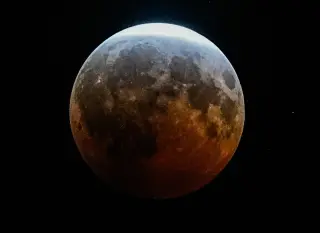
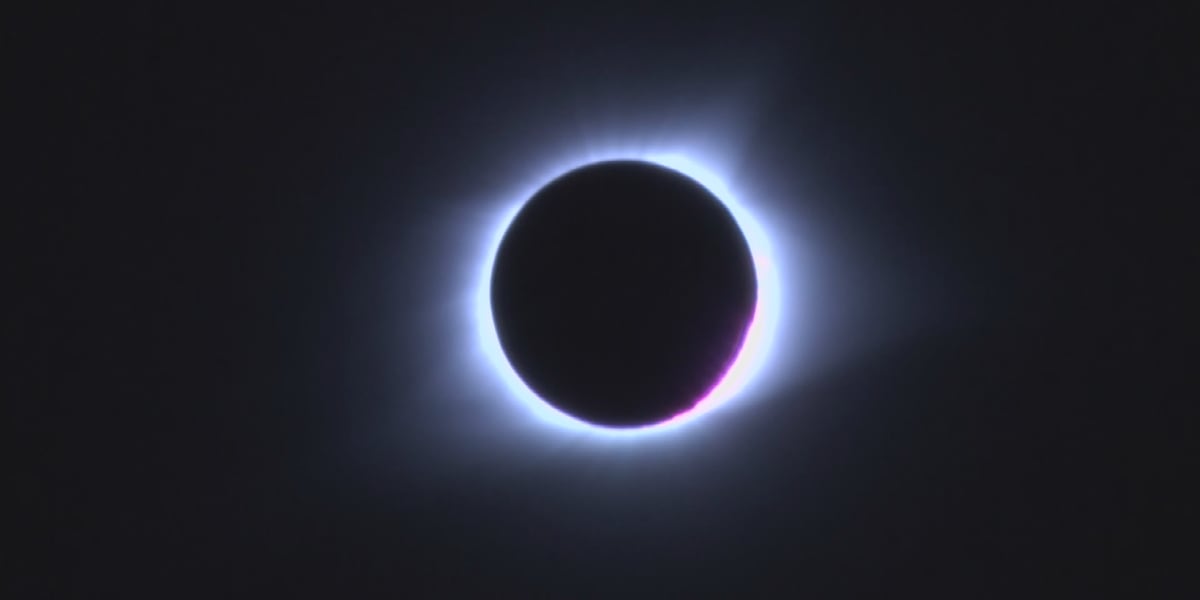
Skywatchers across the U.S., including Knoxville, Tennessee, saw the Moon slip into Earth’s shadow and glow red during a partial lunar eclipse; at its peak about 96% of the lunar disk was obscured, producing striking scenes for observers.
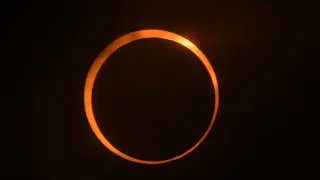
A partial solar eclipse will sweep across North America on Wednesday, with the Midwest seeing only a small bite of the Sun (Chicago area likely under 1% coverage; Detroit around 3%). The U.S. partial phase runs roughly 10:34 a.m.–1:52 p.m. CT, peaking near 11:52 a.m. CT. A broader list of viewing spots shows varying coverage (e.g., Montreal 18%, St. John’s 53%). The next coast-to-coast total solar eclipse isn’t until 2045, but Chicago should see about 60% of the Sun’s surface during the January 14, 2029 partial eclipse. For viewing, check clear skies and consult NASA/Time and Date data for precise timing.
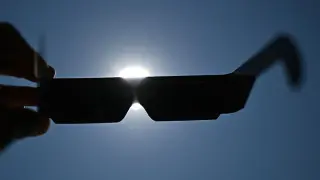
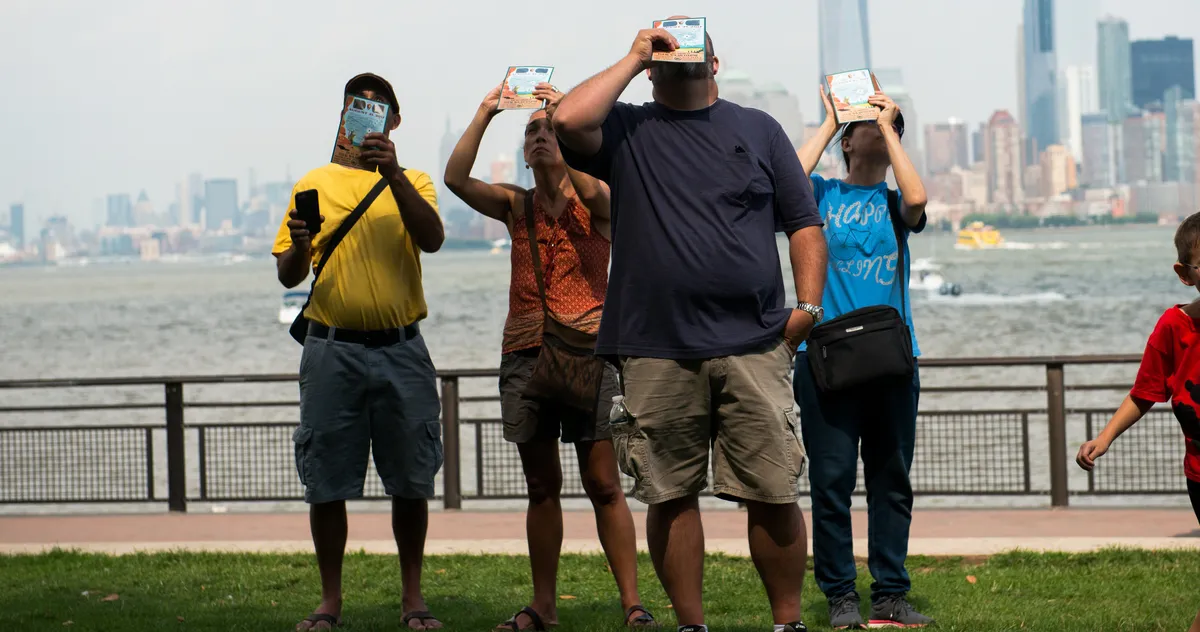
Millions in 27 states and Washington, D.C. can view a partial solar eclipse Wednesday, starting around 11:34 a.m. ET and peaking at 1:46 p.m. ET; unlike the 2024 event, it won’t darken the sky, though a noticeable dimming will occur in parts of the East Coast and Alaska. View safely with certified eclipse glasses or a solar viewer (or use a pinhole projector); the spectacle serves as a rare glimpse of a precise celestial alignment ahead of the Aug. 2, 2027 total solar eclipse.
Baltimore is hosting a Sail250 Blue Angels airshow as part of the Navy Flight Demonstration Squadron's five-city tour; the Baltimore shows run Saturday and Sunday from 12 p.m. to 4 p.m., and the article highlights the best places to watch (and where to park) for spectators.
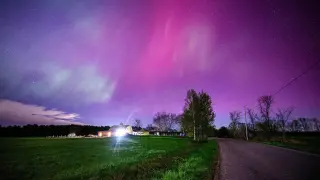
A geomagnetic storm could bring the aurora borealis into nine U.S. states on Monday, offering a rare viewing opportunity under dark, clear skies. For the best chance to see it, find a dark area away from city lights and check local aurora forecasts for the optimal viewing window, typically late evening into the early hours.
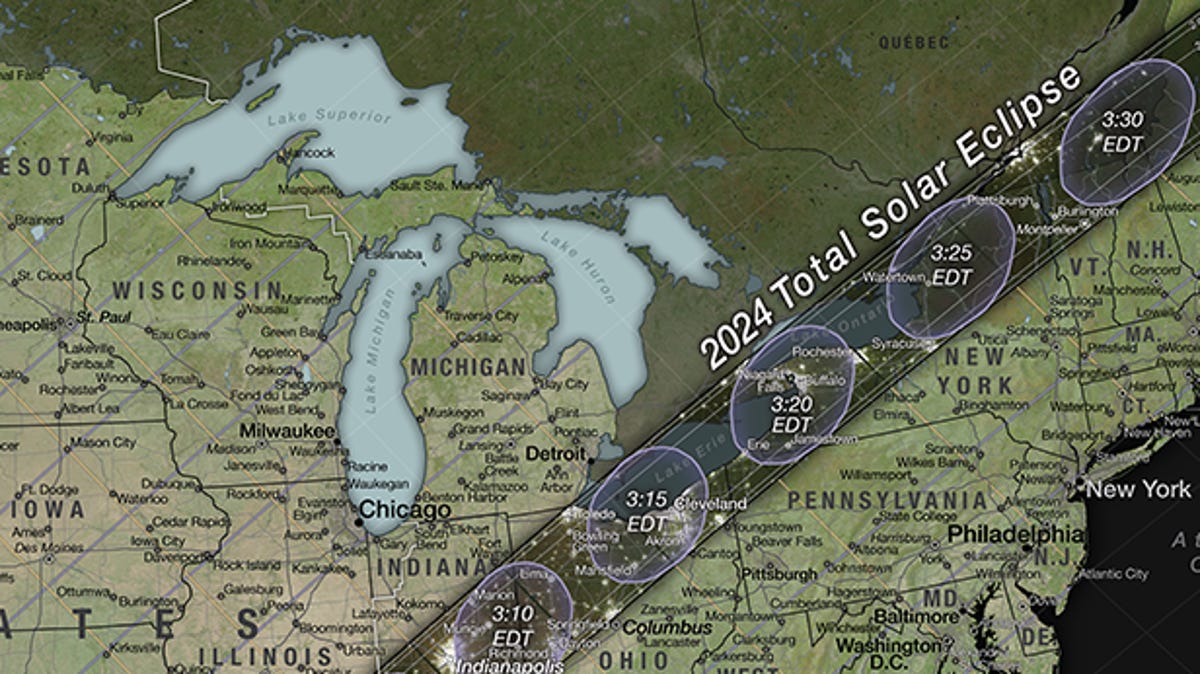
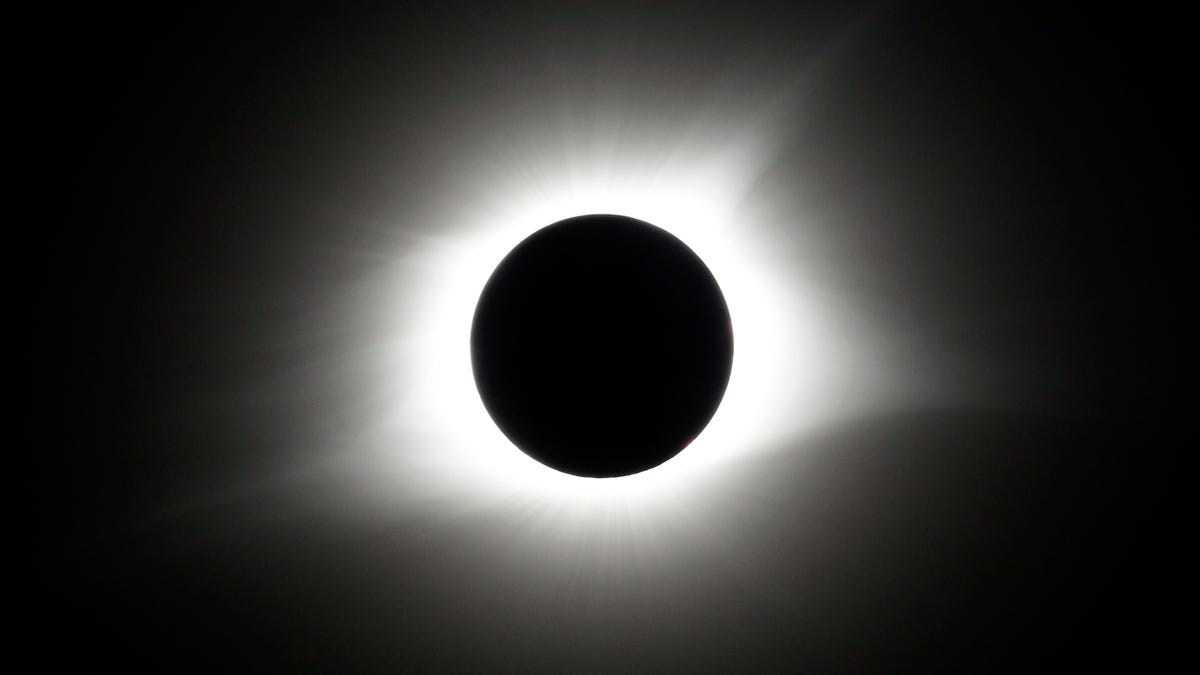
A rare total solar eclipse crossed a large swath of upstate New York, including Jamestown, Buffalo, Niagara Falls, Rochester, Syracuse, Watertown, Lake Placid, and Plattsburgh, while New York City experienced about 90% coverage. Emotional moments were shared as viewers marveled at the eclipse, with some becoming speechless and others moved to tears. Governor Kathy Hochul noted that over a million visitors flocked to the state to witness the spectacle, emphasizing the unifying experience it provided. Despite not being in the path of totality, New York City hosted numerous watch parties, with a focus on educating children about science and STEM.
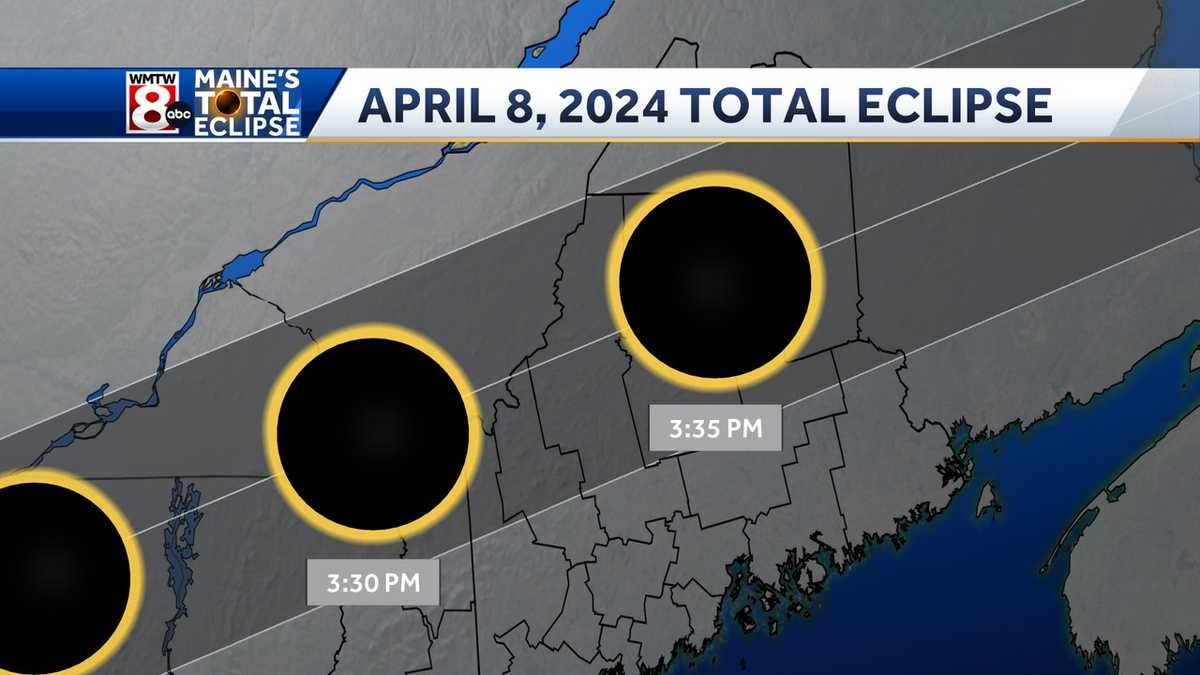
Maine is one of the best spots to view the solar eclipse, with the moon beginning to move over the sun around 2:20 p.m. The total solar eclipse will start at 3:28 p.m., with the full totality lasting around 3 minutes and 22 seconds. The 115-mile-wide path of totality will cross northern New England, including places like Rangeley, Jackman, Carrabassett Valley, and Baxter State Park. It's important to use ISO-certified eclipse glasses and solar filters to protect your eyes, as viewing the solar eclipse without protective eyewear could cause lasting damage.
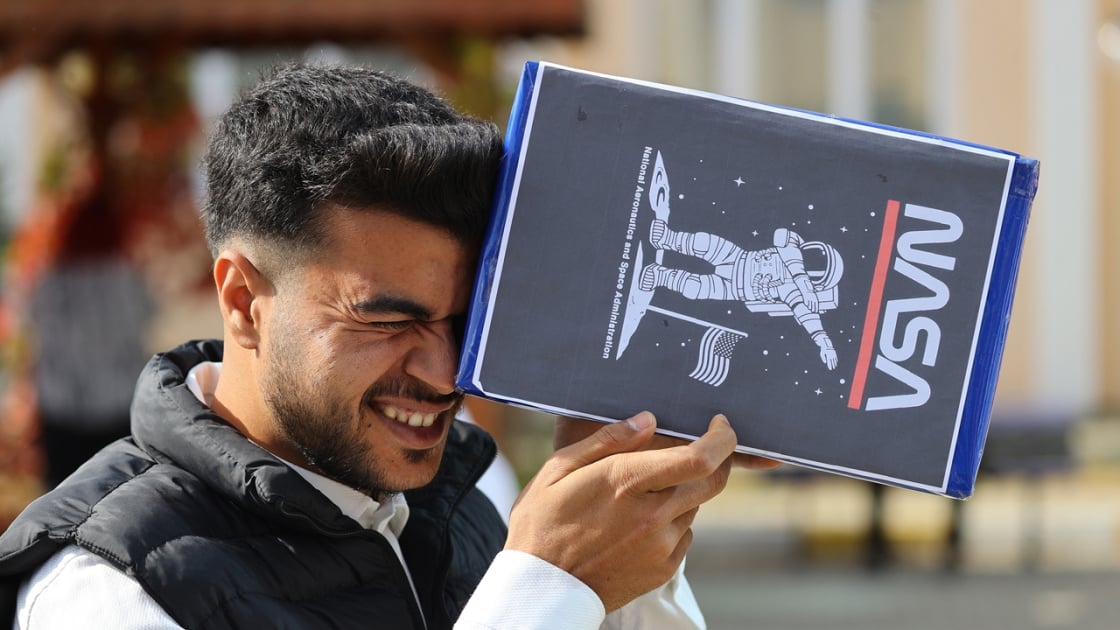
With the upcoming solar eclipse, it's crucial to avoid looking directly at the sun. Instead of eclipse glasses, you can create a pinhole camera using card stock or paper and a sharp object like a sewing needle or paper clip. By making a small hole in one piece and holding it above your shoulder to project the sun's image onto another piece on the ground, you can safely view the eclipse without risking eye damage. Adjusting the distance between the two pieces can change the size of the projected image. For those feeling more ambitious, NASA offers instructions for making a pinhole projector box.
New Yorkers can view the solar eclipse on April 8 between 2:45 and 3:30 p.m. at various locations, including Central Park and Riverside Park. Eclipse glasses are available at libraries, Warby Parker stores, and certified vendors. New York City is expecting 90% coverage, and the weather looks favorable for viewing. Traffic is expected to be heavy, especially in areas like Niagara and Rochester, so public transit is encouraged. New York City schools will remain open during the eclipse, and the Department of Education has provided safety tips for students. As for animal behavior during the eclipse, there are conflicting reports, but it's generally expected to be normal.
Hawaii will experience a partial solar eclipse on April 8, shortly after sunrise. To safely view the eclipse and avoid eye damage, proper eclipse glasses that meet ISO-12312-1 filters are necessary. These glasses can be purchased online with expedited shipping to ensure delivery before the event, but viewing is weather-dependent.
The 2024 solar eclipse will be visible in Nevada on April 8, with a partial eclipse in Reno starting at 10:20 a.m. and a peak at 11:19 a.m., while in Las Vegas, the eclipse will start at 10:15 a.m. and peak at 11:20 a.m. The University of Nevada's Fleischmann Planetarium will offer special screenings of "Totality" and provide telescopes for viewing, with eclipse glasses available for sale. The eclipse will end around 12:20 p.m. in Reno and 12:30 p.m. in Las Vegas.
On April 8, 2024, a partial solar eclipse will be visible in Middle Tennessee and South Kentucky, with 90-95% of the sun covered, peaking at 2:03 PM in Nashville. Eclipse glasses are necessary for eye safety, and NASA and ISO-approved glasses can be ordered from American Paper Optics, with 10% of proceeds going to St. Jude Children’s Hospital. Nearby states will experience a total eclipse, and more information can be found on GreatAmericanEclipse.com and JanetsPlanet.com.
Delta Air Lines' special flight designed for viewing the upcoming total solar eclipse on April 8 has sold out, offering prime eclipse-viewing opportunities with a flight timed to give passengers the best chance of safely viewing the eclipse at its peak. The flight will use an A220-300 plane with extra-large windows for premium viewing, and NASA advises using specialized eclipse glasses for safety. This will be the last total eclipse over North America until 2044, and the eclipse is expected to last more than twice as long as the 2017 eclipse.
On April 8, 2024, a total solar eclipse will be visible, with Southeast Michigan offering the best viewing spot in the state, experiencing about 98% sun coverage. The eclipse will begin at 1:58 p.m. and reach maximum totality around 3:14 p.m. in Detroit and southeast Michigan, lasting longer than the 2017 eclipse. Safety precautions for viewing the eclipse include using approved ISO 12312-2 safety standard glasses or making a pinhole camera or projector. While Michigan is not in the line of totality, the southeast corner, particularly in Monroe County, will experience a partial eclipse.
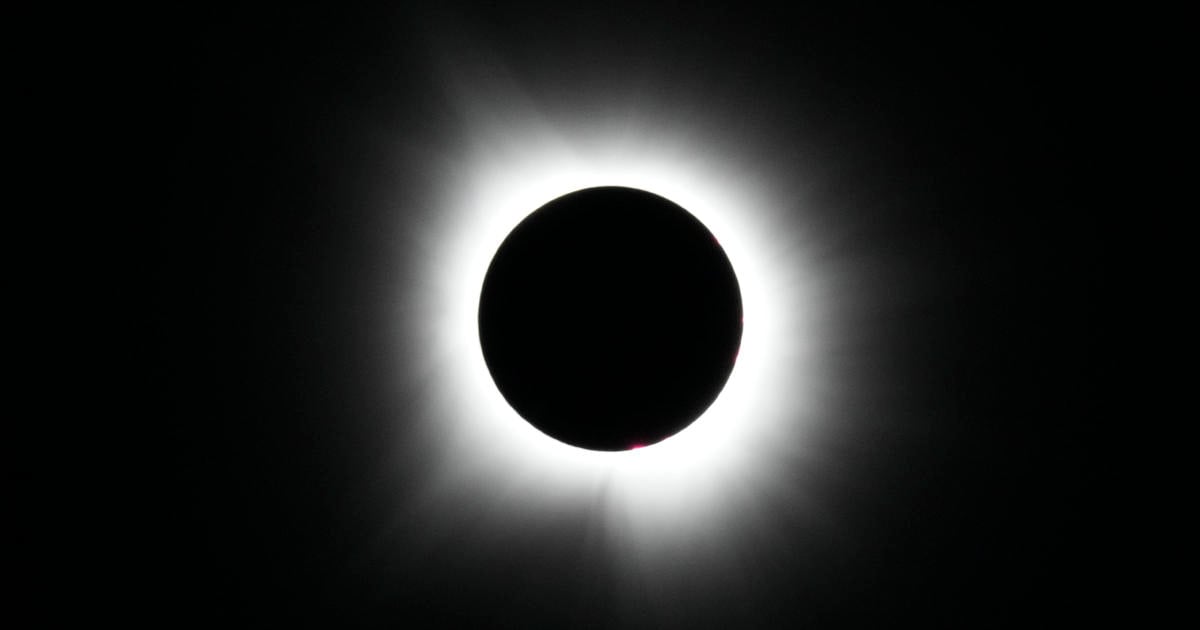
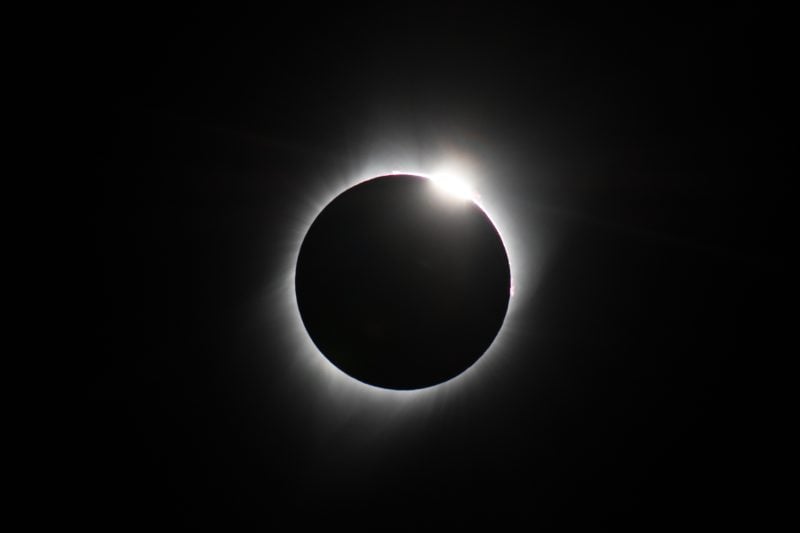
On April 8, a total solar eclipse will be visible across the U.S., Canada, and Mexico, lasting 4 minutes and 28 seconds. The eclipse occurs when the moon passes between the Earth and the sun, blocking the sun's light. Safety precautions include using specially designed glasses to view the eclipse, while those in the path of totality can view it without glasses for the duration of totality. Festivities and events are planned across the country to celebrate the rare astronomical event.