Tag

Water Plume

All articles tagged with #water plume

Tiny Enceladus Emits a Wide Ocean Plume, Hinting at a Habitable World Beneath Saturn’s Ice
space1 day ago

Tiny Enceladus Emits a Wide Ocean Plume, Hinting at a Habitable World Beneath Saturn’s Ice

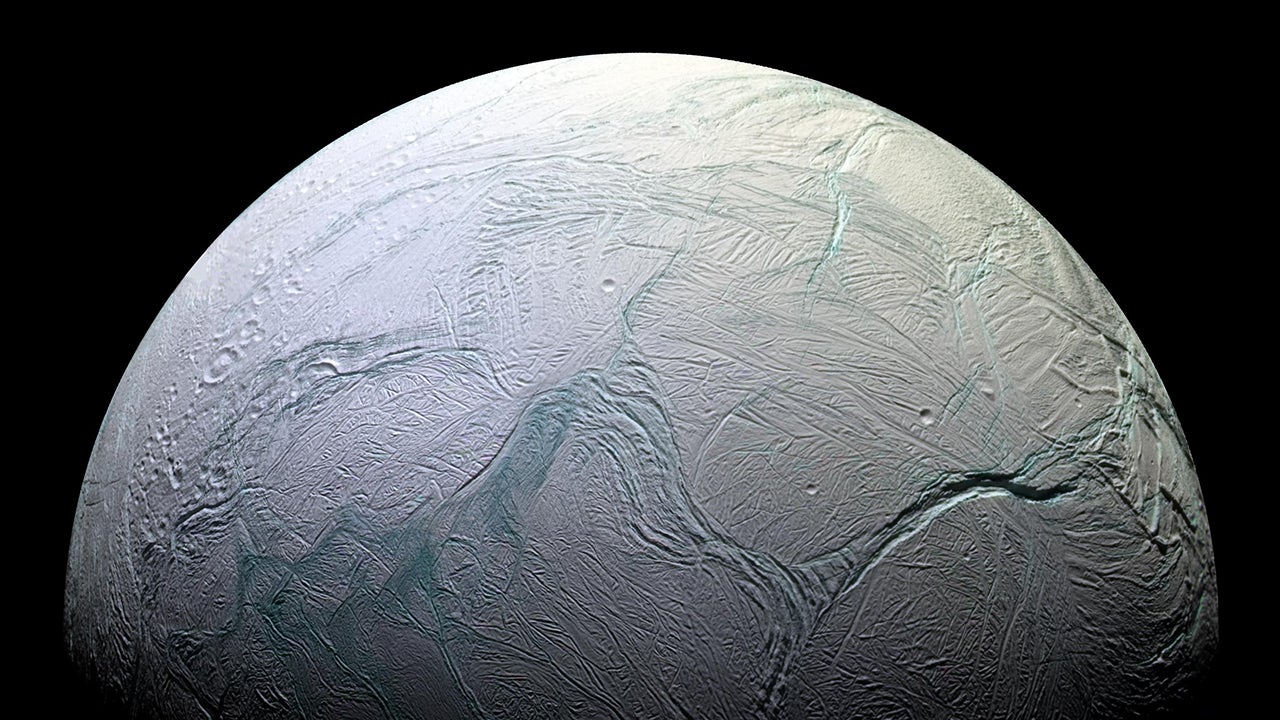
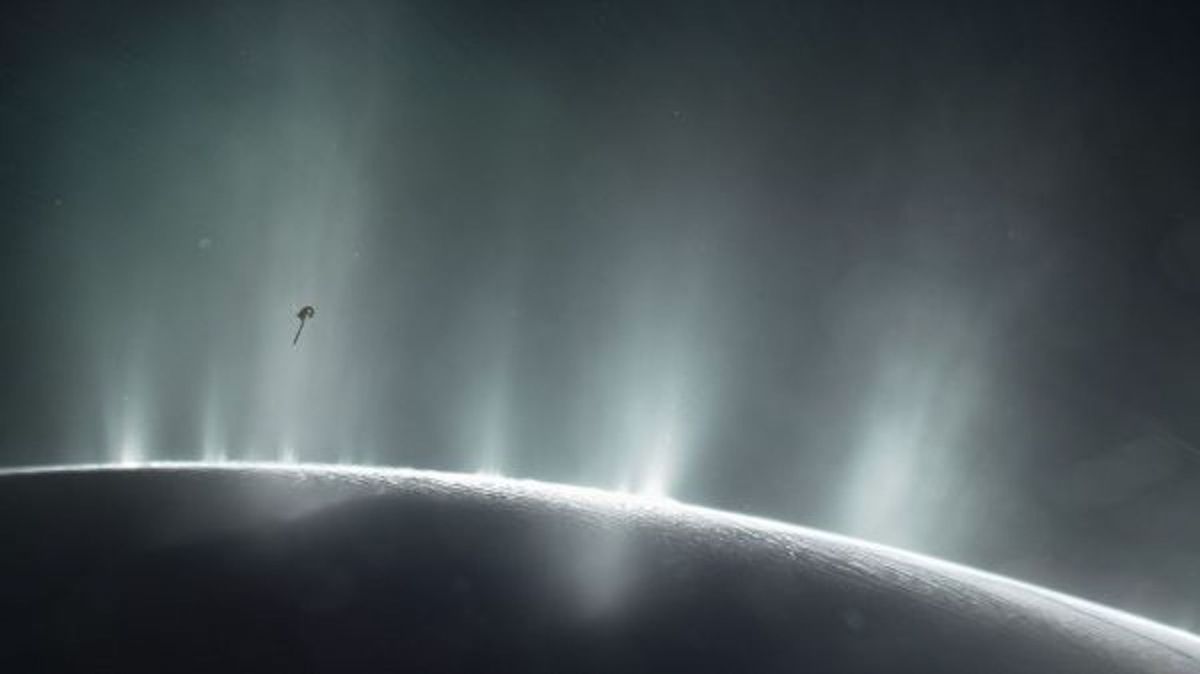
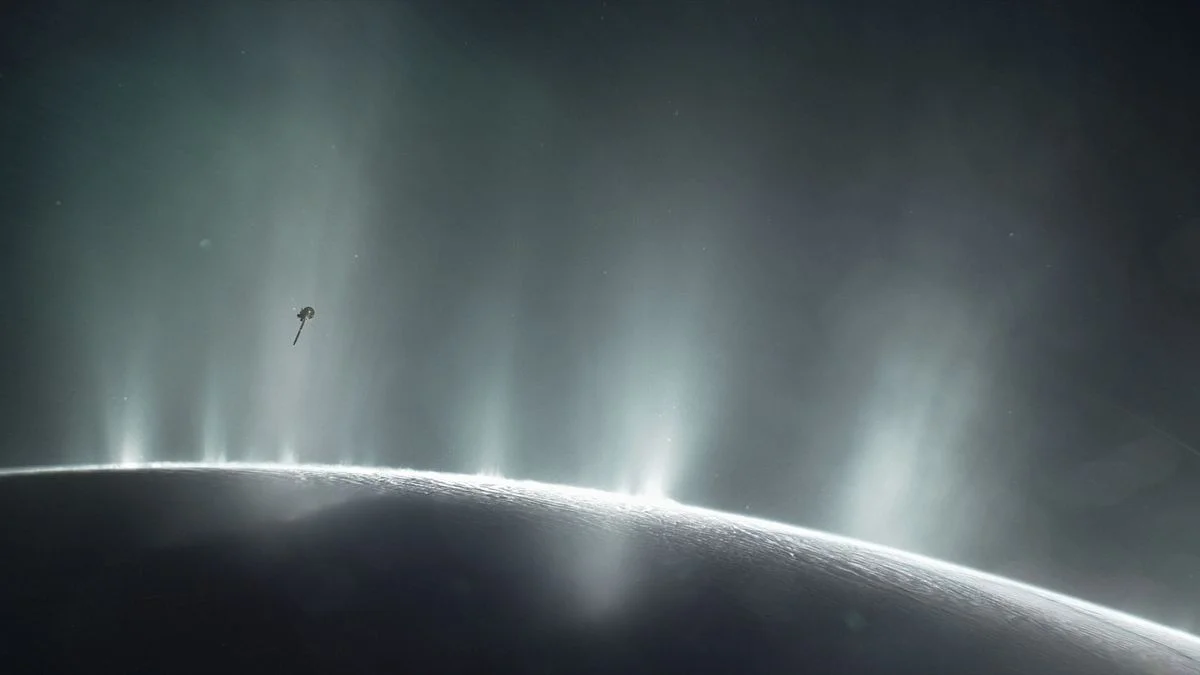
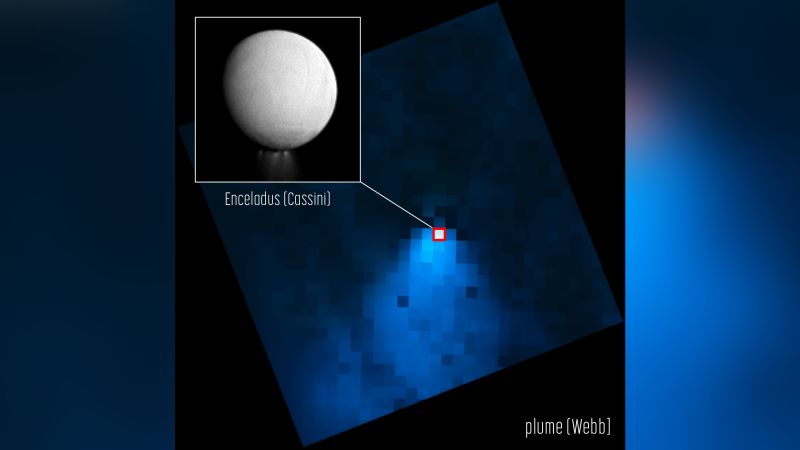
Despite being only about 500 km across, Enceladus vents a global plume of water, ice and salts from fractures near its south pole; JWST mapped water as far as about 10,000 km away, and Cassini detected salts, phosphates, hydrogen and a suite of organic compounds, pointing to a global salty ocean beneath the ice with hydrothermal activity and chemical energy—making Enceladus a potentially habitable ocean world, though no life has been detected and future missions could sample plume grains directly.
Saturn's Moon Unleashes Massive 6000-Mile Water Plume
space-science3 years ago

Saturn's Moon Unleashes Massive 6000-Mile Water Plume

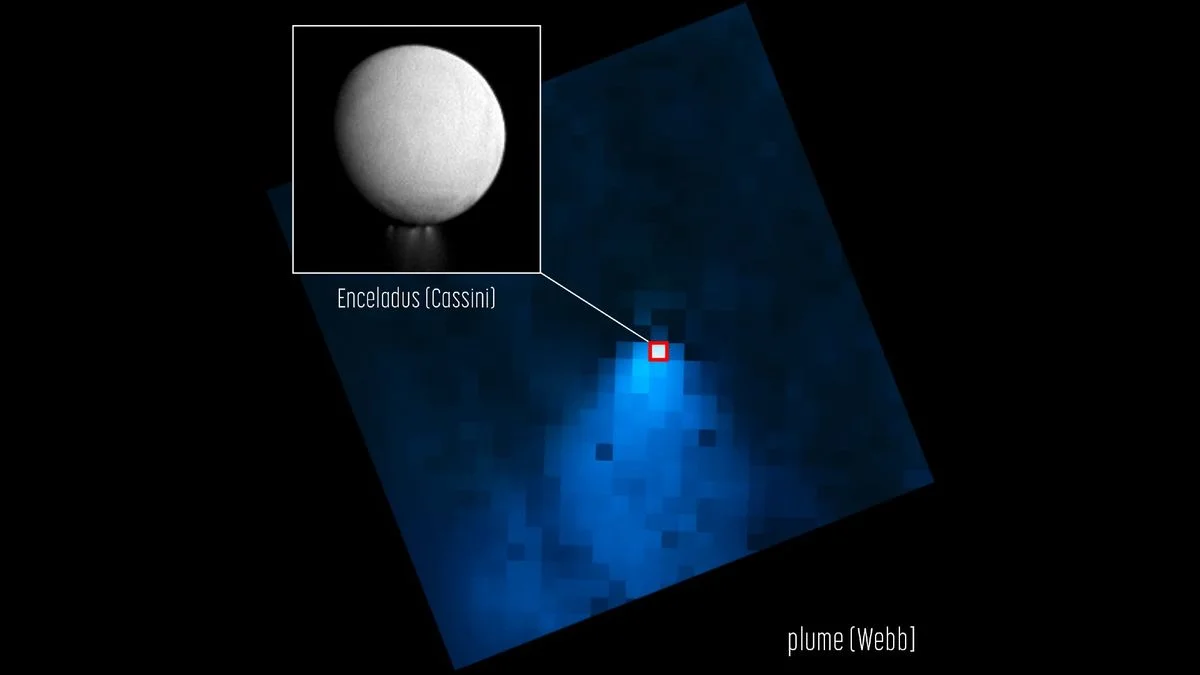
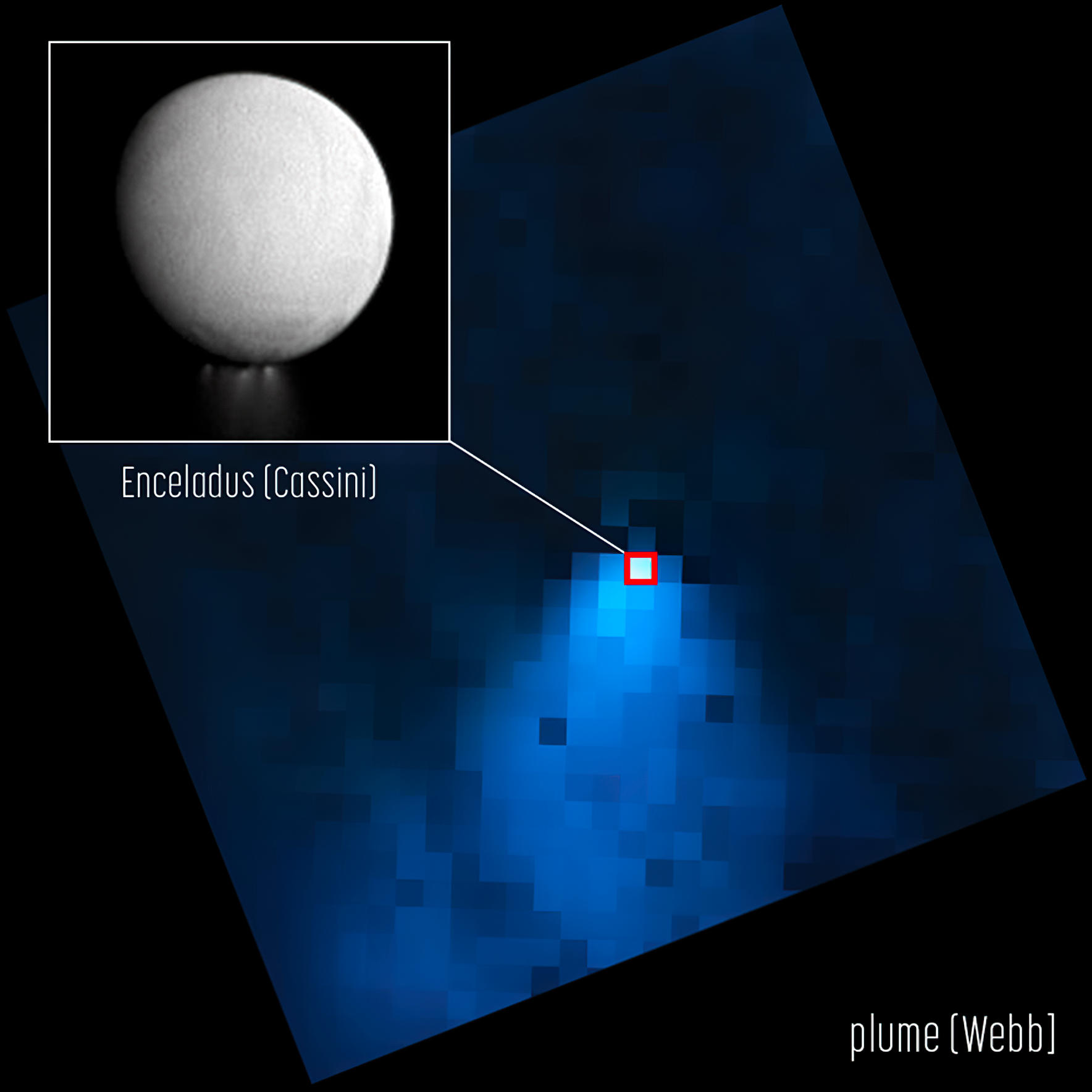
Scientists using the James Webb Space Telescope (JWST) have observed a massive plume of water vapor stretching over 6,000 miles from Saturn's moon Enceladus, providing new insights into the moon's potential habitability. The plume, which is more than 40 times the size of Enceladus itself, plays a crucial role in supplying water to Saturn and its rings. The observations also revealed that 30% of the water stays in the moon's wake, while the remaining 70% escapes to the rest of the Saturnian system. The findings have led to a new JWST Cycle 2 allocation to further study the plume and the icy surface of Enceladus, with the aim of understanding its habitability and potential for life.

Massive Water Plume Discovered on Saturn's Moon Enceladus by Webb Telescope
science3 years ago

Massive Water Plume Discovered on Saturn's Moon Enceladus by Webb Telescope

The James Webb Space Telescope has detected a record-breaking water plume erupting from Saturn's moon Enceladus. The plume spanned over 6,000 miles and released water vapor, organic chemicals, and ice particles into space. Enceladus is one of several ocean worlds in our solar system where scientists think they have the best chance of finding life beyond Earth. Webb's detailed detection of the plume revealed that the water vapor was releasing from Enceladus at about 79 gallons per second. The discovery could be helpful for future missions to explore Enceladus and discover the depth of its ocean.

Webb Telescope Observes Massive Water Plume Erupting from Saturn's Moon Enceladus
space3 years ago

Webb Telescope Observes Massive Water Plume Erupting from Saturn's Moon Enceladus

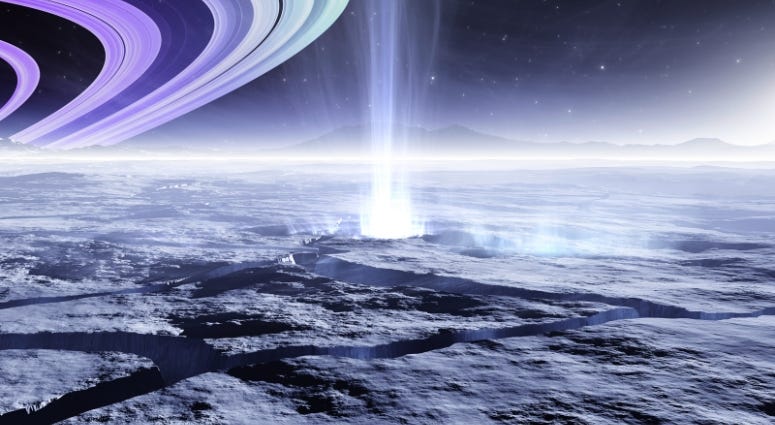
The James Webb Space Telescope has detected a 6,000 mile-long plume of frozen water erupting from the Saturnian moon Enceladus. The water plume is more than 20 times the size of the moon and is thought to be drawn through cracks known as "Tiger Stripes" in Enceladus’ icy shell from the global subsurface ocean that is theorised to exist beneath. The global ocean moons of Saturn and Jupiter are considered to be amongst the most promising places to find extraterrestrial life in our solar system. The JWST is scheduled to capture more data on the plume next year.

Enceladus' 6000-mile water plume raises possibility of alien life.
science-and-astronomy3 years ago

Enceladus' 6000-mile water plume raises possibility of alien life.

The James Webb Space Telescope has detected a 6,000 mile-long plume of water shooting into space from Saturn's moon Enceladus, creating a massive watery cloud in the ringed planet's orbit. Enceladus is one of the likeliest places in the solar system that might harbor extraterrestrial life. The measurements revealed that despite its minuscule size, Enceladus has a huge effect on the environment around the gas giant, which it orbits in less than two days. Scientists are now curious what else might be spreading throughout the solar system with this powerful spray.

James Webb Telescope detects massive water plume erupting from Saturn's moon Enceladus.
space3 years ago

James Webb Telescope detects massive water plume erupting from Saturn's moon Enceladus.

NASA's James Webb Space Telescope has detected a 6,000-mile plume of water vapor emitting from Saturn's moon, Enceladus. The moon has a hidden ocean of salt water between its outer crust and core, and volcanoes on the moon's surface spray plumes of ice and water vapor containing the building blocks of life into space out of cracks in the surface known as 'tiger stripes.' The size of the newly detected jet of water left astronomers awestruck, and researchers are also fascinated by the rate at which the water is ejecting from the planet: 79 gallons per second. Astronomers plan to continue observing Enceladus using the James Webb Space Telescope in the future with the prospect of learning more about the icy ocean world and exploring its potential for supporting life.

Saturn's Moon Erupts with Life-Containing Water Plumes Detected by James Webb Telescope
space3 years ago

Saturn's Moon Erupts with Life-Containing Water Plumes Detected by James Webb Telescope

NASA's James Webb Space Telescope has discovered a "huge plume" of water vapor on Saturn's icy moon Enceladus, which likely contains the chemical elements required for life. The plume was first observed in November 2022 and was presented at a meeting at the Space Telescope Science Institute in Baltimore on May 17. Enceladus has been observed ejecting water into space before, but the JWST's greater sensitivity and wider viewpoint have added to the fascination. NASA scientists are currently discussing future flights to Enceladus to seek evidence of life and acquire proof of extraterrestrial life.

Gargantuan Geyser on Saturn's Moon Discovered by James Webb Telescope, Blasting Life-Containing Water into Space
space3 years ago

Gargantuan Geyser on Saturn's Moon Discovered by James Webb Telescope, Blasting Life-Containing Water into Space

The James Webb Space Telescope has detected a massive plume of watery vapor on Saturn's icy moon Enceladus, which likely contains many of the chemical ingredients for life. The plume shoots much farther into space than previously realized, and scientists believe it comes from hydrothermal vents in the ocean floor beneath Enceladus' frozen crust. Future missions, such as the proposed Enceladus Orbilander and Exobiology Extant Life Surveyor, aim to seek out signs of life on the moon.

"James Webb telescope detects massive geyser on Saturn's moon"
space3 years ago

"James Webb telescope detects massive geyser on Saturn's moon"

The James Webb Space Telescope has detected a massive plume of watery vapor on Saturn's icy moon Enceladus, which likely contains many of the chemical ingredients for life. The plume shoots much farther into space than previously realized, and scientists believe it comes from hydrothermal vents in the ocean floor beneath Enceladus' frozen crust. Future missions, such as the proposed Enceladus Orbilander and Exobiology Extant Life Surveyor, aim to seek out signs of life on the moon.

science3 years ago

"James Webb telescope detects massive geyser on Saturn's moon"

The James Webb Space Telescope has detected a massive plume of watery vapor on Saturn's icy moon Enceladus, which likely contains many of the chemical ingredients for life. The plume shoots much farther into space than previously realized, and scientists believe it comes from hydrothermal vents in the ocean floor beneath Enceladus' frozen crust. NASA is discussing future return missions to seek out signs of life on Enceladus, including an orbiter that would collect samples and a snake robot to explore the ocean floor.