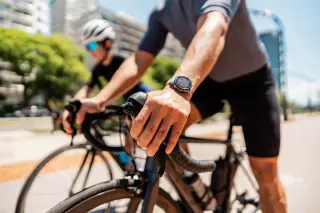
New Study Reveals Smartwatches Overestimate Calorie Burn by Up to 25%
A new study finds that popular smartwatches consistently overestimate calories burned during exercise by 15-25%, with accuracy varying by brand and user body composition.

All articles tagged with #calorie burn
A new study finds that popular smartwatches consistently overestimate calories burned during exercise by 15-25%, with accuracy varying by brand and user body composition.
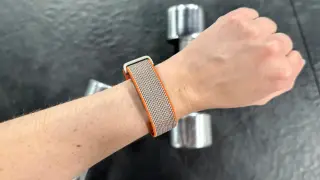
A ZDNET test compared the Fitbit Air to a Polar H10 chest strap during a gym workout. Heart-rate data were fairly close with minor lag, but calories burned were consistently underestimated—about 12% during treadmill work and up to ~30% during strength training. The results reflect how wrist wearables can miss rapid heart-rate changes and rely on formulas that combine HR with other factors, so use HR data for training and calorie estimates as rough figures. The author cautions that two tests aren’t enough to draw sweeping conclusions about overall accuracy.
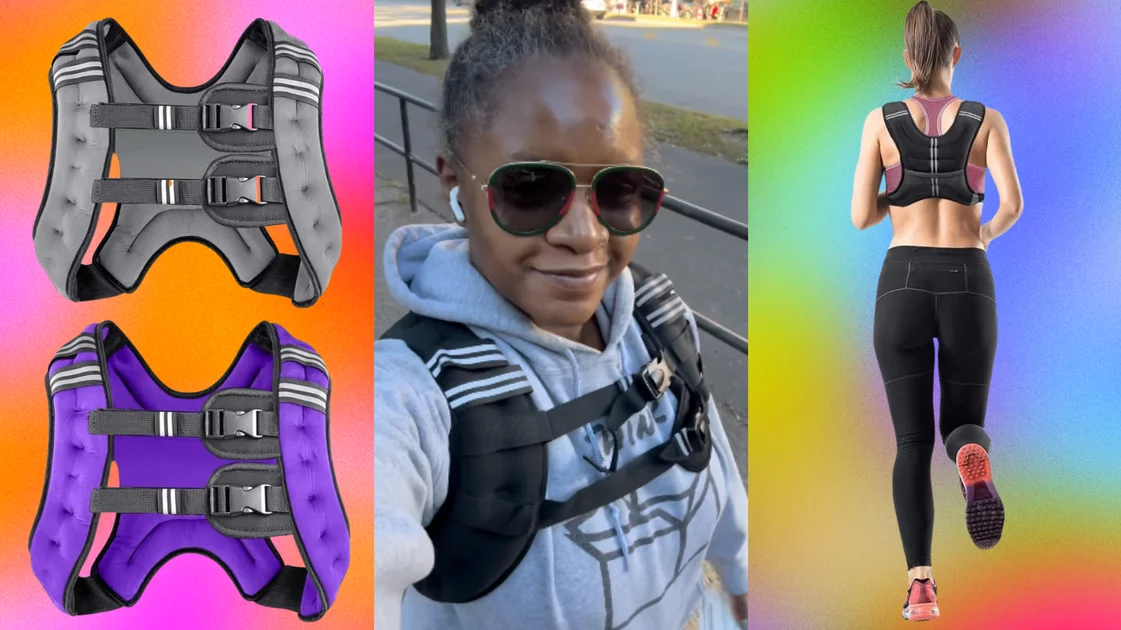
A HuffPost Shopping writer tests an eight-pound weighted vest during daily walks and gym sessions for four weeks, reporting improved posture, a stronger core, modest weight loss, and increased calorie burn, while noting usage tips (avoid HIIT with a vest) and comfort from user reviews.

A large study suggests exercise has minimal impact on calorie burn and weight loss, with diet—particularly ultra-processed foods—being the main factor in obesity; however, exercise remains crucial for overall health and body composition.

Exposing your body to cold weather can increase calorie burn through shivering and non-shivering thermogenesis, especially below 60-66°F, but factors like wind chill, clothing, and body composition influence the effect. While outdoor cold workouts offer a slight metabolic boost, proper clothing and gradual acclimation are essential for safety and effectiveness.
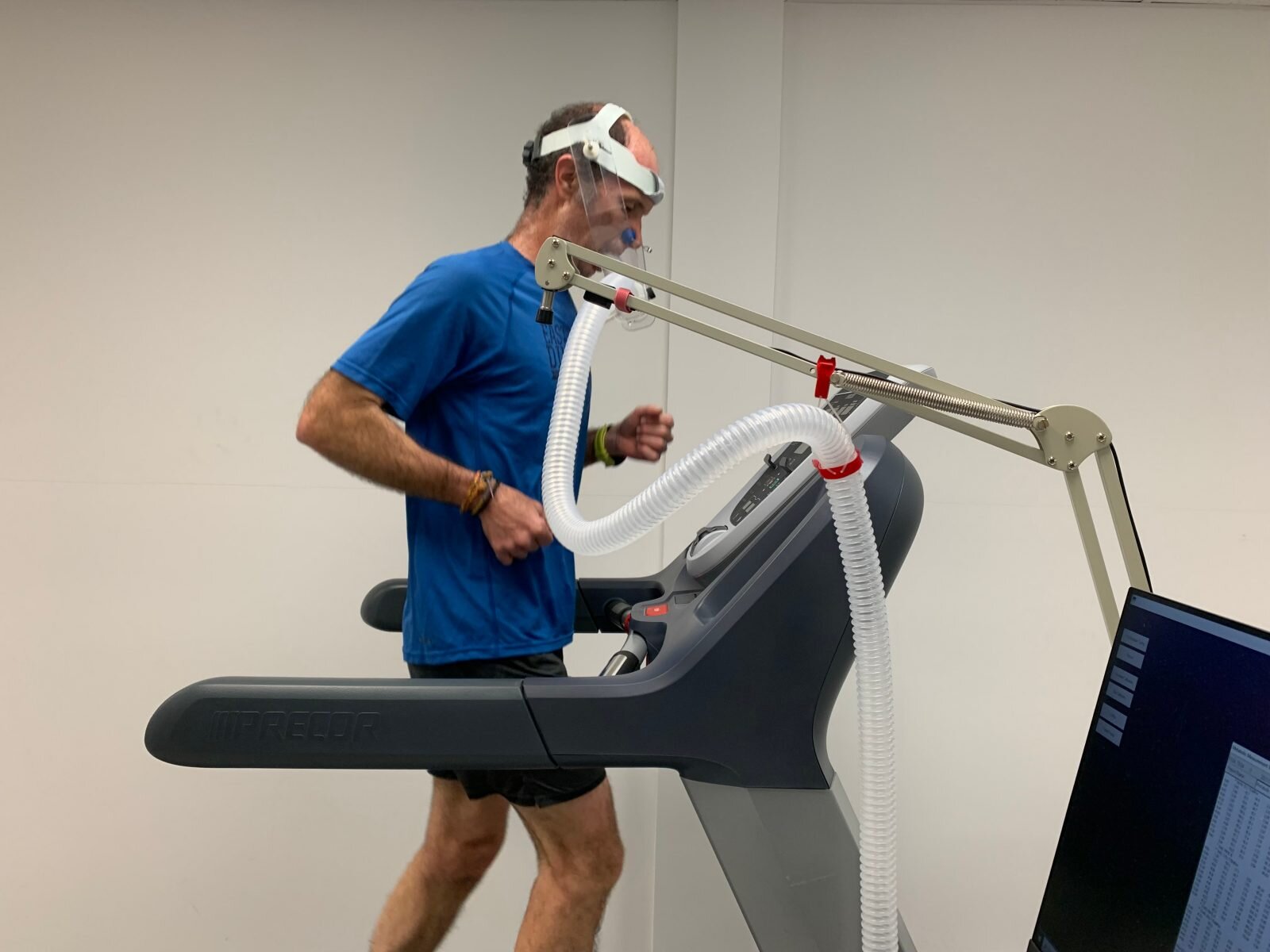
A study published in PNAS found that increased physical activity leads to higher daily calorie burn without the body compensating by reducing energy use elsewhere, supporting an additive model of energy expenditure.
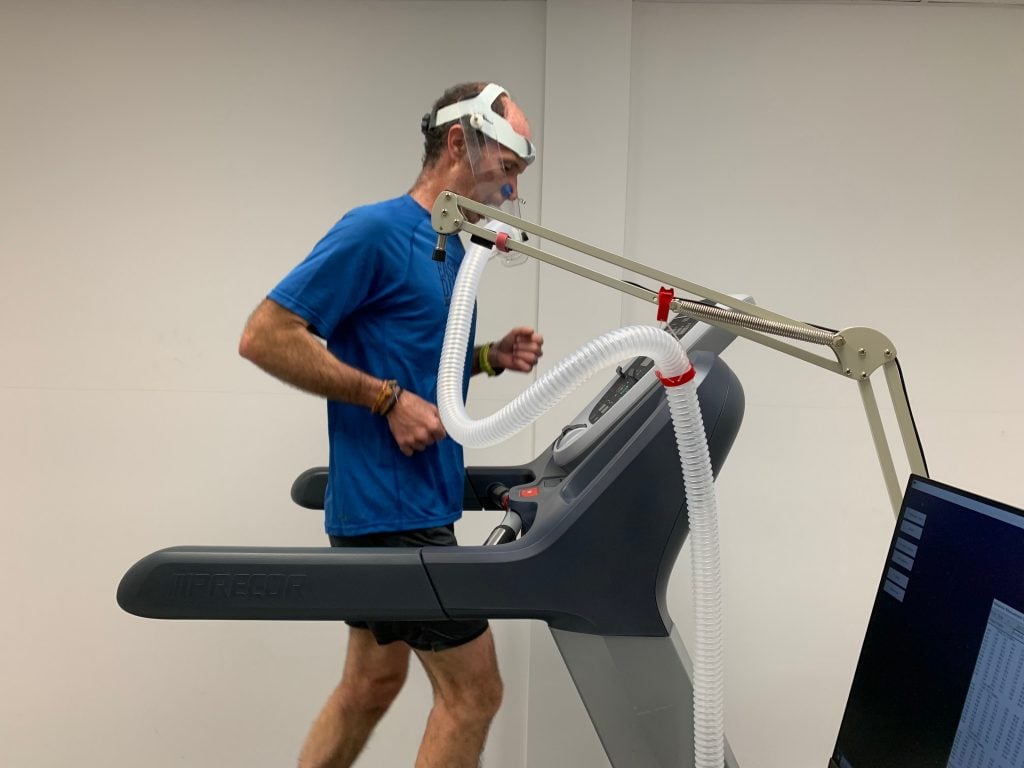
A study published in PNAS shows that increased physical activity leads to higher daily calorie burn without the body compensating by reducing energy use elsewhere, supporting the idea that exercise adds to overall energy expenditure rather than redistributing it. The research involved measuring energy use in participants with varying activity levels and found that more active individuals burn more calories overall, with less time spent inactive, although further research is needed to understand potential energy compensation under different conditions.

Adding a weighted vest to walking routines can enhance calorie burning, build muscle, improve bone density, and boost cardiovascular health, making it a practical and affordable way to upgrade fitness routines, provided it is used gradually and with proper fit to avoid injury.

Walking backwards, or retro walking, is gaining popularity as an effective fitness strategy that challenges muscles, improves balance, boosts brain function, and increases calorie burn, making it a valuable addition to workout routines especially for rehabilitation, cognitive health, and athletic training.
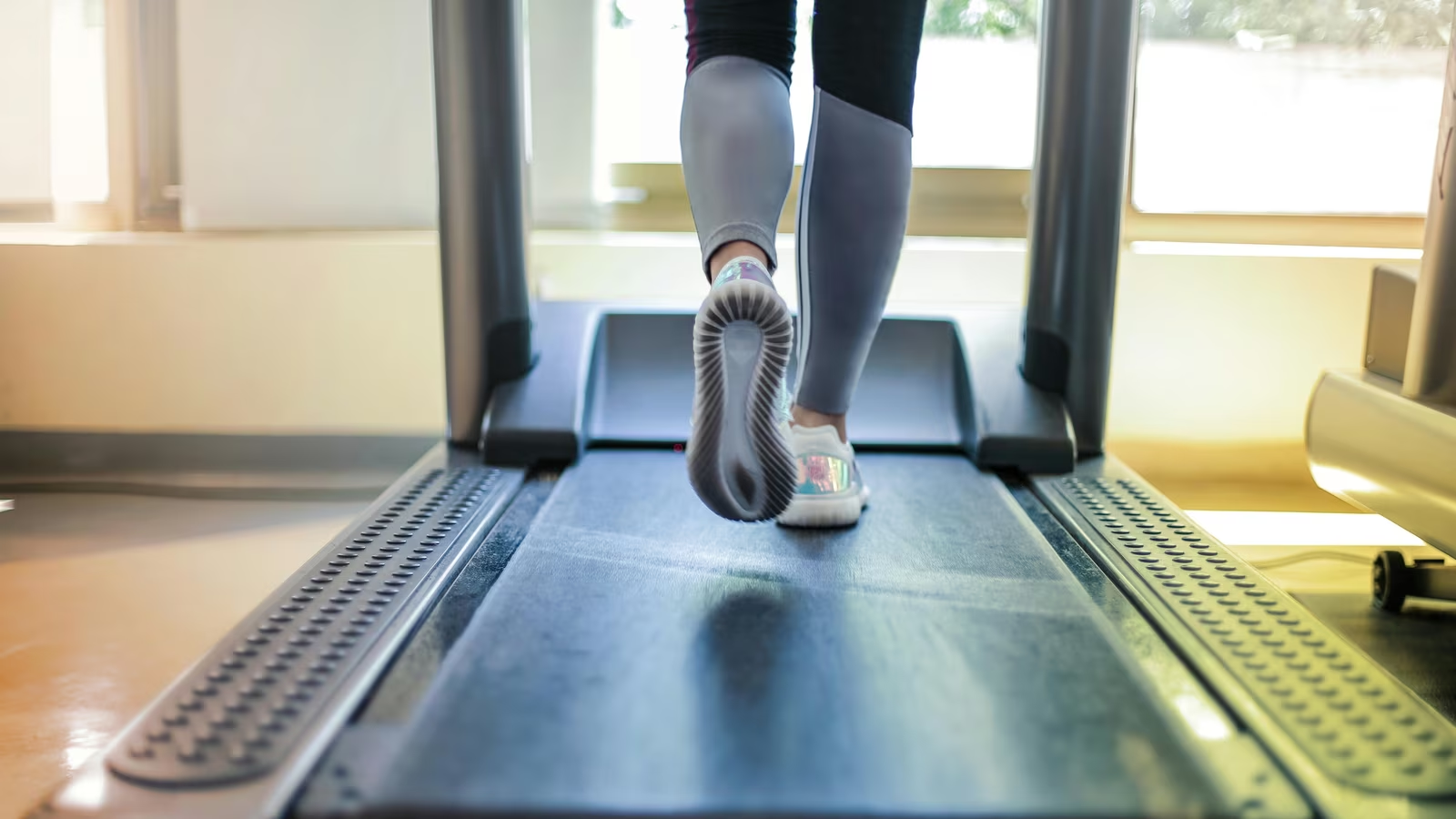
A fitness coach highlights walking as an underrated fat loss tool and shares seven effective strategies, including interval walking, incline walking, post-meal walks, fasted walks, using under-desk treadmills, pyramid intervals, and rucking, to enhance calorie burn and overall health.

A personal trainer recommends a 30-minute walking workout that includes warm-up, brisk walking, intervals, heel-to-toe walking, and cool-down to boost calorie burn and improve joint mobility, adaptable for all fitness levels.

A study comparing calorie expenditure across 34 countries finds similar daily calorie burn regardless of activity level, suggesting that diet, especially the consumption of ultra-processed foods, is the primary factor driving obesity, not lack of exercise.

A NASA-backed study suggests that 10 minutes of rebounding on a mini trampoline is nearly 70% more effective for weight loss than a 30-minute jog, offering benefits like increased calorie burn, improved heart health, and reduced joint strain, making it a promising exercise for weight management and overall health.

Incline walking is gaining popularity as a low-impact workout alternative to flat jogging, offering benefits such as higher calorie burn, increased muscle activation, and reduced joint stress. Experts like Tonyael Miller and Dr. Neel Anand highlight that walking on an incline can elevate heart rates more effectively and engage muscles like glutes, hamstrings, and calves more intensely than jogging on flat surfaces. Incline walking is particularly beneficial for those with joint or back issues, providing a safer cardiovascular exercise option.
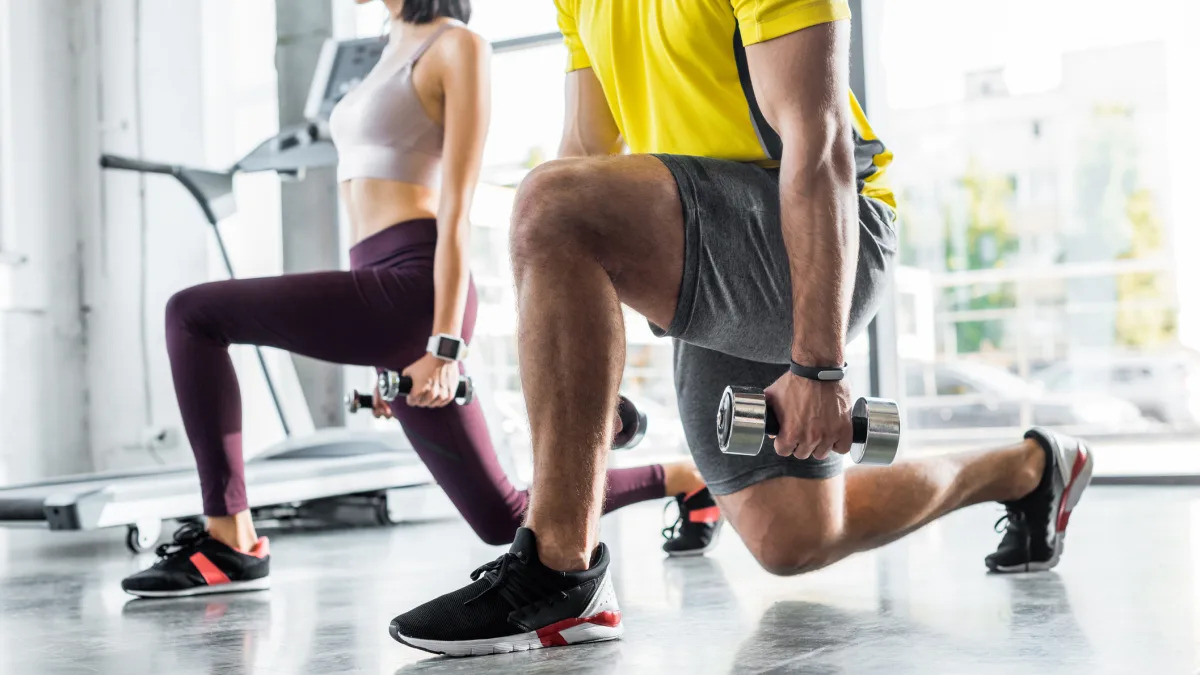
According to Jo Burland, a NASM-certified personal trainer, the best three exercises for weight loss and muscle building are goblet squats, bent over rows, and jumping lunges. These exercises target multiple muscle groups, elevate heart rate, and burn calories. It is recommended to use dumbbells for added challenge. Consistency, proper nutrition, and a mix of cardio and strength training are also important for effective weight loss.