Tag

Wellness Industry

All articles tagged with #wellness industry

The $25 Billion Menopause Market: How Wellness Brands Exploit Midlife Vulnerability
health-and-society6 hours ago

The $25 Billion Menopause Market: How Wellness Brands Exploit Midlife Vulnerability

The global menopause market is projected to reach $25 billion by 2030, driven by a surge in consumer products and supplements. While this growth reflects reduced stigma, experts warn of 'menowashing,' where brands exploit women’s vulnerability with unregulated products. CDC data shows 66% of midlife women take supplements, yet many do not inform their doctors. Medical professionals emphasize that lifestyle changes and evidence-based treatments remain superior to most commercial supplements, which often lack rigorous testing or contain proprietary blends.


Experts warn that expensive longevity gadgets and IV drips lack evidence and may cause harm
health12 days ago

Experts warn that expensive longevity gadgets and IV drips lack evidence and may cause harm

Medical experts Dr. Andrea Maier and Dr. Frank Lipman debunk three popular longevity myths: the necessity of wearable health trackers, the efficacy of IV vitamin drips, and the superiority of high-tech therapies over basic habits. They argue that without professional guidance, tracking data can cause anxiety, while IV supplements lack robust human evidence and pose safety risks. The experts emphasize that free, foundational practices like exercise, sleep, and social connection are the most proven methods for healthy aging.

Huberman Releases 688-Page 'Protocols' Amid Wellness Industry Criticism
health-and-wellness2 months ago

Huberman Releases 688-Page 'Protocols' Amid Wellness Industry Criticism

Stanford neurobiologist Andrew Huberman has released his new book, 'Protocols: An Operating Manual for the Human Body,' a 688-page guide consolidating scientific principles for sleep, fitness, and stress management. The book follows the success of his podcast, Huberman Lab, which has reached nearly 500 episodes and 7.85 million YouTube followers. Huberman emphasizes 'protocols' over 'hacks,' arguing that understanding biological mechanisms leads to sustainable behavioral change. While he faces criticism for potential conflicts of interest with supplement sponsors and for promoting a culture of rigid optimization, he maintains that his work provides accessible, science-based tools for everyday life. The release coincides with a turbulent period in health culture, marked by political debates over nutrition and unproven medical treatments.

The Paradox of Longevity Fixation: How Obsessive Health Tracking Can Harm Your Life
health-and-wellness3 months ago

The Paradox of Longevity Fixation: How Obsessive Health Tracking Can Harm Your Life

A new term, 'longevity-fixation syndrome,' describes an emerging pattern where individuals become so obsessed with optimizing their health that they harm their mental well-being and relationships. While the longevity industry is booming, experts warn that excessive focus on supplements, diagnostics, and strict routines can create stress that counteracts the benefits of these habits. The core issue is that this fixation often leads to social withdrawal and anxiety, ultimately undermining the goal of a long, healthy life.

Maxxing Mania: The Hidden Mental Health Risk in Self-Optimization Trends
health4 months ago

Maxxing Mania: The Hidden Mental Health Risk in Self-Optimization Trends

A look at the social-media trend of 'maxxing'—optimizing health, looks, and abilities—that feeds a booming wellness industry but may trigger perfectionism, anxiety, and body-image issues. Experts warn against rigid, all-or-nothing approaches and urge people to reflect on their motivations, set realistic goals, maintain balance, and seek help if obsession emerges.

Regulatory rethink: FDA weighs adding peptides and non-food ingredients to supplements
policy7 months ago

Regulatory rethink: FDA weighs adding peptides and non-food ingredients to supplements

Industry groups are pressing the FDA to broaden dietary-supplement rules beyond food-derived ingredients to include substances like peptides and probiotics, prompting a public meeting on how a 1994 framework could accommodate non-traditional ingredients while grappling with safety, oversight, and the balance between innovation and consumer protection.

The Vitamin IV Boom: High Hopes, Low Evidence, Real Risks
health8 months ago

The Vitamin IV Boom: High Hopes, Low Evidence, Real Risks

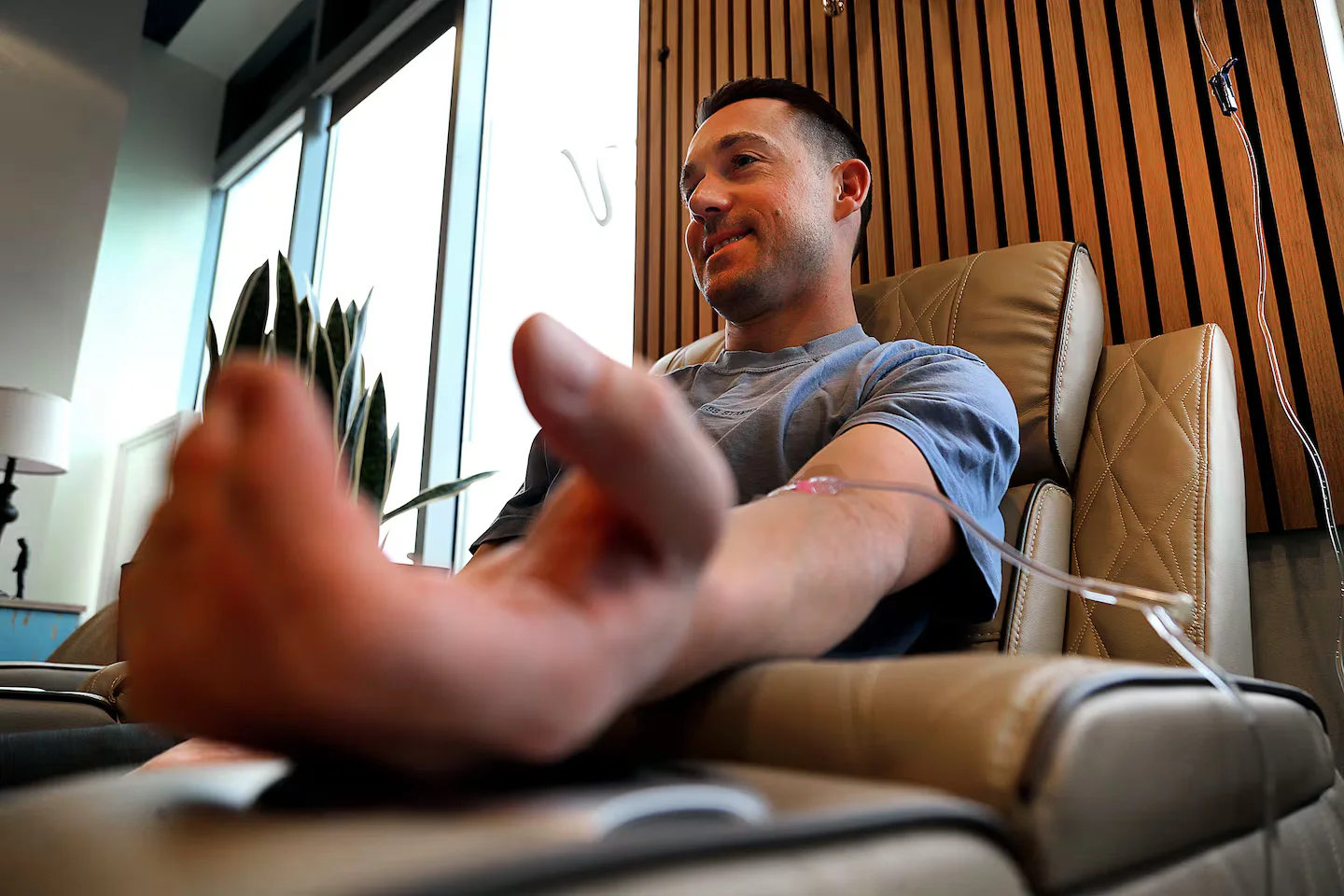
Massachusetts medspas are riding a boom in vitamin IV infusions marketed for immunity and performance, with prices often between $200 and $600. IV drips deliver nutrients directly into the bloodstream, but evidence of benefit for healthy adults is limited and regulatory oversight is inconsistent. Medical experts warn of risks like infections, electrolyte imbalances, and fluid overload, advising that IV therapy should not replace vaccines or healthy habits.

Longevity Fitness: Building Healthspan Over Beach Bodies
health9 months ago

Longevity Fitness: Building Healthspan Over Beach Bodies

Longevity fitness shifts the narrative from chasing beach-ready bodies to maximizing healthspan by prioritizing muscle and aerobic fitness that support independence in older age; while the science supports these goals, the piece warns that much of the longevity hype rebrands existing products, cautions against over-tracking and inequality, and advocates a balanced approach: regular exercise, adequate sleep, solid nutrition, and stress management rather than pricey fads or quick fixes.

FDA removes warning on unproven autism therapies tied to RFK Jr.'s wellness network
health10 months ago

FDA removes warning on unproven autism therapies tied to RFK Jr.'s wellness network

The FDA quietly retired a 2019 warning page that cautioned parents about unproven autism therapies—such as chelation, hyperbaric oxygen therapy, and detox baths—pushed by anti‑vaccine activists and RFK Jr.'s wellness allies, saying the page was removed in a routine cleanup; critics say the move reduces scrutiny of dangerous treatments promoted by Kennedy‑aligned figures.

Navigating Perimenopause: Tips, Stories, and Surprises
health1 year ago

Navigating Perimenopause: Tips, Stories, and Surprises

A surge of companies is targeting millennial women with products and promises to alleviate perimenopause symptoms, raising questions about their efficacy. The article explores the author's personal journey through perimenopause, marked by a plethora of symptoms and a trial-and-error approach to treatments, including both traditional medicine and alternative remedies. Despite the confusion and mixed results, the experience highlights the growing market and interest in addressing women's health issues during this transitional phase.

"Self-Care Industry Fuels Loneliness Crisis"
society-and-culture2 years ago

"Self-Care Industry Fuels Loneliness Crisis"

The commercialization of self-care has contributed to a rise in loneliness by promoting individualistic and consumer-driven practices that isolate people rather than fostering social connections. While originally rooted in collective well-being and political activism, modern self-care has become a lucrative industry that preys on insecurities and perpetuates a cycle of solitude and consumerism. True self-care should involve communal support and social interaction to address the root causes of loneliness and improve overall well-being.

"How Health Trackers Might Derail Your Wellness Journey"
health-and-wellness2 years ago

"How Health Trackers Might Derail Your Wellness Journey"

Eva Wiseman explores how health trackers and wellness technology can exacerbate health anxiety, turning minor or non-existent health issues into major concerns. She discusses the rise of personalized health apps and devices, their impact on mental health, and the illusion of control they offer. Wiseman argues that while these technologies are marketed to alleviate worries, they often create or worsen them, particularly among parents and the "worried well."

"Rising Concerns Over Hazardous IV Treatments at Unlicensed Med Spas"
health2 years ago

"Rising Concerns Over Hazardous IV Treatments at Unlicensed Med Spas"

The rapid growth of the med spa industry, now worth $15 billion, has led to increased reports of severe infections and complications from unregulated IV drips and injections. Patients like Bea Amma have suffered from drug-resistant infections after receiving treatments from unlicensed workers using unapproved products in unsanitary conditions. The FDA has issued warnings about unauthorized fat-dissolving shots causing severe infections and skin deformities. With little federal oversight, the industry varies by state regulations, often poorly enforced. Experts urge consumers to thoroughly vet med spas and their staff before undergoing treatments to ensure safety and proper credentials.