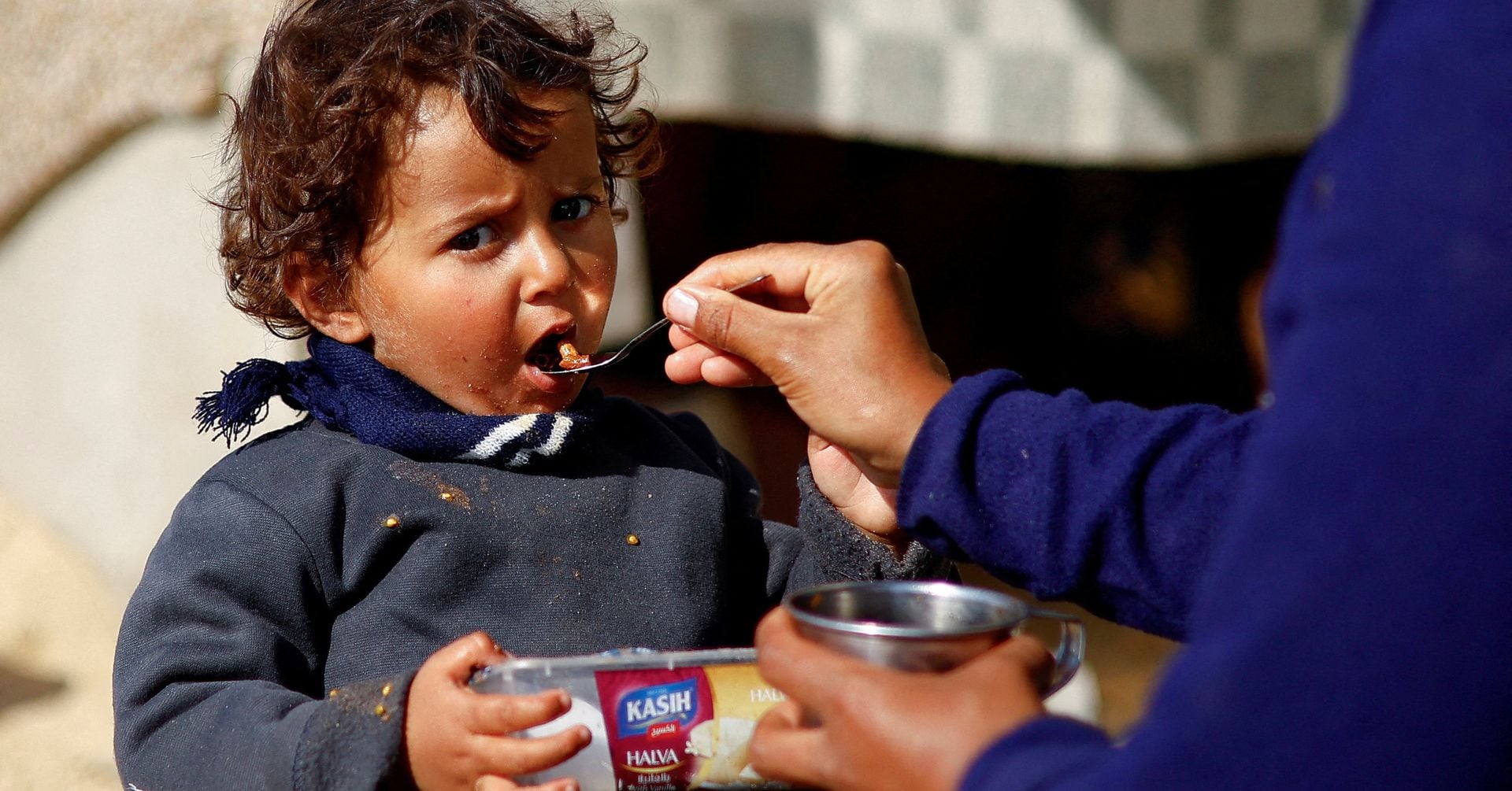
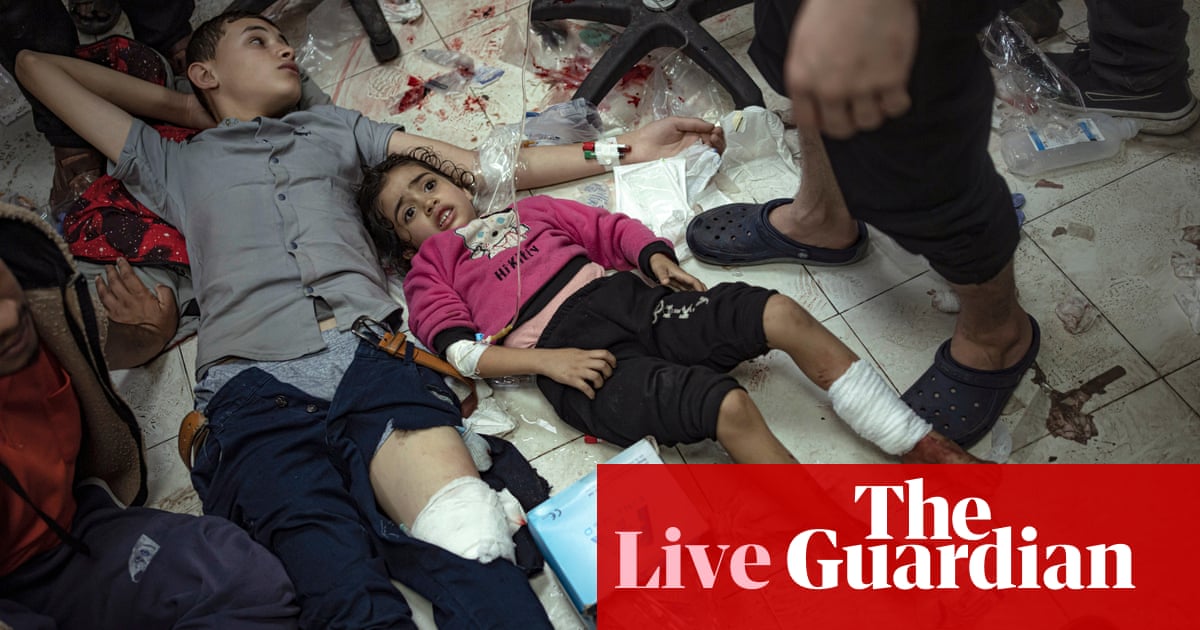
The World Food Programme (WFP) is drastically cutting aid to Gaza, reducing support from 1.6 million to 1.1 million people due to severe funding shortages. Hot meals will drop from 250,000 to 150,000 daily, and rations are halved. With 67% of Gaza’s population facing crisis-level hunger and winter approaching, the agency warns of a potential famine return. The WFP urgently needs $450 million to maintain critical operations through March 2027.
The World Food Programme (WFP) is cutting food assistance in the West Bank by 50% due to severe funding shortages. The agency warns that further reductions may be necessary if additional cuts are imposed in Gaza.
UN agency WFP warns that a developing El Niño could push about 50 million more people into acute hunger by the end of next year, on top of the 225 million already in crisis, with the worst impacts in Central/South America, the Caribbean and southern Africa and rainfall shortfalls in parts of Asia. If strongest in seven decades, the event—amplified by climate change—could raise food prices and deepen lean seasons; the WFP is using anticipatory relief funded around $80 million, but data gaps and potential price shocks complicate aid as regional harvests and export decisions influence outcomes.
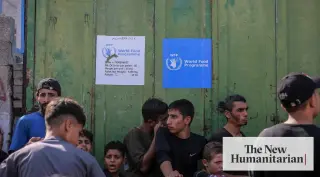
The United Nations says Hamas-affiliated fighters disrupted a World Food Programme food distribution site in Gaza, entering a warehouse and endangering staff, prompting the WFP to suspend operations at the center and highlighting ongoing humanitarian strain amid the Gaza conflict.
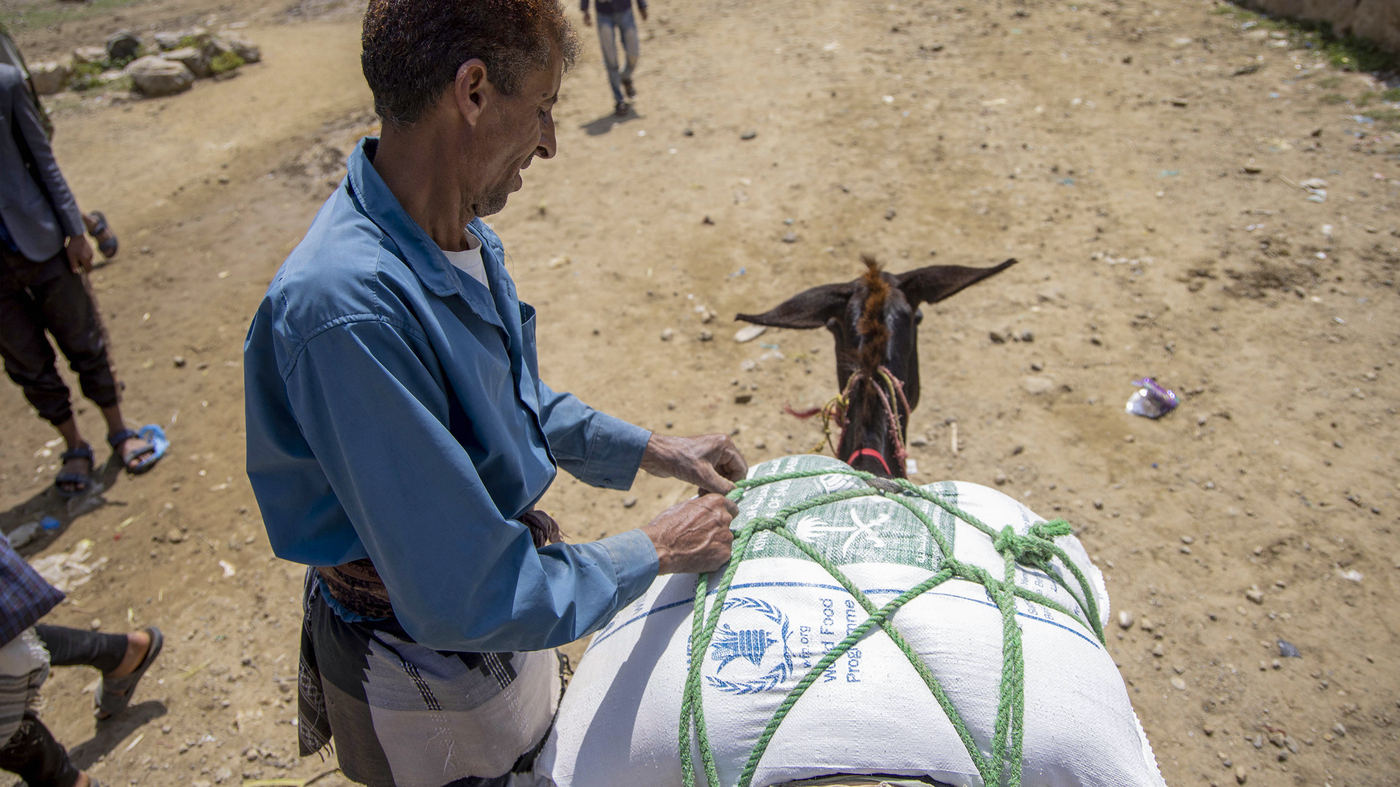
UN food agencies FAO and WFP say acute hunger will worsen in 13 hot spots this year, with Gaza still fragile despite improvement and regions in Yemen, South Sudan, Somalia, Nigeria, and Sudan facing heightened famine risk. About 1.6 million people were acutely food insecure earlier this year (roughly 77% of those analyzed). The agencies urge swift, coordinated international action to scale up aid and protect livelihoods, warning that without intervention millions more could face catastrophic hunger by year’s end. The United States has recently renewed funding to WFP and UNICEF to help respond.
The World Food Programme confirmed a cyber-attack exposing personal information (names, IDs, mobile numbers, and location data) of about 600,000 Gazan households via its Palestine self-registration app. The breach, detected in mid-May and announced in late May with public confirmation on June 2, affected only the SRA/People Portal used in Palestine, which WFP shut down to contain the intrusion and bolster security. No group has claimed responsibility. The incident underscores ongoing humanitarian data-security risks in conflict zones and follows broader concerns about protecting beneficiaries’ data and the potential misuse of location information.
Cindy McCain, executive director of the United Nations’s World Food Programme, emphasized the urgent need for food in Gaza amid the ongoing war, citing obstacles to delivering aid and expressing frustration over the rejection of a U.S.-backed resolution for an immediate cease-fire and humanitarian aid efforts in Gaza. The United Nations Security Council's rejection was due to Russia and China voting against it, with concerns raised about the resolution's impact on ensuring an actual and unconditional cease-fire. McCain previously warned of Gaza being on the brink of famine as the conflict continues.
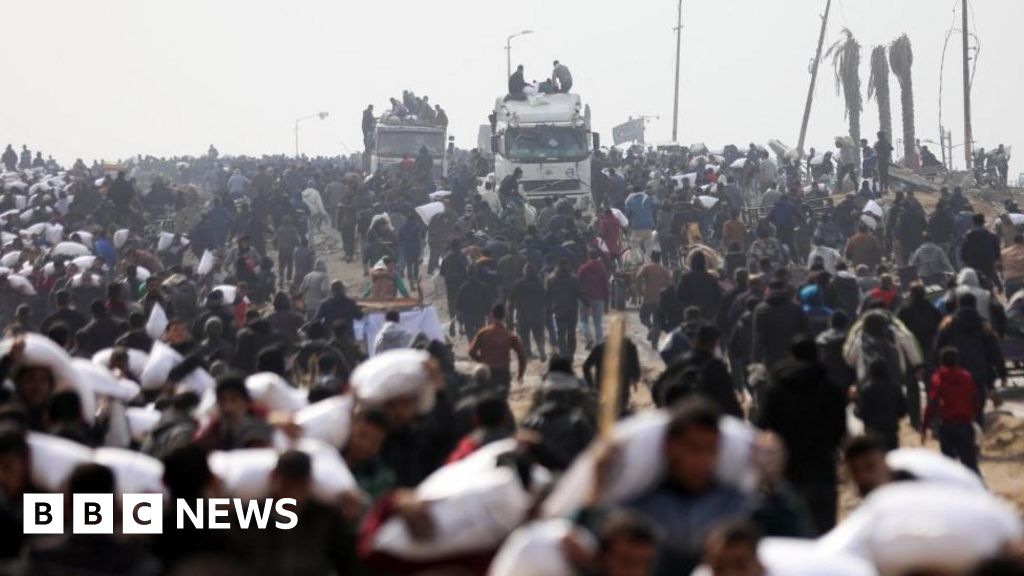
The World Food Programme has halted food deliveries to northern Gaza due to "complete chaos and violence" following the collapse of civil order, with crews facing gunfire and looting. Videos show people rushing to delivery trucks and a girl in tears expressing her longing for bread. The UN has been sounding the alarm about a potential famine in the region since December.
The World Food Programme has halted food deliveries to northern Gaza due to "complete chaos and violence" as aid convoys faced crowds, gunfire, and looting, signaling a "precipitous slide into hunger and disease." The UN agency for Palestinian refugees warned of a looming famine, with reports of unprecedented desperation, acute malnutrition in children, and hunger-related deaths. The WFP urges a major expansion of aid to northern Gaza, calling for increased food volumes, open crossing points, and security for staff and residents, emphasizing the urgent need to prevent famine in the region.
The World Food Programme has halted food aid deliveries to northern Gaza due to unsafe conditions, exacerbating a severe food crisis in the region. UN agencies report acute malnutrition among children and scarce access to food and safe water. The WFP had resumed deliveries but faced attacks and looting, prompting the pause. The situation in Gaza has worsened amid the Israel-Hamas conflict, with the Israeli military offensive and ongoing violence contributing to the humanitarian crisis.
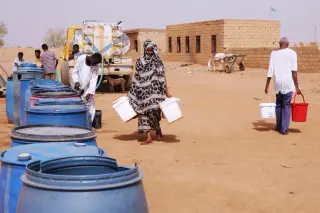
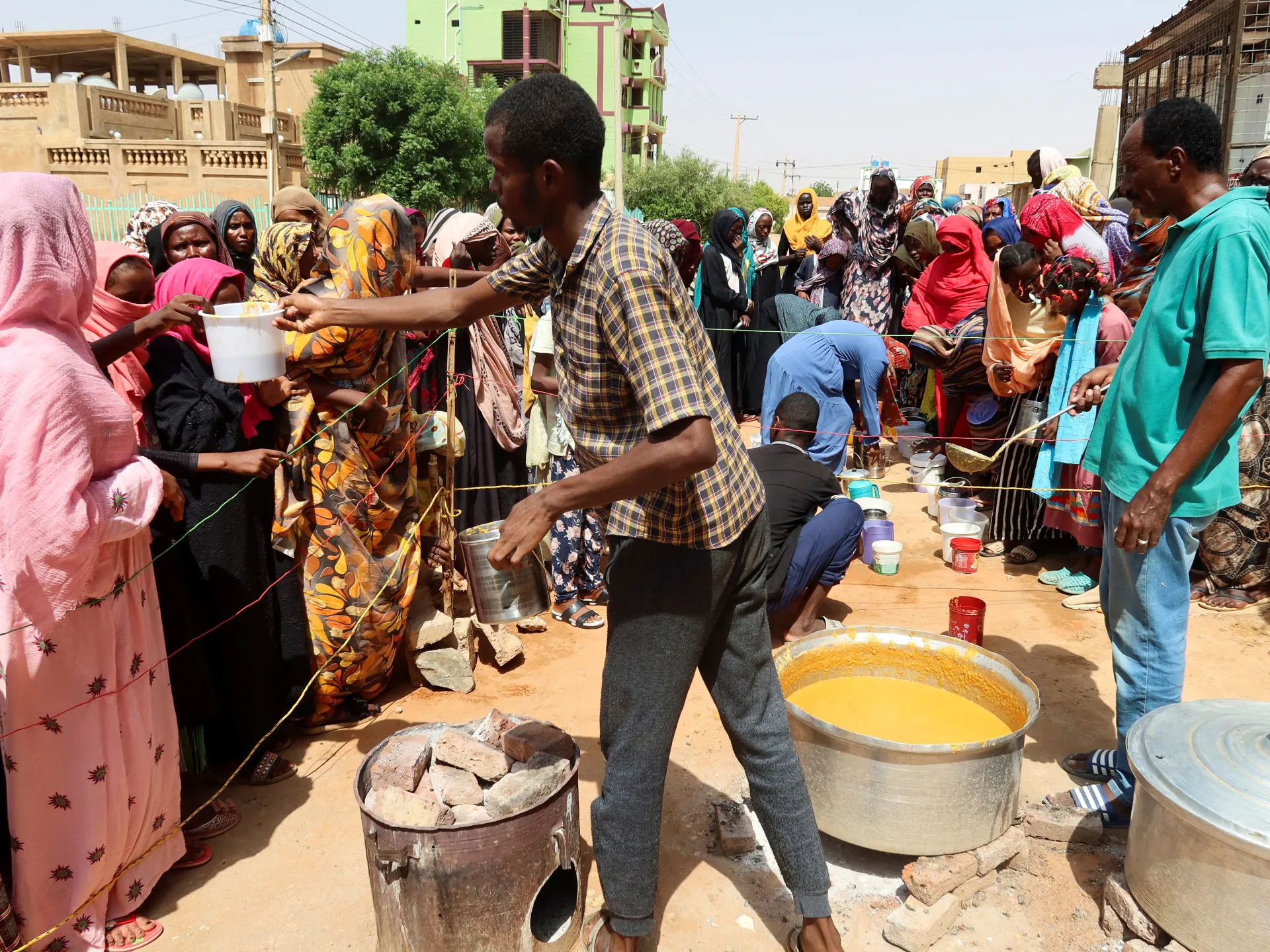
The World Food Programme has reported a dire situation in Sudan, with millions facing acute hunger and reports of people dying of starvation due to the ongoing war cutting off access to aid. Limited humanitarian access and unnecessary hurdles are slowing down relief efforts, with only one in 10 people in conflict areas receiving aid. The agency is calling on Sudan's warring factions to provide security guarantees for unimpeded aid delivery, while also urging the international community to support Sudan and facilitate the delivery of essential aid to the country.
The World Food Programme (WFP) has warned of a "catastrophic hunger crisis" intensifying in Gaza as Israeli military operations escalate. The WFP called for a resumption of the ceasefire between Israel and Hamas that broke down last week, as the renewed fighting makes the distribution of aid almost impossible and endangers the lives of humanitarian workers. The WFP reached approximately 250,000 people in just one week during the previous ceasefire, but this progress is now being lost. The United States has also called for Israel to allow more fuel and humanitarian aid into Gaza, as conditions in the south of the territory worsen.
The United Nations' World Food Programme (WFP) has lost communication with their aid teams in Gaza amid the ongoing conflict between Israeli forces and Hamas. WFP chief Cindy McCain expressed concern for the safety of humanitarian workers and civilians, emphasizing the urgent need for access to operate and provide assistance. The recent attacks have hindered the delivery of food assistance to civilians in Gaza. SpaceX CEO Elon Musk announced that the company's Starlink satellite internet service will support internationally recognized aid organizations in Gaza. The international community has been working to supply humanitarian aid to Gaza, but relief operations could be significantly affected due to Israel's blockade of fuel, which is crucial for clean drinking water, functioning hospitals, and life-saving aid operations.
The UN World Food Programme is facing a massive funding shortfall, resulting in reductions in food aid around the world. For every 1% cut in funding, 400,000 people are pushed further into hunger. The program has been cut by half, affecting approximately 20 million people. Rations have been reduced, and some people have been completely cut off from receiving food assistance. The situation is particularly dire in Afghanistan, where 8 million people have been cut from assistance, and another 2 million will be dropped soon. The lack of food assistance not only affects food security but also breeds instability, making it a national security issue. The executive director of the World Food Programme, Cindy McCain, expresses the heartache and frustration of not being able to help those in need. Despite the challenges, there are some success stories in Central America and in programs such as school feeding and cash-based transfers, but overall, there is a critical need for more funding to prevent starvation and promote stability.
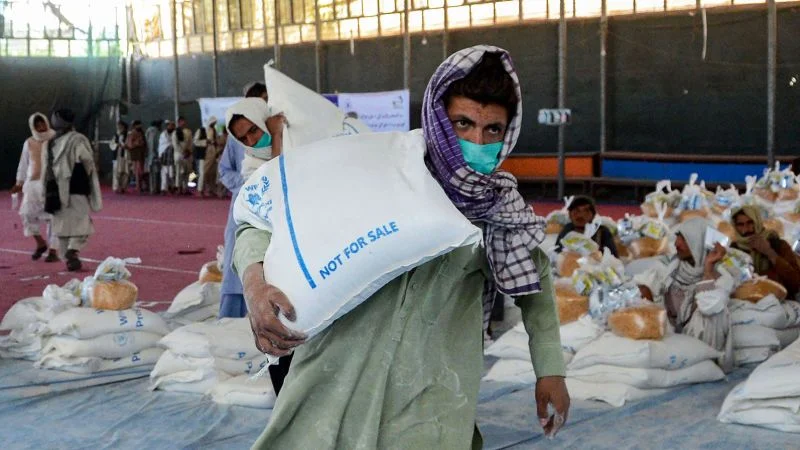
The UN's World Food Programme (WFP) has been forced to cut food assistance from 10 million Afghans due to a massive funding shortfall. This month alone, assistance has been cut for 2 million people, leaving only emergency aid for 3 million. The cuts mean that 1.4 million new and expecting mothers and their children are no longer receiving specialized food to prevent malnutrition. WFP estimates that over 36 million people in Afghanistan, around 90% of the population, lack sufficient food, as the Taliban takeover prompted the freezing of $7 billion in foreign reserves. The WFP urgently needs $1 billion in the next 6 months to feed 21 million people.