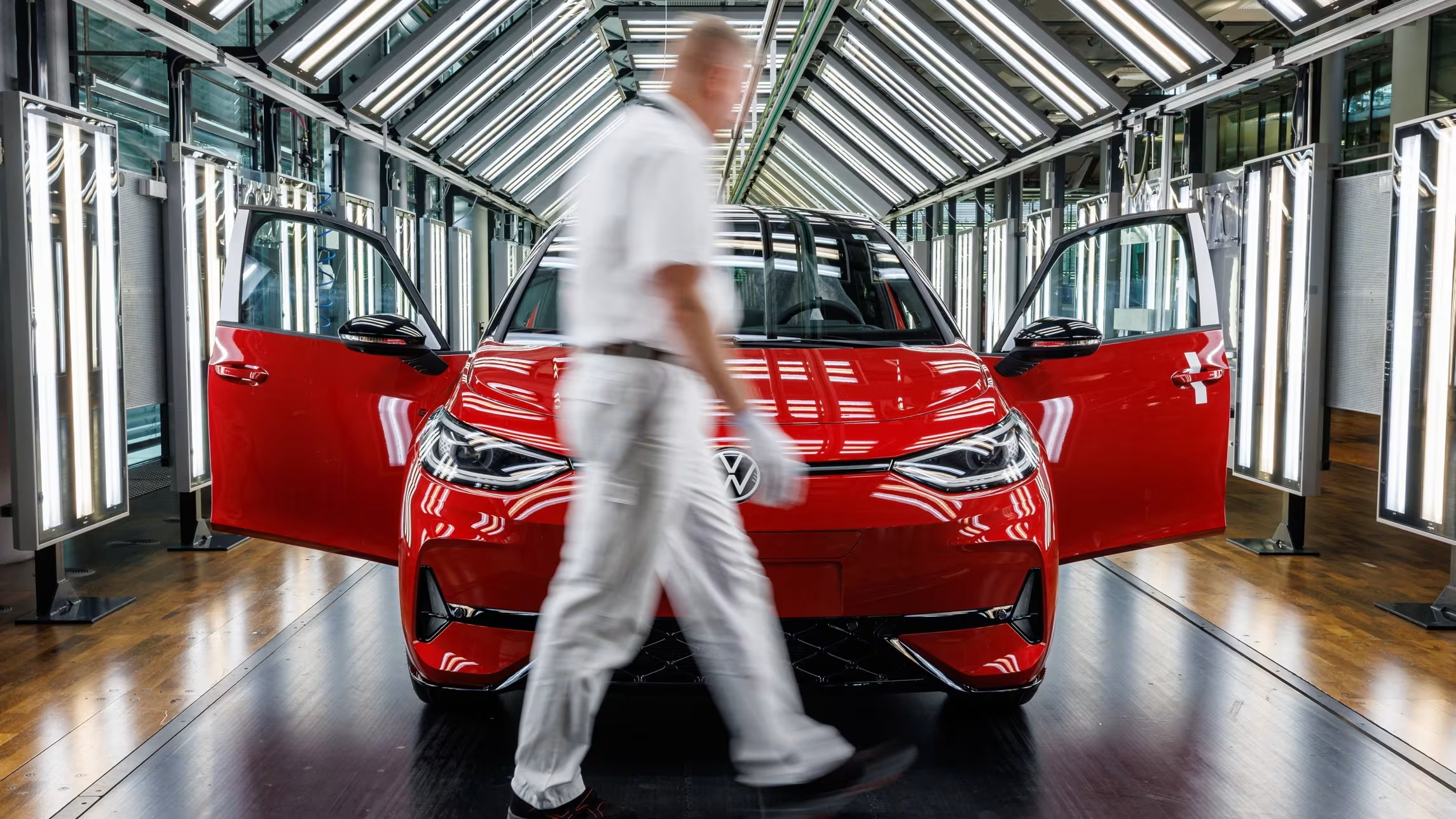
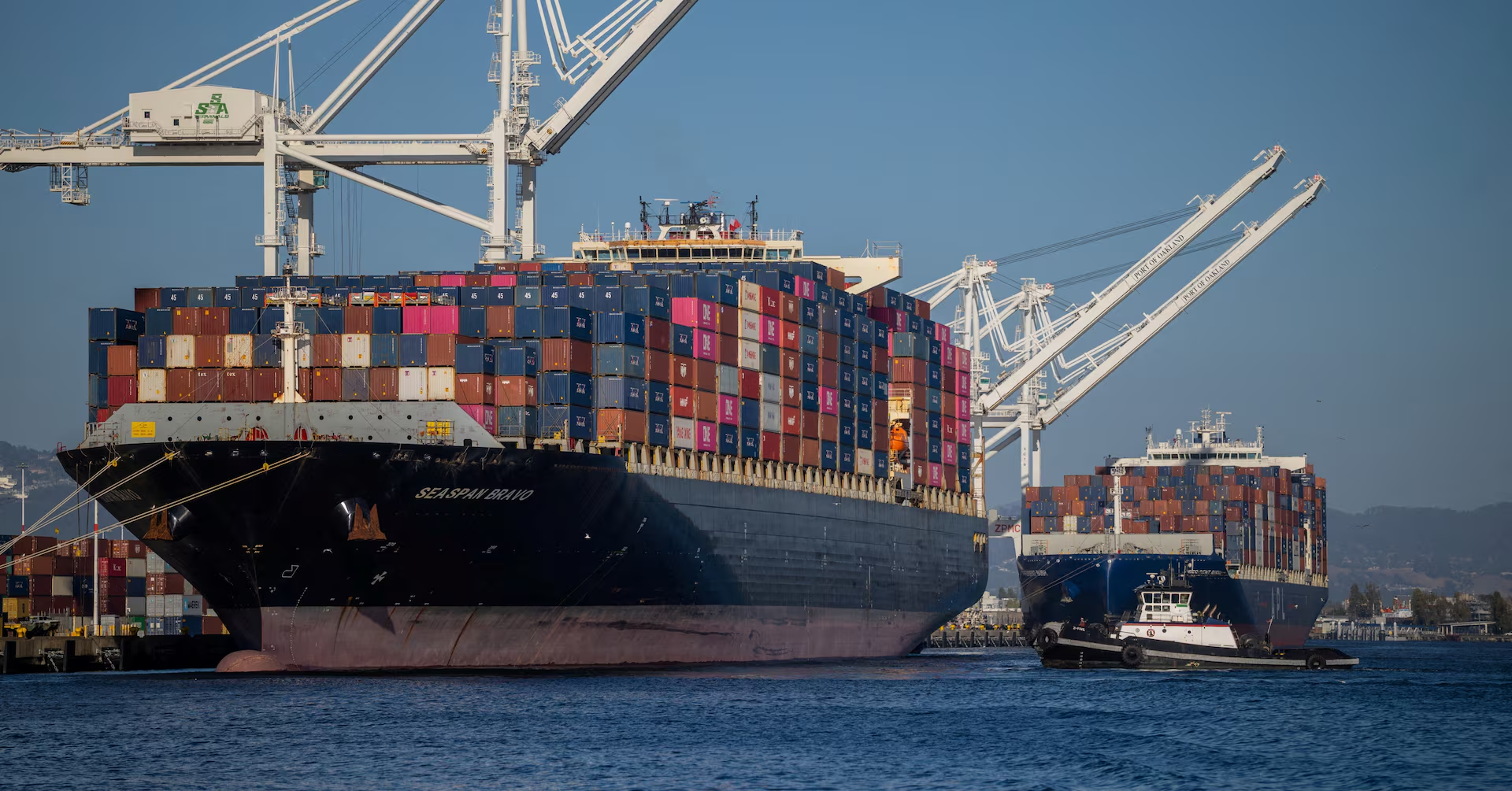
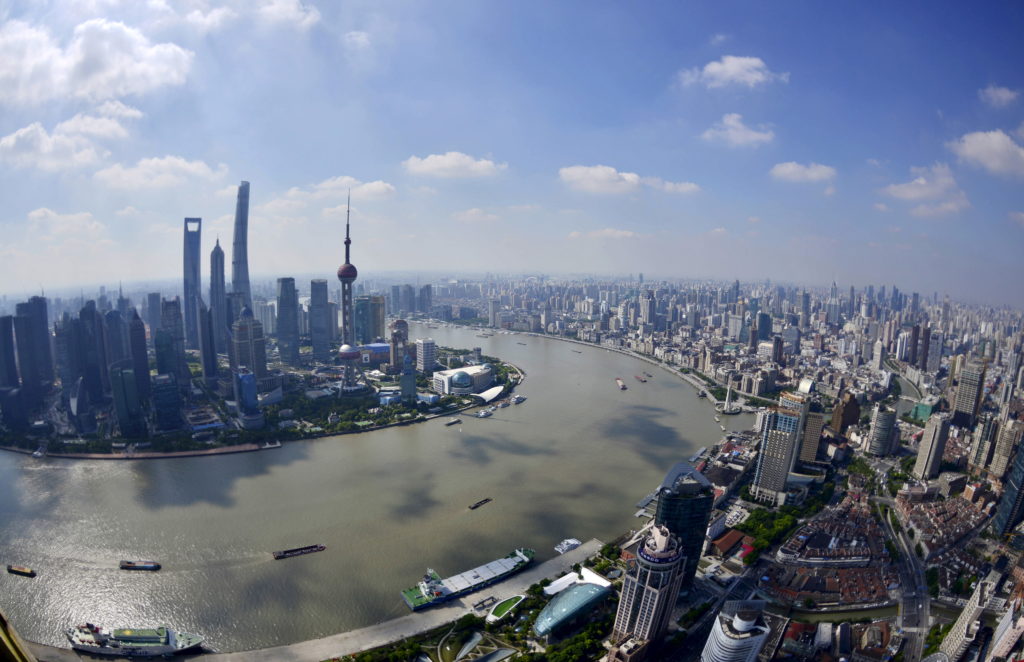
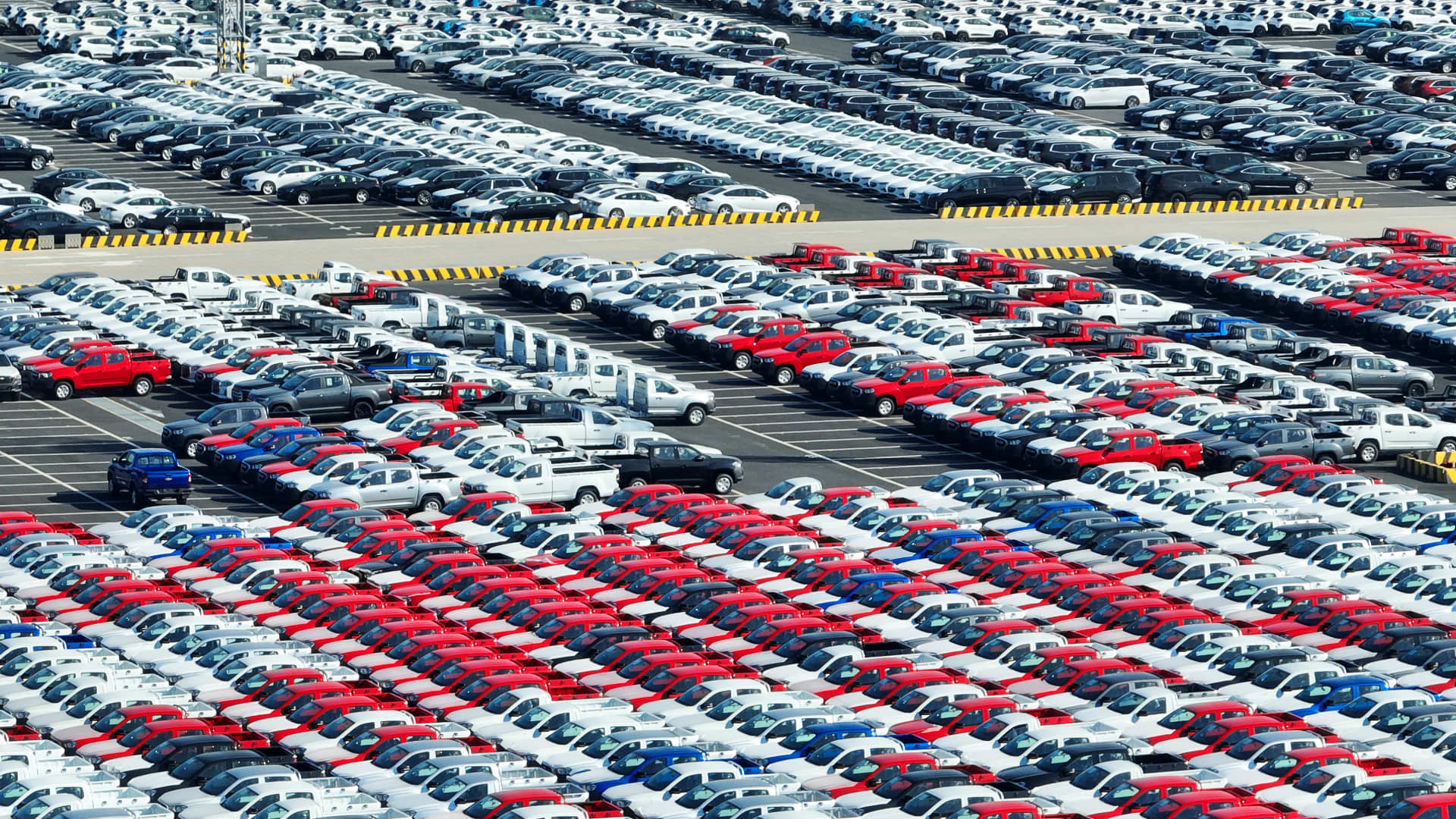
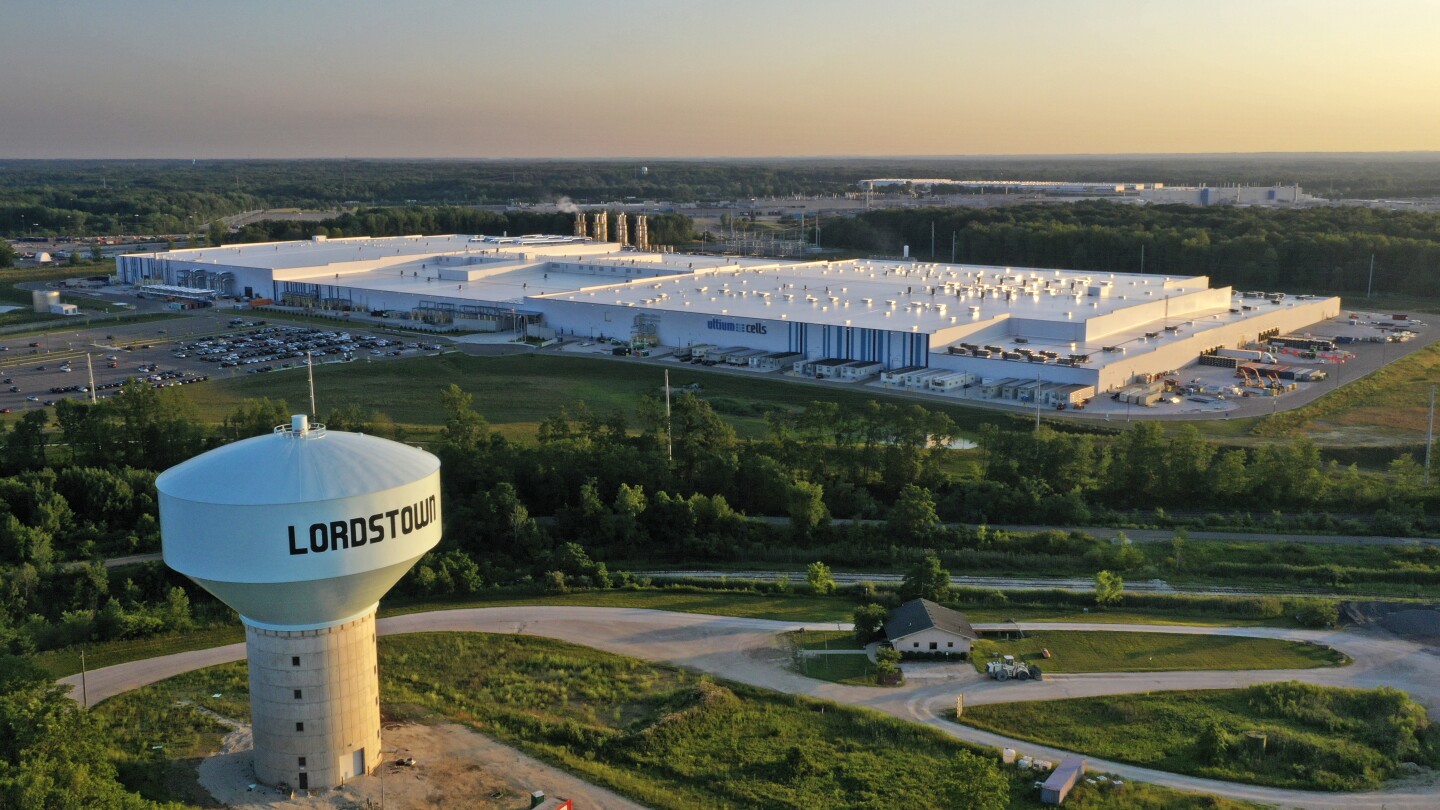
China has transformed from a market fearing Western competition to the world’s largest auto producer, leveraging EV subsidies and joint ventures to outpace the EU and US. This shift has triggered trade wars, with the US imposing 100% tariffs and the EU capping imports, as Chinese firms like BYD now outsell Tesla globally.
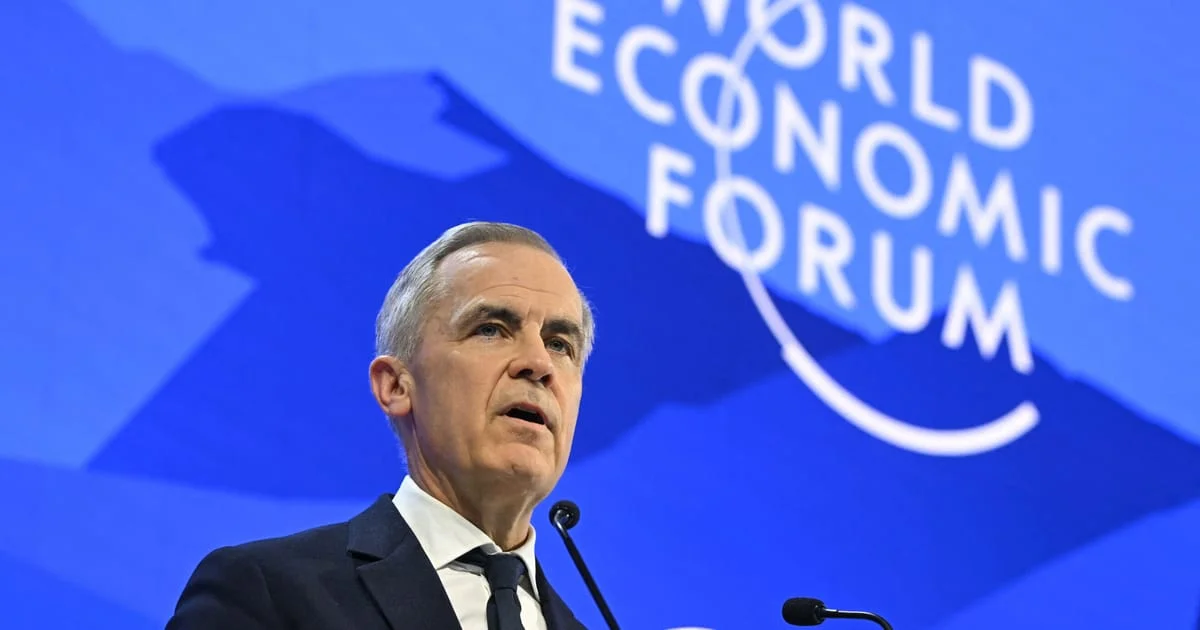
Nearly 40 middle- and major-power economies, led by Canada’s Mark Carney, are pursuing coordinated reform of the World Trade Organization—or, if salvaging it proves impossible, a new rules-based trade order—at MC14 in Yaoundé, with the EU and CPTPP planning a plurilateral push on e-commerce and digital trade that could bypass consensus if needed.
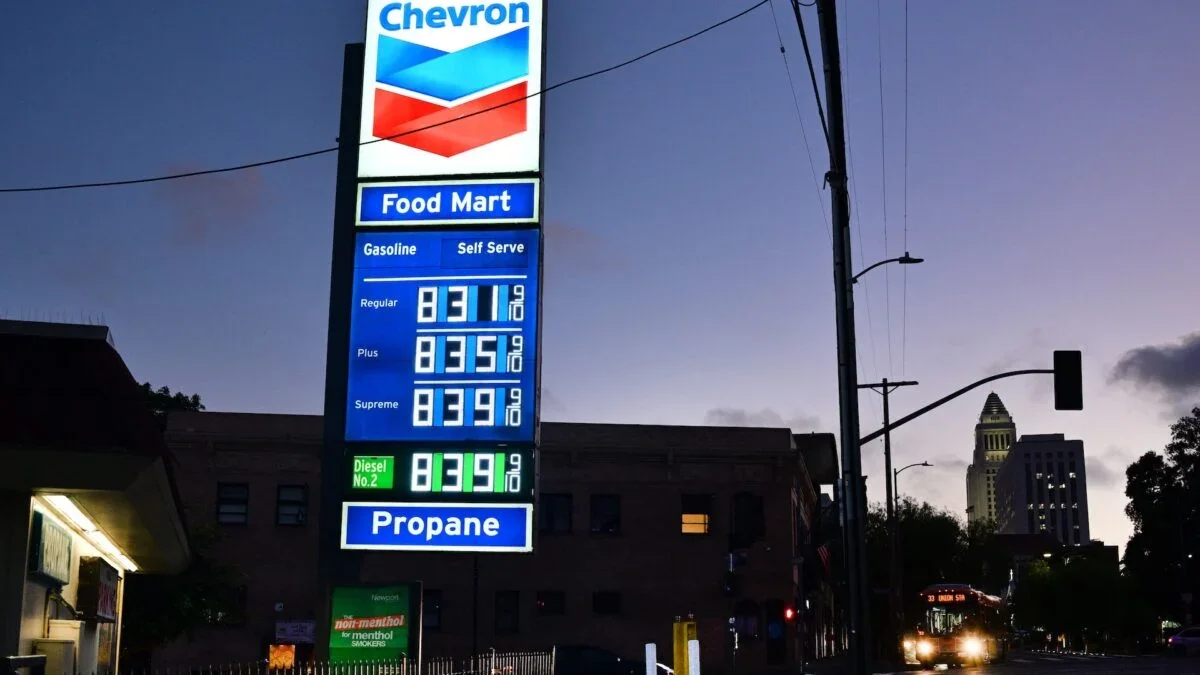
The WTO warns that a prolonged oil-price shock from the Middle East conflict could curb the AI boom since AI investment is energy-intensive, potentially shaving about 0.5 percentage points from global goods trade growth and risking food security if energy and fertiliser costs stay elevated; 2025 still saw 4.6% goods trade growth driven by Asia and North American AI investment, but the outlook calls for growth to slow to about 1.9% in the absence of shocks.
The World Trade Organization warns that elevated energy prices tied to the Iran conflict could slow global GDP growth (potentially from about 2.8% to around 2.5%) and curb the AI investment boom, as supply concerns over the Strait of Hormuz and broader Middle East tension push oil and gas prices higher.
The Trump administration has criticized the World Trade Organization ahead of a crucial meeting, highlighting ongoing tensions and disputes in international trade relations.
The WTO predicts that Donald Trump's tariffs will significantly impact global goods trade by 2026, potentially disrupting international markets and supply chains.
The WTO has downgraded its 2026 global trade growth forecast to 0.5%, citing delayed impacts from US tariffs, despite a 2025 increase driven by pre-tariff import surges and AI trade. The outlook remains concerning, with trade growth slowing significantly and global GDP expected to slightly decline in 2026, though the system shows resilience.
The Dow Jones Industrial Average rose following the World Trade Organization's improved forecast for global trade, indicating positive economic momentum.
China announced it will no longer seek special developing country status in WTO agreements to support global trade reform, a move aligned with US demands, though it remains classified as a developing nation and continues to provide aid to other countries. The decision aims to strengthen the global trading system amidst rising protectionism and tariff conflicts.
China announced it will no longer seek special treatment for developing countries in WTO agreements, aiming to strengthen the global trading system amid rising protectionism, though it remains classified as a developing country and did not specify changes to market access. The move is voluntary and not a call for other nations to follow, reflecting China's evolving role in international trade and development.
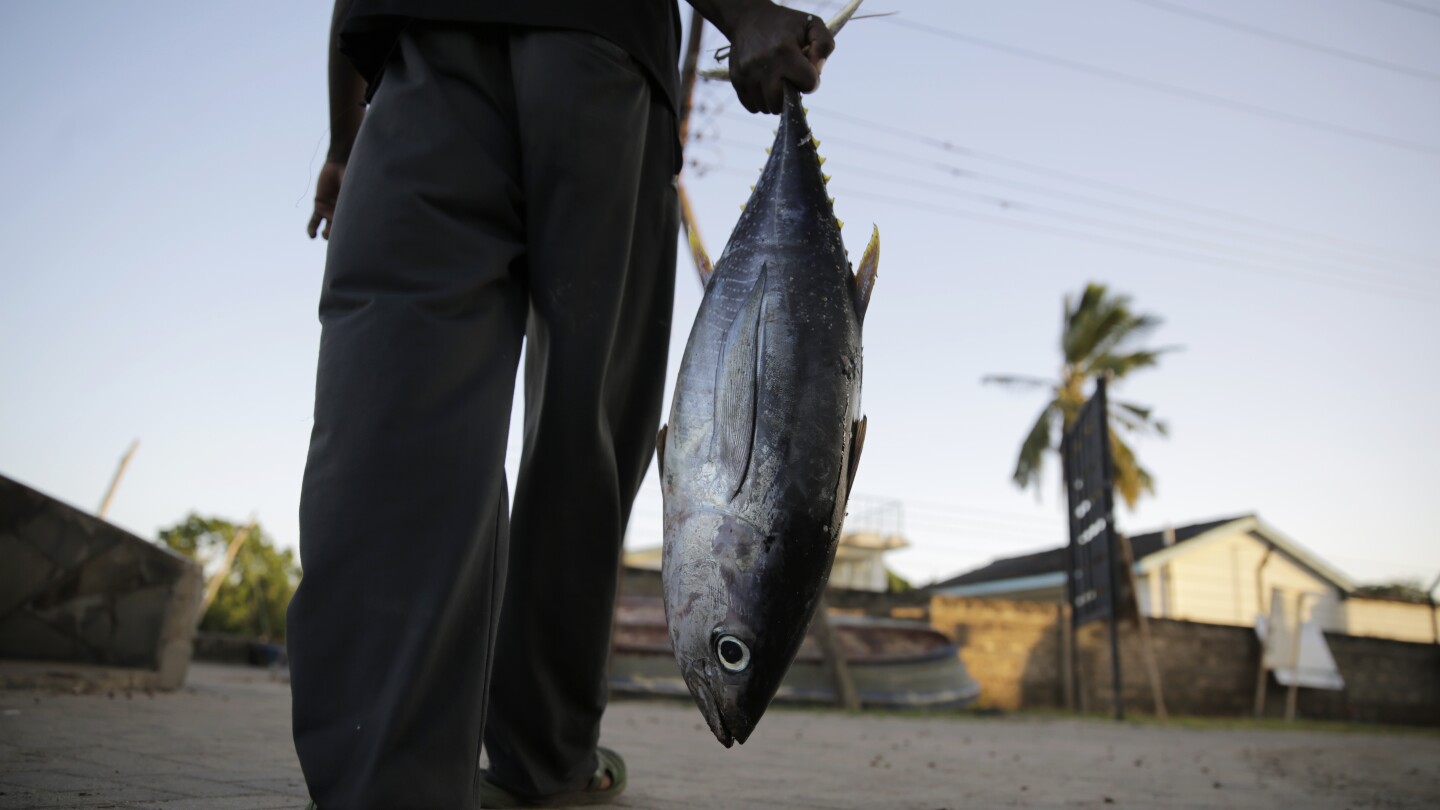
The WTO's agreement to reduce fishing subsidies, aimed at combating overfishing and promoting ocean sustainability, has officially taken effect with 112 countries onboard, though key players like India and Indonesia have yet to sign. The deal primarily targets illegal fishing and overfished stocks, with plans for a second phase to address subsidies that promote overcapacity in fishing fleets. Experts emphasize that while this is a significant step, more efforts are needed to prevent the depletion of global fish stocks.
China has won a WTO dispute with Australia over tariffs on steel products, with the WTO finding that Australia's investigating authority had acted inconsistently with some articles of the anti-dumping agreement. Australia's trade minister stated that the government accepted the ruling and would engage with China to implement the panel's findings, emphasizing its commitment to a rules-based trading system. Trade tariffs have been a contentious issue between the two countries, with China imposing sanctions on Australian goods in 2020, and while most tariffs have been lifted, some remain in place.
China has initiated dispute settlement proceedings against the United States at the World Trade Organization, contesting "discriminatory subsidies" under the U.S. Inflation Reduction Act that it claims exclude goods from China and other WTO countries. The law provides tax credits for electric vehicles and renewable energy, but China argues that these subsidies are contingent upon the purchase of goods from the U.S. or certain regions. The U.S. Trade Representative is reviewing China's request for WTO consultations, while China urges Washington to correct discriminatory industrial policies and maintain global stability in the new energy vehicle supply chain. If the WTO rules in favor of China, the U.S. could appeal, but the WTO's top appeals bench has been non-functional since December 2019 due to U.S. opposition to judge appointments.
China has filed a complaint with the World Trade Organization against the U.S. over what it perceives as discriminatory requirements for electric vehicle subsidies, specifically related to the exclusion of products made by Chinese companies from tax credits. This move challenges President Joe Biden's climate legislation and could impact the global supply chain for new energy vehicles. The real-world impact of the case is uncertain due to the dysfunctional WTO Appellate Body, but it reflects the growing tensions in international trade related to electric vehicles and battery technology.
WTO negotiations in Abu Dhabi failed to reach consensus on major reforms, including agriculture and fisheries, but extended the moratorium on digital trade tariffs for two years. The talks, which were described as intense and difficult, highlighted fissures between some of the world's top economies. The U.S. expressed concern over potential fragmentation among the BRICS group, while India and China disagreed on key issues. The weak outcomes from the meeting serve as a wake-up call for the need for a more constructive debate on the role of trade in society, and the UAE's efforts to emphasize multilateralism and dialogue were not fully realized.