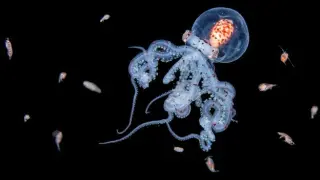
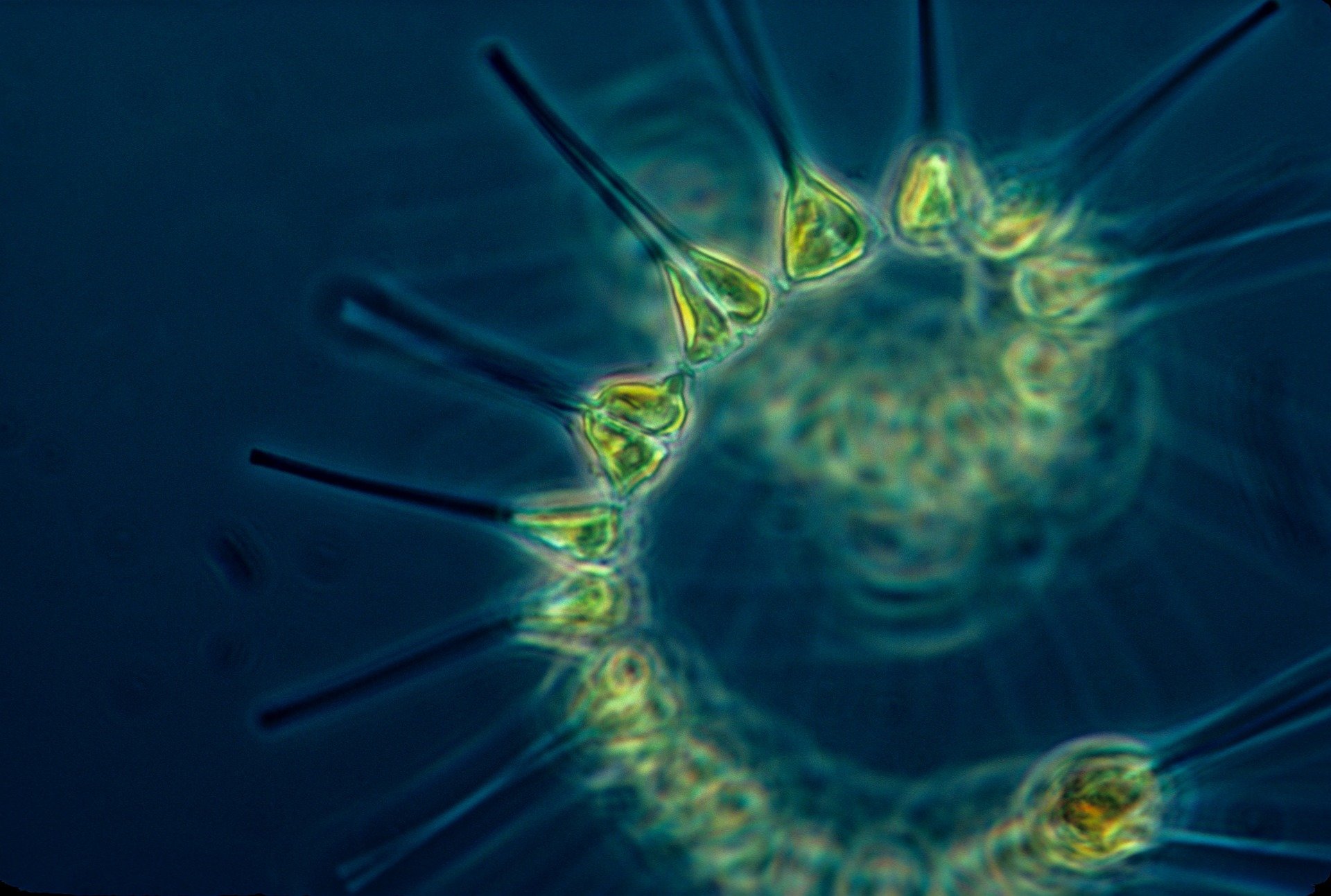
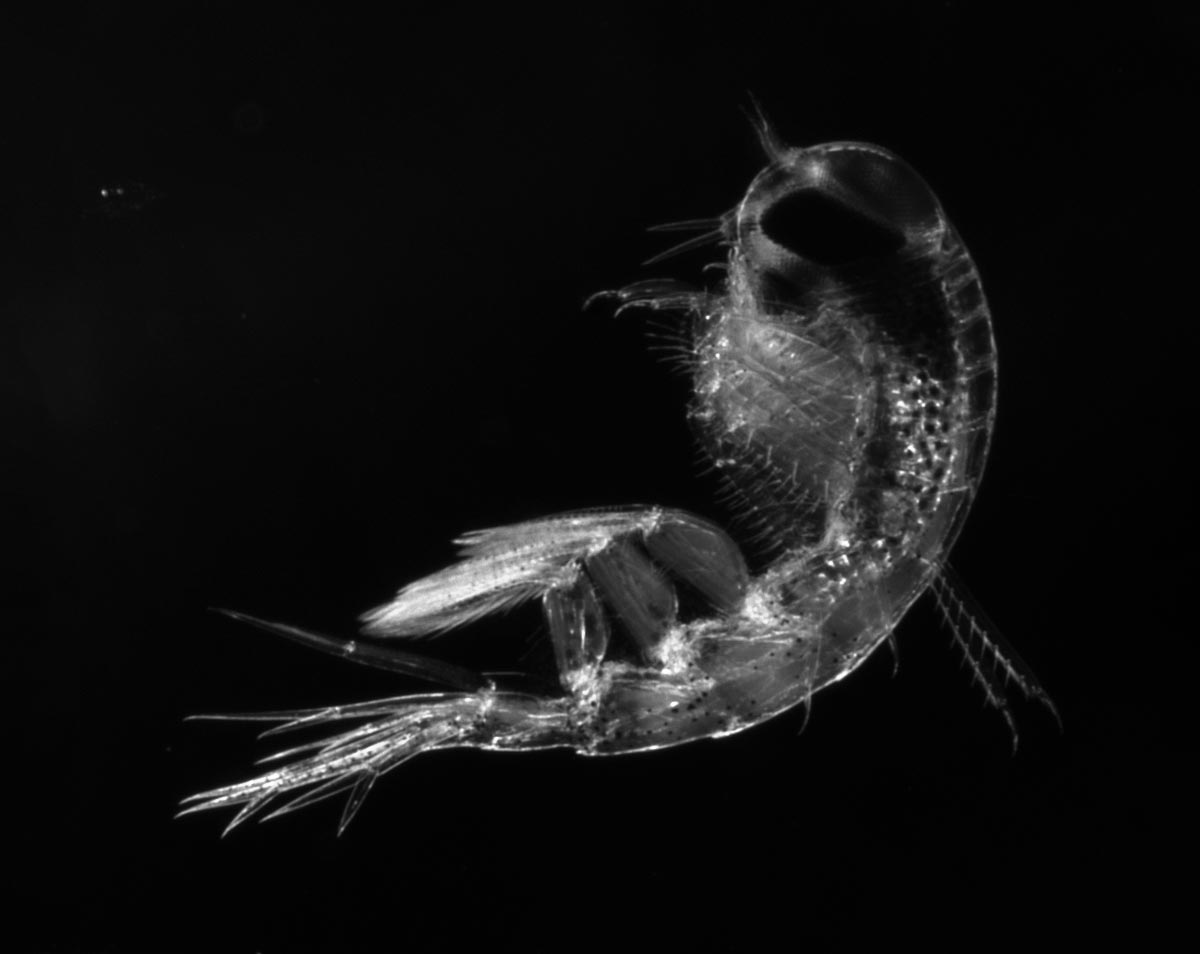
Photographer Jialing Cai uses nocturnal blackwater dives to document midwater life—zooplankton, jellyfish and juvenile fish—at depths where diel vertical migration occurs, highlighting the twilight zone’s biodiversity and the pressures from human activity and climate change.
Zooplankton, including copepods, krill, and salps, play a crucial role in mitigating climate change by consuming phytoplankton and transporting carbon to the deep ocean, effectively acting as a biological pump that reduces atmospheric CO2 levels. However, climate change and industry activities threaten these vital species, potentially undermining their climate-regulating functions.
Researchers at Dartmouth College have developed a method to enhance the ocean's natural carbon sequestration process by using clay dust to convert carbon into food for zooplankton. This process accelerates the biological pump, as zooplankton consume the clay-carbon flocs and excrete them at lower ocean depths, effectively storing carbon for millennia. The technique, which could capture up to 50% of carbon released by dying phytoplankton, is set to be field-tested off Southern California's coast.
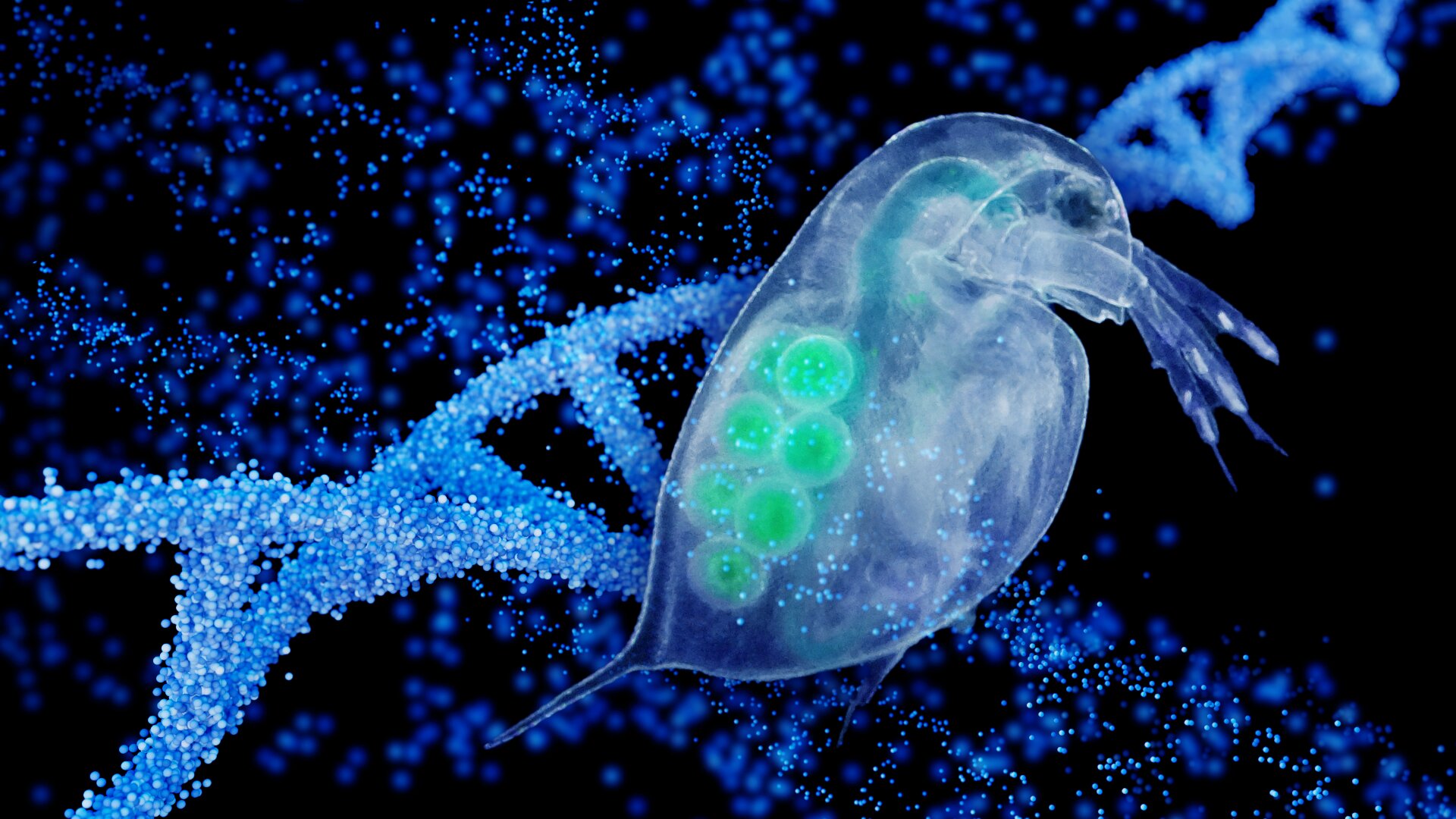
A study by Arizona State University scientists on Daphnia pulex reveals that natural selection on individual genes varies significantly over time, challenging traditional views of evolution. The research shows that genetic variation allows populations to remain adaptable to environmental changes, suggesting a more dynamic and complex process of evolution than previously understood. This insight could have broader implications for understanding how species respond to rapid environmental changes, including those caused by human activities.
Scientists have discovered that rotifers, a type of zooplankton found in marine and fresh water, can ingest and break down microplastics. However, instead of solving the plastic pollution crisis, the rotifers may be exacerbating it by converting the microplastics into thousands of smaller and potentially more dangerous nanoplastics. Each rotifer can produce between 348,000 and 366,000 nanoplastics per day. The researchers found that rotifers from both marine and freshwater environments could ingest microplastics, break them down, and excrete nanoplastics. This discovery raises concerns about the impact of nanoplastics on aquatic life and the potential for these particles to spread throughout the environment. Further research is needed to determine the harmful effects of nanoplastics and their role in the overall plastic pollution problem.
Climate warming and eutrophication can lead to a stoichiometric mismatch between phytoplankton and zooplankton in aquatic ecosystems. When these stressors act individually, the mismatch increases due to the increased nutrient demand of zooplankton. However, when climate warming and eutrophication act together, the mismatch is reversed due to changes in the species composition of the zooplankton community. Understanding the effects of global change on stoichiometric mismatches requires considering both cross-trophic levels and compositional changes within communities.
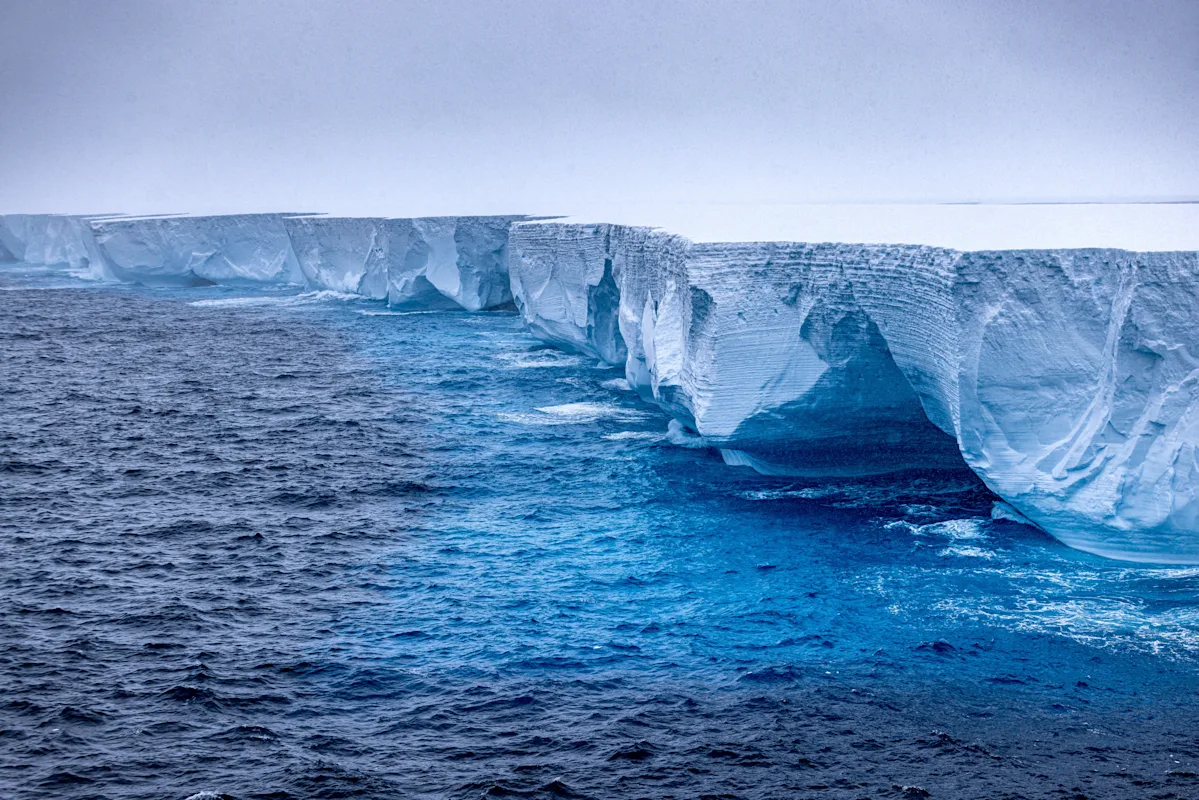
Climate change-induced sea ice melting in the Arctic is causing sunlight to penetrate deeper into the ocean, affecting the migratory behavior of marine zooplankton. A study led by the Alfred Wegener Institute suggests that this could lead to more frequent food shortages for zooplankton, potentially impacting larger Arctic species such as seals and whales. The research highlights the importance of curbing global warming to protect the Arctic ecosystem, emphasizing the need to reach the 1.5-degree target.
Rising ocean temperatures caused by climate change are disrupting the ocean food web, impacting not only corals but also the entire ecosystem. The warming waters affect phytoplankton, the base of the food web, by reducing their pigment production and nutrient intake. This, in turn, affects zooplankton and other marine organisms, leading to changes in community composition and potential threats to fisheries. The heat also causes stratification, preventing nutrient upwelling and further depriving phytoplankton of essential nutrients. These disruptions have far-reaching consequences for the Earth's climate system, as plankton play a crucial role in carbon sequestration. While the ecosystem may adapt, biodiversity loss and the loss of important functions are expected.
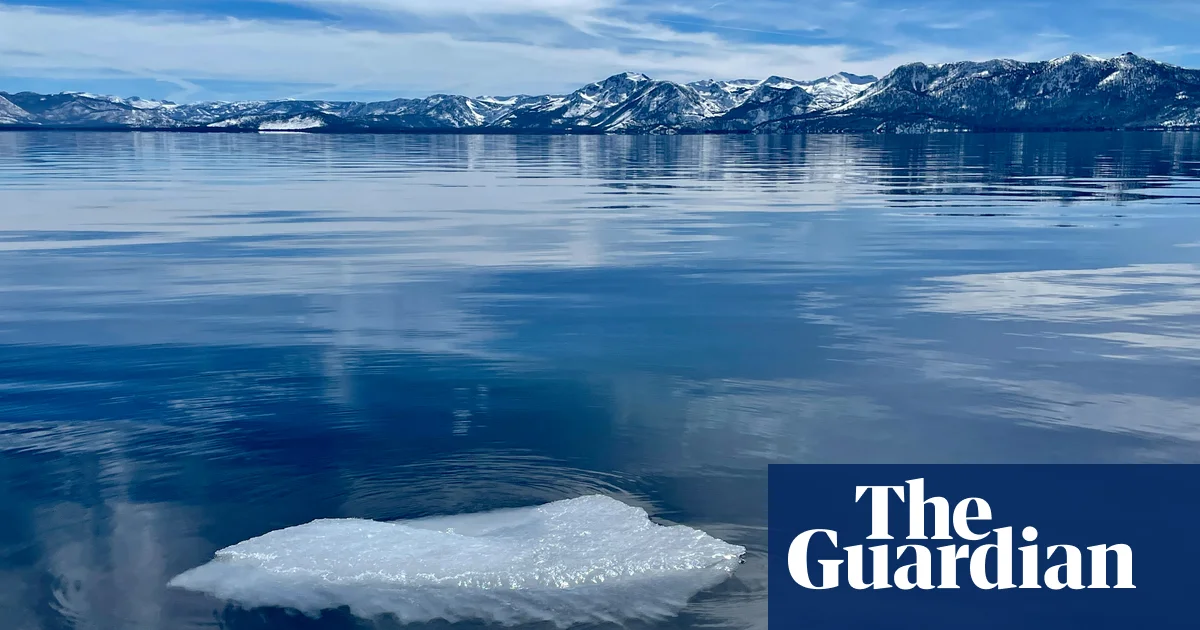
Lake Tahoe has achieved a clarity that scientists haven’t seen in 40 years due to an increase in the concentration of zooplankton, which consume particles that inhibit the lake’s visibility, and a depletion in the numbers of Mysis shrimp that normally eat those zooplankton. However, the assistance provided by nature’s clean-up crew may be short-term as Mysis shrimp populations are expected to rebound. Future management options should look at controlling the shrimp population.