Tag

Earths Rotation

All articles tagged with #earths rotation

Humans Are Slowing Earth's Spin at a Record Pace, Study Finds
planet-earth21 days ago

Humans Are Slowing Earth's Spin at a Record Pace, Study Finds

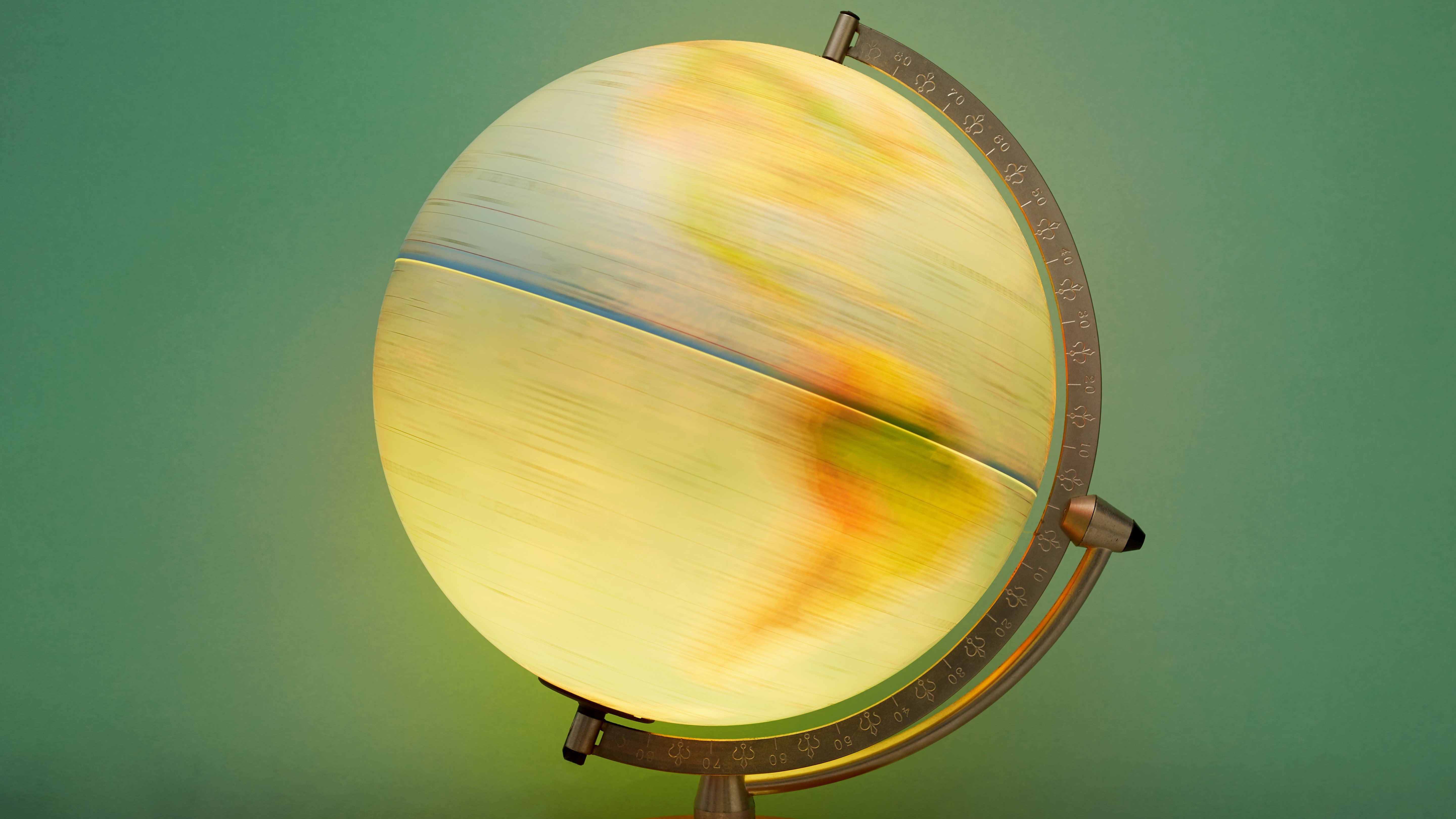
New research ties climate-change–driven sea-level rise to a record-fast lengthening of Earth's day: about 1.33 milliseconds per century today, with warming scenarios predicting up to 2.62 milliseconds per century by 2080. While the Moon’s gravity, glacial rebound, and winds modulate the effect, the human-caused signal is growing; past day lengths were inferred from fossil foraminifera. The current rate is among the fastest in 3.6 billion years and could affect precise timekeeping and spacecraft navigation in the future.

Top Space Highlights and Photos of 2025
science3 months ago

Top Space Highlights and Photos of 2025

The article highlights the top 12 space stories of 2025, including international cooperation to prevent satellite collisions, a sudden disappearance of a lake in Quebec, the James Webb Space Telescope's study of an interstellar comet, Earth's shortest days, and the return of Soviet and Russian spacecraft, with a focus on how political and technological developments shaped the year's space events.

De-Extinction Efforts Aim to Bring Back the Giant Moa and Shift Earth's Poles
science9 months ago

De-Extinction Efforts Aim to Bring Back the Giant Moa and Shift Earth's Poles

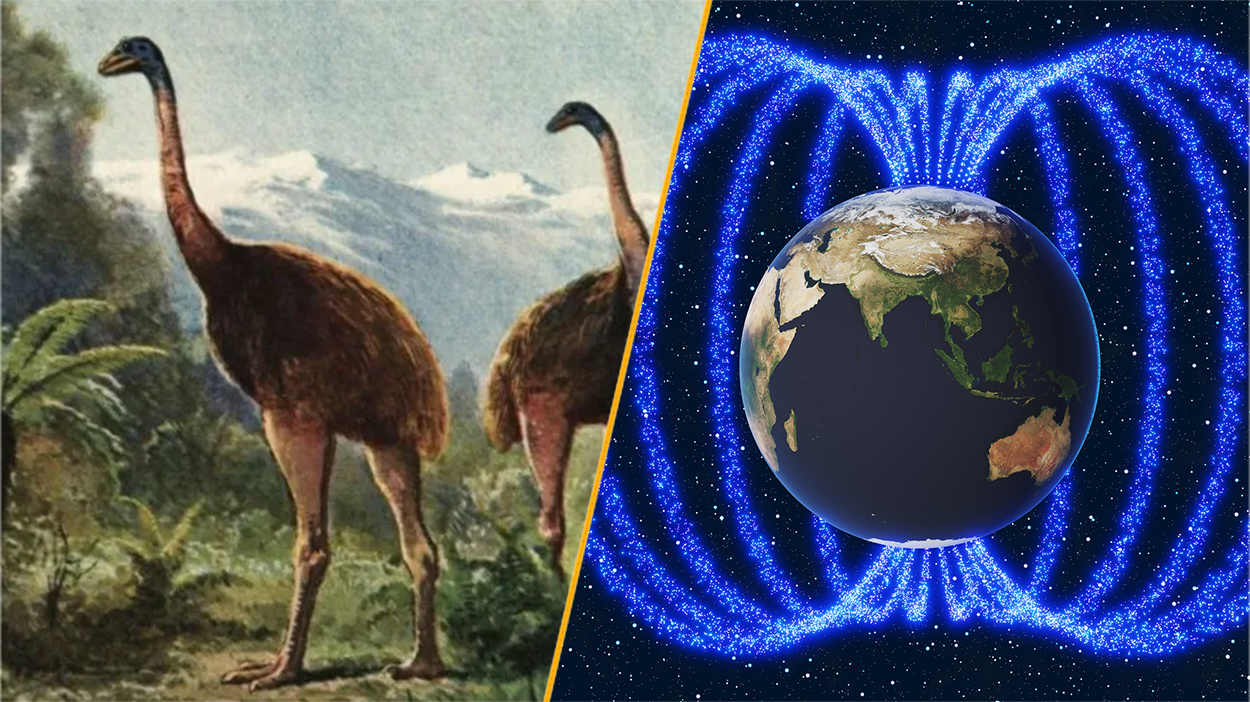
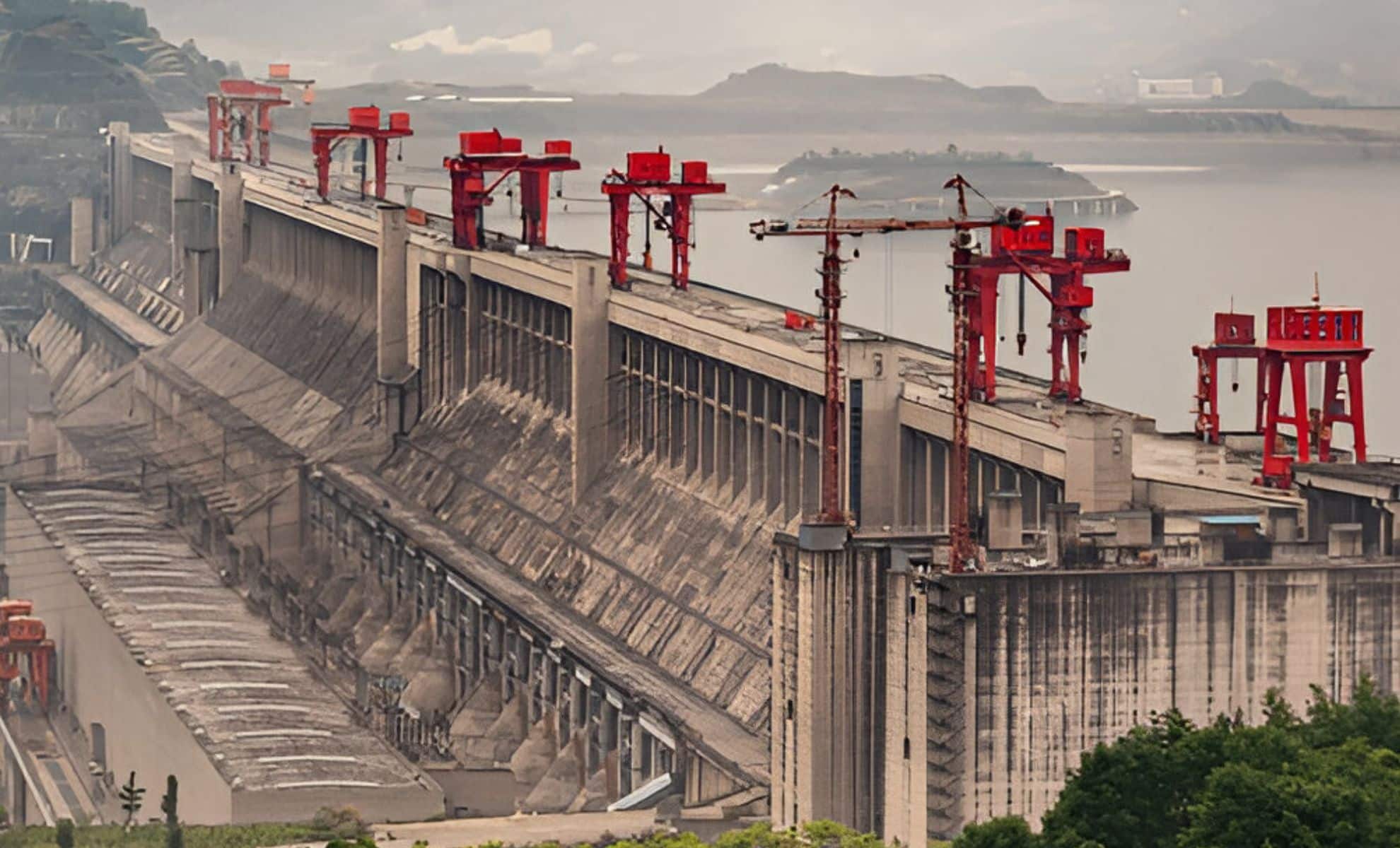
This week in science news, Earth's days are slightly shortening due to lunar gravitational effects, giant moa birds may be resurrected through de-extinction efforts, Earth's poles are shifting because of large dams, and new cosmic structures like the 'Cosmic Owl' have been observed by the James Webb Space Telescope. Additionally, climate-related health issues such as hyponatremia are increasing with global warming.

Melting Ice Sheets Are Slowing Earth's Spin, Extending Days
scienceenvironment1 year ago

Melting Ice Sheets Are Slowing Earth's Spin, Extending Days

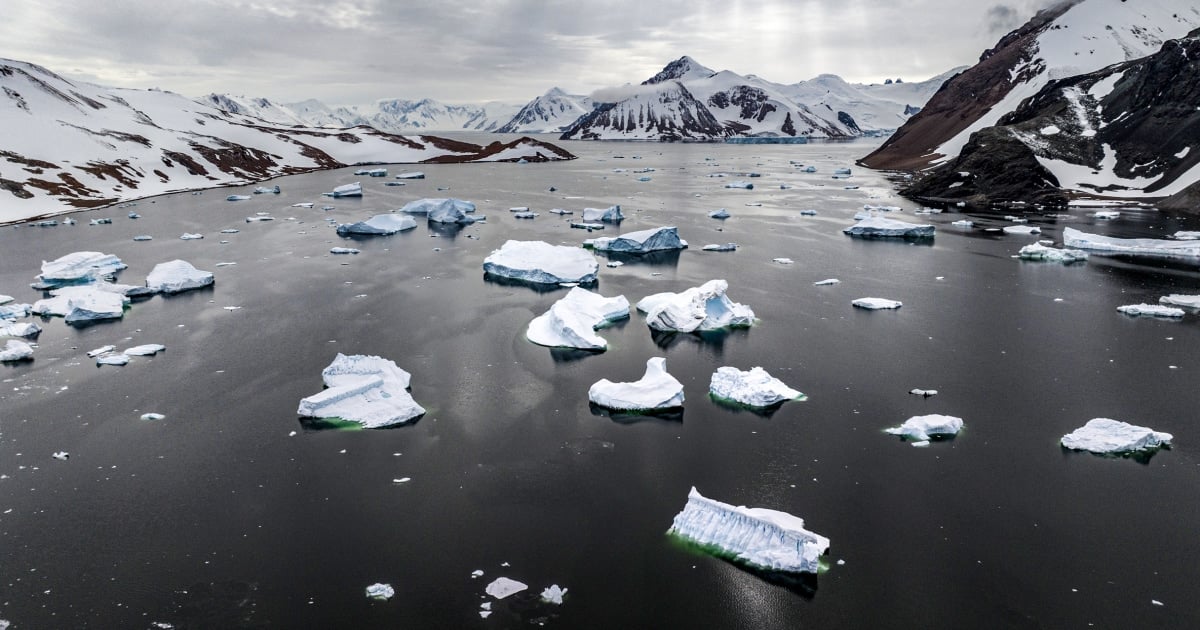
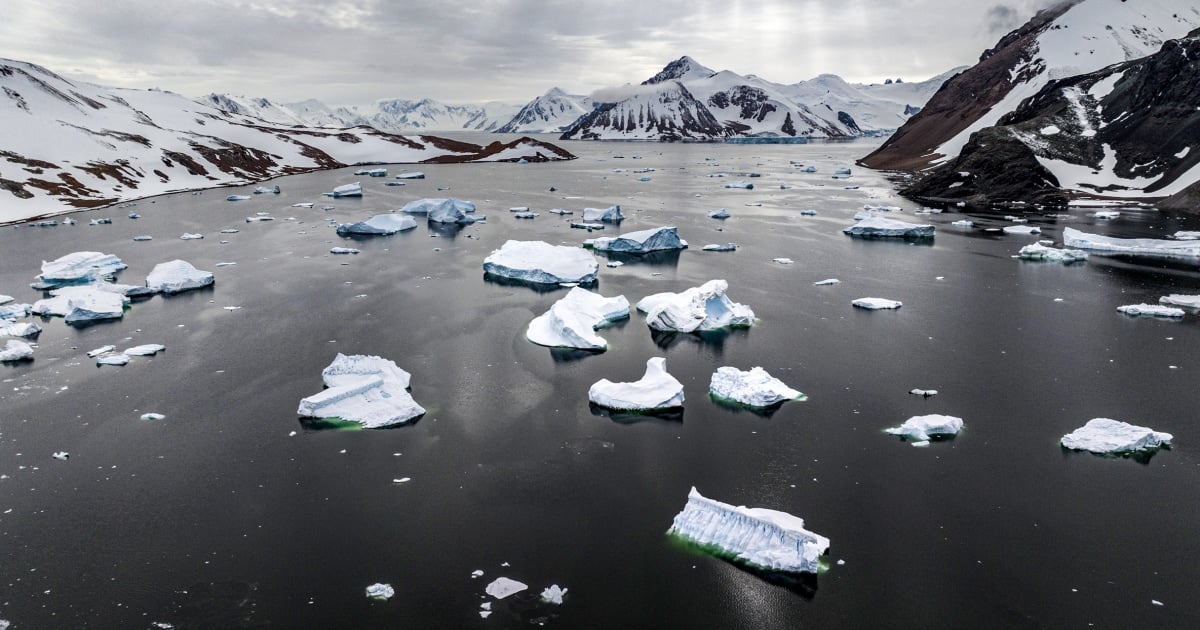
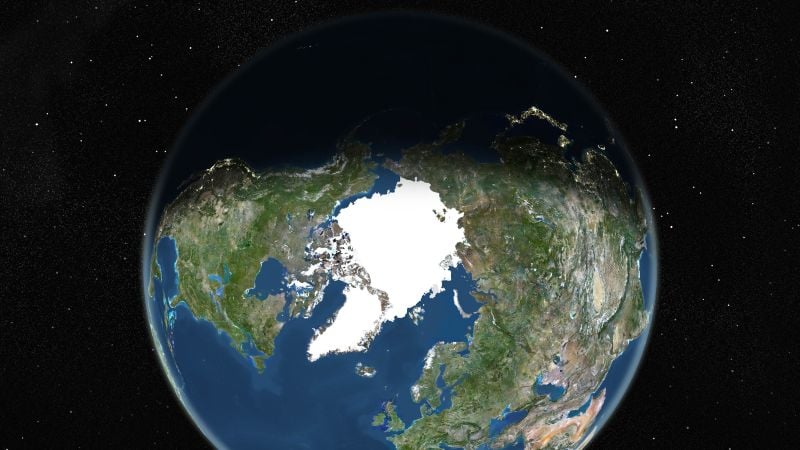
A new study reveals that the melting of polar ice caps is causing Earth to spin more slowly, increasing the length of days at an unprecedented rate. This change, driven by the redistribution of mass from melting ice, could have significant implications for space and Earth navigation, potentially surpassing the deceleration effects caused by the Moon's gravitational pull by the end of the 21st century.

Climate Change Slows Earth's Spin, Lengthens Days
scienceenvironment1 year ago

Climate Change Slows Earth's Spin, Lengthens Days

A new study reveals that human-caused climate change is melting polar ice, altering Earth's rotation, and lengthening days by milliseconds. This change, driven by the redistribution of meltwater from poles to the equator, is expected to accelerate, impacting technologies like GPS. The study highlights the profound influence of climate change on Earth's natural processes, potentially surpassing the moon's effect on day length.

"Global Warming's Impact: Earth's Rotation Slows, Prompting Need for Negative Leap Second"
science-and-environment2 years ago

"Global Warming's Impact: Earth's Rotation Slows, Prompting Need for Negative Leap Second"

Earth's slower rotation due to climate change may necessitate the introduction of a negative leap second, a first in history, to adjust universal time. The need for this adjustment has raised concerns among time meteorologists and experts due to potential complications for computing systems, as existing codes are not equipped to handle a negative leap second. While the exact timing of a negative leap second remains uncertain, it highlights the ongoing impact of climate change on Earth's fundamental processes.

"Climate Change's Impact on Earth's Rotation and Timekeeping"
science-and-environment2 years ago

"Climate Change's Impact on Earth's Rotation and Timekeeping"

Earth's rotation, which has been speeding up due to dynamics in the planet's liquid outer core, is now slowing down due to the impact of global warming on the polar ice caps. This is likely to delay the need for a deleted leap second until 2028 or 2029. The redistribution of mass from the poles to the world's oceans is causing the slowdown, counteracting the previous speed-up. This unprecedented event, caused by changes in the Earth's rotation, could have significant implications for precise timekeeping in today's interconnected world.