Digits as clues: prenatal estrogen linked to brain growth in evolution
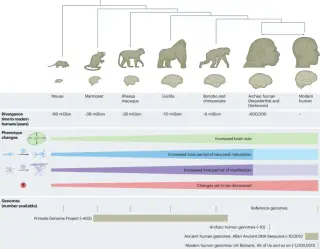
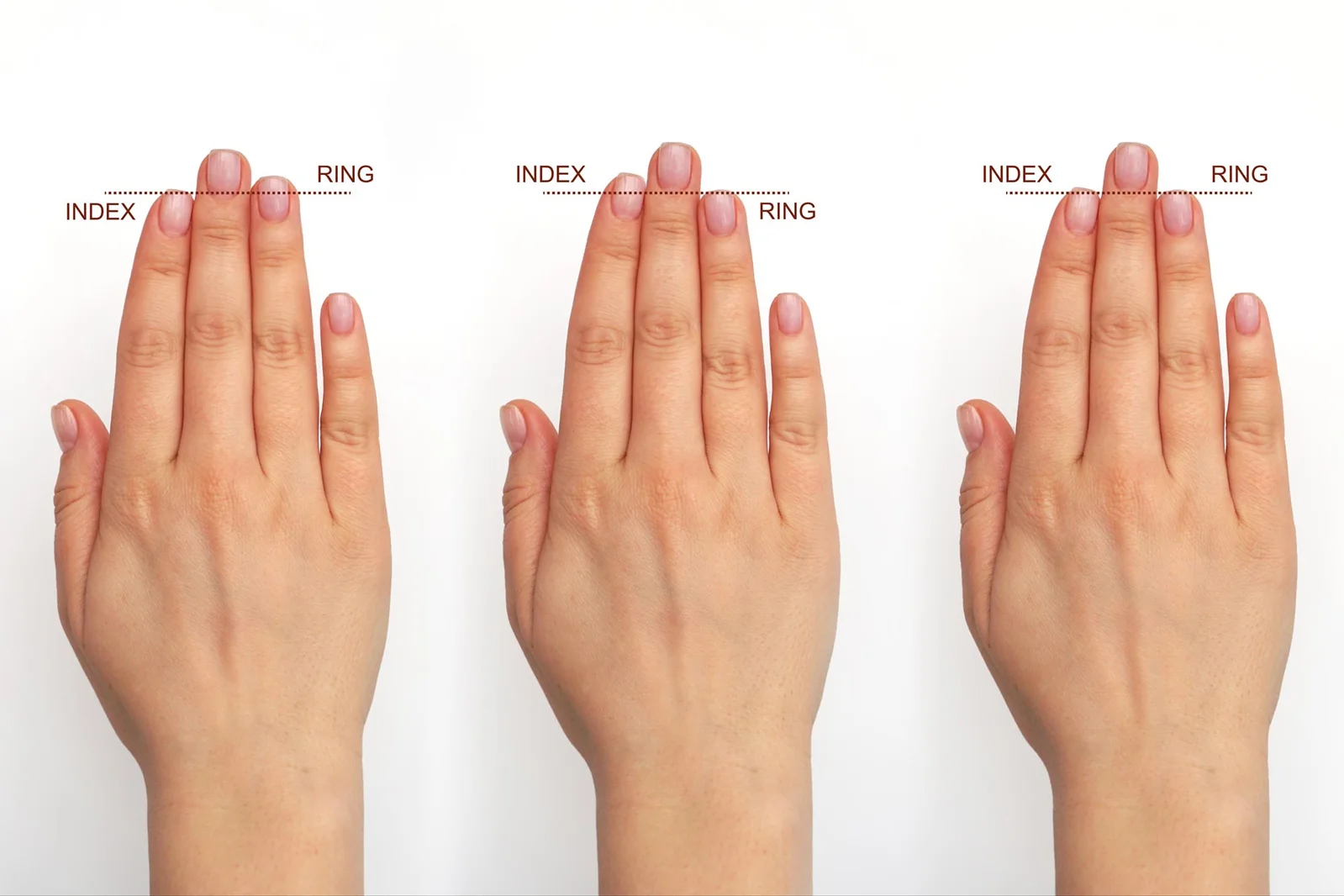
A study of 225 newborns found that in boys, a higher 2D:4D finger-length ratio—an indicator of greater prenatal estrogen exposure—correlated with larger head circumference, suggesting hormones may have aided brain growth during evolution; the pattern was not observed in girls. Researchers caution that digit ratio signals hormonal exposure rather than causation, though it may support the estrogenized ape hypothesis of brain evolution and highlight potential trade-offs for males.