A study of ostrich eggshell engravings from southern Africa finds that 60,000-year-old designs follow recurring geometric rules, suggesting early Homo sapiens had sophisticated visual-spatial planning and abstract thinking.
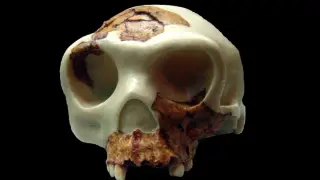
New excavations at Gran Dolina, Spain, uncovered 24 Homo antecessor fossils including adult bones with cut marks, indicating cannibalism was more widespread and not limited to children, offering a broader view of this early European population's demography and behavior.
New clues from tropical rock art, ancient tools, and isotopic data suggest early Homo sapiens may have inhabited tropical rainforests in Africa and beyond far earlier than previously thought, challenging the savanna-origin model and implying multiple populations adapted to diverse ecosystems; ancient DNA and environmental DNA methods could unlock further insights.
A Princeton team led by Joshua Akey used IBDmix to compare modern humans with Neanderthals and Denisovans, revealing three interbreeding pulses roughly 200–250k, 120k, and 50–60k years ago. The finding suggests Neanderthals weren’t simply extinct but were repeatedly absorbed into the human lineage, with about 2.5–3.7% of non-African DNA of Neanderthal origin and bidirectional gene flow between the groups, reshaping the extinction narrative with a long, complex history of contact.
At Lingjing in central China, researchers uncovered deliberately crafted stone cores used to butcher game, showing planning and complex tool design by Homo juluensis. New uranium-thorium dating of calcite crystals inside a deer bone pushes the site's age to about 146,000 years, roughly 20,000 years older than previous estimates. This places sophisticated East Asian technology in a harsh ice-age context and suggests creativity and cognitive planning were already present under severe conditions, challenging the view that such innovation only arose in warmer times.
Scientists studying Bruniquel cave in southwestern France report a calcite-preserved kneeprint deep in the cavern that may belong to a Neanderthal dating to about 175,000 years ago, potentially connected to the cave’s underground circular structures built from broken stalagmites. While an animal origin is unlikely and researchers caution that more knee impressions and possibly preserved biological evidence are needed for confirmation, the find suggests early human groups ventured far underground and used the cave environment in sophisticated ways.
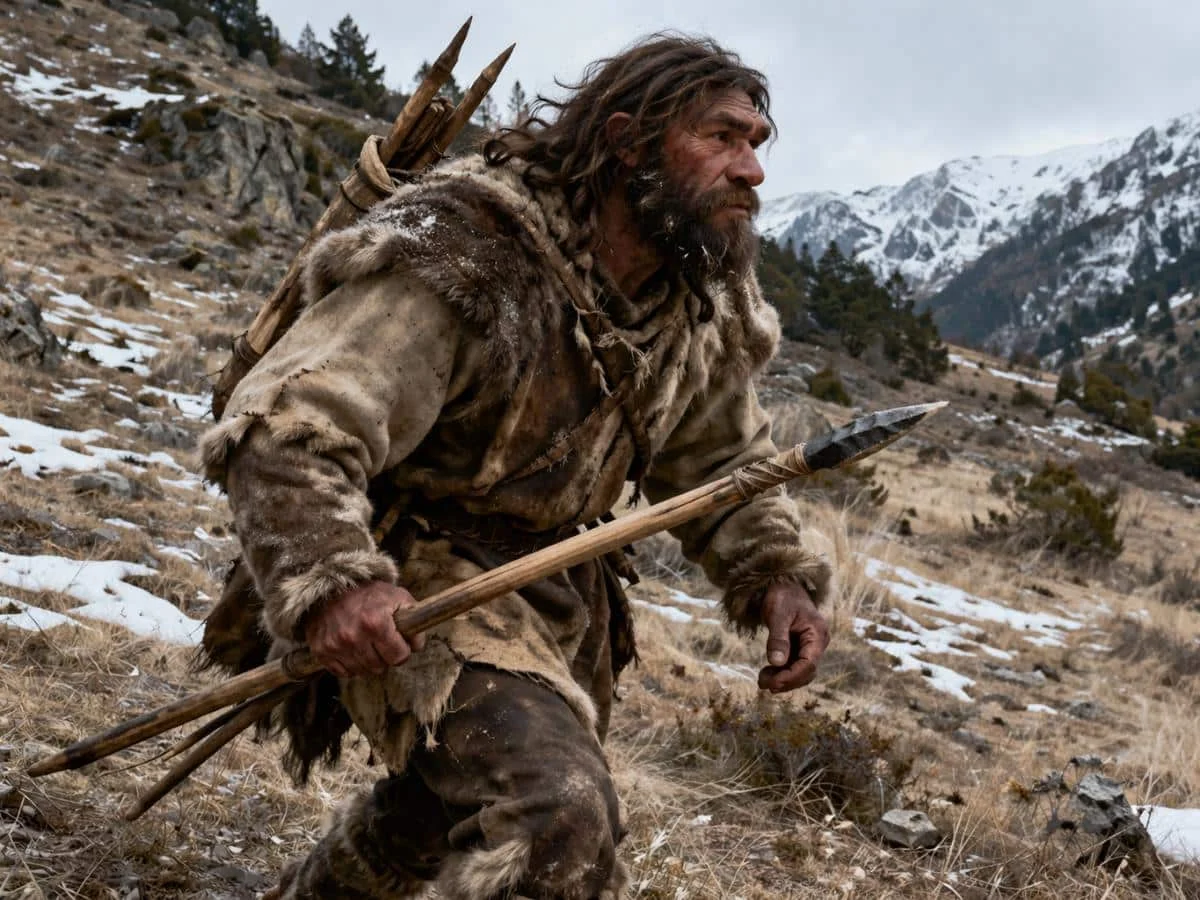
A new study argues that Neanderthal populations across Europe descended from one ancestral group, suggesting limited genetic diversity and a single expansion route across the continent.
A University of Western Australia study used computer-generated male figures varying in height, body shape and penis size; women tended to rate larger penises and more pronounced physiques as more attractive, while men perceived such traits as more threatening, suggesting penis size acts as a status cue in sexual competition with evolutionary underpinnings, across diverse samples in heterosexual cis contexts.
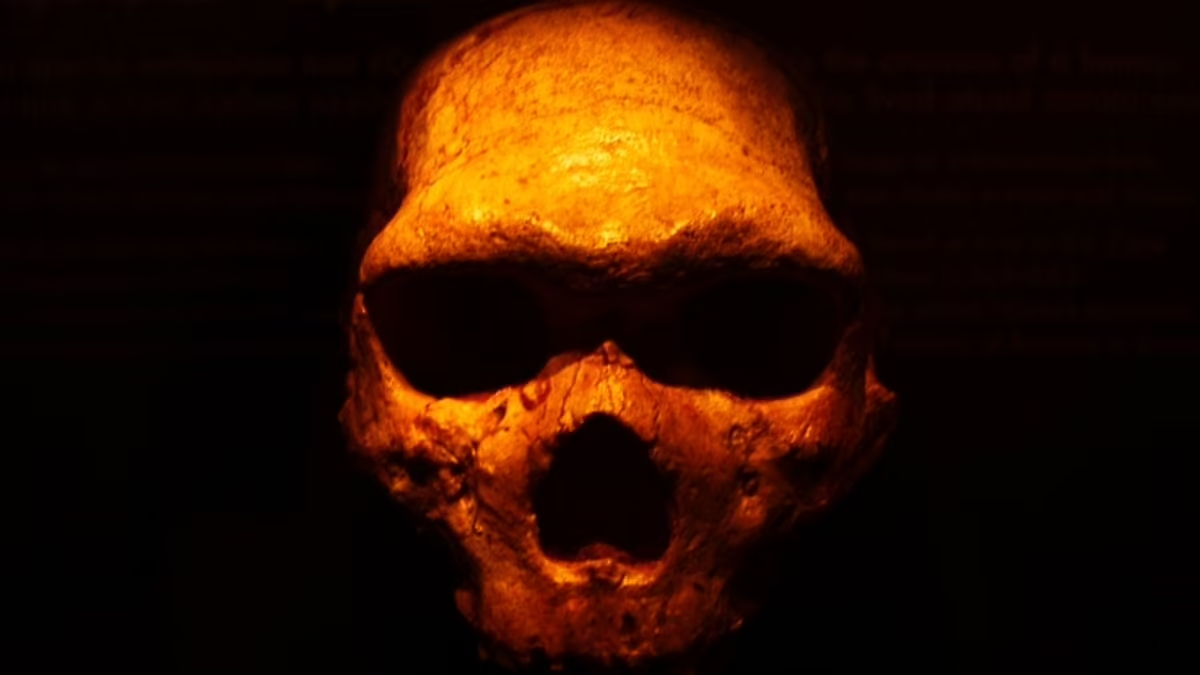
Scientists have identified a potential new species of ancient human, Homo julurensis, characterized by an abnormally large skull, which lived in China between 300,000 and 50,000 years ago. This species, dubbed the 'big head people,' may have had a larger brain than any known hominin, including modern humans. Researchers argue that these fossils, previously grouped with other hominins like Denisovans, display unique features warranting classification as a separate species. The discovery challenges the simplicity of the human evolutionary tree in Asia, suggesting more complex interbreeding and shared ancestry among ancient hominins.
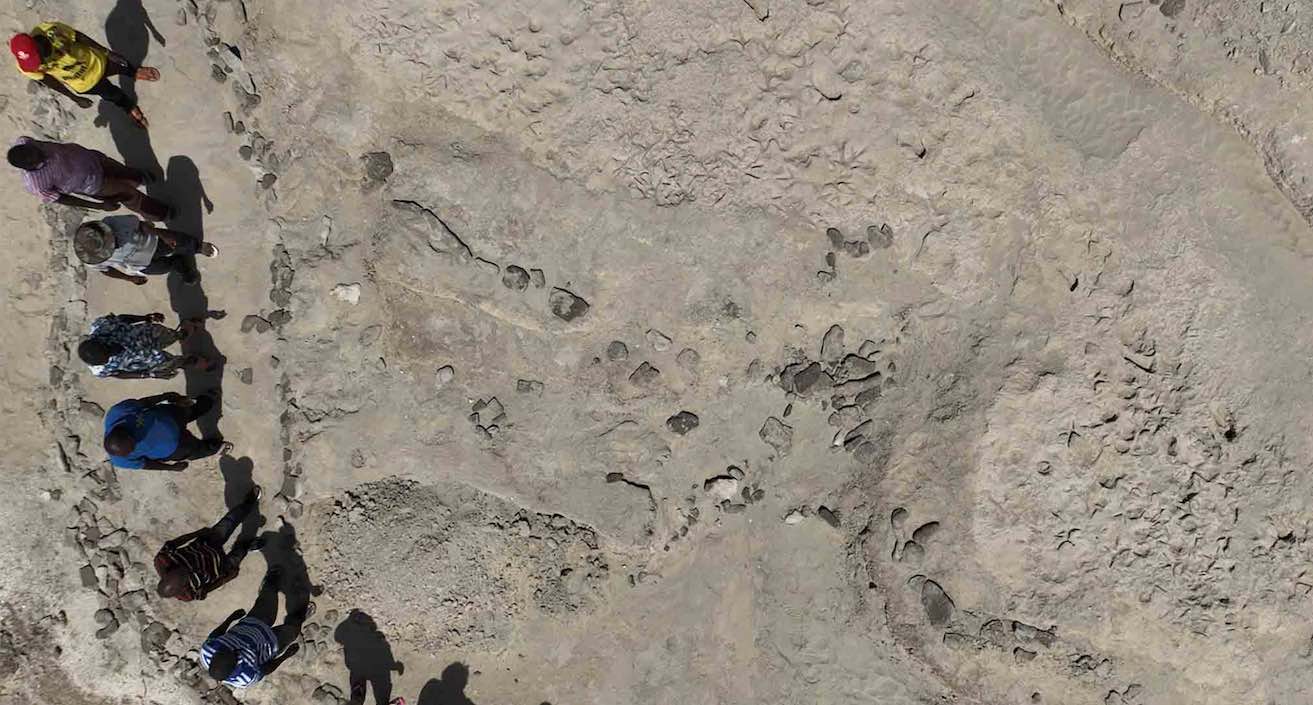
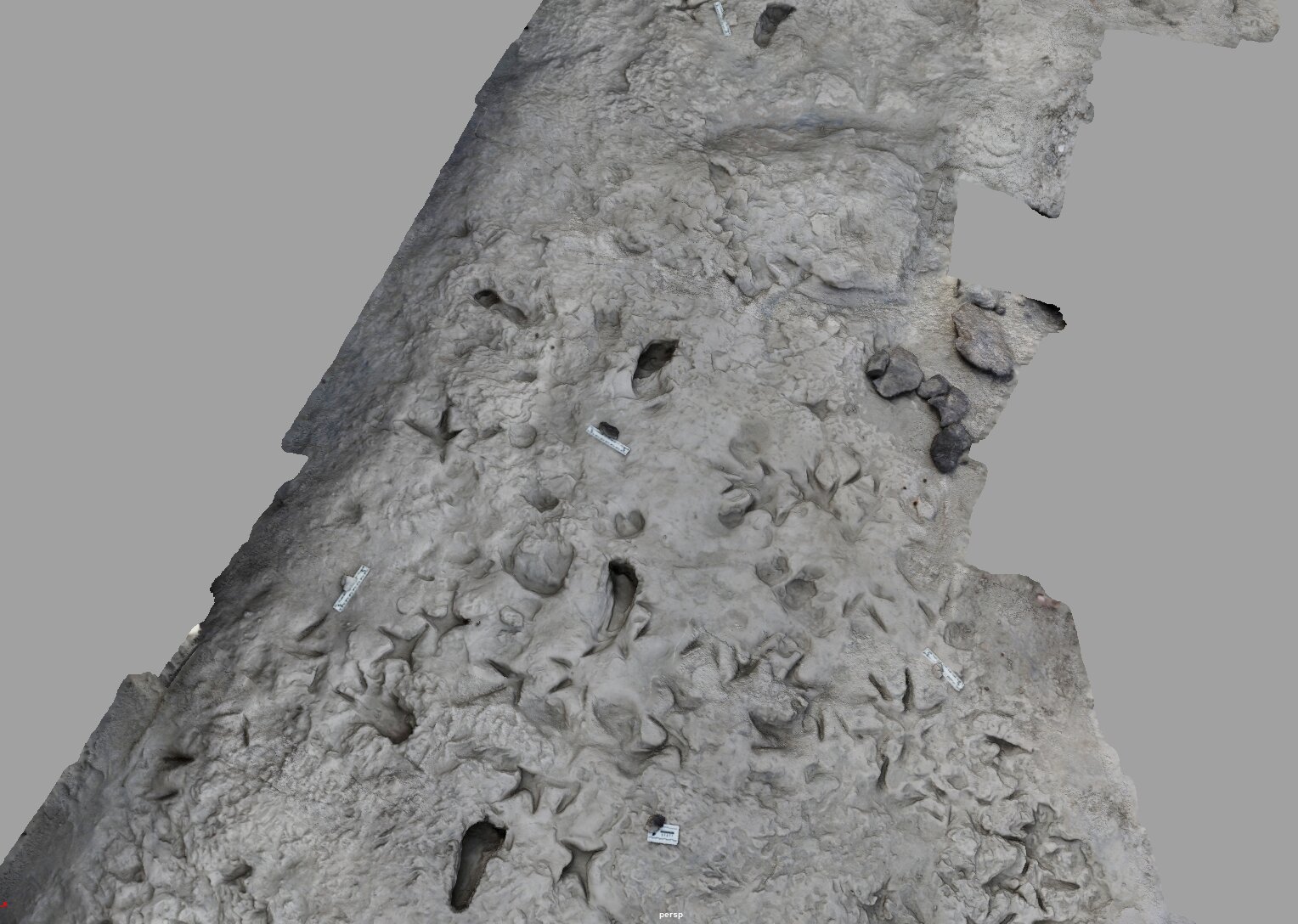
Scientists have discovered 1.5-million-year-old footprints in Kenya, revealing that two different species of human ancestors, Homo erectus and Paranthropus boisei, walked the same path within hours of each other. This finding, published in Science, provides the first evidence of these species coexisting in the same habitat, offering new insights into human evolution and interactions. The study utilized advanced 3D imaging to analyze the footprints, highlighting the significance of trace fossils in understanding ancient human behavior.
Researchers have discovered a new human species, Homo juluensis, in China, dating back 200,000 years. Found at the Xujiayao site, the species is characterized by large skulls and teeth, distinguishing them from Neanderthals and modern humans. Evidence suggests they were skilled hunters, adapting to harsh climates. The study, published in Nature, indicates Homo juluensis may have interbred with other hominins, including Denisovans, and highlights the complexity of human evolution in eastern Asia.
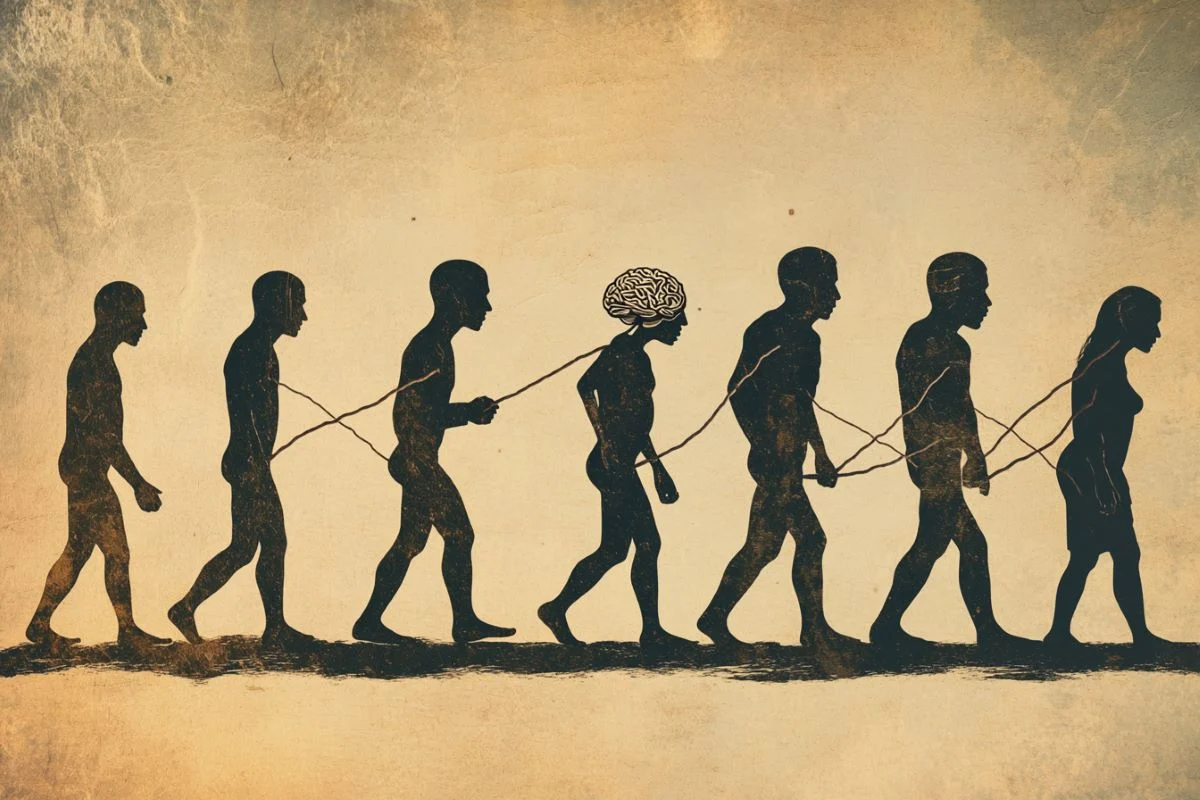
A study using a vast fossil dataset and advanced statistical methods reveals that human brain size evolved gradually within species over 7 million years, rather than through sudden leaps between species. This challenges previous beliefs about brain evolution, highlighting continuous change as the driving force. The research also shows that brain size evolution was influenced by complex factors beyond body size, emphasizing the unique evolutionary pressures on brain growth.
Scientists have discovered 1.5-million-year-old fossil footprints of two different hominin species, Homo erectus and Paranthropus boisei, at the same site near Lake Turkana in Kenya. This finding provides the first evidence of these species coexisting in the same habitat, offering new insights into human evolution and the interactions between different hominin species. The footprints, analyzed using 3D imaging, reveal distinct anatomical and locomotion patterns, enhancing our understanding of ancient human behaviors and environments.
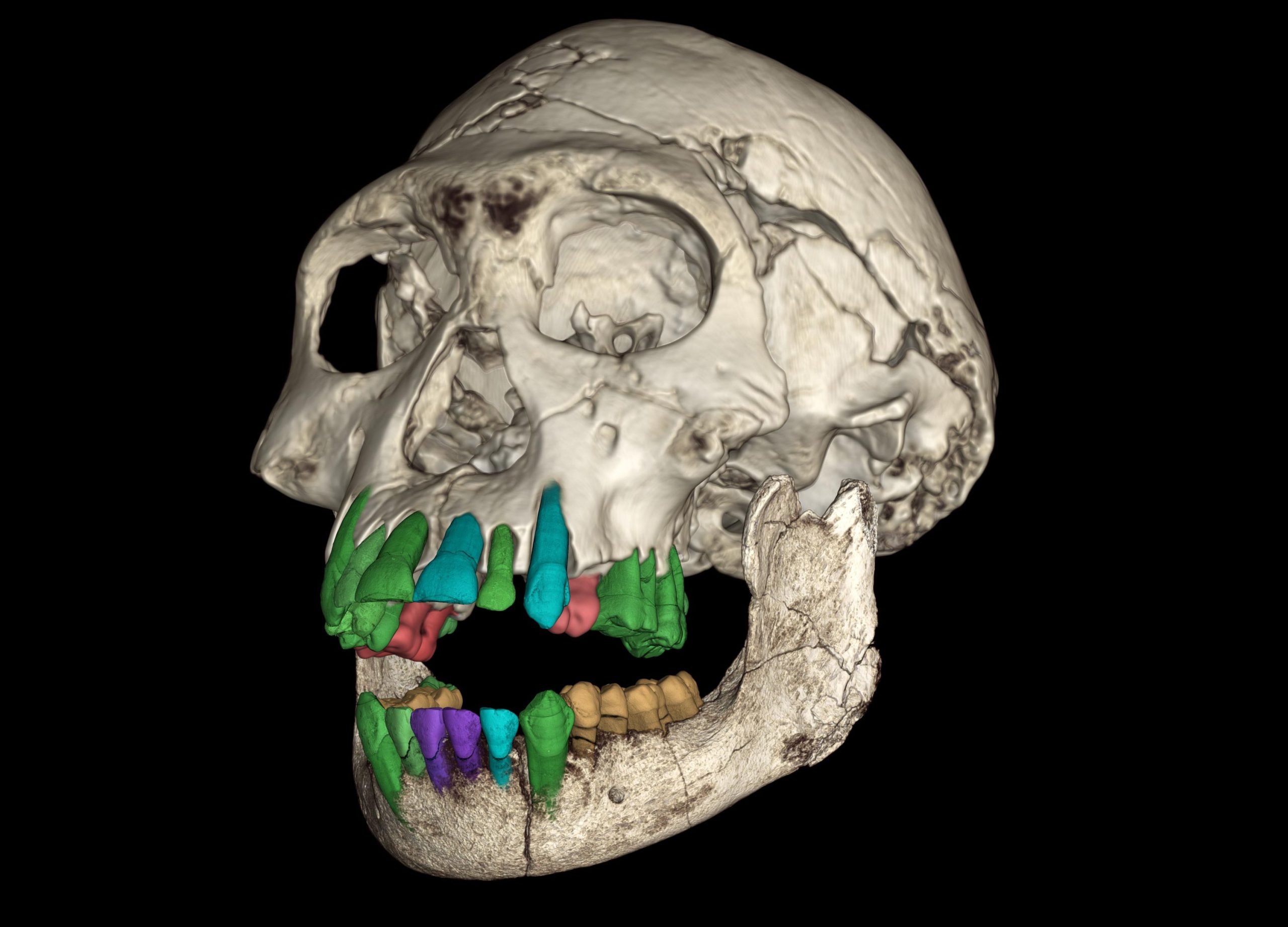
A study of a 1.77-million-year-old Homo fossil from Dmanisi, Georgia, challenges the theory that long childhoods in humans evolved due to large brain sizes. Instead, the research suggests that extended childhoods were crucial for cultural learning and knowledge sharing, which eventually led to larger brains and longer lifespans. The study, using advanced dental imaging, indicates that early Homo species had a prolonged childhood similar to modern humans, despite not having significantly larger brains than great apes. This finding may prompt a reevaluation of human evolutionary theories.
Denisovans were an ancient human species whose DNA has been found in diverse modern populations, particularly in Asia and Oceania. Despite limited fossil evidence, genetic studies reveal that Denisovans interbred with ancestors of modern humans, contributing to the genetic diversity seen today. Their existence highlights the complex history of human evolution and migration.