The U.S. Department of Energy has awarded $500 million in grants to seven companies to expand domestic production of lithium, cobalt, and battery components. This third round of funding aims to reduce reliance on foreign suppliers, particularly China, by building processing and recycling facilities across the country.
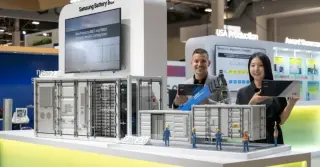
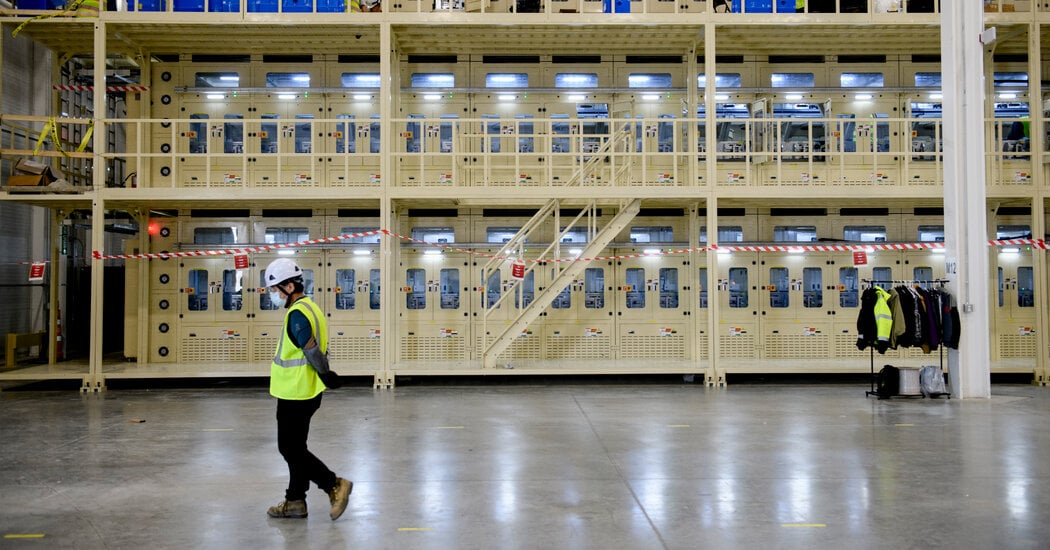
Samsung SDI has acquired General Motors’ 49.99% stake in their joint venture, SynergyCells, taking full control of the $3.5 billion battery plant in New Carlisle, Indiana. The move ends a partnership that began in 2023 and was finalized in 2024, converting the facility into Samsung’s first wholly owned battery factory in North America. Samsung cited slower-than-expected growth in electric vehicle demand as the primary reason for the ownership change. While GM retains a supply agreement and a partnership for next-generation battery development, it is exiting the equity position to reduce financial exposure. Samsung plans to repurpose the plant’s capacity, adding an energy storage system line to cater to grid and data center demand, which currently outpaces EV adoption in the US. The transaction follows the expiration of the $7,500 federal EV tax credit in September 2025, which triggered a significant slowdown in US EV sales and production plans.
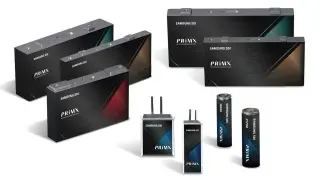
General Motors has sold its 49.99% stake in the SynergyCells joint venture to Samsung SDI, ending their partnership for a $3.5 billion battery plant in Indiana. The facility, originally designed for electric vehicle (EV) batteries, will now focus primarily on energy storage systems (ESS). Samsung SDI becomes the sole owner and operator, marking its first independent battery production base in North America. Despite the split, the two companies agreed to continue co-developing next-generation prismatic batteries for future EV applications.
Ford is repurposing its Kentucky battery plant in Glendale to focus on advanced energy storage systems, leading to the layoff of about 1,600 workers, as the company takes full ownership following a partnership split with SK On. The new energy storage business aims to start with 2,100 employees, and workers may apply for new roles within the company. The move is part of Ford's broader shift towards electric vehicles and energy solutions, including plans to produce a new electric truck in Louisville.
The recent immigration raid on a Georgia EV battery plant owned by Hyundai and LG Energy Solution has heightened risks for the U.S. electric vehicle industry, highlighting labor tensions, safety concerns, and geopolitical issues, amid a backdrop of declining EV sales and policy uncertainties.
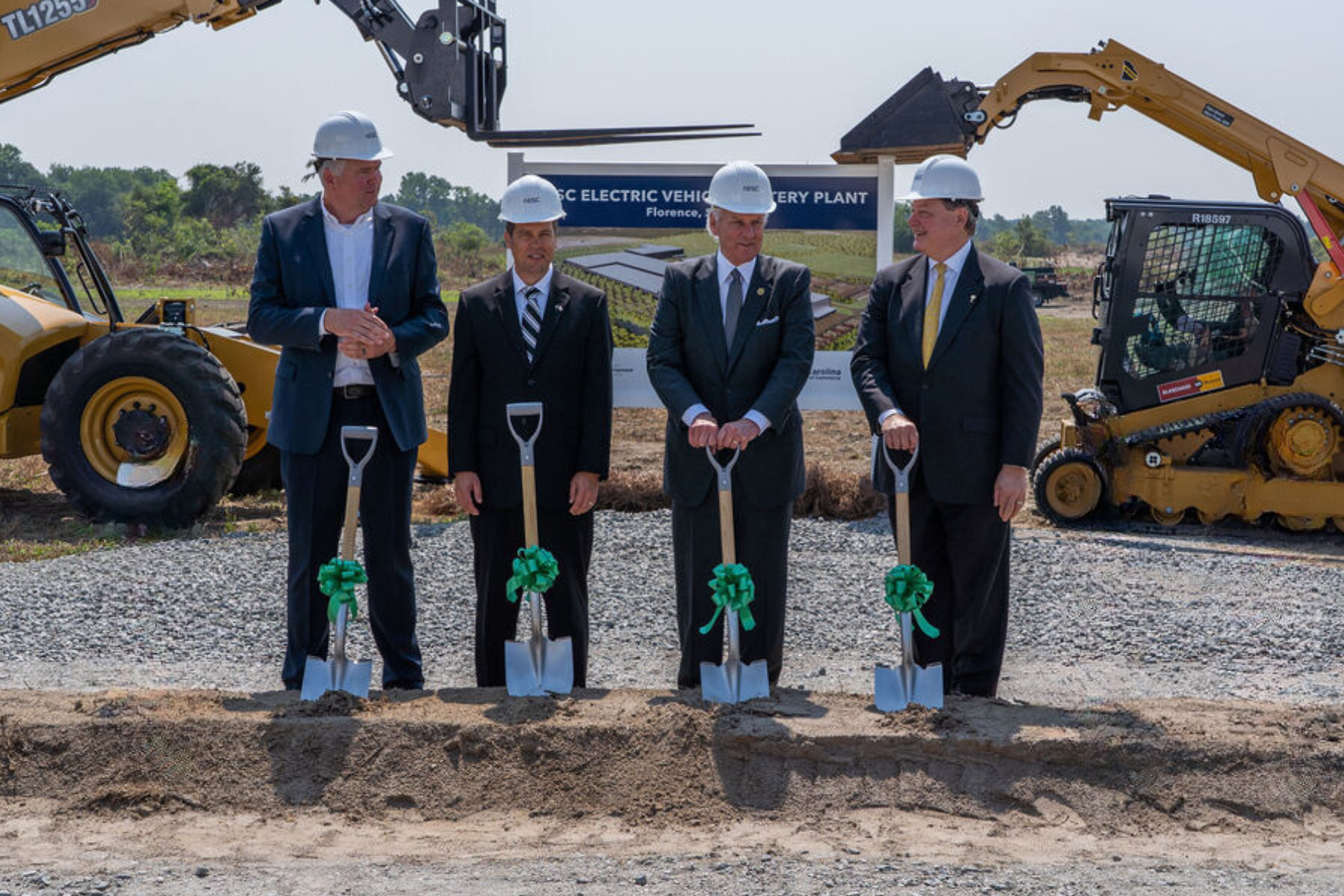
AESC, a Japanese battery maker, has paused construction of its South Carolina plant due to policy and market uncertainties, delaying its commitment to create 1,600 jobs and invest $1.6 billion, amid broader industry challenges and policy debates in the U.S.
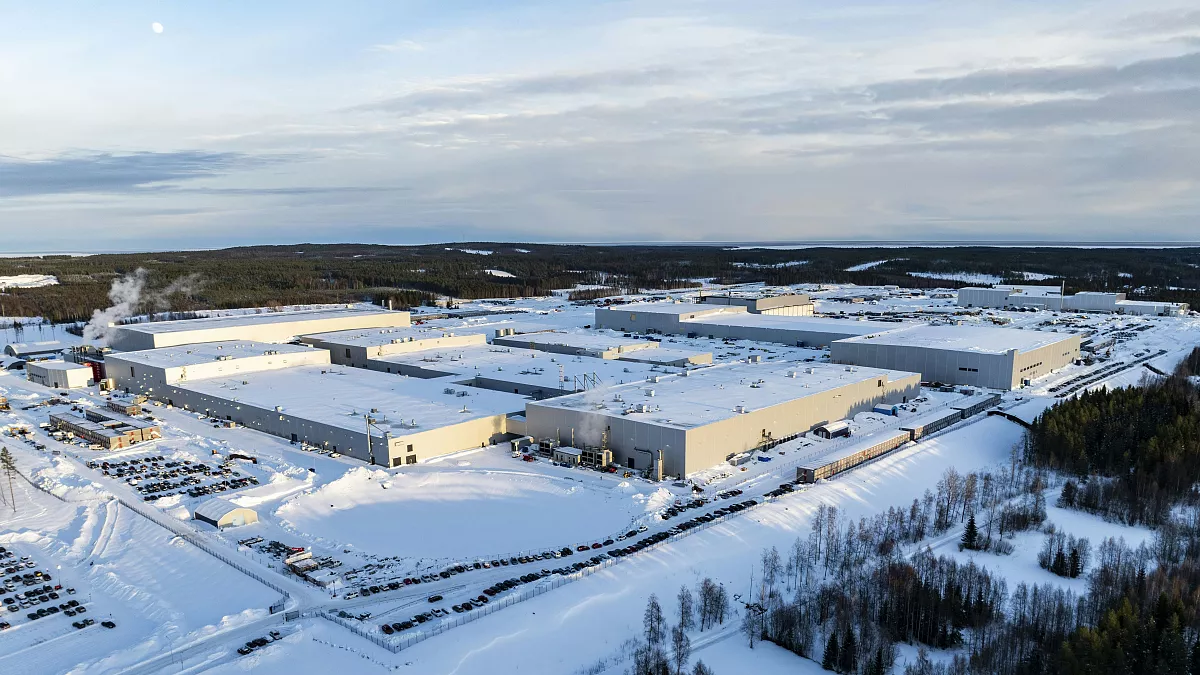
Swedish battery manufacturer Northvolt has filed for Chapter 11 bankruptcy in the US due to mounting debt and insufficient rescue funding, posing a significant setback to the European electric vehicle sector. Despite having only a week's worth of cash reserves, the bankruptcy filing will provide Northvolt with $245 million in new financing to restructure and continue operations. The company aims to maintain its workforce and commitments while building a robust European battery production base. CEO Peter Carlsson will step down following the filing.
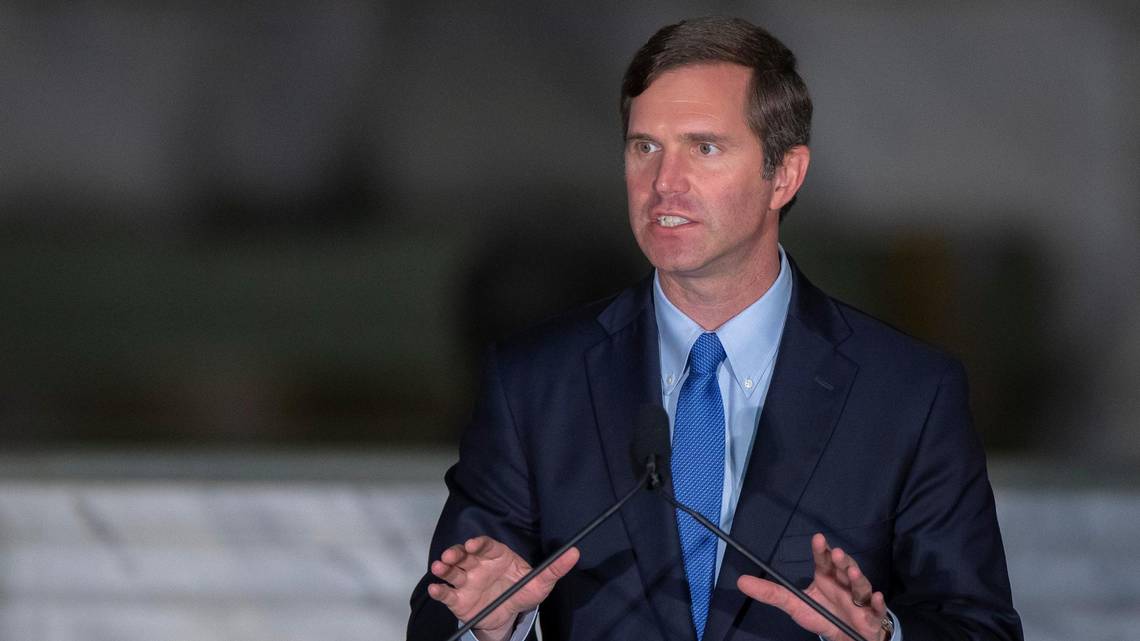
Kentucky Governor Andy Beshear announced a new battery manufacturing plant in Shelbyville, expected to create nearly 1,600 jobs and cost $712 million. The facility, a subsidiary of Canadian Solar, will produce lithium-ion batteries and is set to become the largest employer in Shelby County. This project marks the third-largest jobs announcement during Beshear's tenure, following major investments by Envision AESC and Ford Motor Co. with SK On. The plant aims to enhance Kentucky's role in the electric vehicle and industrial electrification sectors.
Two men are accused of stealing battery manufacturing technology from Tesla and starting a business in China to sell the proprietary information. Klaus Pflugbeil, a Canadian citizen, was arrested on Long Island, while Yilong Shao remains at large. They are charged with conspiracy to transmit trade secrets, which carries up to 10 years in prison if convicted. The technology involves high-speed battery assembly lines owned by Tesla, and the defendants are accused of setting up a company in China and selling products developed with the stolen trade secrets.
Tesla has acquired land in Shanghai for a megapack battery manufacturing plant, with production expected to begin in Q4 2024. The company paid 222.42 million yuan ($31.13 million) for the use rights to a 19.7-hectare plot near its existing plant in Shanghai. Construction is scheduled to start in Q1 2024, and the plant will have the capacity to produce 10,000 megapacks per year. Tesla's gigafactory in Shanghai currently has an annual capacity of 1.1 million units, and the company has expressed its desire to expand its EV capacity in the city, pending regulatory approval.
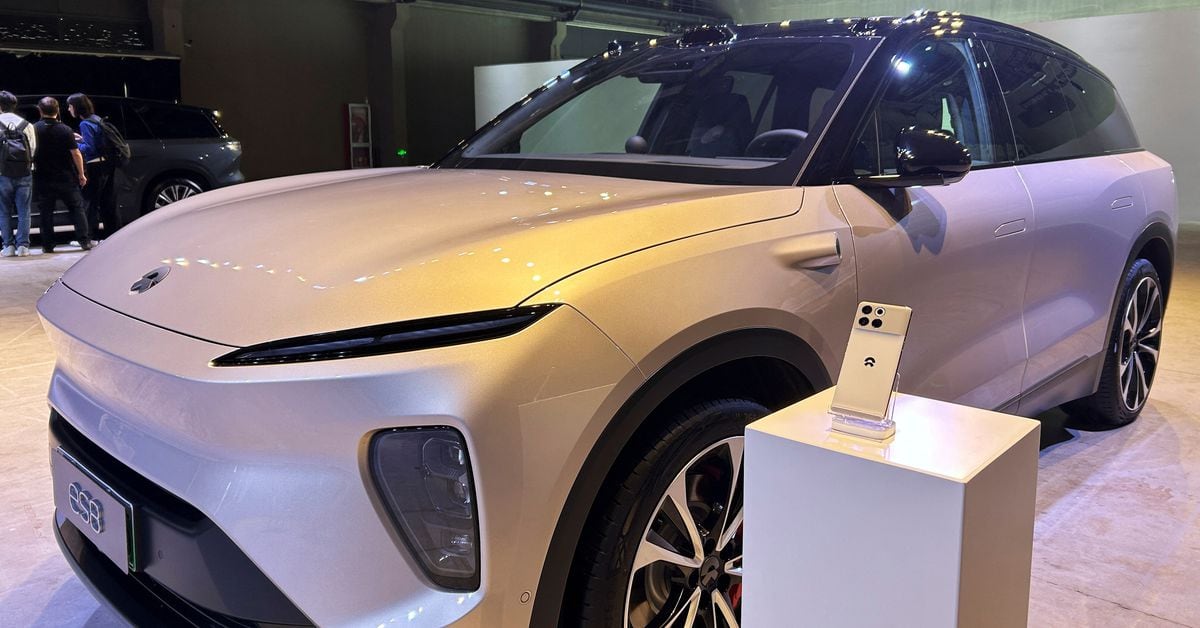
Chinese electric vehicle maker Nio plans to spin off its battery manufacturing unit in an effort to turn profitable, reduce costs, and improve efficiency. The nascent battery unit, led by senior manufacturing engineers with experience at Apple and Panasonic, will seek external investors after the spin-off. Nio currently buys all of its batteries from CATL and CALB Group. The spin-off is part of Nio's strategy to outsource battery manufacturing and focus on in-house research and development. The company aims to mass produce large cylindrical cells similar to Tesla's 4680 in a planned plant in China's Anhui province. Nio reported a third-quarter loss and is working to reassure investors by trimming its workforce and deferring long-term investments.
The Biden-Harris Administration has announced up to $3.5 billion in funding from the Bipartisan Infrastructure Law to strengthen domestic battery manufacturing in the United States. The investment aims to create new and expanded facilities for battery-grade processed critical minerals, battery precursor materials, battery components, and cell and pack manufacturing. The funding supports the administration's goals of reaching a net-zero emissions economy by 2050, increasing electric vehicle sales, and building a domestic supply chain. The initiative prioritizes creating good-paying union jobs and reducing reliance on foreign entities for critical minerals and battery materials. The Department of Energy is administering the funding and is accepting concept papers until January 9, 2024.
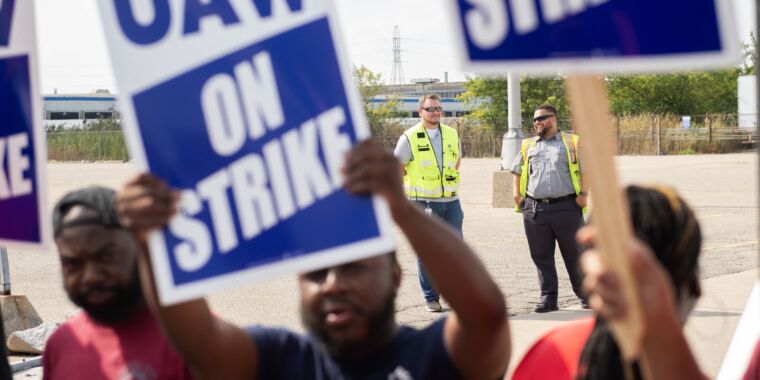
The United Auto Workers (UAW) strike against General Motors (GM) has resulted in a key concession, with GM agreeing to allow workers at its battery manufacturing plants to unionize. The strike, which began after the UAW's previous contract expired, has been successful in pressuring automakers to address worker concerns, including ending the tiered pay structure, restoring defined-benefit pensions, and securing pay raises. The growing electrification of the auto industry has also been a point of contention, as companies build battery factories in states hostile to unionization. Ford has already made an offer to the UAW, and GM's concession suggests progress in resolving the strike.
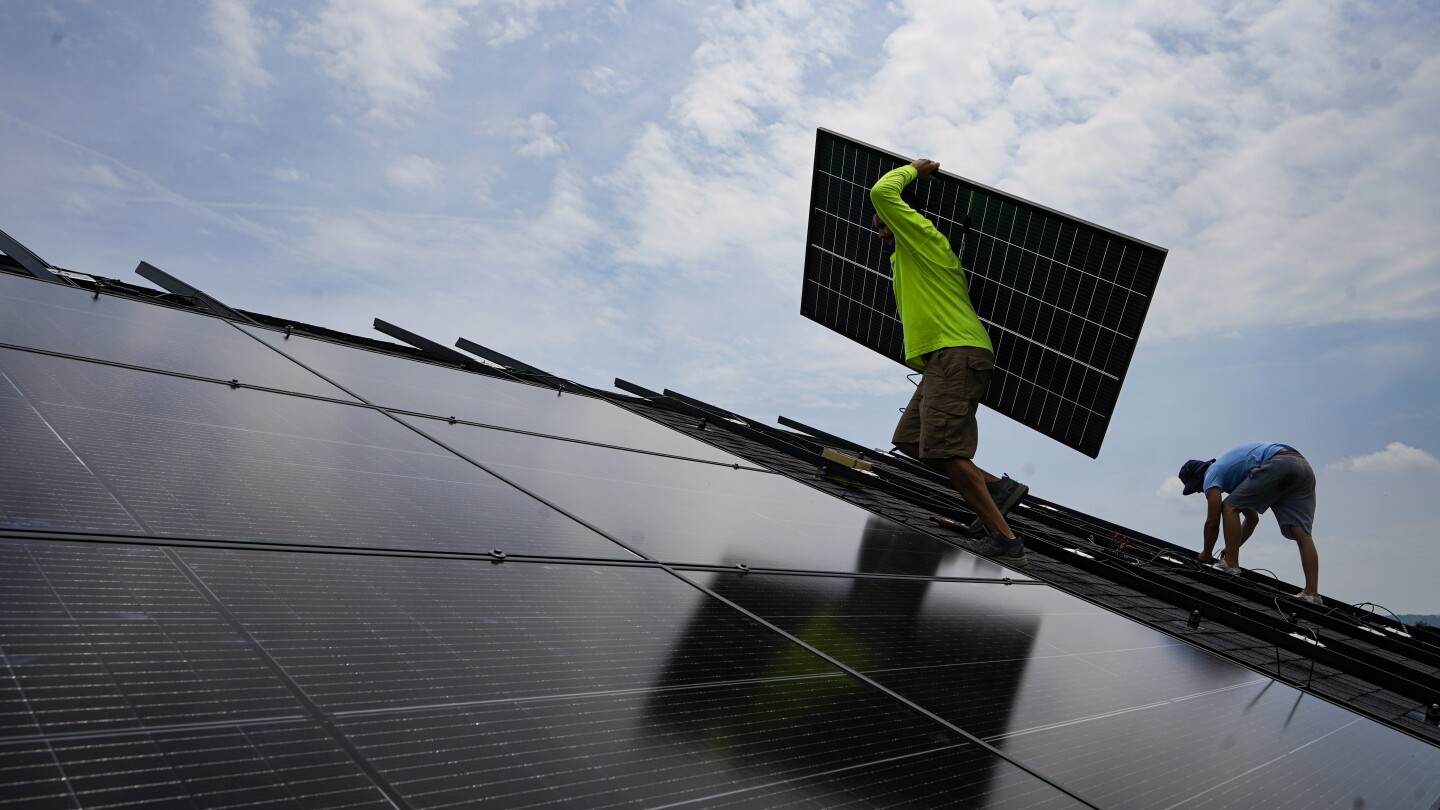
The US climate law, the Inflation Reduction Act (IRA), which turns one year old on August 16, has already accelerated the adoption of clean energy technology. The law offers tax credits for clean energy installations, such as solar panels, leading to increased investment in battery and electric vehicle manufacturing. Nearly 80 major clean energy manufacturing facilities have been announced in less than a year, equivalent to the previous seven years combined. The IRA aims to reduce greenhouse gas emissions, build domestic supply chains, and promote cleaner transportation. It has also boosted the demand for battery storage, potentially putting the storage business on a similar trajectory as solar energy.
Ford and South Korean battery producer SK On have secured a conditional $9.2 billion loan from the US Department of Energy's Loan Program Office to build three battery manufacturing plants in Kentucky and Tennessee. The loan is the largest ever given out by the LPO and will help Ford achieve its goal of producing two million EVs by 2026. The investment will also create 5,000 construction jobs and 7,500 operation jobs, aligning with President Biden's Justice40 Initiative.