Tag

Biosignature

All articles tagged with #biosignature

DMS hints on a distant ocean-world exoplanet spark debate over life signals
space8 hours ago

DMS hints on a distant ocean-world exoplanet spark debate over life signals

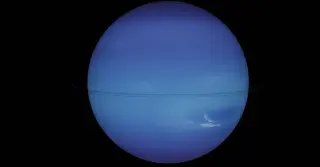
K2-18b, a sub-Neptune about 124 light-years away, is a leading Hycean candidate that could harbor a global ocean beneath a hydrogen-rich atmosphere. Webb observations yielded two tentative signals of dimethyl sulfide, a gas commonly linked to marine life on Earth, but independent analyses question whether DMS was truly detected, leaving the existence of a biosignature on the planet unresolved and highlighting the need for more data and standardized detection criteria.

Ancient Martian mudstones reveal organic carbon, fueling habitability debate
science4 days ago

Ancient Martian mudstones reveal organic carbon, fueling habitability debate

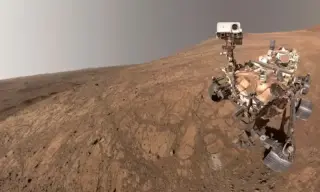
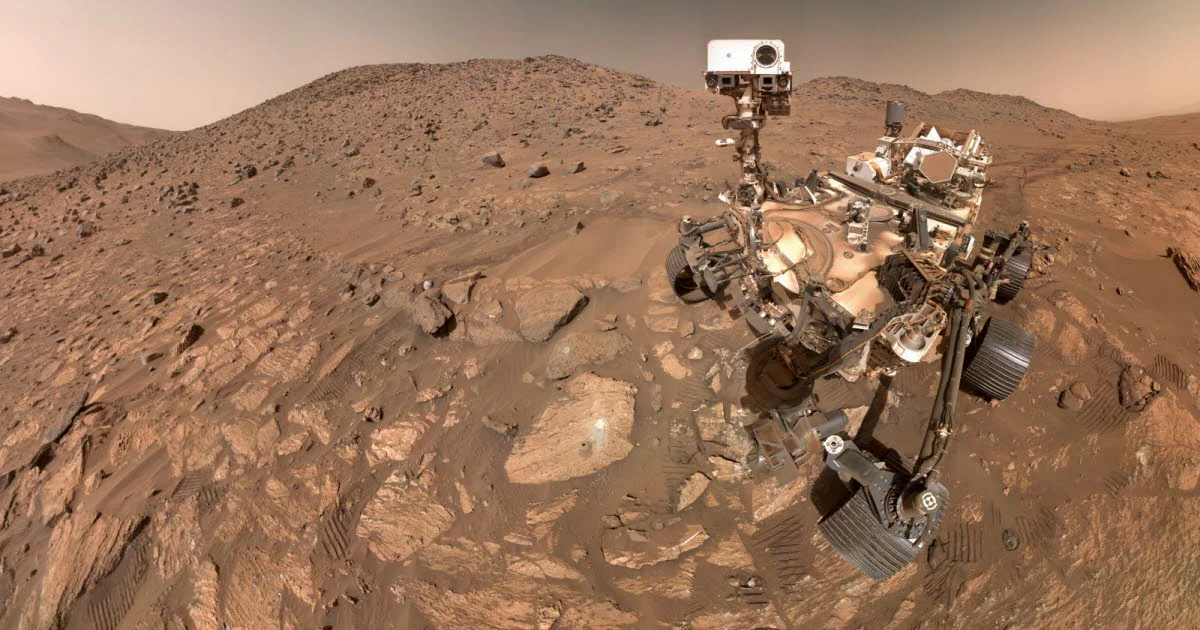
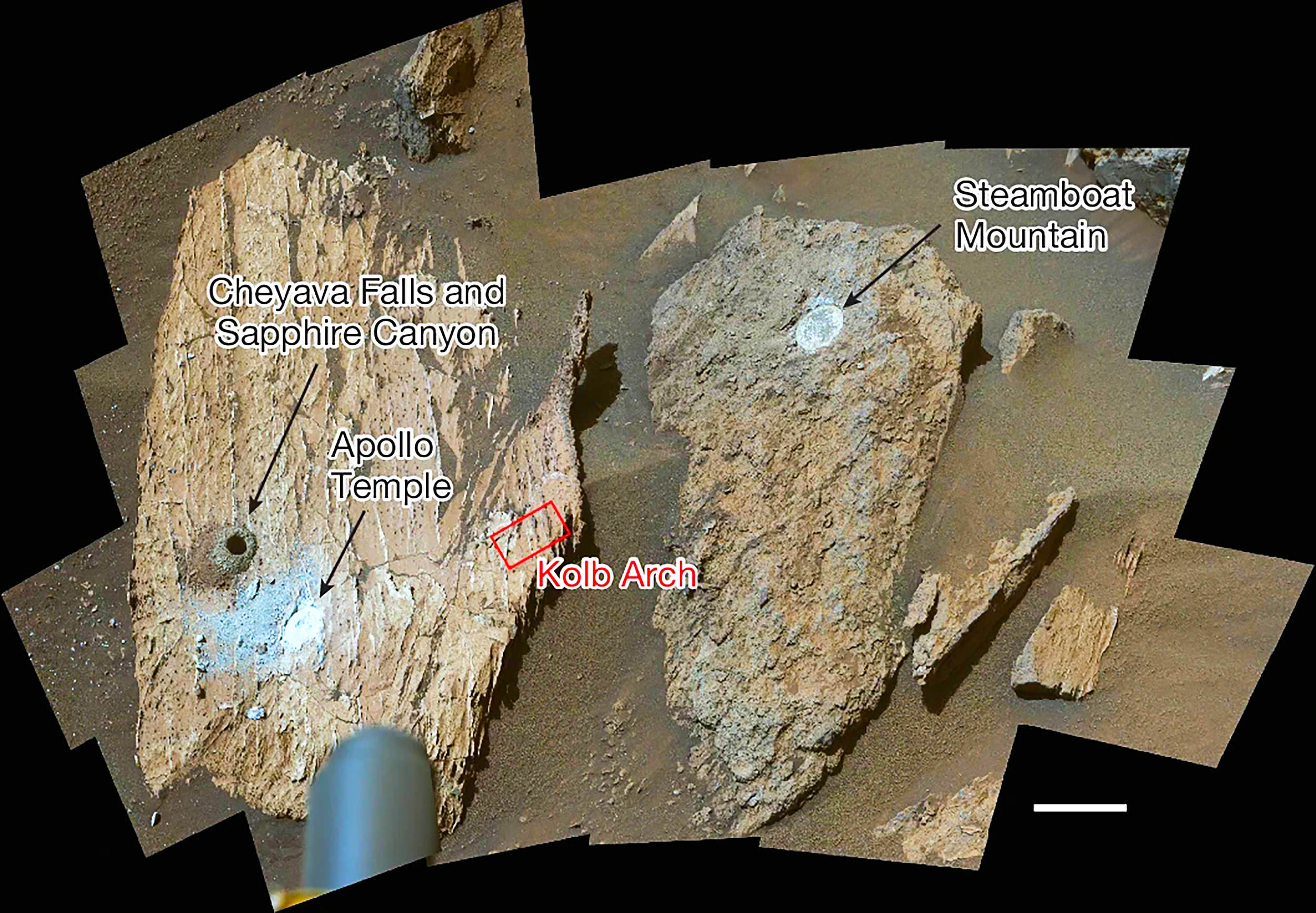
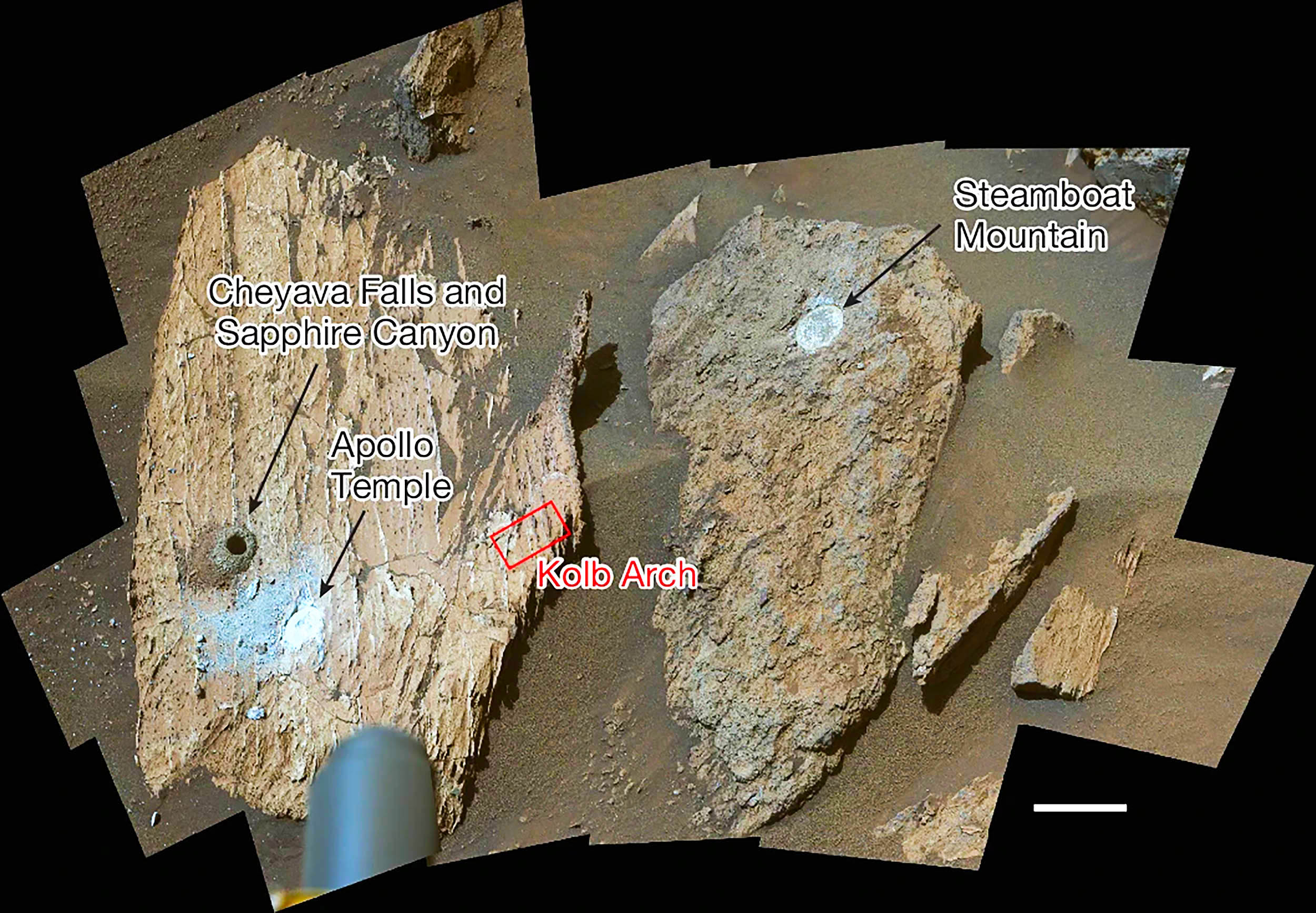
NASA’s Perseverance rover studied mudstones in Jezero Crater and found macromolecular carbon in two rocks, Cheyava Falls and Walhalla Glades. The carbon shows similarities to Earth carbon from both biotic and abiotic processes, offering clues about Mars’ ancient habitability but not proof of life; scientists say sample return to Earth is needed for definitive testing.

Mars sample Sapphire Canyon hints at possible biosignature, not life
space16 days ago

Mars sample Sapphire Canyon hints at possible biosignature, not life

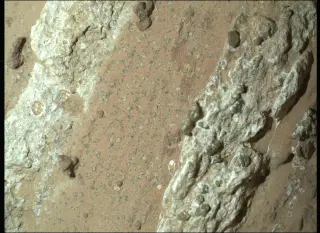
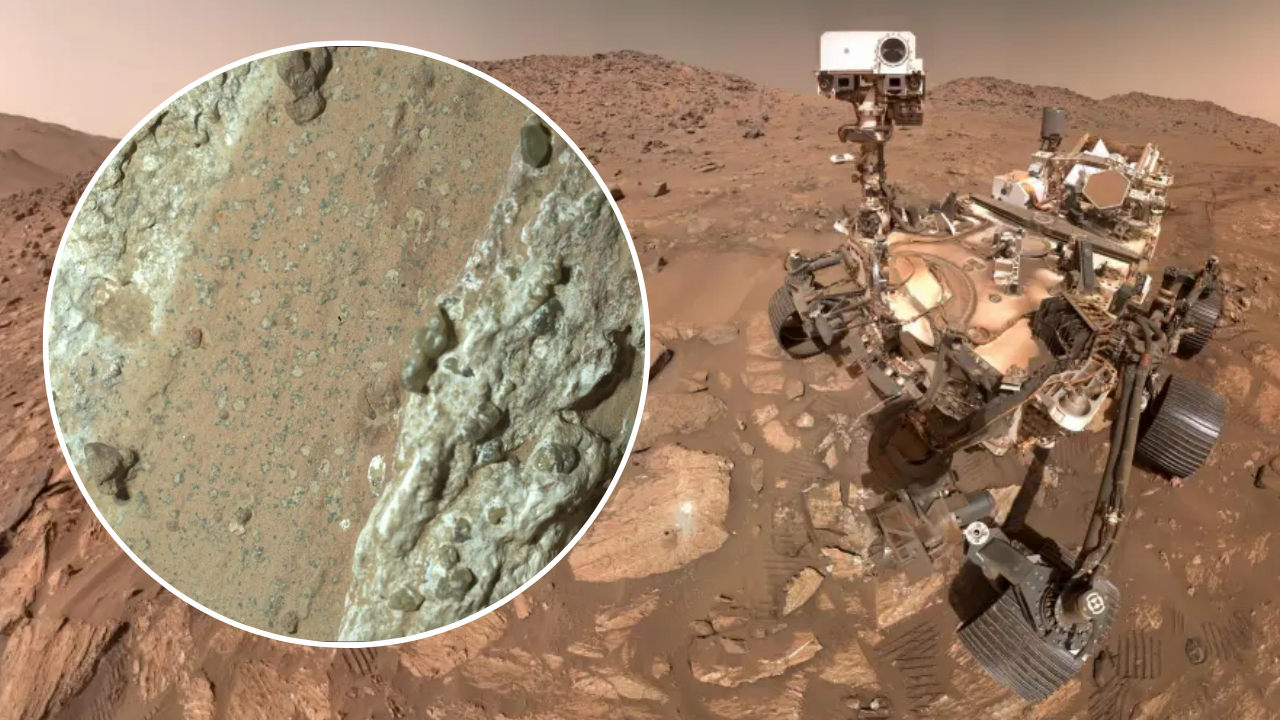
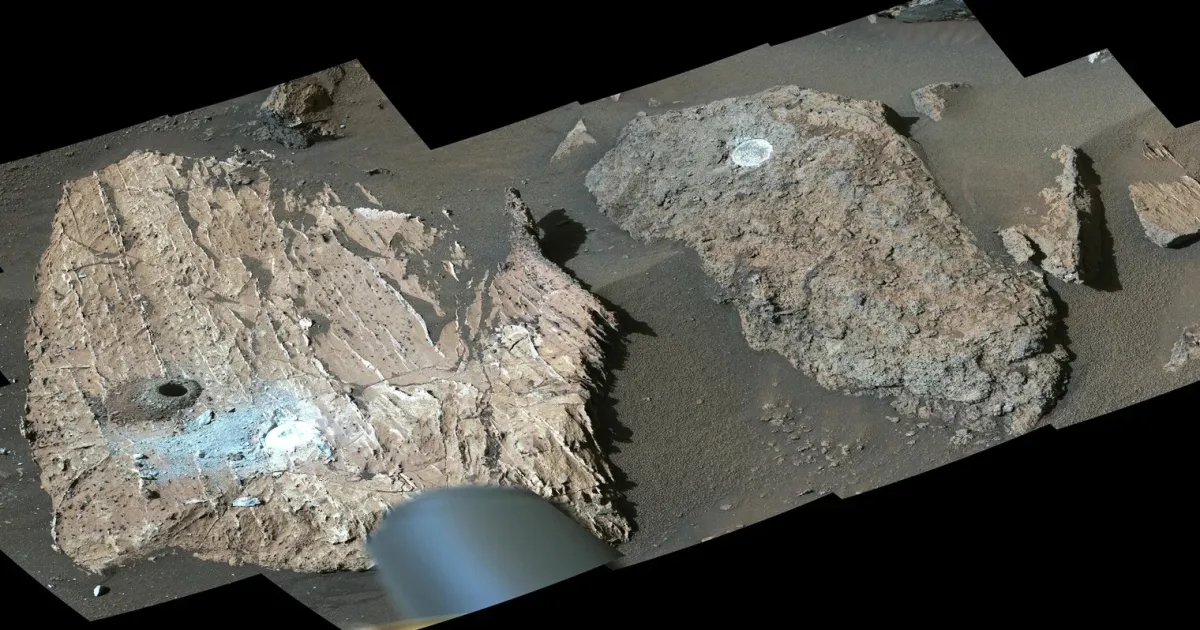
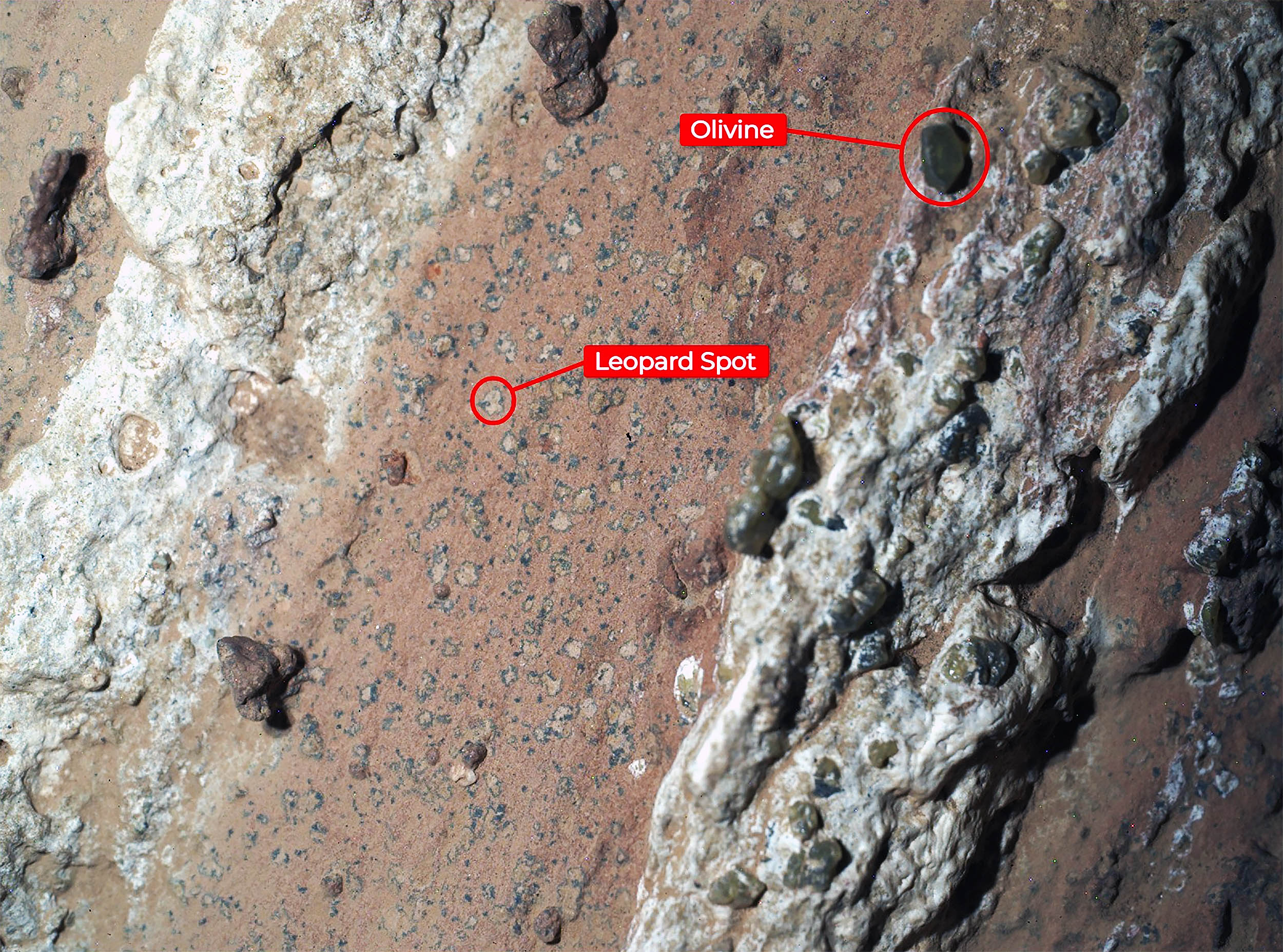
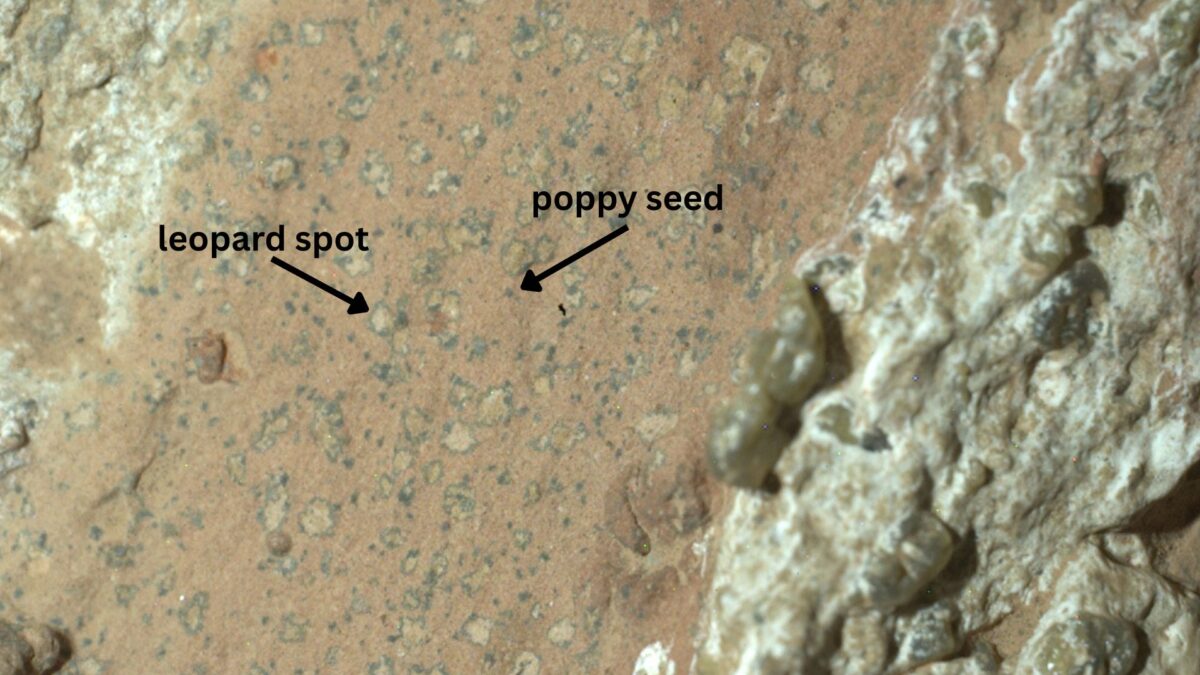
NASA's Perseverance rover found a 1‑meter rock core from Cheyava Falls at Bright Angel in Jezero Crater showing leopard-spot textures and minerals like vivianite and greigite, indicating ancient water and redox chemistry that could feed microbes. While this is among the strongest potential biosignatures yet, it is not proof of life and abiotic explanations cannot be ruled out; further Earth-based analyses on returned samples are needed.

Diversity-based biosignature could separate life from non-life in space data
space17 days ago

Diversity-based biosignature could separate life from non-life in space data

Researchers report a May 2026 Nature Astronomy study from UC Riverside showing living systems produce amino-acids in a more diverse and evenly distributed pattern than non-living chemistry, using an ecology-inspired diversity measure (richness and evenness) tested on about 100 published datasets. The method—reading how evenly molecules are distributed rather than looking for specific molecules—also finds that fatty acids do reverse trends, so the signature isn't universal across molecule classes. Because the metric can run on standard abundance tables, it could be tested with measurements from current space missions, offering a low‑cost biosignature tool, though it remains preliminary: results are based on terrestrial data, not live missions, and real mission data will be needed to validate its usefulness and account for contamination and preservation effects.

Jezero Rock Sparks Cautious Hopes of Ancient Martian Life
science3 months ago

Jezero Rock Sparks Cautious Hopes of Ancient Martian Life

Perseverance detected two minerals, vivianite and greigite, in a Jezero Crater rock, a tantalizing but unproven biosignature that could indicate a past microbial ecosystem; abiotic processes could mimic such signals, so confirmation is essential. A Mars Sample Return would bring rocks to Earth for high-resolution analyses—NASA and partners are pursuing faster, cheaper routes to achieve this within a decade. If confirmed, it would be historic; even a null result would inform the conditions under which life could arise on Mars.

NASA's Perseverance Rover Finds Strongest Evidence Yet of Life on Mars
science6 months ago

NASA's Perseverance Rover Finds Strongest Evidence Yet of Life on Mars

NASA's Perseverance rover analyzed a Martian mudstone core, revealing mineral textures and patterns that resemble microbial activity on Earth, suggesting a potential biosignature. While promising, scientists caution that further tests are needed to confirm whether these signals are biological or abiotic, emphasizing careful scientific validation in the search for life on Mars.

Scientists Discover Strongest Evidence of Potential Life on Mars
science9 months ago

Scientists Discover Strongest Evidence of Potential Life on Mars

NASA's Perseverance rover discovered a potential biosignature on Mars, specifically on a sedimentary rock called Cheyava Falls, which shows features that could indicate past microbial life, though it is not confirmed. This finding is considered one of the strongest pieces of evidence so far, but definitive proof of life on Mars remains elusive, with ongoing studies and sample return missions expected to provide more clarity.

"Exploring Alien Life: The Hunt for Habitable Planets"
astronomy2 years ago

"Exploring Alien Life: The Hunt for Habitable Planets"

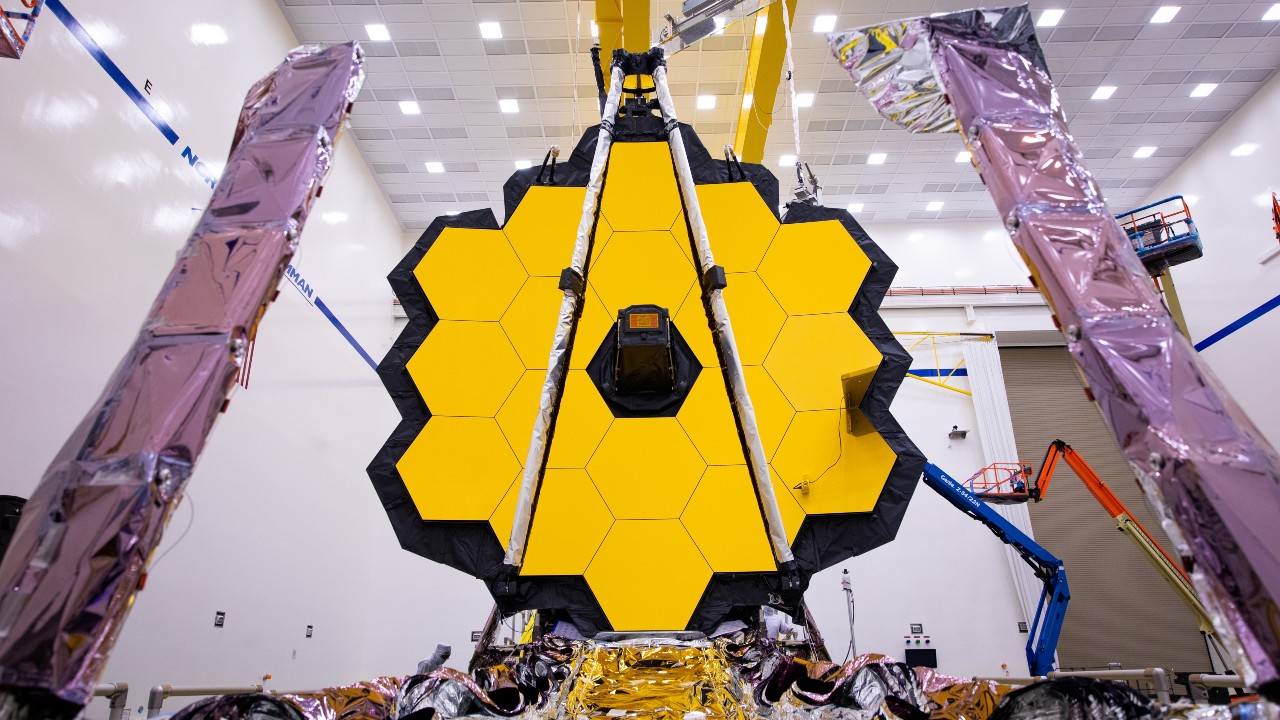
Speculation is swirling about the James Webb Space Telescope potentially detecting signs of biological life on exoplanet K2-18 b, 120 light years away, through the detection of dimethyl sulfide, a potential biosignature. While NASA has not confirmed definitive evidence, experts urge caution and further research before drawing conclusions. The telescope's advanced technology allows it to capture detailed images and study distant objects, fueling the ongoing search for extraterrestrial life.

"Decoding Extraterrestrial Life: Can Perseverance Rover Unveil Martian Secrets?"
space2 years ago

"Decoding Extraterrestrial Life: Can Perseverance Rover Unveil Martian Secrets?"

NASA's Perseverance rover has discovered circular rock structures on Mars that resemble ones formed by microbial communities on Earth, raising the question of whether they could be evidence of life. However, experts caution that it is important to consider geologic explanations first and that extraordinary evidence is needed to claim evidence for life. The debate highlights the need for a clear definition of biosignatures and the exploration of potential abiotic causes. While the images are intriguing, they are not enough to make a compelling case for life, and further analysis is required to determine the true nature of these structures.