Tag

Brain Networks

All articles tagged with #brain networks

Psychedelic Case Hints at Hidden Abilities in Alzheimer's Brain
science25 days ago

Psychedelic Case Hints at Hidden Abilities in Alzheimer's Brain

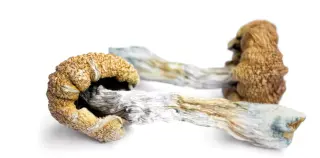
An elderly woman with advanced Alzheimer's showed temporary improvements in speech, independence and orientation after psilocybin mushroom sessions. The report is a single case, with no biomarkers or control group, and does not prove a reversal of the disease or establish safety. It raises questions about whether psychedelics can temporarily modify brain-network communication and uncover latent abilities, underscoring the need for controlled research and caution given potential risks for older adults.

Psychedelic Session Triggers Temporary Speech Revival in Advanced Alzheimer’s Case
science27 days ago

Psychedelic Session Triggers Temporary Speech Revival in Advanced Alzheimer’s Case

An octogenarian with advanced Alzheimer’s showed a temporary return of fluent speech and personal-memory recall about 19 hours after a supervised 5-gram psilocybin dose, with weeks of improved alertness and independence, and a second supervised 3-gram session suggesting further benefit. This is a single uncontrolled case with no biomarkers, so it does not prove efficacy or safety and cannot be generalized; potential mechanisms include 5-HT2A receptor signaling, increased BDNF, dendritic spine growth, and temporary restructuring of brain networks, highlighting the need for controlled trials and caution against unsupervised use.

Brief Glimmer of Function: Psilocybin Sparks Temporary Gains in an Alzheimer’s Case
science29 days ago

Brief Glimmer of Function: Psilocybin Sparks Temporary Gains in an Alzheimer’s Case

A case report describes an elderly Japanese-American woman with advanced Alzheimer’s who ingested psilocybin mushrooms in two supervised sessions and, within hours to weeks, showed improved alertness, memory recall, mobility and independence; however, the observations come from a single patient with no biomarkers, controls, or standardized testing, so they cannot prove that psilocybin reverses Alzheimer’s or guide therapy. The report suggests possible temporary changes in brain networks and neuroplasticity but remains unproven, and safety concerns and the lack of controlled data mean this should not inform self-treatment outside supervised research.

Ozempic May Rewire the Brain, Changing Mood, Motivation and Cravings
science1 month ago

Ozempic May Rewire the Brain, Changing Mood, Motivation and Cravings

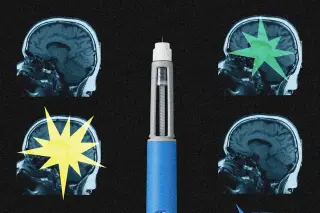
New research suggests GLP-1 drugs like Ozempic—used for obesity and diabetes—may reshape brain networks and influence appetite, mood, cognition and addiction. Early brain scans in teens and young women on GLP-1s showed increased connectivity in the salience network within months, hinting at direct neural effects or indirect changes via gut-brain pathways. Scientists are exploring roles beyond weight loss, including potential impacts on anxiety, compulsive thinking and addiction, while noting that long-term, developmental effects (especially in adolescents) remain unclear. Although some trials hint at neuroprotective signals, a major Alzheimer’s trial with a related drug failed to slow cognitive decline, underscoring that conclusions about brain health from GLP-1s are still uncertain and ongoing.

Brains Build, Not Break: Development Extends into the 30s, Not a 25-Year Cutoff
science5 months ago

Brains Build, Not Break: Development Extends into the 30s, Not a 25-Year Cutoff

New neuroscience shows brain maturation continues into the early 30s as neural networks become more efficient; the classic 'finish at 25' myth arose from earlier gray-matter studies and datasets ending around age 20, but latest research on white matter reveals ongoing segregation and integration until about 32. There is no magic switch at 25—adulthood is a prolonged construction zone, and you can support brain health through aerobic exercise, learning new skills, and cognitively challenging activities while minimizing chronic stress.

Neuroscientists uncover rhythmic pattern guiding brain networks
science8 months ago

Neuroscientists uncover rhythmic pattern guiding brain networks

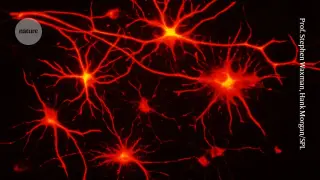
Neuroscientists have discovered a repeating, clock-like rhythm in the brain that organizes large-scale network activity, cycling through different cognitive functions every 300 to 1,000 milliseconds. This structured cycle may help coordinate mental processes such as attention, memory, and sensory processing, and varies with age, genetics, and behavior, offering new insights into brain organization and potential implications for cognitive health and disorders.

Revolutionary Ultrasound Helmet Enables Non-Invasive Deep Brain Stimulation
science-and-technology9 months ago

Revolutionary Ultrasound Helmet Enables Non-Invasive Deep Brain Stimulation

Researchers have developed a novel ultrasound device capable of simultaneously stimulating multiple precise points in the brain non-invasively, using low-intensity ultrasound to reduce risks and enable visualization of brain activity, with potential applications for treating neurological and psychiatric disorders.

"Psilocybin's Lasting Impact on Brain Networks"
neuroscience2 years ago

"Psilocybin's Lasting Impact on Brain Networks"

A study from Washington University School of Medicine reveals that psilocybin, the active compound in magic mushrooms, temporarily disrupts brain networks involved in introspective thinking, with effects lasting for weeks. This increased brain flexibility could aid in treating mental health conditions like depression and PTSD, highlighting the potential for psilocybin-based therapies under medical supervision.