Trump responded on Truth Social to Stephen A. Smith’s taunts by calling him an arrogant fool with low IQ and unqualified to run for office, asserting Smith would be annihilated in a debate and noting memes about Trump dozing at a Knicks game.
Stephen A. Smith clapped back at Donald Trump after Trump mocked him with a high-IQ remark following the Knicks’ Game 3 loss in the NBA Finals, joking about debating Trump, mocking his sleep in MSG’s suite, and telling Trump to stay away from the Knicks for the rest of the series.
A long-term U.S. study using the Wisconsin Longitudinal Study found no association between childhood exposure to community water fluoridation and IQ or cognitive performance from adolescence through age 80, though exposure was estimated by location rather than measured in individuals.
A long-running German study of gifted (IQ 130+) and non-gifted adults shows they largely share the same political views, with one gender-based exception: non-gifted men score higher on conservatism than gifted men, while women show no difference. The results support cognitive-flexibility and centering ideas, suggesting high intelligence does not predict radical politics, though the study’s small sample and Germany-specific context limit generalizability.
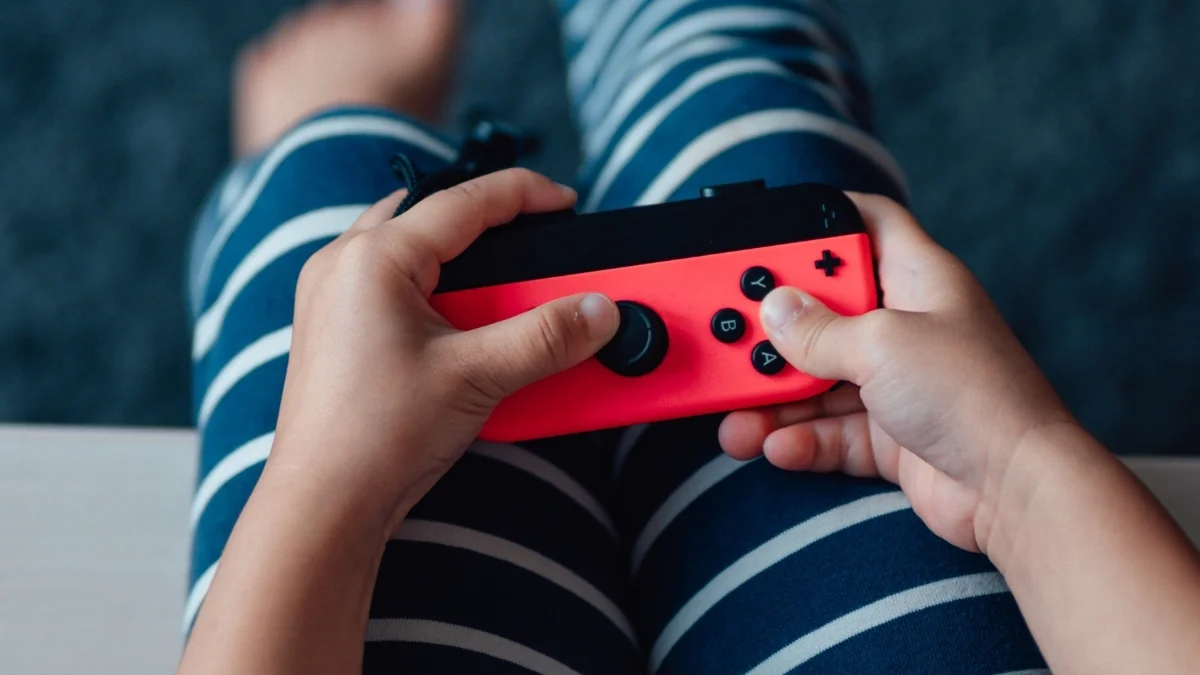
A US ABCD study followed about 9,855 kids aged 9–10, with over 5,000 re-evaluated after two years. Those who spent more time playing video games showed an average IQ increase of roughly 2.5 points beyond the typical rise, even after adjusting for genetics and socioeconomic factors. No significant cognitive effects were found for TV watching or social media. Gains were linked to tasks in reading, visual-spatial processing, memory, flexible thinking, and self-control. The study does not prove causation and did not differentiate game types; more research is needed. Published in Scientific Reports.
Research suggests that music lessons do not directly boost intelligence but instead reveal pre-existing traits like curiosity and discipline; personality and socioeconomic factors largely explain who takes music lessons and their academic success, with music offering benefits in joy, expression, and attention rather than cognitive enhancement.
Certain hobbies such as reading, playing musical instruments, writing, learning languages, strategy games, and coding are linked to higher IQs because they engage and develop various cognitive skills, reflecting higher natural intelligence rather than causing it.
A 2022 study found that children who spend more time playing video games experience a small but notable increase in IQ, challenging the notion that gaming is harmful to young minds. The research, which controlled for genetic and socio-economic factors, suggests that gaming may have positive effects on cognitive abilities, while watching TV and social media showed no significant impact. The findings highlight the complex relationship between screen time and childhood development, emphasizing the need for further research.
Research shows that individuals with higher IQs make more accurate and stable predictions about their lifespan, suggesting that intelligence influences the quality of beliefs about the future and decision-making. The study, involving older adults in England, used genetic data to support a causal link between IQ and prediction accuracy, highlighting the importance of cognitive ability in realistic belief formation and decision outcomes.
Recent studies reveal structural brain differences in individuals with psychopathic traits, a potential evolutionary trait in sharks related to tonic immobility, and a correlation between high IQ and more accurate life predictions, suggesting cognitive and biological factors influence behavior and decision-making.
Joseph Harris-Birtill, at just 2 years and 182 days old, became the youngest-ever member of Mensa, showcasing exceptional intelligence with early reading, multilingual counting, and advanced problem-solving skills, highlighting the importance of tailored support for gifted children.
A study involving nearly 10,000 children in the US suggests that playing video games may boost intelligence, with those spending more time gaming showing an average increase of 2.5 IQ points over two years. The research, which accounted for genetic and socio-economic factors, found no significant cognitive effects from watching TV or using social media. While the study highlights potential cognitive benefits of gaming, it calls for further research to explore other environmental impacts on childhood brain development.
Studies show that the human brain has grown by 6.6% since the 1930s, potentially due to external factors like health, education, and culture, and this growth may reduce the risk of age-related dementia. However, despite larger brain sizes, recent generations, such as Gen Z and Alpha, have shown lower IQ scores, possibly linked to increased phone and internet usage. While larger brain size may not directly correlate with intelligence, it could contribute to better brain health and connectivity. The findings raise questions about cognitive development and the impact of modern technology on IQ levels.
A study from Imperial College London suggests that catching Covid-19 can lead to a decline in intelligence, with severe infections resulting in the most significant reduction in IQ. Even those with mild cases or long Covid experienced cognitive decline. The original Covid strain was associated with a larger drop in IQ, while vaccination appeared to have a protective effect. The study did not directly compare individuals before and after infection, and it remains unclear if the brains of Covid patients will fully recover.
Studies have shown that COVID-19 can have significant impacts on brain health, including cognitive deficits, memory problems, and declines in IQ scores. Even mild cases of COVID-19 can lead to brain-related issues, and the effects are being observed at the population level. The implications of these cognitive impairments, including brain fog, are far-reaching, affecting individuals, educational attainment, economic productivity, and potentially the epidemiology of dementia and Alzheimer's disease. Understanding the long-term effects of COVID-19 on brain health will require extensive research efforts.