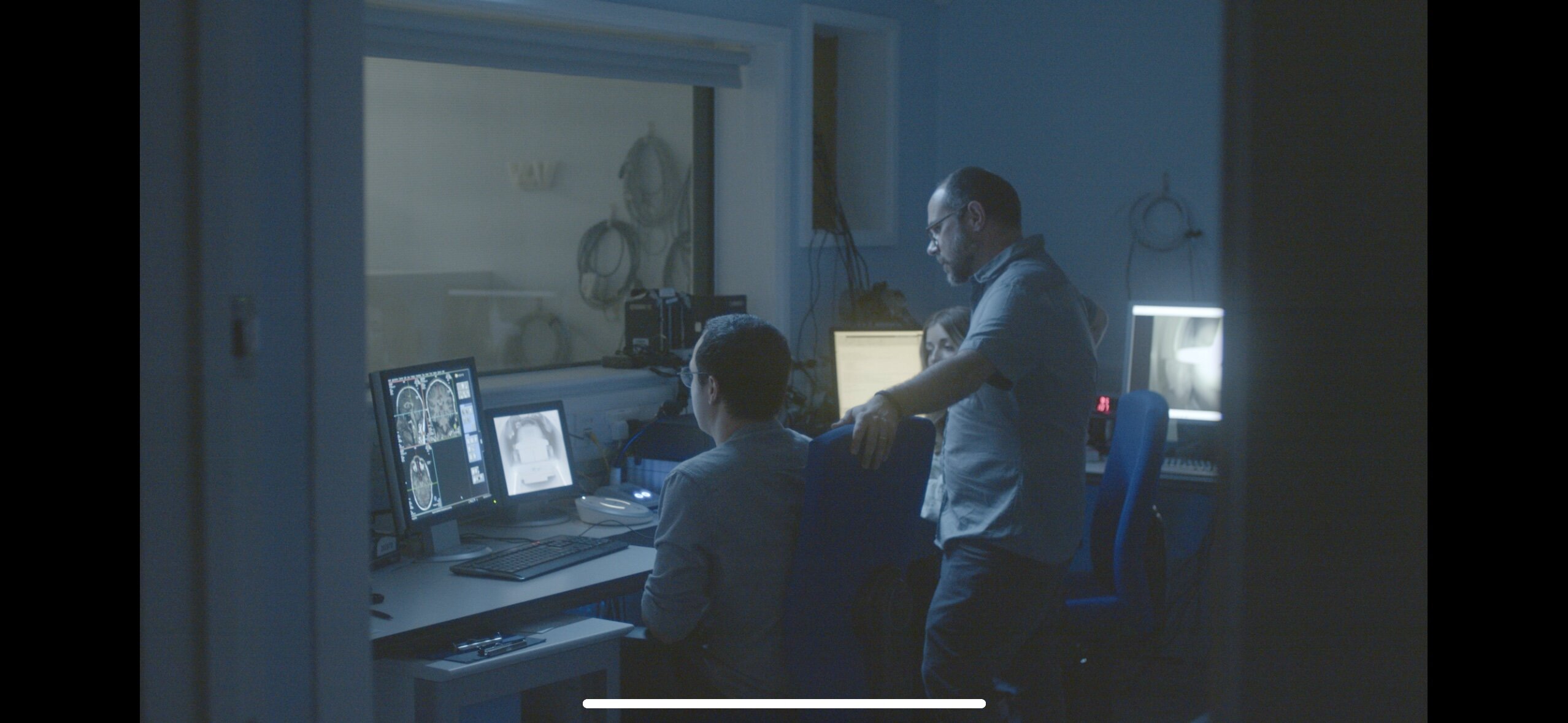
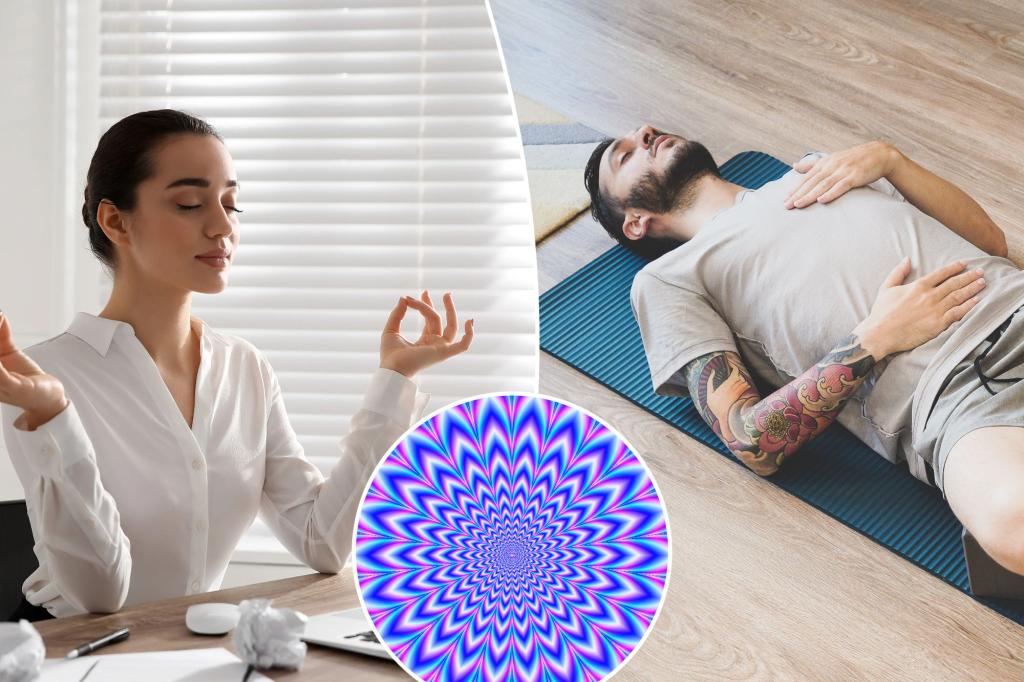
A new study reveals that high-ventilation breathwork causes a significant 45.5% drop in brain blood flow, potentially creating the physiological conditions for altered states of consciousness similar to those induced by psychedelics.
A Neuron study shows that consciously extending the exhale increases heart-rate variability and boosts reward-related brain activity, making people more likely to take risks. Brain regions like the ventromedial prefrontal cortex and precuneus showed greater activation, linking bodily state to decision-making. The findings suggest simple breathing techniques could aid self-regulation and have potential clinical use for anxiety, depression, and eating behavior.
The vagus nerve is a vast brain–body network that helps regulate heart rate, breathing, digestion and inflammation; higher vagal tone is linked to better well-being, while low tone is associated with chronic stress and disease. Implanted or noninvasive vagus nerve stimulation can help certain conditions, but at‑home devices and hype lack robust proof. Realistic ways to improve vagal tone include regular exercise, slow nasal diaphragmatic breathing, mindfulness meditation, and, to a lesser extent, cold exposure—though none replace medical care or a healthy lifestyle.
Breathwork has exploded as a wellness trend, with some techniques easing stress and others promising transformative outcomes. While slower breathing can lower cortisol and rapid methods like Wim Hof may affect CO2/oxygen balance and inflammation, the evidence is mixed and often overstated. Experts warn that many courses charge high fees for claims not yet grounded in solid science, and that breathing is free and best guided by medical advice in risky cases. The takeaway: breathwork can have real effects, but hype should be tempered by evidence and safety considerations.
Six simple, free daily habits—short bursts of vigorous activity, an earlier bedtime routine, balance training, adding fibre-rich foods, finishing showers with 30 seconds of cold water, and breathwork—can significantly improve mood, sleep quality, and overall health without the cost of wellness retreats.
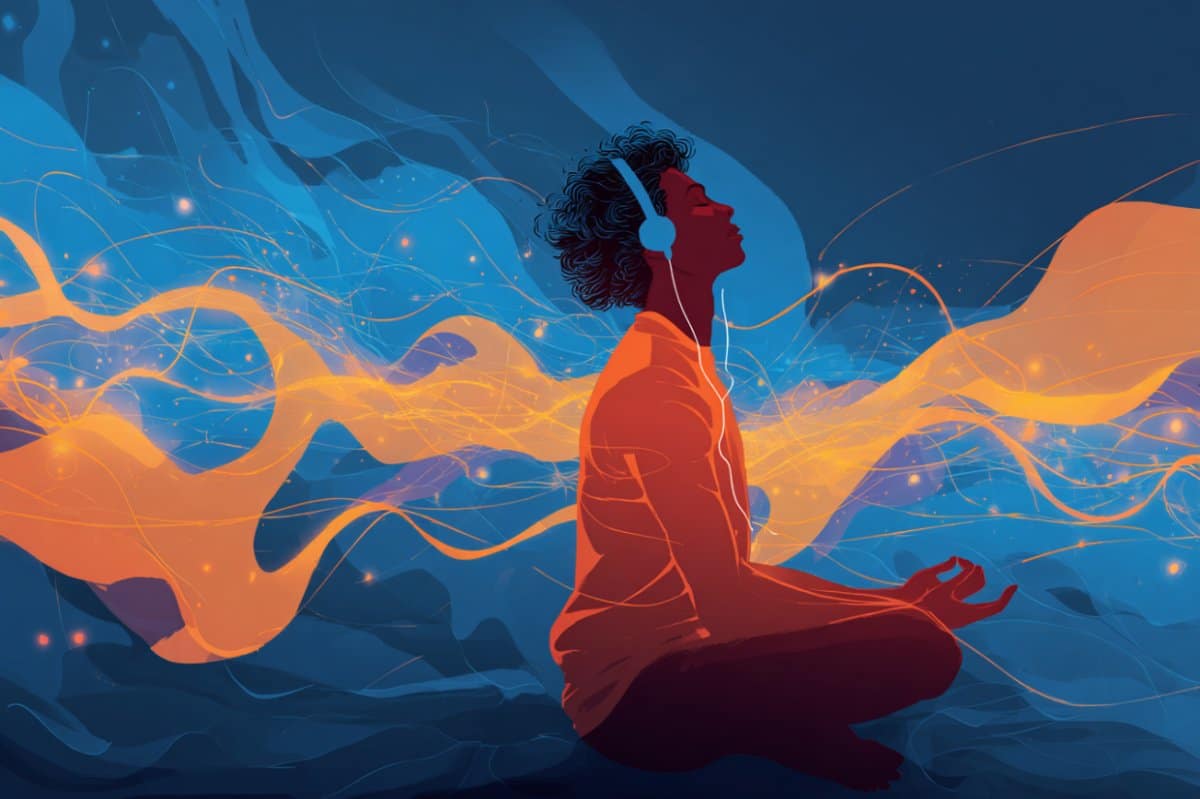
A study shows that fast-paced, music-driven breathwork can induce psychedelic-like brain states, reduce negative emotions, and promote feelings of unity and bliss, offering a natural alternative to psychedelics for mental health treatment.
The article discusses various methods of inducing altered states of consciousness through breathwork, music, and visual stimuli, highlighting personal experiences, potential mechanisms, and the cultural and scientific context of these practices.
Research shows that high ventilation breathwork combined with music can induce psychedelic-like altered states of consciousness, activating brain regions linked to emotion and memory, and reducing negative emotions, suggesting potential therapeutic benefits.
A study shows that high ventilation breathwork combined with music can induce altered states of consciousness similar to psychedelics, linked to specific changes in brain blood flow and emotional processing, with potential therapeutic benefits.
A meta-analysis of over 2,500 people suggests that high-intensity yoga, especially routines that make you sweat, can significantly improve sleep quality, potentially more effectively than traditional sleep aids like Ambien, by activating the parasympathetic nervous system and promoting deeper rest. Regular movement involving breath and muscle work may be a natural solution for sleep disturbances.
Ashley Roberts, former Pussycat Dolls member, shares her struggles with mental health, dependence on medication, and burnout from her music career, highlighting how practicing breathwork has helped her recover and find balance in her life.
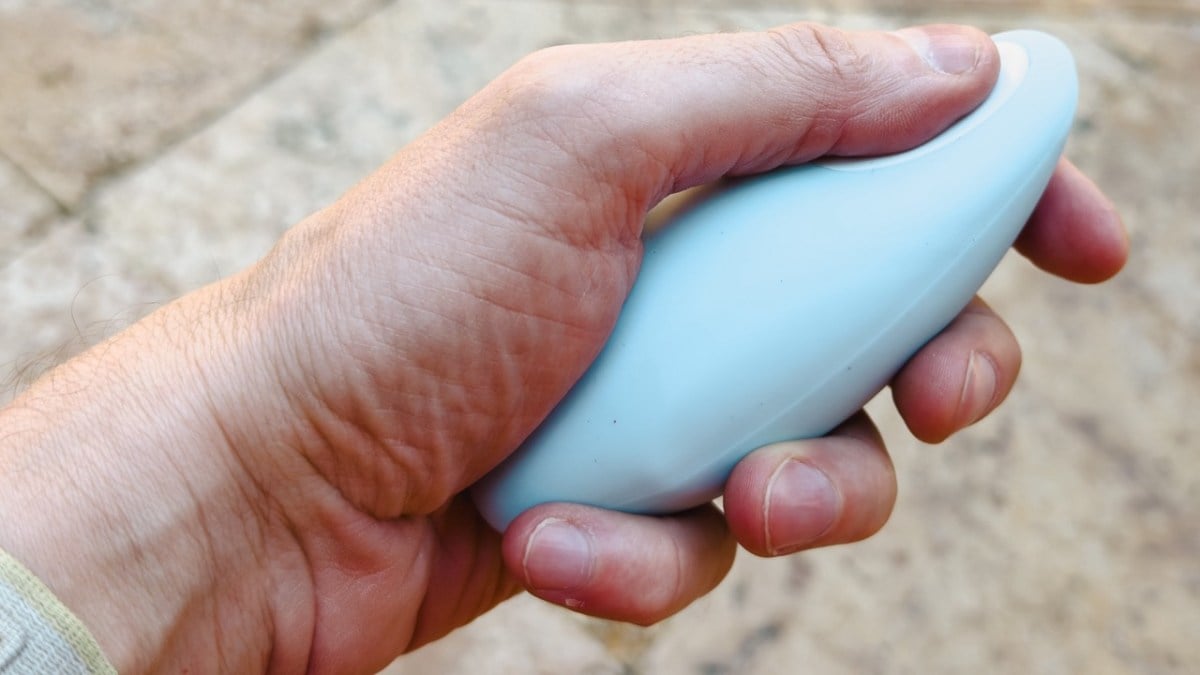
Moonbird, a Belgian company, has developed a bird-shaped relaxation device that helps users find sleep and reduce stress through breathing exercises. The device, which activates the parasympathetic nervous system, is designed to promote relaxation without continuous app connectivity and has gained significant market success in Europe. With plans to expand into the U.S. market, the founders emphasize the simplicity, scientific backing, and sustainability of their product, which is available for $199 with no subscription fees.
Breathwork, a practice of regulating breathing, has been around for thousands of years and includes various techniques such as pranayama, box breathing, and the Wim Hof method. Slowing the rate of breathing can have physical and mental health benefits, and some fast-paced techniques have yielded results similar to psychedelic experiences. However, intense breathwork exercises may not be suitable for individuals with certain health conditions, and experts recommend starting slow and being cautious with hyperventilation techniques. Overall, breathwork can help improve relaxation and wellbeing, but its effects may vary for different individuals.
A study published in Scientific Reports suggests that coherent breathing, a popular relaxation technique, may not offer significant psychological benefits beyond a placebo effect. The study, involving 400 participants, found no measurable difference in stress reduction, anxiety, depression, wellbeing, or sleep disturbance between those practicing coherent breathing and those using a placebo breathing exercise. While the findings are intriguing, the study's limitations include the remote delivery of the intervention and the standardized nature of the breathing practice, which may not fully capture the potential of coherent breathing. The lead researcher hopes to continue investigating the psychophysiological effects of breathwork and establish a dedicated breathwork research lab.
Breathwork, particularly psychedelic breathwork, is gaining popularity as a wellness trend in Australia, offering a natural way to manage stress and improve mental health. Advocates believe that breathwork can alleviate various conditions, including anxiety, PTSD, and chronic stress. Psychedelic breathwork, which aims to induce altered states using only the breath, has been compared to the effects of psychedelic drugs. Proponents claim that it can provide profound emotional release and insights, offering a powerful tool for self-discovery and stress relief.