Tag

Coccolithophores

All articles tagged with #coccolithophores

Colorful Coastal Waters Signal Spring Phytoplankton Blooms Off the Mid-Atlantic
earth-science15 days ago

Colorful Coastal Waters Signal Spring Phytoplankton Blooms Off the Mid-Atlantic

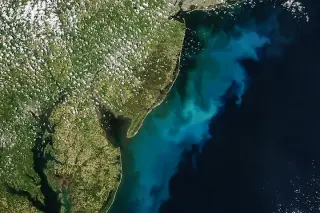
NASA's Earth Observatory used MODIS imagery to show vivid greens and turquoises off the Delaware–New Jersey–Virginia coast, where spring phytoplankton blooms—dominated by diatoms with coccolithophores mixed in—color the shallow Mid-Atlantic Bight; advances from the PACE mission are improving bloom detection in these optically complex coastal waters.

Giant Turquoise Ring of Phytoplankton Traced to Ocean Floor Topography Near Chatham Islands
science28 days ago

Giant Turquoise Ring of Phytoplankton Traced to Ocean Floor Topography Near Chatham Islands

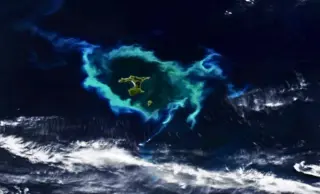
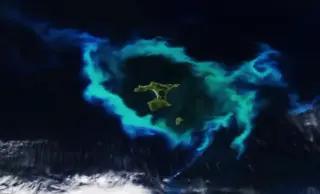
NASA’s Earth Observatory captured a giant turquoise ring off the Chatham Islands in January 2026, a massive coccolithophore phytoplankton bloom shaped by the Chatham Rise seafloor topography and surface currents; satellites (NOAA-20 VIIRS) track such events over wide areas, while no direct water sampling was performed, highlighting how underwater geology fuels surface life and can affect marine ecosystems.

Glowing Plankton Ring Spotted Around Chatham Islands from Space
science1 month ago

Glowing Plankton Ring Spotted Around Chatham Islands from Space

NASA’s NOAA-20 satellite captured a large near-infrared image of a luminous coccolithophore-dominated plankton bloom forming a ring around New Zealand’s Chatham Islands. The bloom, one of the largest in recent decades, highlights the Chatham Rise’s role in fostering surface productivity, while the same underwater plateau is linked to frequent whale strandings in shallow waters, illustrating how ocean features can support life yet pose risks to marine mammals.

Ancient Coccoliths Reveal a Cooler Miocene North Atlantic Than Expected
science1 month ago

Ancient Coccoliths Reveal a Cooler Miocene North Atlantic Than Expected

A Nature Communications study applies clumped-isotope geochemistry to exceptionally well-preserved fossil coccoliths to reconstruct 16 million years of North Atlantic temperatures, finding temperatures about 9°C cooler than previous alkenone-based estimates and closer to climate model simulations, challenging the view of extreme Miocene warmth and highlighting the need to re-evaluate climate proxies.

Scientists Discover Massive Bioluminescent Sea Creature Illuminating Oceans
science9 months ago

Scientists Discover Massive Bioluminescent Sea Creature Illuminating Oceans

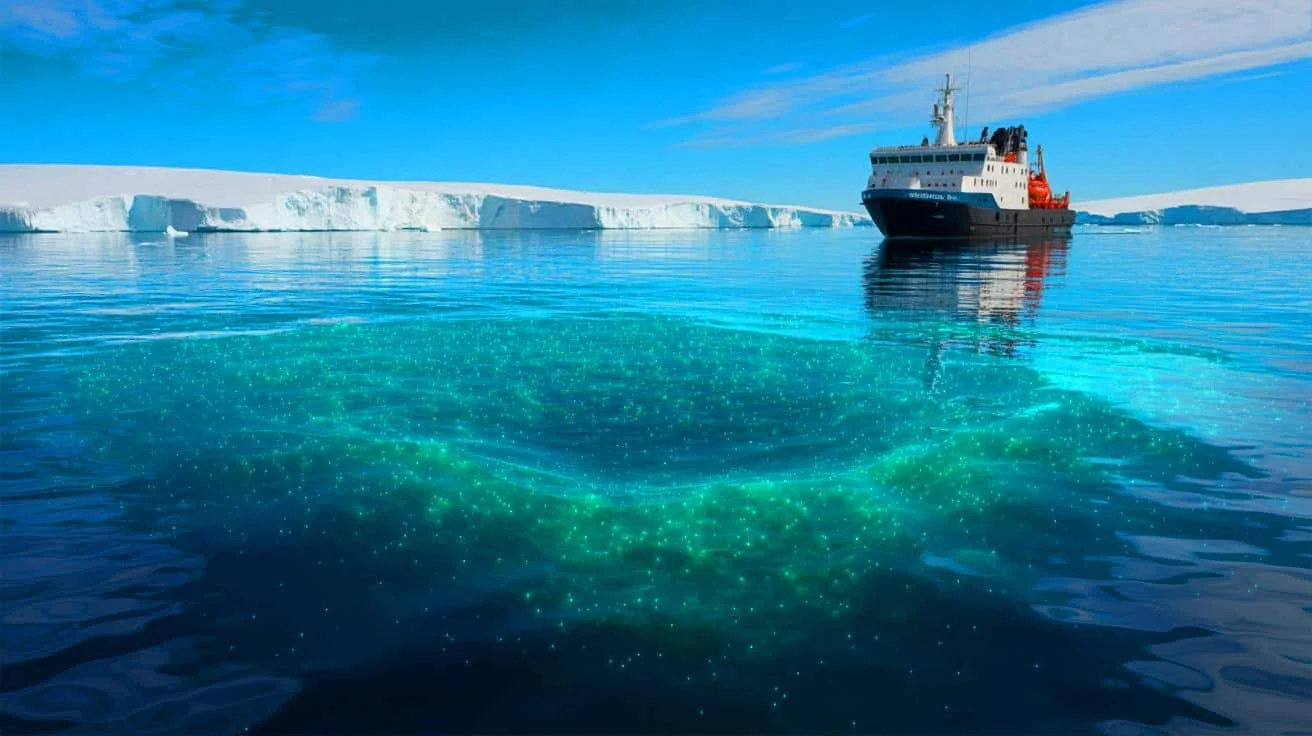
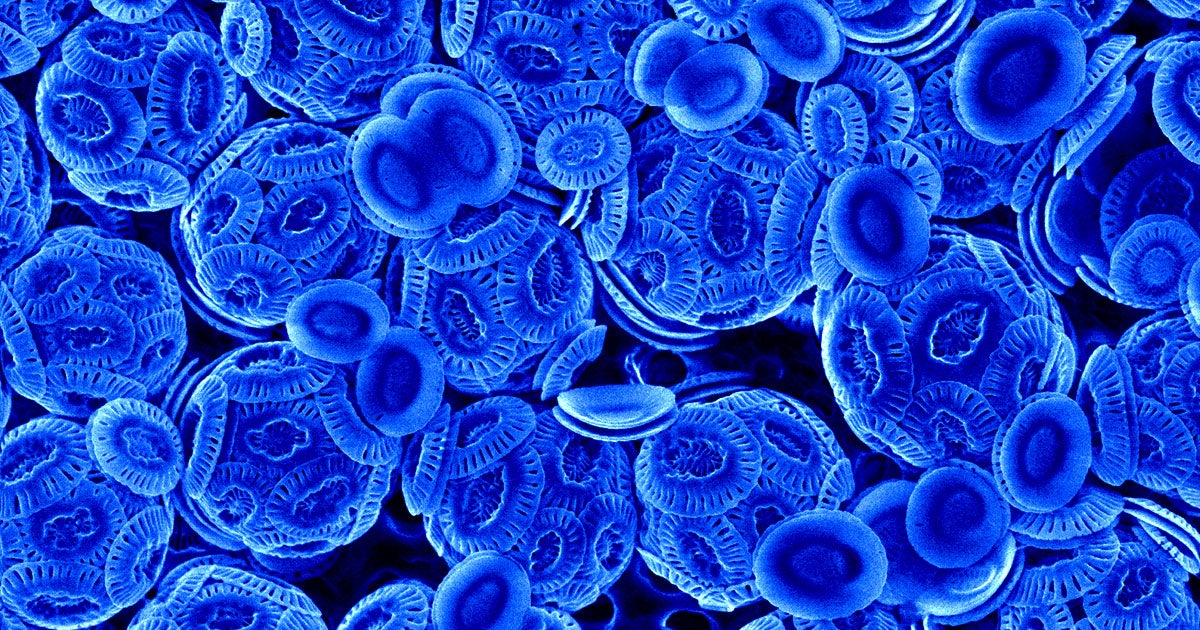
Scientists have discovered that tiny marine organisms called coccolithophores, previously thought unable to survive in the frigid Antarctic waters, do exist there in small concentrations, explaining the mysterious glowing turquoise patches seen in satellite images. This finding enhances understanding of oceanic carbon cycles and the distribution of plankton, which play a crucial role in regulating atmospheric carbon and potentially impacting global climate change.

Scientists Discover Bioluminescent Phenomenon Transforming Ocean Mysteries
science9 months ago

Scientists Discover Bioluminescent Phenomenon Transforming Ocean Mysteries

Scientists have discovered that tiny marine organisms called coccolithophores, previously thought unable to survive in the frigid Antarctic waters, do exist there in small numbers, explaining a mysterious glowing patch seen in satellite images. This finding enhances understanding of oceanic carbon cycles and the distribution of plankton, which play a crucial role in regulating atmospheric carbon and potentially impacting global climate change.

NASA Satellites Reveal Mysterious Glow Beneath Antarctica
science9 months ago

NASA Satellites Reveal Mysterious Glow Beneath Antarctica

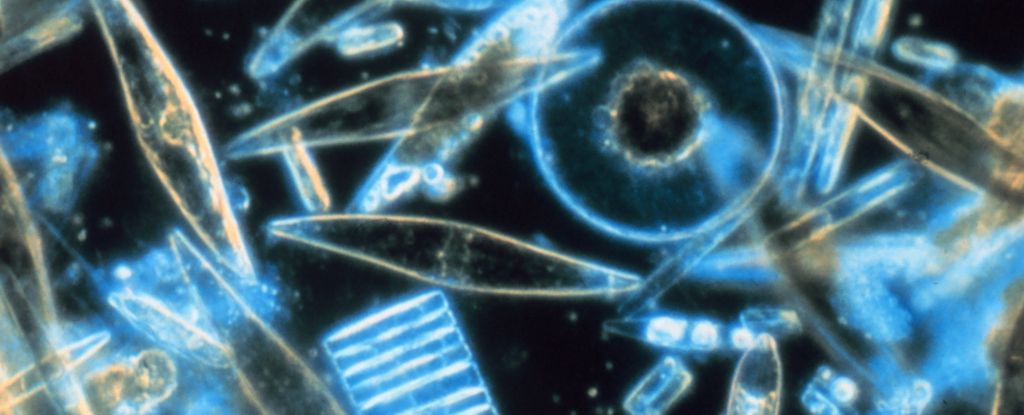
Scientists have identified that the bright, glowing patches of water near Antarctica are caused by blooms of silica-rich diatoms and calcium carbonate–bearing coccolithophores, which play a crucial role in the ocean's carbon cycle and climate regulation. This discovery, made through combined satellite and field research, enhances understanding of polar ecosystems and improves climate models, revealing a more complex and resilient ecosystem than previously thought.

Coccolithophores' Carbon Extraction and Fixation Observed in the Field.
science3 years ago

Coccolithophores' Carbon Extraction and Fixation Observed in the Field.

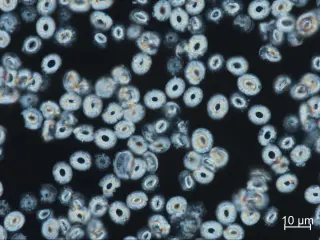
New research from Bigelow Laboratory for Ocean Sciences shows that coccolithophores, a globally ubiquitous type of phytoplankton, can survive in low-light conditions by taking up dissolved organic forms of carbon, forcing researchers to reconsider the processes that drive carbon cycling in the ocean. This is the first evidence of this phenomenon in nature. The uptake of these free-floating organic compounds is another step in both the biological and alkalinity pumps that drive the transport of carbon from the ocean surface to depths below.