Tag

Cosmic Evolution

All articles tagged with #cosmic evolution

JWST Confirms Record-Breaking Radio Burst from Universe’s First 3 Billion Years
science1 month ago

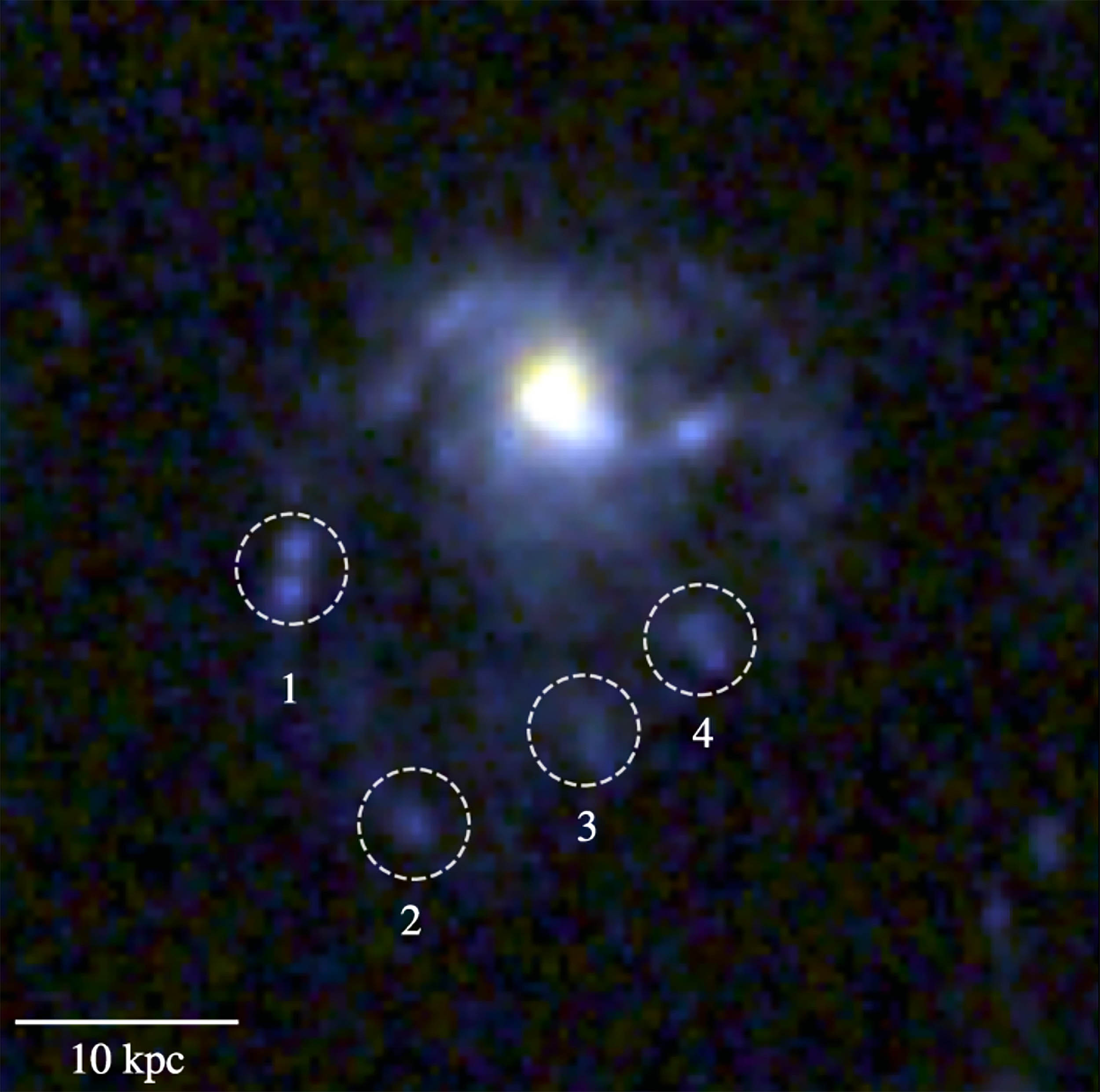
JWST Confirms Record-Breaking Radio Burst from Universe’s First 3 Billion Years

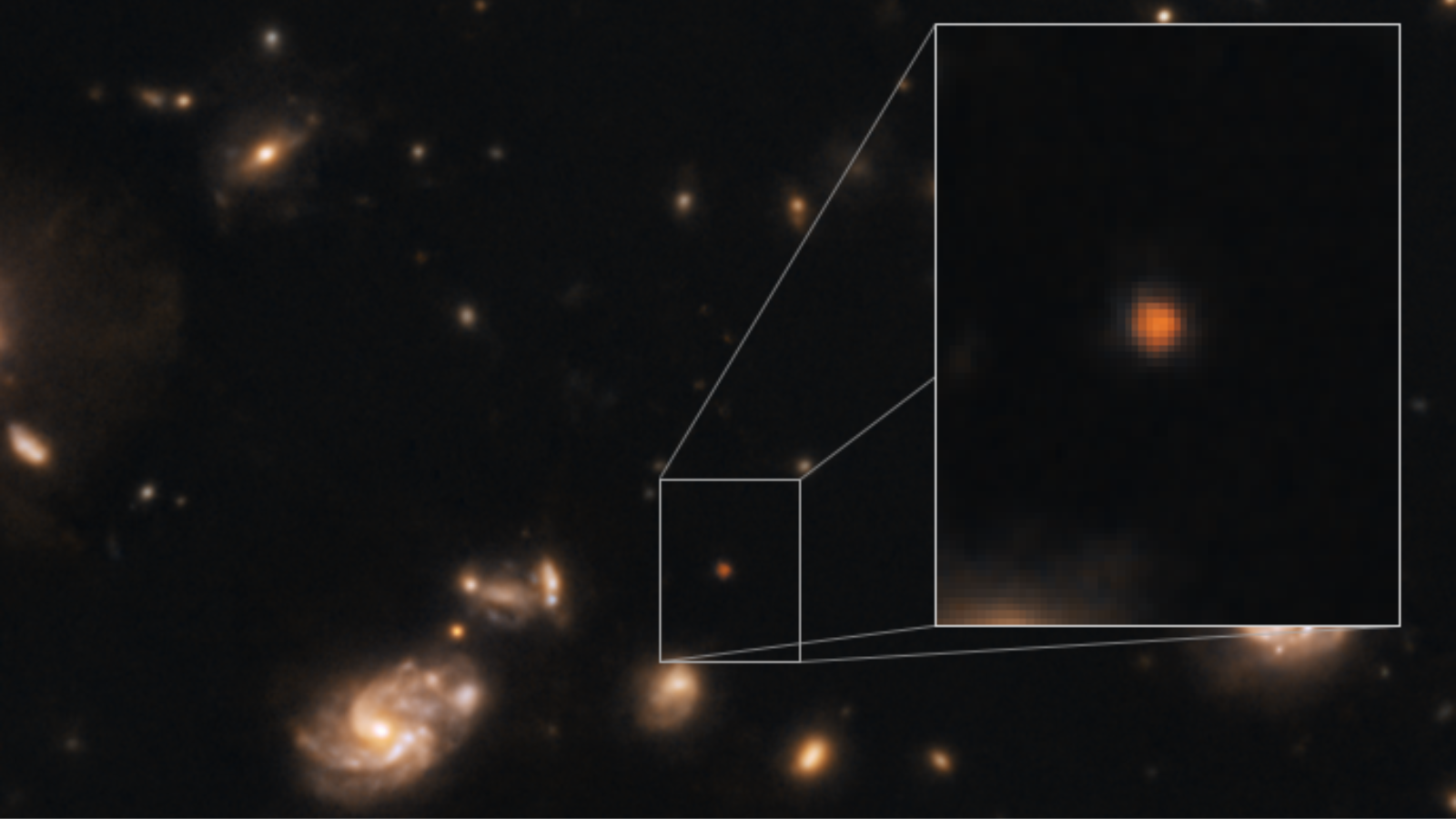
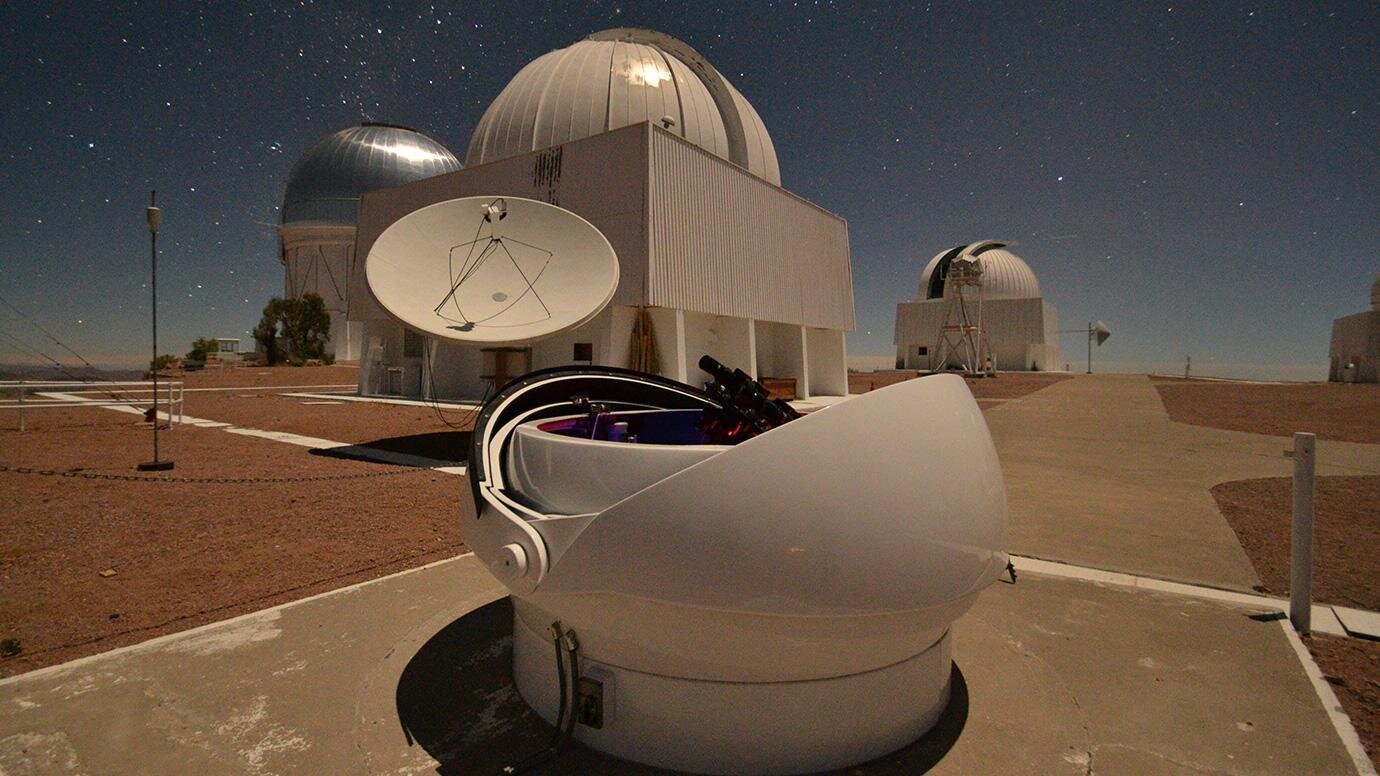
Astronomers have identified the most distant fast radio burst (FRB) ever recorded, designated FRB 20240304B. Detected by South Africa’s MeerKAT telescope in March 2024, the signal originated when the universe was only 3 billion years old, traveling for over 10 billion years to reach Earth. The James Webb Space Telescope (JWST) confirmed the host galaxy’s redshift at 2.148, placing it more than twice as far as the previous record holder. The host is a small, low-mass dwarf galaxy with intense star formation and low metallicity, challenging previous assumptions that FRBs originate in massive, evolved galaxies. This discovery suggests FRBs may have been common in the early universe and provides a new method for mapping invisible intergalactic matter.
FAST and DESI data show cosmic gas reserves remain stable despite sharp drop in star formation
science2 months ago

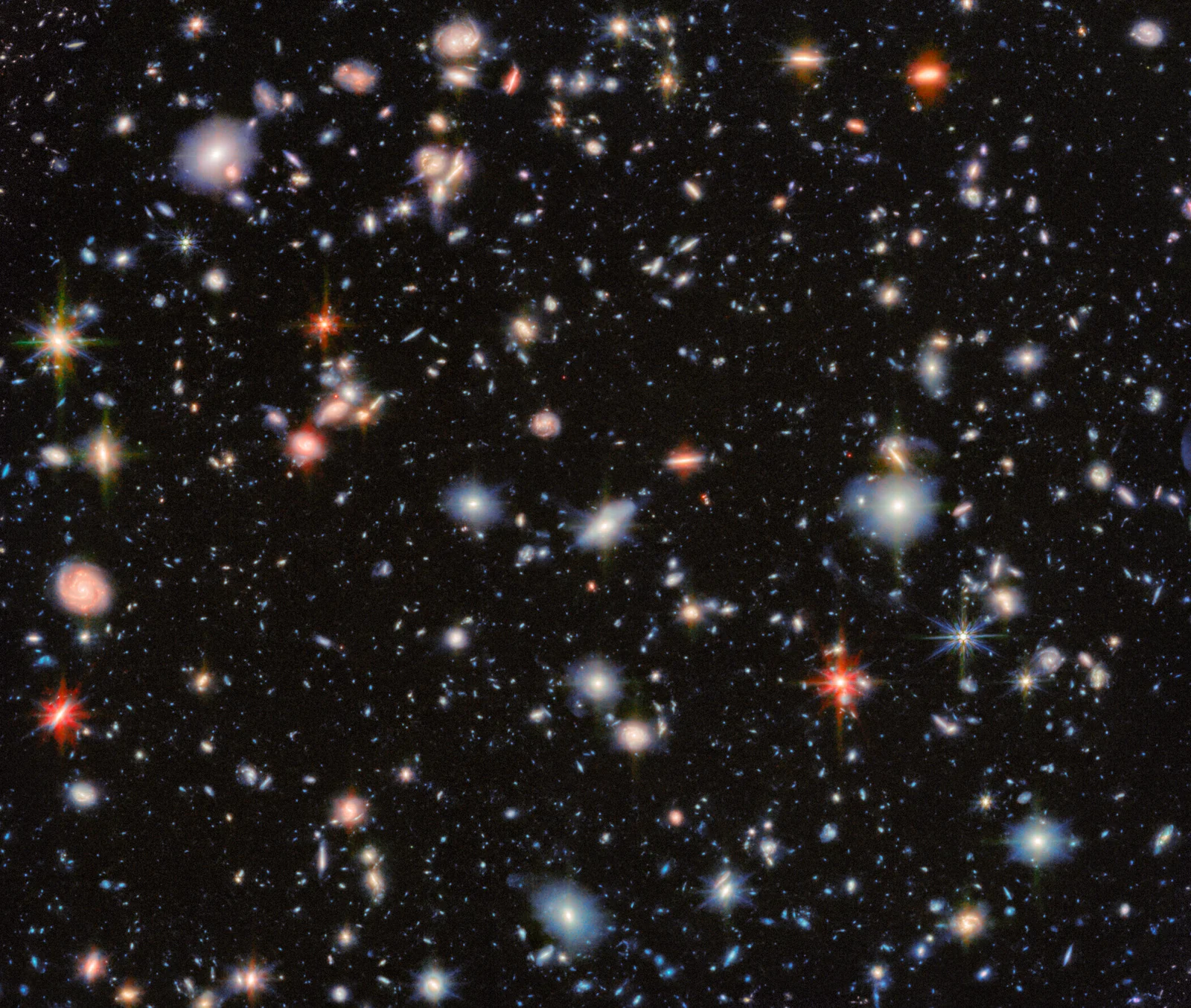
FAST and DESI data show cosmic gas reserves remain stable despite sharp drop in star formation

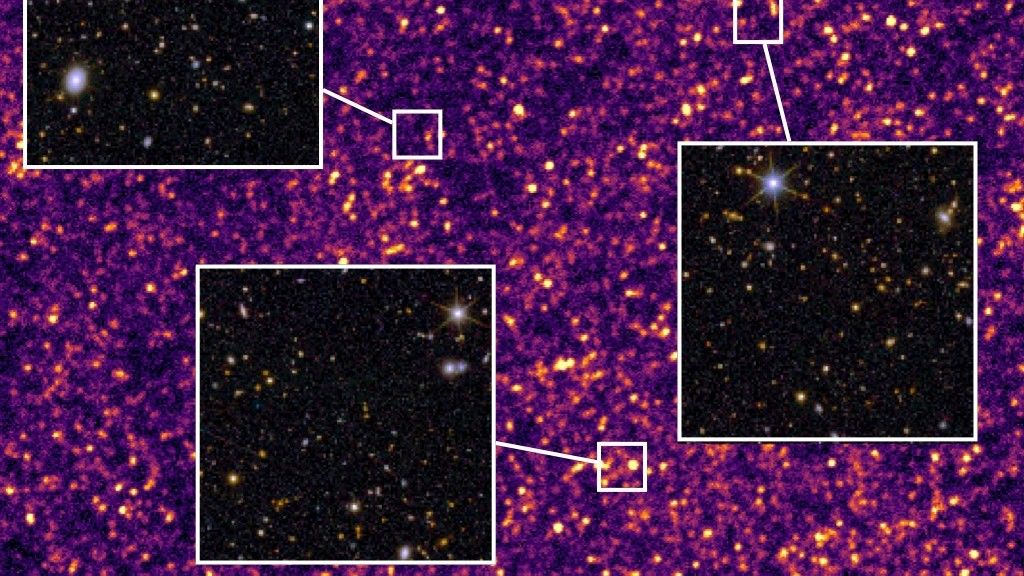
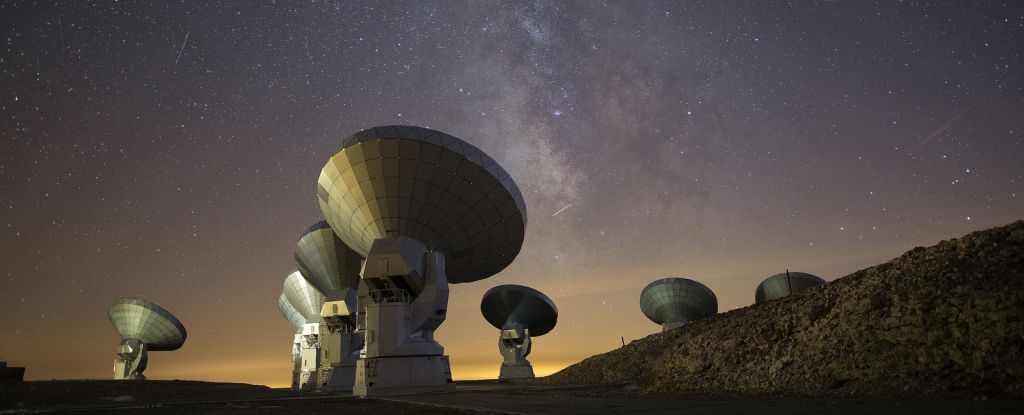
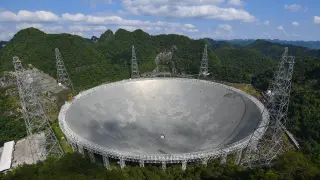
A new study using China's FAST telescope and the DESI instrument reveals that the universe's neutral hydrogen reserves have remained relatively stable over the past 4.5 billion years, even as star formation rates have dropped significantly. This finding challenges the traditional view that declining star birth is caused by a depletion of cold gas fuel, suggesting instead that the conversion of atomic hydrogen into dense molecular gas has become less efficient.

Revolutionary Breakthrough Challenges 50-Year Black Hole Theory
science11 months ago

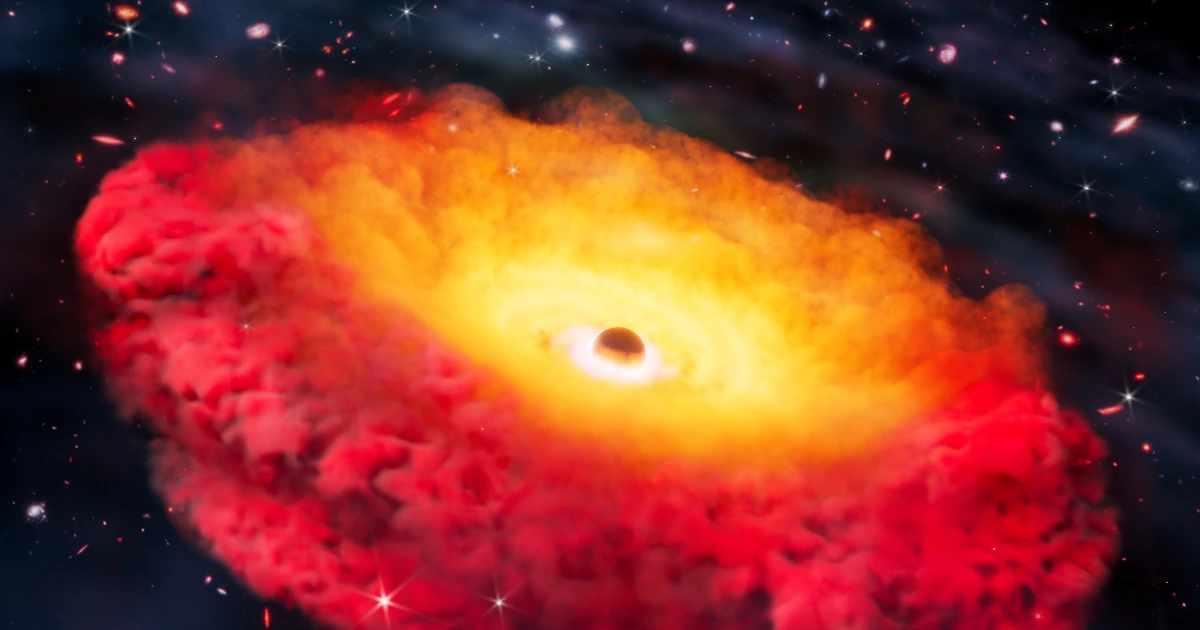
Revolutionary Breakthrough Challenges 50-Year Black Hole Theory

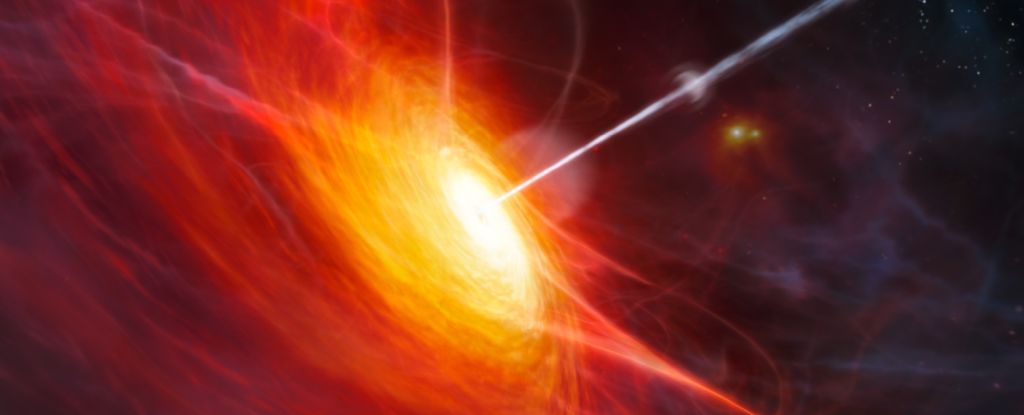
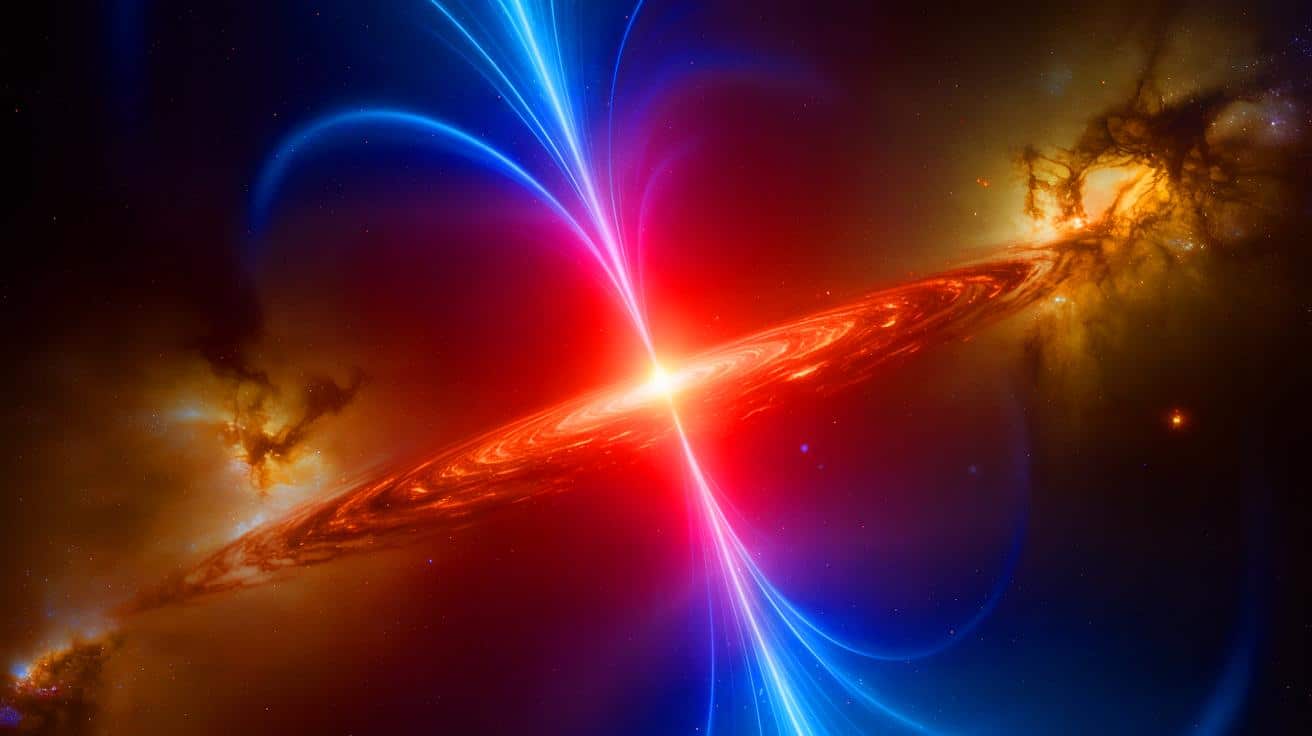
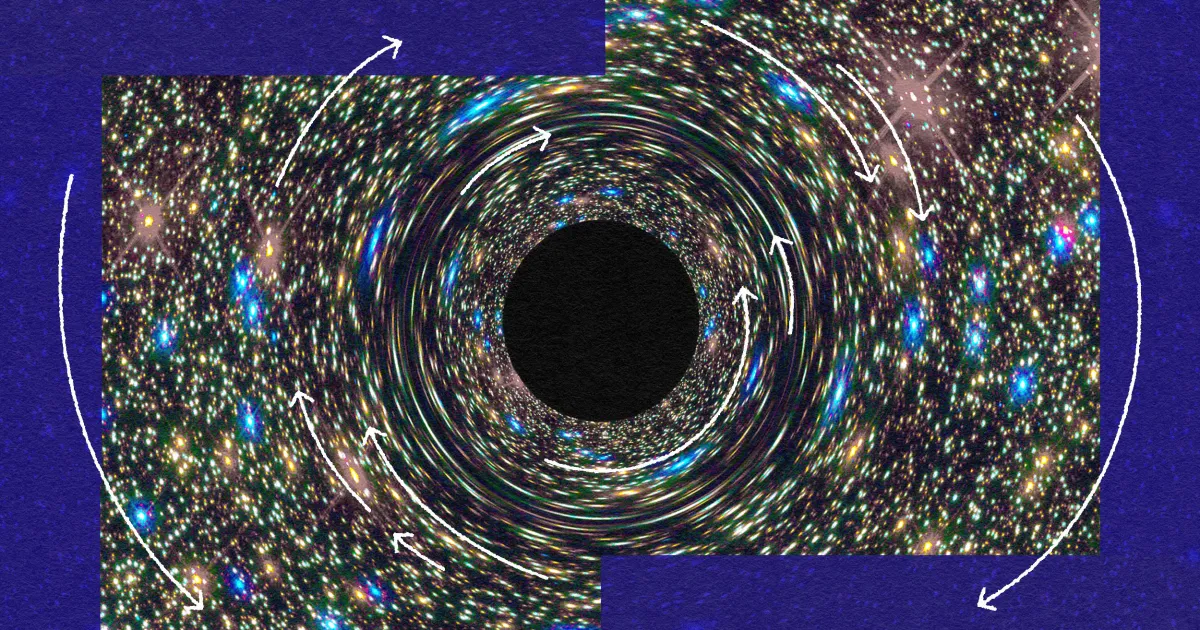
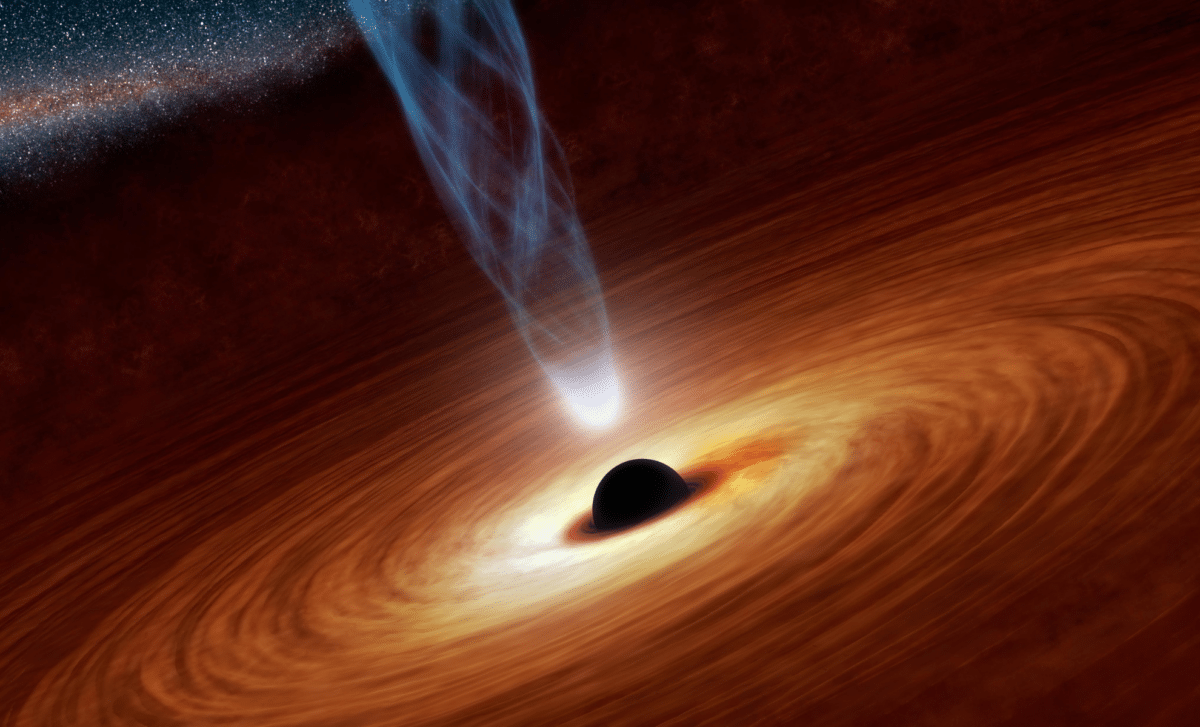
An international team of astronomers has found evidence suggesting that the relationship between ultraviolet and X-ray emissions in quasars has evolved over billions of years, challenging the long-standing assumption of its universality and potentially impacting cosmological models. Using data from eROSITA and XMM-Newton, they observed differences in this relationship in quasars from the early universe compared to the present day, which could influence our understanding of black hole growth and the universe's expansion.