Tag

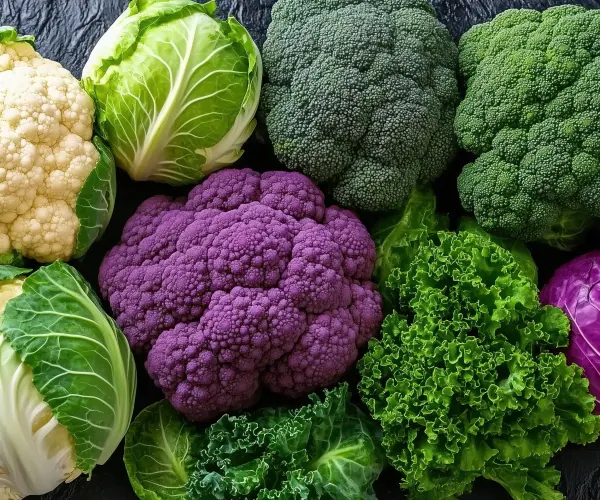
Cruciferous Vegetables

All articles tagged with #cruciferous vegetables

Chop, Wait, Cook: Boost Sulforaphane in Cruciferous Veggies with One Simple Step
health17 days ago

Chop, Wait, Cook: Boost Sulforaphane in Cruciferous Veggies with One Simple Step

Chop cruciferous vegetables (e.g., broccoli, kale, cabbage) to activate the enzyme myrosinase, which converts glucoraphanin into sulforaphane. Let the chopped veggies sit for about 30–40 minutes before cooking to maximize sulforaphane formation, then cook with brief microwaving or light steaming to preserve it. Raw preparation also preserves the enzyme, while frozen or canned options may reduce enzyme activity but still provide fiber and other nutrients. The health benefits of sulforaphane are modest but can support inflammation reduction and cellular defenses when included as part of a balanced diet.

Five foods that may lower cancer risk, according to a leading oncologist
health29 days ago

Five foods that may lower cancer risk, according to a leading oncologist

A leading oncologist from Hackensack Meridian Health says a plant-forward, fiber-rich diet can help lower cancer risk over time. He highlights five key food groups: berries (rich in anthocyanins), tomatoes (lycopene), various whole grains (fiber), cruciferous vegetables (glucosinolates like sulforaphane), and garlic/onions (organosulfur compounds). The message is that overall dietary patterns, not a single “superfood,” along with weight management, reduced carcinogen exposure, sleep, physical activity, screening, and avoiding tobacco and excess alcohol, contribute to cancer prevention.

Daily Dose of Cruciferous Veggies Linked to 20% Lower Colon Cancer Risk
health1 month ago

Daily Dose of Cruciferous Veggies Linked to 20% Lower Colon Cancer Risk

A meta-analysis of 17 studies with 97,595 participants found that consuming 40–60 grams of cruciferous vegetables per day (about ½ cup broccoli or 2–3 cups raw kale) may cut colon cancer risk by ~20%, with the benefit plateauing around that amount. The protection is linked to glucosinolates that form anti-cancer isothiocyanates, which aid detoxification, reduce inflammation, and may slow cancer cell growth, while also boosting gut health through fiber and nutrients. Practical tips include adding broccoli in the air fryer, beef-and-broccoli stir-fries, roasted cauliflower with kale, or sneaking greens into smoothies or sauces; maintain variety (30+ plant types weekly) and stay on top of screenings, noting some people may experience gas when increasing cruciferous intake.

Top Foods to Boost Liver Health and Function
health5 months ago

Top Foods to Boost Liver Health and Function

The article highlights five everyday foods—coffee, green tea, grapefruit, cruciferous vegetables, and nuts—that can help strengthen and improve liver function, supported by scientific research. These foods contain antioxidants and compounds that protect against liver damage, reduce inflammation, and promote detoxification, emphasizing the importance of diet in maintaining liver health.

7 simple health tips for a better week
health7 months ago

7 simple health tips for a better week

The article offers simple health tips including eating cruciferous vegetables to reduce cancer risk, practicing balance exercises, using less toothpaste, taking warm showers at night, following a Mediterranean diet with exercise, snacking on purple grapes, spending time outdoors, eating vitamin A-rich foods, doing high-intensity yoga for better sleep, and considering magnesium supplements for overall health.

Eating Certain Vegetables Significantly Reduces Colon Cancer Risk
health7 months ago

Eating Certain Vegetables Significantly Reduces Colon Cancer Risk

A study analyzing 17 research papers found that consuming about 20 grams of cruciferous vegetables like broccoli daily can reduce colon cancer risk by 17%, with benefits plateauing at around 40 grams per day. These vegetables contain compounds called glucosinolates that help detoxify the body and inhibit cancer growth. The findings support dietary recommendations to include more vegetables, especially within a healthy diet like the Mediterranean diet, to lower colon cancer risk.

Eating Cruciferous Vegetables May Reduce Colon and Gastrointestinal Cancer Risk
health7 months ago

Eating Cruciferous Vegetables May Reduce Colon and Gastrointestinal Cancer Risk

A large review indicates that consuming 40-60 grams of cruciferous vegetables daily, such as broccoli, cauliflower, and kale, can reduce the risk of colorectal cancer by 20-26%, thanks to compounds like sulforaphane that support detoxification and reduce inflammation. Incorporating these vegetables into a balanced diet may significantly lower cancer risk, especially when combined with other healthy lifestyle habits.

Consuming Cruciferous Vegetables May Reduce Colon Cancer Risk
health7 months ago

Consuming Cruciferous Vegetables May Reduce Colon Cancer Risk

A systematic review found that consuming 20-40 grams of cruciferous vegetables like broccoli and Brussels sprouts daily can reduce colon cancer risk by about 20%, with the protective effect plateauing beyond 40 grams. The benefits are linked to bioactive compounds such as sulforaphane, which can inhibit cancer cell growth. The study emphasizes the importance of diet in cancer prevention, though results vary by geography and should be interpreted cautiously.

Top Foods and Timing Tips to Lower Blood Pressure Naturally
health1 year ago

Top Foods and Timing Tips to Lower Blood Pressure Naturally

A study published in BMC Medicine suggests that consuming cruciferous vegetables like broccoli and kale can significantly lower systolic blood pressure, potentially reducing cardiovascular risk by 5%. Participants who ate soups rich in these vegetables experienced a 2.4 mmHg reduction in systolic blood pressure compared to those consuming root vegetables. Cruciferous vegetables are high in vitamins C, E, and K, offering anti-inflammatory and antioxidant benefits that help regulate blood pressure. The American Heart Association also recommends lifestyle changes such as regular exercise and the DASH diet to manage hypertension.

Christmas Veg Shortage Linked to Stroke and Heart Attack Risks
health1 year ago

Christmas Veg Shortage Linked to Stroke and Heart Attack Risks

A study suggests that consuming cruciferous vegetables like cabbage and Brussels sprouts can significantly reduce the risk of stroke and heart attacks in older adults by preventing artery hardening. The research, involving elderly women, found that those with higher intake of these vegetables had thinner carotid artery walls, which is linked to lower cardiovascular risk. The study highlights the potential vascular protective effects of cruciferous vegetables, though it is observational and cannot establish causality. The findings support dietary guidelines promoting increased consumption of these vegetables for cardiovascular health.

health-and-wellness2 years ago

"Powerful Cancer-Fighting Foods for a Healthier Summer Diet"

Consuming summer foods such as berries, cruciferous vegetables, grapes, whole grains, apples, dark chocolate, and carrots can help lower the risk of cancer due to their rich content of vitamins, minerals, antioxidants, and other vital nutrients. However, it's important to note that this information is general and should not replace professional medical advice.